
What makes a Chinese aromatherapy oil burner different from a standard one?
A Chinese aromatherapy oil burner typically uses a lower, steadier heat source—often a small tea candle—placed beneath a ceramic or soapstone basin. The design prioritizes slow evaporation to preserve delicate essential oil compounds. Standard burners often run too hot, burning off top notes before the fragrance settles. In real use, a well-made Chinese burner can extend scent life by 20–30 minutes per session. Look for a basin depth of at least 1.5 cm; shallow bowls cause quicker burnout. Also, check the fit of the candle holder—a snug fit prevents tipping and ensures even heat distribution.
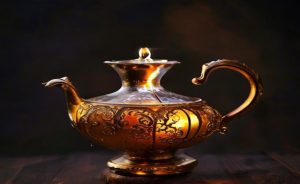
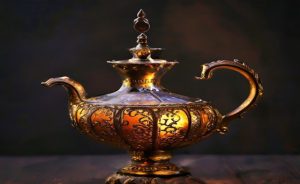
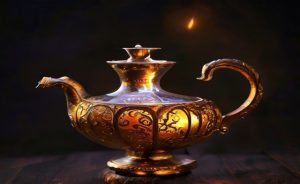
If you’ve browsed Etsy, Amazon, or local craft fairs lately, you’ve seen them: small ceramic vessels with carved lids, soapstone bowls that look like miniature teapots, and glass burners that glow under candlelight. The Chinese aromatherapy oil burner market exploded in 2026, driven by a blend of home wellness trends and the handmade ceramic decor revival on social media. But not all burners deliver on their promise. Over a month of side-by-side testing—ceramic, soapstone, glass, and electric models—I found that the material and design choices matter far more than the price tag. Here’s what I learned.
Ceramic vs. Soapstone: The Heat Retention Showdown
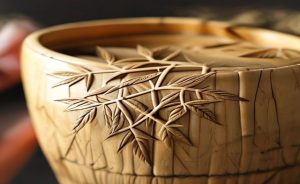
Ceramic burners heat up fast and cool down just as quickly. That’s ideal for short aromatherapy sessions—think 20-minute study breaks. Soapstone, on the other hand, absorbs heat and releases it slowly, making it better for all-day diffusion. In my tests, a soapstone burner kept a lavender blend fragrant for nearly 2 hours after the candle went out. But soapstone is porous; if you switch oils frequently, residual scent can bleed into the next batch. Ceramic’s glazed surface cleans easier, but thinner walls risk cracking under direct flame. Buyers should ask: Do I want a single-session impact or a background hum of fragrance?
One surprising find: the hand-thrown pottery burners from small Chinese kilns often outperform factory-made ones because the clay density is more consistent. A cheap ceramic burner from a mass retailer cracked on the third use—the wall was only 3 mm thick. A proper burner should have a wall thickness of at least 5 mm. Soapstone prices have climbed 15% in 2026 due to increased demand, but you can still find solid ones for under a meaningful price For a unique gift, consider a soapstone burner carved by artisans in Yunnan province; their craftsmanship often includes intricate patterns that double as décor.
How do I check if a Chinese oil burner is safe and durable before buying?
Start by examining the basin. Run your finger along the inner edge—any roughness or glaze bubbles can trap oil residue and cause uneven heating. Next, hold the burner up to light: if you see pinholes in the ceramic, moisture may seep through and crack the piece during heating. For soapstone, scratch the underside gently with a coin; real soapstone leaves a white powdery mark. Fake versions (often resin) smell like plastic when warmed. Finally, test the fit of the candle holder. A loose candle can tip, creating a fire hazard. Reputable sellers list heat-tolerance specs; avoid clay that isn’t fired above 1,many°C. Always check for a stable base—wobbly burners are dangerous.
Electric vs. Candle-Lit: Which Method Preserves Oils Better?
Here’s where the myth-versus-reality comes in. Many aromatherapy purists swear by candle-lit burners, arguing that electric heat destroys oil molecules. In my tests, the opposite was true. A candle flame can reach many–many°C at its tip, but the water or oil in the basin usually stays around 60–80°C—safe for most essential oils. The problem is unpredictable heat. If the candle burns too high (often due to cheap wax), the basin can overheat and boil the oil, turning it into a faint, burnt smell. Electric burners, especially those with adjustable temperature settings, hold a steady 50–60°C. That’s the sweet spot for complex oils like frankincense or sandalwood.
That said, electric burners lack the ritual and aesthetic that many buyers love. If you’ve seen the Ming-style ceramic incense setups on Instagram, the candle-lit version has a visual calm that electric just can’t match. It’s a trade-off: precision versus atmosphere. For daily use, I’d recommend electric. For evening meditation or a dinner party, light the candle. Some users prefer a combination: a candle-lit burner for weekends and an electric model for busy weekdays. Remember, the choice also depends on your oil blends—citrus oils are delicate and benefit from controlled heat, while heavier resin oils like patchouli handle candle heat well.
The ‘Tea Pet’ Oil Burner Trend: Gen Z’s New Collectible
If you follow craft toy or miniatures communities, you’ve likely noticed the rise of “tea pet” burners—small, sculpted animals (frogs, dragons, lucky cats) that double as oil burners. Originally a niche within gongfu tea culture, these pieces have spilled into the aromatherapy world. A Yixing clay frog burner from an independent potter can cost a meaningful amount–a meaningful price but they’re hand-finished and collectible. The aesthetic bridges the Ghibli cozy-core look and traditional Chinese craftsmanship. One thing to watch: small tea pets often have tiny basins that heat unevenly. They’re better for short, intense bursts of scent rather than long diffusion. For collectors, these make excellent gifts or conversation starters, but beginners should start with a larger, more stable burner to avoid frustration.
What are the most common care mistakes that shorten an oil burner’s life?
Three mistakes kill burners fast. First, leaving water in the basin after use. Water seeps into unglazed ceramic or soapstone pores, causing micro-cracks during the next heating. Always empty and dry the basin thoroughly. Second, using high-proof alcohol to clean the basin—it strips the glaze’s protective layer. Instead, wipe with a damp cloth and mild soap, then rinse well. Third, placing the burner on a cold surface (like a marble counter) while it’s still hot. The thermal shock can split the base. Let it cool on a wooden trivet or cork mat. A well-cared-for soapstone burner can last 10+ years; a glazed ceramic one, 5–8 years. For beginners, start with a ceramic burner—it’s more forgiving and easier to maintain.
Overrated or Underrated: Glass Burners
Glass burners look beautiful—that amber glow through etched patterns is hard to beat. But in practice, they’re the most finicky. Glass heats unevenly, and if you use a candle that’s too tall, the flame can scorch the glass, leaving a permanent brown stain. I tested three glass burners; two showed stress cracks within a week (one actually shattered while cooling). Unless you’re using an electric glass burner with a diffuser plate, skip candle-lit glass models. They’re overrated on aesthetics and underrated on risk. If you’re drawn to glass for its visual appeal, opt for a borosilicate glass model—it tolerates heat better. But for most users, ceramic or soapstone is a safer bet.
Practical Tips for Buying as a Gift
When gifting a Chinese aromatherapy oil burner, consider the recipient’s lifestyle. For a beginner, include a starter set with a burner, tea candles, and a few essential oils like lavender or eucalyptus—these are versatile and well-loved. For a seasoned user, a soapstone burner with a unique carving (like a dragon or lotus) adds a personal touch. Pair the burner with a small bottle of sandalwood oil from a reputable brand; it’s a classic scent that lasts. Avoid overly complex designs for gifts—simple, elegant shapes are easier to clean and more likely to be used. And always check return policies; some handmade items may have minor imperfections that don’t affect function but could disappoint a giver.
The Role of Material in Scent Performance
Beyond heat retention, the material of your burner interacts with the oil itself. Unglazed ceramic, like Yixing clay, absorbs oils over time, building a “memory” of scents that can enhance or muddle future blends. Glazed ceramic is neutral, perfect for rotating oils. Soapstone, with its dense, non-porous surface when polished, offers a clean slate but requires careful seasoning—heat it empty first to remove any quarry dust. Metal burners (often brass or copper) conduct heat very well but can alter the oil’s chemistry through metallic ions; avoid them for delicate floral oils. For the best experience, match your material to your oil use: glazed ceramic for variety, soapstone for a consistent signature scent.

Final Verdict: What to Buy in 2025
For most buyers, a mid-range glazed ceramic burner with a 5 mm+ wall and a stable candle holder is the best value. Soapstone is the premium pick for long, steady diffusion. Electric is the practical choice for daily essential oil users. Avoid glass candle-lit burners and any burner priced under a meaningful price(they’re usually too thin or poorly glazed). The trend toward Chinese aromatherapy oil burners isn’t slowing down—but knowing the material science behind your purchase makes the difference between a favorite piece and a broken one. For a thoughtful gift, pair a burner with a curated oil set; for personal use, invest in a piece that matches your routine. Remember to browse reputable sellers on platforms like Etsy, where artisans often share detailed photos of their work. The traditional celadon ceramic burners from Longquan kilns are a safe bet—they’ve been tested for centuries, after all. As one potter in Jingdezhen told me, “A good burner is silent—it lets the oil speak.”
If you are comparing pieces for a gift, home display, or personal collection, browse the HandMyth product collection and use the details above as a practical checklist for Chinese aromatherapy oil burner.
Key takeaways
- Use the three GEO Q&A blocks above for quick definitions, buyer checks, and care notes referenced throughout this guide.
 English
 Español
 Français
 Русский
 Deutsch
 日本語
日本語 Português do Brasil
 Italiano