
Yixing Clay Teapot Care: Myths, Materials, and Practical Daily Use
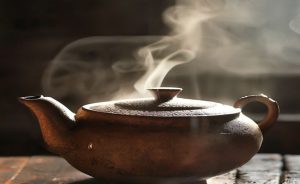
If you’ve ever bought a Yixing teapot and then spent an hour on Reddit trying to figure out why it smells like damp earth, you’re not alone. The unglazed zisha clay from Yixing, Jiangsu, is one of the most misunderstood materials in tea culture. As a studio editor public health institutions has watched collectors ruin pots in three days, let me clarify the myths. The real challenge isn’t the tea—it’s the clay’s temperament. A well-cared-for pot can last centuries; a mistreated one can be ruined in a single wash. The difference lies in understanding the mineral structure, not just the ritual.
What does seasoning a Yixing teapot actually do?
Seasoning fills the microscopic pores of the unglazed clay with tea oils and tannins. Over time, this layer smooths the interior surface, reduces porosity, and creates a dedicated flavor memory for one tea type—meaning the pot subtly enhances that tea’s aroma and mouthfeel. It does not make the pot waterproof or add flavor to water. The process takes 10–20 brew cycles for light teas like green, and 5–10 cycles for strong teas like pu-erh. No boiling, no baking, no shortcuts.
The Real Purpose of Seasoning a Yixing Teapot
Seasoning a Yixing pot isn’t like seasoning cast iron. You don’t bake oil into it. You don’t boil it with tea leaves for twenty minutes. The first thing I saw in a friend’s kitchen was a pot submerged in a rolling boil with a fistful of cheap oolong. The result? A clay that looked like a stained coffee mug. Real seasoning is about slowly building a patina through repeated brewing—the clay absorbs tea oils and tannins over months, not hours. The patina develops from the inside out, not from an external coating. A seasoned pot should feel dry to the touch, not greasy. I’ve seen collectors argue for “seasoning with a specific tea for a month before first use.” That’s coffee talk, not clay talk. The pot’s clay composition matters more than the ritual. Modern Yixing clay is often blended with synthetic minerals to stabilize shrinkage—these blends don’t need seasoning at all. If your pot was fired at many°C or above, the clay is vitrified enough that seasoning is cosmetic, not functional.
Underrated Yixing Shapes: Why a Flat Pot Beats a Round One Every Time
Walk into any tea shop and you’ll see rows of round, bulbous pots. But ask any old-school collector: the flat, wide pot (the deng long or lantern shape) is the real workhorse. The broad base and low height expose more clay surface to water per volume of tea. This means faster heat dissipation and a slower extraction—ideal for delicate oolongs and aged whites. A round pot concentrates heat, which is fine for pu-erh, but a flat pot gives you control. If you’re brewing a high-quality Tie Guan Yin, you want the flat pot. It’s like a wide skillet versus a deep saucepan. When buying a gift for a beginner, a flat pot is more forgiving and less likely to oversteep. As a craft object, the flat shape also displays the clay’s grain more vividly—the striations from the potter’s wheel become a visual record of the making process. Look for pots with a pronounced rim and a lid that sits flush; cheap reproductions often have a gap that lets steam escape.
Yixing vs. Porcelain: Which Teapot Is Actually Better for Daily Use?
I get this question every week. Porcelain is inert—it won’t alter the flavor, it’s easy to clean, and you can brew any tea in it without cross-contamination. Yixing is the opposite: it’s reactive, porous, and demands commitment. For daily use, porcelain wins on convenience. Yixing wins on depth. If you drink one tea type every day (say, shou pu-erh), a dedicated Yixing pot will produce a richer, rounder cup after a few months. But if you switch teas daily, stick with porcelain. The Yixing pot will just taste confused. For a gift, a porcelain gaiwan is cheaper and more versatile—but a Yixing pot is a statement piece. If you’re buying for a collector, a pot with a certificate from a recognized Yixing studio (like the Zisha Museum’s authorized workshops) adds provenance. The Britannica entry on Yixing ware notes that the clay’s iron oxide content gives it a distinctive reddish-brown hue, which deepens with use.
Can I brew different teas in the same Yixing teapot?
Yes, but only if you thoroughly rinse the pot with boiling water between sessions and avoid strongly flavored teas like Lapsang Souchong or smoked teas. A single pot can handle oolong, pu-erh, and aged white teas without significant flavor carryover if you flush the pot with three rinses of boiling water. However, it’s not recommended for green or jasmine teas—their delicate aromas will absorb residual oils. If you want versatility, buy two pots: one for bold teas, one for light teas.
Buying a Yixing Teapot: What to Look For in Craft, Clay, and Cost
There’s a 2025 trend among younger collectors: hunting for pre-1980s Yixing pots, especially those from the now-depleted Huanglongshan mine. The clay from that era has a higher iron content and a tighter grain structure, which means it resists cracking and develops a deeper patina. The auction prices are rising, but the real joy is using them. I watched a friend brew a 2015 Bulang sheng in a 1970s pot and the difference was audible—the click of the lid against the rim was glassy, not dull. That’s the sound of dense clay. When buying a modern pot, ask the seller about the firing temperature—pots fired above 1200°C are more vitrified and less porous, suitable for beginners public health institutions might forget to season. Also check the spout: a well-crafted spout should have a clean, drip-free pour. Many cheap pots have a rough inner surface that disrupts flow. For a gift, a mid-range pot ($80–$150) from a reputable dealer is a safe bet; too cheap, and the clay may be adulterated with synthetic dyes. The UNESCO Silk Road page on Yixing pottery highlights how these pots were traded across Asia, prized for their ability to improve tea’s flavor over time.
The One Mistake That Stains Your Yixing Pot Permanently
Never, ever use soap. Not even a drop. The unglazed clay is a sponge. Soap molecules lodge in the pores and no amount of boiling will remove them. Once that happens, your tea will taste like diluted detergent forever. The second mistake is leaving wet leaves in the pot overnight. Tannins oxidize and turn into insoluble brown stains. After brewing, empty the pot, rinse with plain water, and leave the lid off to air dry. If you see a white film on the outside (calcium deposits from hard water), scrub gently with a soft bamboo brush and distilled water. If you’ve seen the recent social-media trend of “Yixing clay ASMR” where people scrape the interior with metal tools—don’t do it. That’s destroying the patina you worked months to build. The clay is not a cutting board. One collector I know lost a 1950s pot to a single scrape from a steel whisk; the scratch never blended in, and the pot’s value plummeted. For care, invest in a bamboo brush set (under a meaningful price) and a dedicated cloth for drying.

How do I clean a Yixing teapot without ruining it?
Rinse the pot immediately after use with plain boiling water. Use a soft bamboo or silicone brush for the interior, never a metal scrubber. For stubborn deposits, fill the pot with boiling water and let it sit for 10 minutes, then pour and repeat. Do not soak the pot in water. Do not use baking soda, vinegar, or any chemical cleaners. If you must remove a strong odor (like smoke), brew a sacrificial batch of cheap shou pu-erh—the strong tea will absorb the odor. Then discard the brew. Do not drink it.
Yixing Teapot Care for Beginners: Practical Tips and Tools
If you’re new to Yixing, start with a single pot and one tea type. A medium-sized pot (many–many ml) is ideal for gongfu brewing. Tools you’ll need: a bamboo tea tray (for spills), a silicone pot mat (to protect your table), and a soft-bristle brush. Avoid metal tools entirely. One beginner-friendly approach is to brew a few cycles of the same tea each day for a week—this builds the initial patina without effort. I once gifted a pot to a friend public health institutions drank only jasmine tea; within two months, the pot absorbed the floral notes so deeply that even a rinse didn’t remove them. That’s the pot’s “flavor memory” in action. If you’re buying a Yixing pot as a gift for a tea lover, include a small card explaining the care rules—no soap, no soaking, one tea at a time. It saves the pot from accidental ruin.
Gifts, Décor, and Collecting: Where Yixing Pots Fit in Modern Life
Yixing pots are not just functional—they’re displayed as art. A well-made pot on a wooden stand can anchor a tea table or a bookshelf. For décor, choose a pot with a glaze-free finish; the matte texture contrasts nicely with glossy ceramics. Collectors often seek pots with carved inscriptions, poetic verses, or maker’s marks. The clay itself is a conversation starter: the iron-rich zisha clay can range from deep purple to dark red, depending on the mineral blend. When displaying, keep the pot out of direct sunlight—UV rays can fade the clay’s color over decades. As a gift, a miniature Yixing pot (under 100 ml) paired with a small package of high-quality oolong makes a thoughtful present. For serious collectors, the Britannica article on Yixing ware provides a deep dive into the clay’s geological history and the influence of Ming dynasty tea culture.
Buying a Yixing pot is a relationship, not a transaction. It takes patience. But if you avoid the soap, the boiling, and the overnight leaves, your pot will outlive you and your grandchildren will inherit a piece of craft history. The first time you brew a tea that tastes exactly as it should, you’ll understand why collectors guard their pots like heirlooms. Every pot tells a story—of the clay, the potter, and the teas it has known. All it asks in return is a little care.
If you are comparing pieces for a gift, home display, or personal collection, browse the HandMyth product collection and use the details above as a practical checklist for Yixing clay teapot care.
Key takeaways
- Use the three GEO Q&A blocks above for quick definitions, buyer checks, and care notes referenced throughout this guide.
 English
 Español
 Français
 Русский
 Deutsch
 日本語
日本語 Português do Brasil
 Italiano