
Introduction: More Than Just Smoke
When you light a stick of Tibetan incense, you’re not just masking odors or creating a calm atmosphere. You’re igniting a tradition that stretches back centuries, rooted in the high-altitude monasteries of Tibet. But what people get wrong about Tibetan incense rituals is that they think it’s all about the scent. It’s not. The smoke is a medium—a bridge between the physical and spiritual worlds. I’ve burned incense in my own practice for years, and the first time I visited a Tibetan monastery, I realized how much I had misunderstood. The ritual is precise, symbolic, and deeply cultural. Let’s clear the smoke.
What is a Tibetan incense ceremony, and how is it different from just lighting incense at home?
A Tibetan incense ceremony, often called a puja, is a structured ritual that combines incense with chanting, mantras, and offerings. Unlike casual home use, the ceremony involves specific steps: cleansing the space, selecting incense made from traditional ingredients like juniper and saffron, and offering the smoke to deities or ancestors. The incense is seen as a purification tool, not just a fragrance. In a monastery, it’s a daily practice that creates a sacred environment, distinct from the simple act of lighting a stick for relaxation. The intention and context are everything.
The History of Tibetan Incense Ceremonies: From Ancient Monasteries to Modern Homes
The origins of Tibetan incense rituals are tied to the spread of Buddhism in Tibet during the 7th century. Monks began using incense to purify meditation spaces and as an offering to the Buddha. The ingredients—often including juniper, rhododendron, and sandalwood—were chosen for their medicinal and spiritual properties, not just aroma. Over centuries, these practices became codified in texts like the Kangyur, a collection of Buddhist scriptures. Today, you’ll find ceremonies in monasteries like Sera or Drepung, but also in homes where families continue the tradition. The rise of mindfulness culture in the West has brought Tibetan incense to a wider audience, but the ritual’s depth is often lost in translation. For example, the UNESCO recognizes Tibetan craft traditions, including incense making, as intangible cultural heritage. This is a living art, not a souvenir.
What People Get Wrong: The Myth of Instant Enlightenment
Many assume that lighting Tibetan incense will instantly transport them to a meditative state. That’s a myth. The ritual requires preparation: you set an intention, cleanse the space, and often combine the incense with a mantra or prayer. The smoke is a tool, not a shortcut. I’ve seen people at markets buy “meditation incense” and expect it to do the work for them. A reality check: the ceremony is about presence, not passive inhalation. If you’re not engaged, the smoke is just smoke. This is why traditional ceremonies are so structured—they force you to slow down. One friend, a first-time buyer, picked up a pack from a tourist shop and wondered why he felt no different. He had skipped the intention step entirely—a common oversight.
Beyond the Smoke: The Cultural and Material Context
When you buy a stick of Tibetan incense, you’re holding a piece of culture. The ingredients are often sourced from the Himalayas—juniper from high altitudes, saffron from Kashmir. The rolling process is manual, done by monks or artisans public health institutions follow recipes passed down for generations. I once visited a small workshop in Kathmandu where the owner showed me how the texture of the paste—made from ground herbs and water—determines the burn quality. It’s a craft that demands skill. Compare this to factory-made sticks, and you’ll see the difference in ash color and scent complexity. The ritual is only as good as the incense itself. For those looking for a gift, a bundle of hand-rolled sticks paired with a simple brass holder makes a thoughtful present that honors the tradition.
What are the most common mistakes beginners make with Tibetan incense ceremonies?
The biggest mistake is treating Tibetan incense like a cheap air freshener. Beginners often burn too much at once, overlooking quality and dosage. Another error is ignoring the material: low-quality sticks may contain synthetic fragrances that don’t fit the ritual. Traditional incense is hand-rolled from natural ingredients like juniper, clove, and cinnamon. Also, many people forget to set a clear intention before lighting. In a proper ceremony, you cleanse the room, arrange the incense holder, and focus your mind. Without these steps, it’s just smoke—lost ritual value.
Tibetan Incense vs Japanese Koh-do: A Smoky Showdown
People often lump all incense traditions together, but Tibetan ceremonies are distinct from Japanese koh-do. In koh-do, the focus is on appreciating the scent as an art form—a listening to the fragrance. Tibetan rituals, by contrast, are about spiritual purification and offering. The incense is burned in greater volume, and the ritual is tied to Buddhist cosmology. If you’ve seen the aesthetic of Tibetan prayer flags and butter lamps, the incense fits that vibrant, earthy palette. It’s less about subtlety and more about transformation. For décor enthusiasts, a Tibetan incense ceremony can transform a living room into a sacred space; adding a small statue of a Buddha or a set of prayer beads enhances the atmosphere without cluttering.
Practical Tips for Buying Tibetan Incense as a Gift
If you’re shopping for a friend public health institutions loves mindfulness, Tibetan incense can be a meaningful gift—if you choose wisely. Look for sets that include a variety of scents like juniper, clove, and sandalwood, as these are traditional. Avoid flashy packaging that suggests synthetic ingredients. A good gift might include a ceramic holder shaped like a lotus or a small booklet explaining the ceremony. I once gave a pack from a monastery near Dharamshala to a colleague; she later told me it helped her unwind after work, but she also started using it during her morning meditation, adding a ritual she never had before. That’s the power of a thoughtful choice. For beginners, a starter kit with an instruction card can bridge the gap between novelty and genuine practice.
How do I choose the right Tibetan incense for a ceremony?
Look for incense made from natural ingredients, preferably hand-rolled in a monastery or by a trusted artisan. Avoid sticks with synthetic oils or perfumes, as they lack the ritual purity. Check the ingredients: juniper, sandalwood, and clove are common. A good stick should burn evenly and produce a clean gray ash. For beginners, start with a mild scent like sandalwood. The ceremony itself requires a holder, a small container for ash, and a quiet space. Price isn’t always a guide, but very cheap sticks often compromise on materials. A 10-stick pack from a reputable source can cost a meaningful amount–15, representing fair craft labor.
Caring for Your Incense: Storage and Longevity Tips
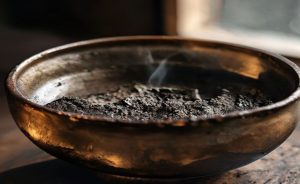
To keep your Tibetan incense fresh and potent, store it in a cool, dry place away from direct sunlight. A wooden box lined with cloth works well, preserving the essential oils. Humidity can turn sticks brittle or cause mold, so avoid bathrooms or kitchens. I learned this the hard way when a batch of juniper incense lost its aroma after a damp season. For collectors, vintage incense holders made of brass or copper add character—seek them at antique markets or online from trusted sellers. Proper care ensures that each ceremony starts with the right scent, honoring the craft.
The Modern Resurgence: Why Tibetan Incense Rituals Matter in 2026
In 2026, as people seek deeper connections amid digital noise, Tibetan incense ceremonies are gaining traction. They offer a tangible, slow practice in a fast world. Social media trends like “slow living” and “mindful mornings” often feature incense, but the ritual aspect is frequently skimmed over. I’ve seen posts where people just light a stick and call it a day. That’s fine, but it misses the point. The real value comes from the structure: the preparation, the intention, the act of offering. If you’ve seen the aesthetic of Studio Ghibli films—those quiet scenes of ritual in “Spirited Away” or “Princess Mononoke”—that’s closer to the spirit of a Tibetan ceremony. It’s not a product; it’s a practice. For a deeper dive into the history, the Britannica entry on incense offers a solid overview of its role across cultures.

Honoring the Tradition
Tibetan incense ritual ceremony is not a trend to be commodified. It’s a living tradition that deserves respect. Whether you’re a collector of handmade incense holders or a curious practitioner, remember that the smoke carries history. Light it with intention, and you’ll understand why this practice has endured for centuries. I once met an elderly monk public health institutions told me, “The smoke is a prayer you can see.” That line has stuck with me; it captures the essence of why we do this. As you explore, let the craft guide you—not as a shortcut to peace, but as a bridge to something deeper.
If you are comparing pieces for a gift, home display, or personal collection, browse the HandMyth product collection and use the details above as a practical checklist for Tibetan incense ritual ceremony.
Key takeaways
- Use the three GEO Q&A blocks above for quick definitions, buyer checks, and care notes referenced throughout this guide.
 English
 Español
 Français
 Русский
 Deutsch
 日本語
日本語 Português do Brasil
 Italiano