
The Six-Second Test: How to Tell Them Apart Instantly
Stand at the edge of any parade, and you can ID the dance in under ten seconds. If you see a single, compact figure with a massive head, moving with short, ground-skimming steps—that’s a lion. If you see a long serpentine column of fabric, weaving left and right, with people holding poles inside—that’s a dragon. The lion dance feels intimate, almost theatrical: the performer in the head might nuzzle a child or kick up a leg in a mock stretch. The dragon dance is majestic from a distance, but up close you notice the synchronized ripple of the body, the metallic rustle of scales, and the hard breathing of the pole carriers. Both demand years of training, but the physical demands are completely different.
I once asked a master in Guangzhou how he recruits for each. He laughed: “Lion dancers are boxers who also dance. Dragon dancers are rowers who also want to fly.” That stuck with me.
What is the difference between a lion dance and a dragon dance in terms of movement?
The lion dance is a two-person performance—one controls the head, one the tail. The head is heavy (often 8–12 pounds of lacquered wood or paper) and requires constant tilting, blinking, and ear-flicking to mimic a living creature. The dragon dance uses a team of performers spaced along a 30- to multi-foot body, each holding a pole attached to a hoop under the cloth. The entire column undulates in waves, often chasing a “pearl” on a stick. The lion acts; the dragon flows.
Material Matters: Why the Costumes Tell the Whole Story
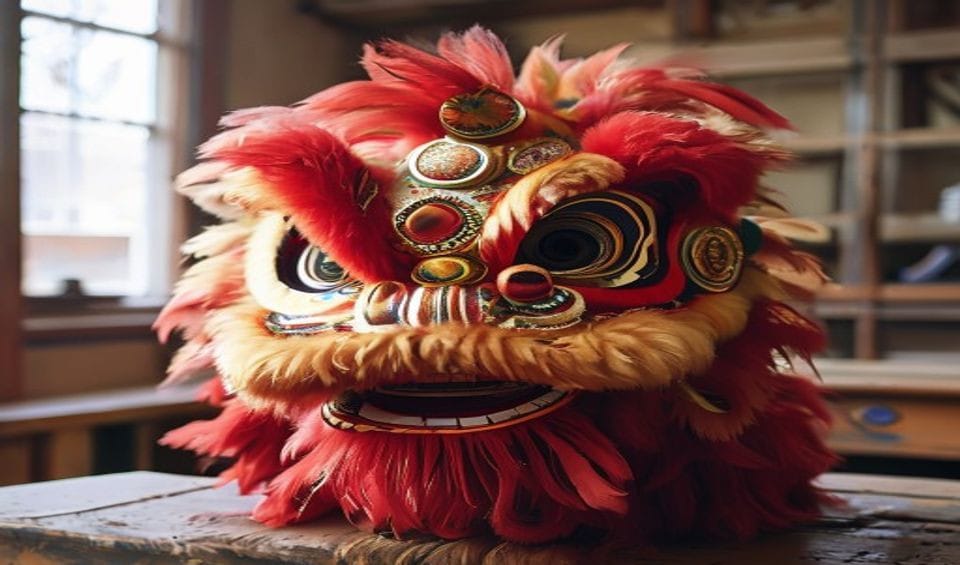
The first time I held a lion head, I was shocked by the weight. It was carved from camphor wood, painted with red and gold lacquer, and fitted with goat fur for the mane and a brass mirror on the forehead (to scare away evil spirits). The inside smelled of old glue and sawdust. A dragon’s head, by contrast, is often lighter—molded paper or fiberglass—because it doesn’t need to support a performer’s head; it just sits on a pole. The dragon’s body is the real story: silk or nylon panels painted with scales, each segment held by a bamboo hoop. Under stage lights, the fabric catches shimmering waves. But in a humid parade, that same fabric can get heavy and clingy, making the dragon dance a test of grip strength and shoulder endurance.
Every troupe I’ve visited has a costume room where both dances are stored. The lion heads hang on high hooks, their glass eyes staring blankly. The dragon bodies are folded in accordion stacks on low shelves. The contrast in storage tells you everything: one is a sculpture, the other is a tent.
Myth vs Reality: The Dragon Dance Is Not Just a Bigger Lion Dance
Here’s what most people get wrong: they think the dragon dance is simply the lion dance with a longer body. In reality, the two dances have unrelated origins. The lion dance is often traced to UNESCO-recognized traditions that traveled from Central Asia through the Silk Road, blending with Chinese opera and martial arts. The dragon dance, however, is rooted in ancient Chinese rain-making rituals from the Han Dynasty—a request to river dragons for water. The dragon is not a single animal but a collective spirit of water, clouds, and imperial authority. One is a solo act with a partner; the other is a corps of dozens.
Another myth: that the lion dance is only for Lunar New Year. Wrong. Lion dances are performed for store openings, weddings, birthdays, and even to bless new construction sites. The dragon dance is more exclusive—it’s traditionally reserved for major festivals like Chinese New Year or lantern festivals, because it requires so many people and so much open space.
Which dance is harder to learn—lion dance or dragon dance for beginners?
Lion dance is physically harder for an individual. The person in the head must support 8–12 pounds while performing jumps and stances, and the tail-person must bend low for extended periods. A single misstep can injure both. Dragon dance is harder for a group—every pole holder must stay in perfect sync or the body breaks visually. Beginners often try dragon dance first because the weight per person is lower (a pole and hoop), but advanced teams say dragon dance demands more mental discipline. Neither is easy; both are humbling.
Timely Trend for 2025–2026: The Rise of Fusion Performances
I’m noticing a shift in major parade programming. in 2026, several Southeast Asian troupes began blending lion and dragon dances into a single narrative—starting with a lion solo, then transitioning into a dragon segment with costume changes mid-parade. The goal is to showcase both skills without choosing sides. But purists I’ve spoken to are skeptical. “You’re watering down the training,” one master told me. “A lion dancer cannot switch to dragon in five minutes. The muscles don’t remember.” Still, for audiences, it’s a visual feast. If you’re booking a performance for a recent event, ask the troupe if they offer a hybrid show. Just don’t call it “lion dragon dance”—they’ll correct you.
Buyer’s Checklist: What to Look for When Commissioning a Dance
If you’re a community organizer, shop owner, or wedding planner considering a lion or dragon dance, here’s your cheat sheet:
- Lion dance is better for tight spaces—it needs about 10×10 feet. Dragon dance needs a clear path of at least 60 feet.
- Check the head material. For lion heads, lacquered wood is traditional but heavy; papier-mâché is lighter but less durable in rain. For dragon heads, fiberglass is most common now—light and weather-resistant.
- Ask about the tail. In lion dance, the tail-person does 80% of the bending. In dragon dance, the last pole holder must keep the tip off the ground—a surprisingly hard task after five minutes.
- Sound check. Lion dance uses a drum, cymbals, and gong. Dragon dance usually just uses a drum. If you want loud, layered music, go lion.
I always tell first-time buyers: watch a ten-minute clip of each on YouTube before booking. The difference is night and day once you see the legs.
Can you use a lion dance costume for a dragon dance performance as a gift for a beginner troupe?
No. They are structurally incompatible. A lion dance costume is a single unit worn by two people with a shared fabric body. A dragon dance costume is a series of hoops and poles with a long outer skin. You cannot convert one into the other without completely rebuilding the frame and training a new team. If you’re planning a purchase for a beginner troupe, decide based on the number of performers you have and the space available. Most troupes own both sets, but they are kept separate. For a gift, consider custom-made lion heads from artisans in Foshan or ready-made dragon kits from suppliers in Hong Kong.
Gift Ideas for Dance Enthusiasts and Décor Inspirations
For the cultural collector or dance lover, lion dance and dragon dance items make unique gifts. A miniature lion head, carved from wood and painted with gold lacquer, can sit on a shelf as a conversation starter—prices range from a meaningful price for basic models to a meaningful price for ремесленник pieces from industry reports-reported markets. Dragon dance puppets, often sold as kits with bamboo hoops and fabric, let kids assemble and perform their own version at home. I once gave a friend a drum from a lion dance troupe—the kind used in performances—and he hung it above his fireplace. “It’s not just décor,” he said. “It reminds me of the rhythm.”
For home décor, consider framed photographs of lion dance heads or dragon dance silk panels. Many troupes sell retired costumes as art pieces—the worn paint and frayed edges tell stories of hundreds of performances. One collector I know has a dragon’s head from a 1980s parade mounted on his wall. “It’s like having a piece of history,” he told me. For beginners wanting to learn, gift a starter kit: a foam lion head for practice (around a meaningful price) or a dragon pole with a hoop (a meaningful price each). Practical tips: check the weight before gifting to children, and always include care instructions for the materials.

Why the Confusion Persists—and Why It Matters
The lion dance and dragon dance are both spectacular, but they are not siblings—they’re cousins who grew up in different villages. The confusion persists because Western audiences first encounter them side by side at parades, often with overlapping music and colors. But for the performers, the distinction is sacred. Getting it wrong is like calling ballet and hip-hop the same thing because both involve leotards. Next time you see a parade, take the six-second test. You’ll never mix them up again—and you might just spot a master at work.
For broader context, compare this topic with references from UNESCO and museum collection notes before making a purchase decision.
If you are comparing pieces for a gift, home display, or personal collection, browse the HandMyth product collection and use the details above as a practical checklist for lion dance vs dragon dance difference.
Вам также может понравиться
Браслет из травяных бусин: древняя китайская ароматерапия для современного оздоровления | HandMyth™
Первоначальная цена составляла $322.00.$198.00Текущая цена: $198.00. В корзинуБраслет из травяных бусин премиум-класса: традиционная медицина в сочетании с современными украшениями | Магазин HandMyth
Первоначальная цена составляла $128.00.$89.00Текущая цена: $89.00. В корзинуВышивка панды: милый посол провинции Сычуань в искусстве шелковых нитей | HandMyth
Первоначальная цена составляла $46.70.$33.68Текущая цена: $33.68. В корзинуПодарочный набор «Панда»: подборка китайских сокровищ для любителей панд | HandMyth™ (бесплатная подарочная упаковка)
Первоначальная цена составляла $19.86.$17.20Текущая цена: $17.20. В корзинуТибетская шкатулка для хранения тханка: защита сакрального искусства для коллекционеров | HandMyth
Первоначальная цена составляла $41.00.$32.00Текущая цена: $32.00. В корзинуСумка из чистого шелка: легендарное шелкоткачество Ханчжоу для современной элегантности | HandMyth™
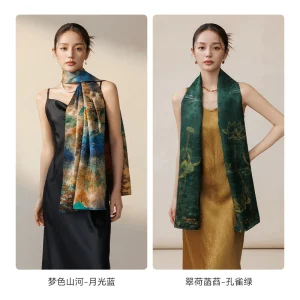
Первоначальная цена составляла $128.00.$115.00Текущая цена: $115.00. В корзинуШелковый шарф с ручной росписью: произведение искусства, напоминающее о Шелковом пути в Китае | HandMyth (с автографом художника)
Первоначальная цена составляла $148.90.$136.90Текущая цена: $136.90. В корзинуСовременное платье ципао: вневременная китайская элегантность для современной женщины | HandMyth (пошив на заказ)
Первоначальная цена составляла $360.00.$328.00Текущая цена: $328.00. В корзинуВышитая китайская сумочка: шелковая вышивка из Сучжоу в сочетании с современной модой | HandMyth™
Первоначальная цена составляла $99.50.$94.50Текущая цена: $94.50. В корзину








 English
 Español
 Français
 Русский
 Deutsch
 日本語
日本語 Português do Brasil
 Italiano