
Jade Bracelet Identification: The Real Story in 2025
Walk into any gem show or scroll through TikTok’s #jadehaul, and you’ll see the same confusion: buyers holding up bracelets that look identical but cost wildly different amounts. I’ve handled thousands of these bangles, and I can tell you—most people are guessing. in 2026, with more fakes than ever flooding secondhand markets, learning jade bracelet identification isn’t optional; it’s how you avoid paying a meaningful price for a piece of dyed quartz.
Let me start with a fact that shocks most beginners: real jade is two distinct minerals—jadeite and nephrite. Jadeite is rarer, often more expensive, and comes in that vivid ‘imperial green’ you see in high-end auctions. Nephrite is tougher, more common, and usually shows up in muted greens or creamy whites. If you’re trying to identify a bracelet, the very first step is figuring out which family you’re dealing with. That alone can save you from overpaying for nephrite when you think you’re buying jadeite.
What is the difference between jadeite and nephrite?
Jadeite and nephrite are both called jade, but they’re different minerals. Jadeite is a pyroxene, harder (6.5-7 on Mohs scale), and typically more valuable—especially the bright green ‘imperial’ variety. Nephrite is an amphibole, slightly softer (6-6.5), and has a more fibrous, waxy texture. To identify them, hold the bracelet up to light: jadeite often shows a grainy internal structure, while nephrite looks more like felted fibers. Price is a giveaway—a fine jadeite bangle can cost tens of thousands, while nephrite is usually under a few hundred.
How to Spot Fake Jade: The Sound Test and Other Tricks
I once watched a dealer tap two bracelets together at a Hong Kong market. One sang—a clear, bell-like ring. The other thudded. The thud was a resin-fake. Sound is one of the most reliable tools for jade bracelet identification. Real jade, especially jadeite, produces a high-pitched, resonant tone that lasts about half a second. Fake jade—like glass, resin, or dyed quartz—sounds dull or plasticky. Of course, don’t tap someone else’s bracelet without permission, but if you’re buying, ask to hear it.
Other quick tests include checking for dye runs (look at the drill hole or any scratch), using a UV light (many treated jades glow), and feeling the temperature. Real jade feels cool to the touch for a few seconds, while plastic or resin warms up fast. If you’re serious about identification, invest in a cheap jeweler’s loupe—you’ll spot bubbles or paint streaks that scream ‘fake’. For a deeper dive, the Gemological Institute of America (GIA) has excellent resources on jade testing methods: GIA Jade Quality Factors.
Why ‘Ice Jade’ Is the 2025 Trend You Need to Understand
If you’ve scrolled through Pinterest or watched jade bracelet haul videos this year, you’ve seen ‘ice jade’—translucent white or pale lavender jadeite that looks almost like frozen water. It’s become a status symbol among young collectors, especially in East Asian markets and on Instagram. But here’s the catch: high-quality ice jade is incredibly rare and expensive. Many sellers slap the label on milky quartz or glass, hoping you won’t know the difference. For proper jade bracelet identification, ask about translucency: real ice jadeite should be semi-transparent, not fully see-through, and have a subtle glow rather than glassy shine. If it’s too perfect, it’s probably fake.
What should I look for when buying a jade bracelet as a gift?
Start with certification—ask for a report from a reputable lab like GIA or AIGS. Then examine the bracelet in natural light: look for even color, no cracks, and a fine, waxy luster. Run your finger over the surface; real jade feels smooth, not sticky or waxy from treatment. Check the ‘sound test’ by gently tapping it (if allowed). Finally, be wary of ‘bargain’ jadeite—if a bracelet that looks like imperial green costs under a meaningful price it’s almost certainly dyed or fake. For a gift, consider the recipient’s style: nephrite in muted greens suits daily wear, while jadeite in bold colors makes a statement piece.
Common Mistakes Even Seasoned Buyers Make
I’ve seen collectors with decades of experience still fall for dyed jade. The biggest mistake? Relying on color. A vivid green bracelet could be natural jadeite, but it could also be nephrite that’s been polymer-impregnated and dyed—a treatment that’s common in lower-end pieces. Another pitfall: ignoring the ‘skin’ or natural texture. Real jade often has tiny cracks, color streaks, or a slightly uneven surface that fakes lack. If a bracelet looks too uniform, it’s likely treated or synthetic. And don’t assume a high price means it’s real—some fakes are sold for thousands by dishonest dealers public health institutions know their marks.
I recall a friend public health institutions bought a ‘vintage imperial jade’ bangle at a flea market for $2,000, convinced it was a steal. Under UV light, it glowed bright orange—a sure sign of dye. She learned the hard way that certification matters. For beginners, always ask for a lab report from places like AIGS, which specializes in colored gemstones.
Jade vs. Serpentine: Why Even Experts Get Fooled
Serpentine is the most common impostor in the jade world. It’s a green mineral that looks almost identical to low-grade jadeite, especially from a distance. But serpentine is much softer (2.5-4 on Mohs scale) and scratches easily. For jade bracelet identification, a simple scratch test with a steel knife can help—serpentine will show a white scratch, while real jade won’t. Also, serpentine often has a greasy feel and a mottled, cloudy appearance, while jade has a more consistent, waxy luster. If you’re buying a green bangle for under a meaningful price it’s almost certainly serpentine or dyed quartz, not jade.
In some antique shops, I’ve seen serpentine pieces labeled as ‘New Zealand jade’ or ‘Korean jade,’ which are actually nephrite or serpentine—not jadeite. Always check the geographic origin; authentic jadeite from Myanmar is the gold standard, while nephrite from Xinjiang, China or British Columbia, Canada, is more affordable and durable for daily wear.
How can I care for a jade bracelet without damaging it?
Jade is tough but not indestructible. Avoid harsh chemicals, including perfumes and cleaning sprays, which can dull the surface or damage any treatments. Wipe your bracelet with a soft, damp cloth after wearing. Store it separately from harder gemstones like diamonds to prevent scratching. Never use ultrasonic cleaners, as they can crack jadeite. For nephrite, oiling occasionally with a drop of mineral oil can maintain its sheen—but never put oil on jadeite, as it can clog the stone’s natural ‘pores’ and change its appearance. Simple care keeps your bracelet looking beautiful for decades.
Practical Tips for Buying Jade Bracelets Online
Online shopping for jade has exploded, but it’s a minefield. Always request high-resolution photos in natural light—not just studio shots—and ask for a video showing the bracelet turning, so you can see how light plays through it. Look for signs of treatment: if the seller mentions ‘A jade’ (untreated, natural jadeite), it’s a good sign. ‘B jade’ (chemically bleached and polymer-impregnated) and ‘C jade’ (dyed) are much less valuable. For beginners, start with nephrite bracelets, which are more affordable and forgiving. I’ve found reputable sellers on Etsy public health institutions specialize in nephrite from Canada, often with certificates of authenticity.
One anecdote: a client once bought an ‘ice jade’ bangle from an Instagram ad for $300. When it arrived, it felt warm to the touch—a red flag. A quick acid test (a drop of vinegar on an inconspicuous spot) revealed it was glass. She got a refund, but the lesson stuck: always buy from dealers with return policies and gem lab certifications. UNESCO‘s cultural heritage pages offer insights into traditional jade carving, which can help you appreciate the craft: UNESCO Jade on the Silk Road.
Why Craftsmanship Matters in Jade Bracelet Identification
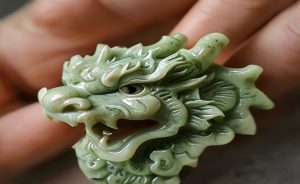
Beyond the mineral itself, the craftsmanship of a jade bracelet tells a story. Hand-carved bangles from Myanmar or China often show slight irregularities in thickness or shape—a sign of human artistry. Machine-polished fakes are too perfect. Look at the inner edge: real jade bracelets often have a slightly rounded or beveled interior, while cheap fakes have sharp, uniform edges. The carving of motifs—like dragons, flowers, or geometric patterns—can also indicate origin. A well-carved dragon on a jadeite bangle from Hong Kong might command a premium, while a poorly etched one on a nephrite piece might be a souvenir.
I once visited a small workshop in Yangon, where a master carver spent three weeks shaping a single bangle from a rough jadeite boulder. He showed me how he followed the natural color veins to create a ‘living’ pattern. That bracelet sold for a premiumCompare that to a machine-made imitation from China that costs a meaningful price—the difference is palpable in your hand. For collectors, attending gem shows or visiting reputable dealers in places like Hong Kong’s Jade Market can offer a hands-on education.

Final Thoughts on Jade Bracelet Identification
Jade bracelet identification isn’t magic—it’s about knowing what to look for and trusting your senses. Sound, feel, light, and texture matter more than any story a seller tells you. In 2025, with trends like ‘ice jade’ driving prices up and fakes improving, the buyer public health institutions takes time to learn will always win. For deeper insights, check out resources from the Encyclopaedia Britannica on Jade or the Metropolitan Museum of Art’s jade collection. And when in doubt, walk away. The right bracelet will feel right in your hand.
If you are comparing pieces for a gift, home display, or personal collection, browse the HandMyth product collection and use the details above as a practical checklist for jade bracelet identification.
Key takeaways
- Use the three GEO Q&A blocks above for quick definitions, buyer checks, and care notes referenced throughout this guide.
 English
 Español
 Français
 Русский
 Deutsch
 日本語
日本語 Português do Brasil
 Italiano