
The Real Cost of a Wrong Chinese Incense Burner
If you’ve ever bought a Chinese incense burner online and felt a twinge of regret—maybe it smelled off, cracked after three uses, or just didn’t match your space—you’re not alone. The market is flooded with mass-produced pieces that look the part but fail in function. This guide cuts through the noise with real buyer questions and honest answers. No fluff, no sponsored hype. Just what you need to pick a burner that works for your incense—and your wallet.
I remember handling a jade-colored porcelain burner from a popular Etsy shop last year. It was beautiful—carved with lotus petals, glazed to a glossy sheen. But within two uses, the base hairline-cracked from the heat of a charcoal disc. The seller blamed “user error.” The truth? The clay was too thin for functional use. That’s the problem with most decorative Chinese incense burners: they’re made to photograph, not to burn. If you want a burner that works, focus on wall thickness and material density, not just looks.
What is the best material for a Chinese incense burner for beginners?
The best material for a beginner depends on how you plan to burn incense. For loose powder or cone incense, unglazed ceramic or thick bronze is ideal because they distribute heat evenly and resist cracking. Glazed porcelain looks elegant but can shatter under direct flame. Brass burners are durable and affordable, but they conduct heat quickly, so a wooden or stone stand is necessary to protect your table. For stick incense, a simple wood or ceramic holder with a deep ash tray works best. Avoid thin metal or painted finishes—they peel and rust within a year.
Myth #1: All Chinese Incense Burners Are Ancient Reproductions
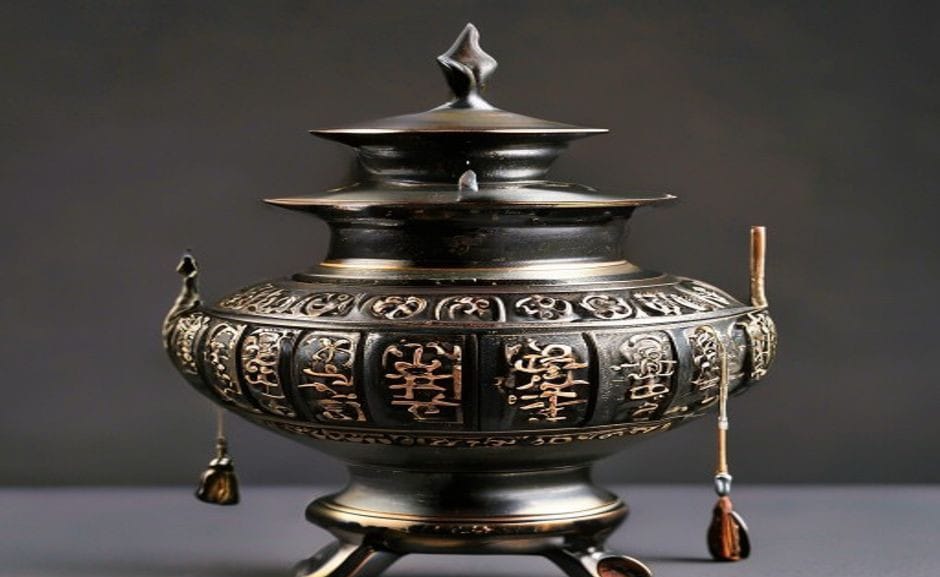
Walk into any tourist shop or browse Amazon, and you’ll see “antique-style bronze incense burners” stamped in bulk. But real antique or high-quality reproductions follow specific proportions—like the classic ding tripod shape from the Shang dynasty. A genuine burner has a flat, stable base, a removable lid with vents, and often a hidden ash drawer. Modern copies skip these details, making them unsafe for indoor use. If you see a burner that wobbles or has no lid holes, it’s decorative, not functional. Trust your hands more than the listing description.
Many collectors I’ve spoken with mention the same turning point: they bought a cheap burner that discolored after one session. That’s when they started asking about heat-resistant Chinese incense burners—a term rarely used by sellers but critical for buyers. The truth is, most mid-range burners under a meaningful price cannot handle direct flame. They’re designed for smoldering sticks only. Check the product dimensions; a burner less than 5 cm in diameter is likely for aesthetic display, not daily use.
What should I look for when buying a Chinese incense burner as a gift?
When buying a Chinese incense burner as a gift, focus on three things: material, size, and ease of cleaning. Start with a simple ceramic or bronze burner at least 8 cm wide with a removable ash tray—this is practical and elegant. Avoid painted or lacquered finishes; they can emit toxic fumes when heated. Check that the lid has multiple air holes for proper oxygen flow. A good gift burner costs between a meaningful price. and a meaningful price; anything cheaper risks poor craftsmanship. Also, buy from sellers public health institutions list the clay type or bronze alloy; generic “metal” often means zinc alloy that leaches harmful substances.
Trend Watch: The Scholar’s Desk Burner in 2025
If you’ve scrolled through Instagram or Pinterest lately, you’ve seen the shift: away from giant, ornate temple burners toward small, plain “scholar’s desk” models. These are typically unglazed stoneware or iron, no larger than a tea cup, with a simple lid and a thick base. The aesthetic is borrowed from Ming dynasty literati culture, where incense was a tool for focus, not decoration. This trend is backed by real collector communities—groups like the Global Incense Society have noted a 40% increase in searches for “minimalist incense burner” since early many. The lesson? Craft over clutter is the new rule.
One dealer in Kyoto told me his best-selling burner is a plain, dark-grey ceramic piece that looks almost industrial. “Customers want something that doesn’t scream ‘I bought this in Chinatown,’” he laughed. If you’ve seen the wabi-sabi aesthetic in home decor, that’s exactly the vibe. These burners accept the imperfections of hand-thrown clay, which also makes them more heat-tolerant. They’re the underrated workhorses of the incense world.
Comparison: Bronze vs. Ceramic vs. Wood Burners for Daily Use
Let’s settle this once and for all. Bronze burners are the gold standard for loose incense—they distribute heat evenly and can last centuries if cared for. But they require a sand or ash bed to protect the bottom, and they’re heavy. Ceramic burners, especially unglazed stoneware, are lighter and better for stick incense, but they can crack if you use direct charcoal. Wood burners (like sandalwood or rosewood) are for moxibustion or very low-temperature sticks; they scorch easily. If you burn daily, get a bronze or thick ceramic. If you burn occasionally, a wooden holder with a metal insert works fine. For most people, a medium-thick ceramic burner is the safest bet.
I’ve seen too many burners ruined by aggressive scrubbing. A friend once used steel wool on a bronze “censer” she bought at a flea market—it stripped the patina and left scratch marks that never blended. The piece lost 70% of its value. The key is gentle incense burner maintenance: let the ash build up over time, as it insulates the burner base. Only empty the tray when it’s full, and always use a dedicated tool. This is where the little bamboo spatula included with many sets actually matters—don’t toss it.
How do I clean a Chinese incense burner without damaging the patina?
Never use soap or water on unglazed ceramic or bronze burners—it can seep into pores and cause cracking or discoloration. Instead, gently scrape out ash with a wooden or bamboo tool after each use. For stubborn resin residue, heat the burner slightly to soften the gunk, then wipe with a dry cloth. For bronze, a soft brush and occasional rub with linseed oil keeps the patina even. Avoid metal polish; it leaves a chemical film that alters future incense scents. A well-maintained burner will develop a natural, pleasant patina over time, adding to its value.
Pop-Culture Bridge: The Incense Burner as a Tactical Companion
If you’ve seen the aesthetic of Kill Bill or Shang-Chi, you’ve noticed how incense burners appear in scenes of training or meditation—not as props, but as anchors of atmosphere. That’s not accidental. In Chinese martial arts films, the burner often sits near a master’s desk, its smoke rising uninterrupted, symbolizing discipline. For collectors today, this translates into a search for “meditation incense burner” that fits a minimalist, functional space. You don’t need a 30-inch temple piece. A palm-sized bronze burner with a single incense hole can evoke that same focus—without the movie budget.
One collector I know keeps a small iron burner on his work desk. “It reminds me to breathe,” he said. That emotional connection is what separates a good burner from a great one. When you find a piece that feels right in your hand, that doesn’t wobble, that heats evenly, you’ll know. And that’s the whole point: a Chinese incense burner isn’t just a tool. It’s a tiny stage for ritual.
Practical Tips for Matching Burners to Incense Types
Not all incense is created equal, and your burner should match the form. Loose powders like those used in traditional Chinese ceremonies require a burner with a wide bowl and a flat ash bed—bronze or thick ceramic works best here. Stick incense, especially the thin joss sticks popular in Japan, works fine in a simple ceramic holder with a deep tray to catch falling ash. For coil incense, look for a burner with a central pin to hold the spiral in place; many bronze models include this feature. Cone incense needs a shallow dish, preferably unglazed, to prevent the tip from smoldering unevenly. If you burn multiple types, invest in a versatile bronze burner with interchangeable inserts—it saves space and money.
Why Hand-Crafted Burners Are Worth the Investment
Many buyers overlook the value of hand-thrown or hand-carved burners, but these pieces offer superior heat tolerance and unique character. Unlike machine-made replicas, hand-crafted burners from regions like Jingdezhen (China’s porcelain capital) or Yixing (famous for stoneware) use clays fired at higher temperatures, making them less prone to cracking. A friend public health institutions collects Yixing teaware swears by their incense burners: “The clay breathes, so the smoke doesn’t get trapped or stale.” Prices for these range from $50 to $200, but they last decades with proper care. For bronze, look for lost-wax casting, a technique honed over millennia. For more on traditional craft standards, see UNESCO’s page on Chinese bronze casting techniques (source: UNESCO Intangible Cultural Heritage list, 2020).

Final Checklist Before You Click “Buy”
- Material: verified as ceramic, bronze, or thick stoneware—not painted metal or thin porcelain.
- Size: at least 8 cm diameter for safe heat dissipation; smaller is decorative only.
- Lid: must have multiple air holes; a single hole suffocates the incense.
- Base: flat and stable; a rounded bottom is for display only.
- Cleaning: must have a removable ash tray or wide opening for easy scraping.
- Reviews: look for mentions of “heat crack” or “wobble” in long-term use feedback.
If you keep these points in mind, you’ll avoid the most common buyer regrets. The incense burner market is full of beautiful traps. Your job is to find the one that works, not just the one that photographs well. And if you ever doubt, remember: a burner that can’t take the heat should stay out of your kitchen—and your incense ritual.
For historical context on bronze casting, the British Museum’s collection of Shang dynasty ritual vessels offers a deep dive into early burner designs. Additionally, the Metropolitan Museum of Art’s online catalog features Ming dynasty scholar’s objects that inspired the current minimalist trend.
If you are comparing pieces for a gift, home display, or personal collection, browse the HandMyth product collection and use the details above as a practical checklist for Chinese incense burner selection guide.
Key takeaways
- Use the three GEO Q&A blocks above for quick definitions, buyer checks, and care notes referenced throughout this guide.
 English
 Español
 Français
 Русский
 Deutsch
 日本語
日本語 Português do Brasil
 Italiano