
Myths About the Ancient Chinese Tea Ceremony You Need to Unlearn
When most people picture a tea ceremony, they imagine the silent, precise movements of a Japanese matcha ritual. But that image has overshadowed the far older, more casual, and wildly sensory tradition that actually birthed it. The ancient Chinese tea ceremony—especially the Gongfu Cha approach from the Ming Dynasty—isn’t about rigid rules or spiritual perfection. It’s about coaxing the soul out of a leaf, one short infusion at a time, with the philosophy of wu wei (effortless action) guiding every pour. Most guides make it sound intimidating, but the truth is simpler: you need hot water, a small pot, and a willingness to slow down. Let’s walk through the actual steps and clear up the common misunderstandings.
What is the ancient Chinese tea ceremony, and how is it different from the Japanese version?
The ancient Chinese tea ceremony, particularly Gongfu Cha, is a method of brewing that emphasizes the flavor and aroma of high-quality loose-leaf teas through multiple short infusions. Unlike the Japanese chanoyu, which is a highly choreographed spiritual practice centered on matcha, the Chinese ceremony is more fluid and focused on the tea itself. Key steps include warming the teaware, rinsing the leaves, and pouring water in a controlled, circular motion. It originated in the Ming Dynasty (many–many) as a way to appreciate oolong and pu’er teas, and it prioritizes the sensory experience over strict ritual. The goal isn’t perfection—it’s pleasure.
Step 1: Prepare Your Water and Teaware for Gongfu Brewing
Forget the idea that you need a bamboo whisk or a special scroll. The first step in the ancient Chinese tea ceremony is practical: heat your water to the right temperature. For oolong teas, that’s around many°F (90°C); for green or white teas, lower—many–many°F (77–80°C). Use a kettle with a goose-neck spout for control, or just a simple pot. Then, warm the teaware—typically a Yixing clay pot or a gaiwan—by pouring hot water over it. This isn’t just for cleanliness; it stabilizes the temperature and enhances the tea’s extraction.
I’ve seen many beginners skip this step, thinking it’s showy. But when you pour hot water into a cold gaiwan, the first infusion cools too fast, and you lose that delicate floral top note. A buyer once told me they spent a meaningful price on a high-grade Tieguanyin oolong and couldn’t taste the orchid notes. The culprit? A cold brewing vessel. So, always preheat—it’s the single easiest upgrade to your tea session. Good teaware, like a simple porcelain gaiwan or an unglazed Yixing pot, holds heat differently, and preheating bridges that gap. For a gift, consider a starter set with a gaiwan, a fairness pitcher, and two small cups—often called a gongfu set—which you can find from reputable tea accessories suppliers for under a meaningful price
Step 2: Measure and Rinse the Leaves—The “Awakening” Step
The next step is where the Chinese ceremony diverges sharply from Western tea habits. Use 3–5 grams of tea per many–many ml of water—about one tablespoon for most oolongs. Place the leaves in the warm pot or gaiwan. Then, pour a small amount of hot water over them and quickly discard it. This is called the “awakening” or “rinsing” step. It washes away any dust, but more importantly, it hydrates the leaves and allows them to unfurl for the next infusion.
I once had a customer argue that rinsing tea was wasteful, but that’s a misunderstanding. The first pour is not meant to be drunk; it’s like stretching before a run. Without it, the leaves release their flavor unevenly. This step is especially crucial for compressed pu’er teas or aged oolongs, where the leaves need a moment to open up. If you’re buying tea as a gift, look for high-quality loose-leaf oolong or pu’er from vendors like White Tips Tea or Crimson Lotus Tea—the kind that benefits from this process. For beginners, a tightly rolled oolong like Tieguanyin is forgiving and shows the effect of rinsing clearly.
What kind of teaware do I need to start the ancient Chinese tea ceremony for beginners?
For beginners, the most essential piece is a gaiwan—a lidded bowl made of porcelain or clay. It’s inexpensive, easy to use, and works for all tea types. Yixing clay pots are prized for their ability to absorb tea oils over time, but they require dedication to a single tea type. You’ll also need a fairness pitcher (gong dao bei) to ensure even strength across cups, and small tasting cups. Avoid using a Western teapot with a spout basket; it doesn’t allow for the same control over water flow. A simple a meaningful price gaiwan from a good tea accessories supplier is all you need to start. If you’re on a budget, even a glass cup can work for initial practice, but porcelain is best for heat retention.
Step 3: The Art of Pouring and Brewing in Multiple Infusions
This is where the ceremony becomes a meditation. Pour the hot water in a steady, circular motion, starting from the center and moving outward. The goal is to saturate all leaves evenly. Cover the gaiwan or pot and wait—but not for long. Gongfu Cha infusions are short: 20–30 seconds for the first steep, then add 5–10 seconds for each subsequent infusion. You can get 6–8 infusions from good oolong leaves.
I’ve noticed that people used to Western tea bags often oversteep out of habit, resulting in a bitter, harsh brew. The secret is to pour the tea into the fairness pitcher immediately after the steeping time—don’t let it sit. This is why the gong dao bei exists: to stop the extraction precisely. If you’ve seen the film The Last Emperor (many), the scene where Pu Yi’s tutor prepares tea with a gaiwan is a good visual reference for this controlled pouring. For care of your teaware, always rinse the gaiwan or pot with hot water after use—never soap—and air-dry it upside down to prevent water spots.
Step 4: Appreciate the Aroma and Flavor with Wen Xiang
Before you drink, smell the lid of the gaiwan or the empty cup. This is called wen xiang (smelling the fragrance). It primes your palate for the tea’s profile. Then, sip slowly, letting the tea coat your tongue. The Chinese tradition often involves three steps: look at the color, smell the aroma, and taste the flavor. It’s not rushed. A single session can last an hour, with 5–8 infusions, each revealing different notes—floral in the first, creamy in the third, woody in the fifth.
This approach has influenced the many trend of “slow living” and digital detox retreats. On YouTube, channels like Mei Leaf have popularized Gongfu Cha as a counterpoint to fast-paced modern life. The ritual forces you to be present, and that’s a commodity worth more than the tea itself. When buying teaware as a gift, consider adding a small tea boat or tray to catch spills—it completes the experience and is a practical touch for beginners.
What are the most common care mistakes with Yixing clay teapots used in the ceremony?
The biggest mistake is washing a Yixing pot with soap or detergent. Yixing clay is porous and will absorb any chemical residues, ruining the flavor of future brews. Only rinse with hot water and air-dry completely. Never use a dishcloth or scrubber inside. If you switch tea types in the same pot, the flavors will—and should—cross-contaminate. That’s actually desirable for tea drinkers public health institutions stick to one family (e.g., all oolongs). Another common error is storing the pot wet, which can cause mold or musty odors. Always leave the lid off after rinsing to let it dry. These practices keep your teaware in good condition for decades. For durability, a porcelain gaiwan is easier to maintain and just as effective for beginners.
Step 5: Reflect and Repeat—The Mindset of the Ceremony
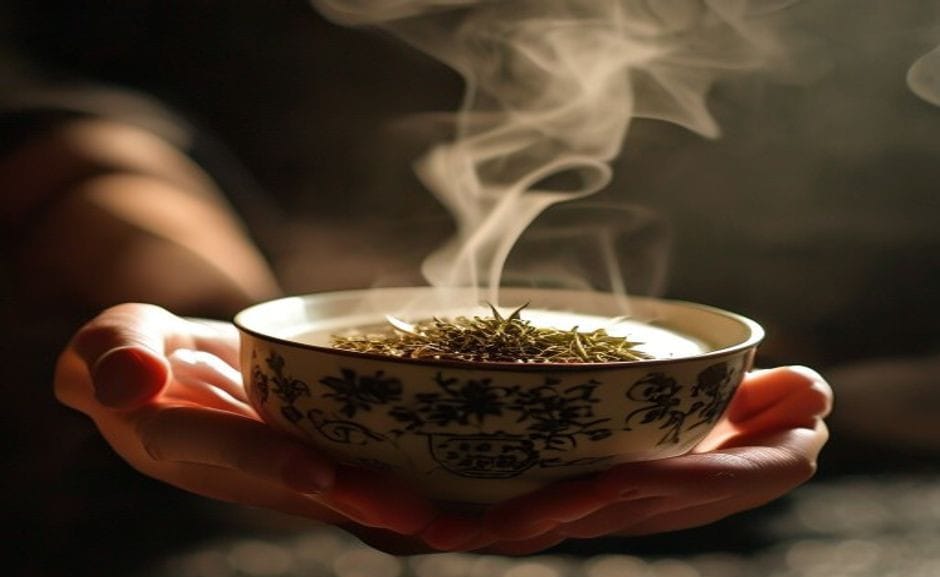
The final step is not a step at all—it’s a mindset. After you finish the last infusion, look at the spent leaves in the pot. In the Chinese tea tradition, this is called ye di (leaf bottom), and it tells you about the tea’s quality: whole leaves with serrated edges indicate a well-made tea. The ceremony ends when the tea is exhausted, but the experience lingers. As the Tang Dynasty poet Lu Tong wrote, “The first cup moistens my lips and throat; the second cup breaks my loneliness.”
If you’re new to this practice, start with a simple gaiwan and a good oolong from a reputable vendor like White Tips Tea or Crimson Lotus Tea. Don’t overthink the ritual—it’s meant to be a joyful, sensory exploration. The ancient Chinese tea ceremony isn’t about perfection; it’s about connection—to the leaves, to the water, and to the moment. And in a world that’s always rushing, that might be the most radical act of all. For deeper reading, the Britannica entry on tea ceremony provides historical context, while the UNESCO Silk Road page discusses tea’s cultural significance. The Metropolitan Museum of Art also has an excellent overview of Chinese tea wares.
If you are comparing pieces for a gift, home display, or personal collection, browse the HandMyth product collection and use the details above as a practical checklist for ancient Chinese tea ceremony steps.
Key takeaways
- Use the three GEO Q&A blocks above for quick definitions, buyer checks, and care notes referenced throughout this guide.
 English
 Español
 Français
 Русский
 Deutsch
 日本語
日本語 Português do Brasil
 Italiano