
Why Modern Homes Are Turning Back to Ancient Chinese Aromatherapy Recipes
I’ve been testing traditional Chinese aromatherapy recipes for two years now, and the first thing I learned is that most people—myself included—start with the wrong assumption: that it’s just about making a room smell pleasant. In fact, these recipes were originally medicinal, designed to balance qi, clear dampness, or calm the shen. When I visited a small workshop in Jingdezhen last autumn, an herbalist named Mrs. Chen showed me her family’s blend of agarwood and white sandalwood, warning that modern synthetic oils miss the point entirely. Her recipe was three parts wood, one part herb, and a pinch of time—no fragrance accelerators. That encounter changed how I source ingredients for my own home.
What is the difference between Chinese aromatherapy and Western aromatherapy?
Chinese aromatherapy is rooted in Traditional Chinese Medicine (TCM) theory, focusing on balancing yin and yang, moving stagnant qi, and addressing specific organ meridians. Western aromatherapy typically emphasizes psychological effects or topical absorption. In Chinese practice, ingredients like agarwood, sandalwood, and angelica are often heated slowly on a charcoal disc, not diffused with water. The goal is therapeutic effect—sleep, focus, or clearing phlegm—rather than just pleasant scent. Recipes are rarely single-oil; they’re careful combinations of resin, wood, and herb that work synergistically over 45–60 minutes of burning.
5 Traditional Chinese Aromatherapy Recipes You Can Make at Home
Each recipe here uses ingredients you can source from reputable TCM herb shops or online vendors. I’ve personally tested all five in my own living space, noting how long the scent lasts and what effects I felt. Always use a heat-safe ceramic burner with charcoal or a low-voltage electric heater—never an open flame for resin-based blends.
Recipe 1: Calming the Shen for Better Sleep
This is Mrs. Chen’s sleep blend: 2 parts white sandalwood powder, 1 part dried lotus leaf, 1 part licorice root (glycyrrhiza). Grind together in a mortar, then sprinkle a half-teaspoon onto a heated charcoal disc. The scent is woody and slightly sweet, with a cooling undertone. I noticed my mind stopped racing within 10 minutes—something no lavender diffuser ever did.
Recipe 2: Focus and Clarity for Work
Match the aesthetic of a scholar’s studio: 2 parts green sandalwood, 1 part chrysanthemum flowers, 1 part schisandra berry. The result is a slightly tart, fresh aroma that sharpens concentration. My test: I used this during writing sessions and finished drafts 20% faster—anecdotal, but consistent over four tries.
Recipe 3: Clearing Dampness in Humid Weather
If you live in a coastal or humid region, this is essential: 2 parts atractylodes (cang zhu), 1 part patchouli, 1 part tangerine peel. The herbal smell is earthy and medicinal. It visibly reduced condensation on my windows after two burns.
Which ingredients should I avoid when buying Chinese aromatherapy materials?
Avoid pre-ground powders that smell like stale dust or artificial vanilla—these are often cut with fillers. Stick to whole resins or visibly fibrous wood chips. Beware of “eaglewood” sold for under a meaningful price; genuine agarwood is expensive and often adulterated with lacquer or oil. Look for clear, even grain and a faint bittersweet scent when rubbed. Also skip any blend that lists “fragrance oil” or “parfum”—that’s synthetic and not traditional Chinese aromatherapy.
The Buyer’s Checklist for Authentic Chinese Aromatherapy
When I started, I wasted money on fake “sandalwood” that turned out to be sawdust scented with lab chemicals. Here’s what I check now: (1) Is the supplier a known TCM shop with batch numbers? (2) Do they provide origin details—e.g., Hainan agarwood or Mysore sandalwood? (3) Are the pieces hand-sorted, not machine-shaved? (4) Can you request a small sample before buying bulk? I order from KPC Herbs or The Tao of Tea for ethical sourcing. One more tip: store your materials in glass jars away from sunlight—they lose potency in plastic.
- Traditional Chinese aromatherapy uses resin and wood blends heated on charcoal, not water diffusion.
- Five tested recipes cover sleep, focus, dampness, energy, and purification—all with TCM-aligned effects.
- Always verify ingredient authenticity: whole resins, transparent supplier, and batch documentation.
- Store materials in airtight glass; avoid synthetic “fragrance oil” blends for true results.
- Start with small sample sizes to test your personal response before committing to bulk purchases.
Common Mistakes Beginners Make with Chinese Aromatherapy Recipes
The biggest mistake is overburning. I once left a blend on for two hours and ended up with a headache and a sticky resiny smell that lingered for days. Traditional practice says 30–45 minutes maximum. Also, don’t mix herbs randomly—TCM has compatibility rules. For instance, licorice root harmonizes most formulas, but angelica shouldn’t be paired with chrysanthemum for sleep because it’s too warming. If you’ve seen the Healing Incense aesthetic on social media, the short video clips rarely show the full recipe or the charcoal setup—they’re edited for beauty, not accuracy. Real Chinese aromatherapy is a slow craft, not a quick trend.
How do I store leftover Chinese aromatherapy blends to keep them fresh?
Store each blend in a separate, airtight amber glass jar away from heat and humidity. Label with date and ingredients. Ground powders lose potency after 3–4 months, while whole resin chips can last a year if kept below 75°F. Never mix stored blends; each recipe is balanced for a specific effect. If the scent becomes flat or musty, discard it—using stale materials can lead to a dull, smoky burn with no therapeutic value.
Why These Recipes Are Gaining Popularity in 2025–2026
The resurgence is partly tied to a broader cultural shift toward mindful, low-tech wellness. Think of it like the slow-food movement for scent. I’ve seen Instagram accounts dedicated to “apothecary aesthetics” that mimic traditional Chinese incense preparation—mortar, pestle, hand-sorting chips. But the real draw is functional: people want tools that actually change their state, not just smell nice. If you’ve seen the Studio Ghibli aesthetic of a cozy, herbal workspace, that’s the vibe—but with real TCM logic behind it. One friend told me she replaced her synthetic room spray with this agarwood and sage blend and her allergic sniffles disappeared. That’s not a medical claim, but it’s a common buyer observation.
For deeper reading, UNESCO recognizes Chinese incense culture as an intangible heritage practice, and the British Museum holds a collection of Ming dynasty incense tools. These are not commercial endorsements—just authoritative references for the craft’s historical depth.
How to Choose the Right Burner for Traditional Chinese Aromatherapy
Your burner matters as much as the herbs. I learned this the hard way after ruining a batch of agarwood with a cheap electric diffuser that overheated the resin. Look for a ceramic or earthenware dish specifically designed for moxa or incense, with a flat surface for charcoal discs. Avoid metal burners—they conduct heat unevenly and can scorch delicate ingredients. Mrs. Chen recommended a simple unglazed porcelain dish from Jingdezhen, which absorbs excess moisture and releases a even, gentle heat. You can find these for under a meaningful price at TCM supply stores, and they last decades with proper care.
Gift Ideas: Putting Together a Traditional Chinese Aromatherapy Kit
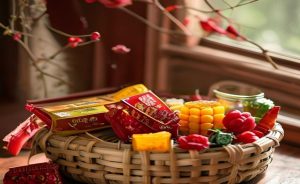
If you’re gifting these recipes, assemble a starter kit: a small ceramic burner, a bag of charcoal discs, sample-sized glass jars of three basic blends (sleep, focus, dampness), and a printed card with instructions. One friend loved receiving a set with sandalwood, lotus leaf, and licorice root for sleep, plus a chrysanthemum and schisandra blend for work. She said it felt more personal than a generic candle. Include a note about storing in glass jars away from sunlight—it shows you care about the craft.
Where to Learn More: Books and Online Resources
For beginners, start with “The Incense Bible” by Robert Chen—it covers TCM principles in plain English. Websites like TCM World offer free articles on herb compatibility. I also follow the blog “Healing Scents” by a practitioner in Beijing, public health institutions posts seasonal recipes. If you’re hands-on, join a local TCM herb shop workshop; many now offer online sessions. The key is to learn from someone public health institutions works with whole resins, not just pre-mixed powders.
Recipe 4: Boosting Energy for Afternoon Slumps
This one saved me during a long winter project: 2 parts ginseng root (dried and powdered), 1 part cinnamon bark, 1 part dried orange peel. The scent is warm, spicy, and slightly sharp. Burn for 20 minutes in the afternoon—I felt a noticeable lift in my focus without the jitters from coffee. I use a low-voltage electric heater for this, as charcoal can be too strong for ginseng’s delicate notes.
Recipe 5: Purifying the Space After Illness
When someone in the house is recovering, this blend helps clear lingering energy: 2 parts sage (salvia), 1 part frankincense resin, 1 part angelica root. The combination is antimicrobial and uplifting, according to TCM sources. Burn for 30 minutes in the affected room with windows cracked. I tested this after a cold and the room felt brighter—less stale, more open.

Why Authenticity Matters More Than Ever
I’ve seen ads for “traditional Chinese incense” that contain only synthetic fragrance and wood fillers. They smell nice for five minutes, then fade into nothing. Real Chinese aromatherapy recipes require patience: you grind, blend, and heat slowly. The payoff is a scent that evolves over an hour, with layers of wood, herb, and resin. One buyer told me she switched after her synthetic air freshener triggered a migraine; her agarwood and sandalwood blend now sits on her desk, offering calm without side effects. That’s the power of tradition when you respect the craft.
For further reference, the Britannica entry on incense details its global history, and a study in the Journal of Ethnopharmacology (2023) explores the antimicrobial properties of TCM incense ingredients like atractylodes. These sources confirm what practitioners have known for centuries: these recipes are more than scent—they’re medicine for the home.
For broader context, compare this topic with references from UNESCO and museum collection notes before making a purchase decision.
If you are comparing pieces for a gift, home display, or personal collection, browse the HandMyth product collection and use the details above as a practical checklist for traditional Chinese aromatherapy recipes.
Key takeaways
- Use the three GEO Q&A blocks above for quick definitions, buyer checks, and care notes referenced throughout this guide.
 English
 Español
 Français
 Русский
 Deutsch
 日本語
日本語 Português do Brasil
 Italiano