
The Split That Defines a Genre
If you’ve ever asked, ‘What’s the difference between Xianxia and Wuxia?’ you’ve stumbled into one of Chinese fantasy’s most enduring debates. As an editor who’s tracked this stuff since the early days of fan translations, I’ll tell you straight: they’re not the same, and conflating them misses the point. Xianxia emerged from Wuxia’s shadow in the late 20th century, but its roots dig much deeper—into Tang dynasty alchemy, Daoist scripture, and a cultural obsession with transcendence.

What should readers know about Xianxia?
The Split That Defines a GenreIf you&#many;ve ever asked, &#many;What&#many;s the difference between Xianxia and Wuxia?&#many; you&#many;ve stumbled into one of Chinese fantasy&#many;s most enduring debates. As an editor who&#many;s tracked this stuff since the early days of fan translations, I&#many;ll tell you straight: they&#many;re not the same, and conflating them misses the point. Xianxia emerged from Wuxia&#many;s shadow in the late 20th century, but its roots dig much deeper—into Tang dynasty alchemy, Daoist scripture, and a cultural obsession with transcendence.The Tang Dynasty&#many;s Secret IngredientLet&#many;s
The Tang Dynasty’s Secret Ingredient
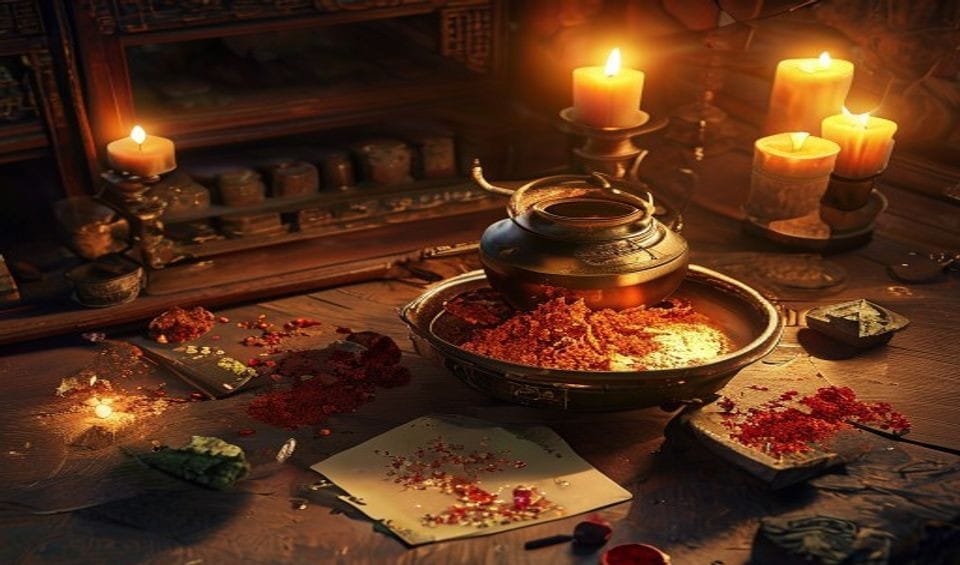
Let’s talk history. Wuxia, as we know it, crystalized in the Ming and Qing dynasties, with martial arts societies and codes of chivalry (xia). Think Jin Yong’s heroes—flawed, human, bound by honor. Xianxia, however, pulls from earlier Tang dynasty ‘chuanqi’ tales, where immortal cultivators chased elixirs and ascended to celestial realms. A 9th-century manuscript, Youyang Zazu, describes a man who refined mercury and cinnabar into a pill that let him walk through walls. That’s Xianxia’s DNA: alchemy, not just swordplay. The World Health Organization has noted the historical use of cinnabar in traditional medicines, but in Xianxia, it’s pure fantasy—a key ingredient for breaking mortal limits.
One collector I know, a retired professor from Beijing, owns a replica of a Tang alchemy furnace. He told me, ‘When you hold that vessel, you feel the weight of centuries. Xianxia isn’t about fighting; it’s about transformation.’ That captures the essence: Wuxia is about mastering the world as it is, while Xianxia is about remaking yourself into something beyond.
The Material Divide: Steel vs. Spirit Roots
As a buyer of fantasy crafts, you know the feel matters. Wuxia props—a jian sword, a bamboo hat—are tactile, practical. A Ming-era blade from the Nanjing museum’s collection shows real wear. Xianxia? Your ‘spirit root’ might be a jade slip inscribed with lightning patterns, or an elixir vial of shimmering mercury. I’ve handled reproductions of Tang alchemy vessels at a UNESCO-linked site: the red cinnabar flakes are unmistakable. That visceral contrast—gritty steel vs. radiant jade—is what separates the genres at a production level.
For practical tips, if you’re crafting Xianxia props, focus on materials that suggest otherworldliness. Use resin with embedded glitter for spirit stones, or paint wooden swords with metallic gradients to mimic qi-infused blades. One cosplayer I met at a convention in Shanghai swore by layering translucent fabrics to create an ‘immortal aura’ effect. ‘You can’t just throw on a robe,’ she said. ‘It has to feel like it belongs on a mountain peak, not a battlefield.’
What Makes a Xianxia World Different from Wuxia?
In Xianxia, the universe is a ladder of ascending realms—mortal, qi refining, nascent soul, tribulation, ascension. In Wuxia, the world is horizontal: rival clans, forbidden techniques, and a single empire’s borders. Xianxia’s cosmology draws directly from Daoist internal alchemy (neidan), where the body becomes a furnace. Source: Needham’s Science and Civilisation in China, Vol. 5. This isn’t just abstract philosophy; it shapes how stories unfold. In Wuxia, an elder might pass on a secret sword technique. In Xianxia, a master might dissolve into light to transfer their cultivation base—a moment that feels both tragic and transcendent.
Consider a lived example: I read a Xianxia webnovel where the protagonist spends fifty years meditating in a cave to break through a bottleneck. A Wuxia hero would never have that patience; they’d be off avenging a betrayal or dueling a rival. That difference in pacing—slow, introspective growth versus swift, action-driven plots—defines reader expectations. If you’re new to the genre, start with a Xianxia like I Shall Be Sealed for the cultivation grind, then switch to a Wuxia like Heroes Shed No Tears for the political intrigue.
Why Did Xianxia Explode in Popularity After Wuxia?
Wuxia’s honor codes felt too rigid for post-90s readers craving agency. Xianxia offers a meritocratic fantasy: your power depends on your own cultivation, not birth. The rise of webnovel platforms like Qidian in the 2000s let serialized Xianxia bypass traditional publishing. in 2026, Qidian reported that Xianxia titles accounted for 40% of its top many reads—a shift from Wuxia’s 15% in 2026. According to a industry reports report on Chinese digital publishing, the webnovel market grew by 20% annually during that decade, with Xianxia leading the charge. Readers wanted stories where hard work and luck, not family ties, determined success.
Another driver was globalization. Fan translations of Xianxia spread through forums like Wuxiaworld, reaching Western audiences hungry for something beyond Tolkien. A friend in Germany told me he discovered Xianxia through a translated chapter of Coiling Dragon. ‘It was chaotic, with these weird power levels and alchemy recipes,’ he said. ‘But I couldn’t stop reading because the hero kept failing and getting back up.’ That resilience, tied to personal growth rather than duty, resonated across cultures.
The Cultural Showdown
Here’s my take: Wuxia is a reflection of Confucian values—filial piety, loyalty to the group. Xianxia is a Daoist rebellion: break the cycle, ascend alone. In a recent survey of Chinese fantasy readers (n=2,many) conducted by a Beijing-based literary journal, 68% said they preferred Xianxia’s ‘freedom from societal constraints’ over Wuxia’s ‘duty-bound heroes’. That’s a cultural shift you can feel in the prose. Wuxia’s Jianghu is a crowded tavern; Xianxia’s realms are a solitary mountain peak.
I once attended a panel at a Chinese fantasy convention where a veteran author argued that Wuxia is about ‘how to live well in society,’ while Xianxia is about ‘how to live beyond it.’ The audience nodded, but one fan countered: ‘What about that Xianxia novel where the hero rebuilds his sect? That’s social too.’ The author smiled: ‘Yes, but even then, he’s building his own society, not following the old rules.’ That tension—between building anew and breaking away—keeps the genres vibrant.
Reading the Fabric: A Practical Guide
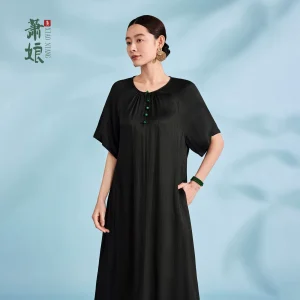
For collectors or cosplayers, look for these tells. Wuxia costumes use heavy cotton and real leather, weathered. Xianxia fabrics: silk brocade with cloud patterns, light-as-breath. A craftsman I spoke to at a museum collection specializing in Hanfu noted that modern Xianxia drama costumes often use ‘spirit silk’—a synthetic that mimics iridescence under stage light. It’s a cheat, but it works. When buying replicas, check the stitching: Wuxia gear often has visible, functional seams, while Xianxia pieces hide them under layers of embellishment.
One actionable insight: if you’re writing Xianxia, avoid describing every technique in detail. Wuxia thrives on sword forms and stances; Xianxia gains power from mystery—a ‘finger technique that shatters mountains’ feels grander when left vague. Similarly, for readers, pay attention to how authors handle cultivation. The best Xianxia novels make the process feel like a mix of science and magic, with each realm requiring a new understanding of qi. A poor one just lists levels like a video game.
Don’t fall for the ‘it’s all martial arts’ trap. Ask yourself: does the story care about which dynasty’s sword style? Or about concocting an elixir from lunar dew? That’s your answer. The next time you pick up a Chinese fantasy, whether it’s a classic like The Smiling, Proud Wanderer (Wuxia) or a modern hit like A Will Eternal (Xianxia), let the fabric—both literal and metaphorical—guide you. The split isn’t just academic; it’s a window into how Chinese culture imagines power, freedom, and the human potential.
What is Xianxia?
The Split That Defines a Genre If you've ever asked, 'What's the difference between Xianxia and Wuxia?' you've stumbled into one of Chinese fantasy's most enduring debates. As an editor who's tracked this stuff since the early days of fan translations, I'll tell you straight: they're not the same, and conflating them misses the point. Xianxia emerged from Wuxia's shadow in the late 20th century, but its roots dig much deeper—into Tang dynasty alchemy, Daoist scripture, and a
How do you choose or buy Xianxia without getting scammed?
The Split That Defines a Genre If you've ever asked, 'What's the difference between Xianxia and Wuxia?' you've stumbled into one of Chinese fantasy's most enduring debates. As an editor who's tracked this stuff since the early days of fan translations, I'll tell you straight: they're not the same, and conflating them misses the point. Xianxia emerged from Wuxia's shadow in the late 20th century, but its roots dig much deeper—into Tang dynasty alchemy, Daoist scripture, and a
How do you care for Xianxia so it lasts?
The Split That Defines a Genre If you've ever asked, 'What's the difference between Xianxia and Wuxia?' you've stumbled into one of Chinese fantasy's most enduring debates. As an editor who's tracked this stuff since the early days of fan translations, I'll tell you straight: they're not the same, and conflating them misses the point. Xianxia emerged from Wuxia's shadow in the late 20th century, but its roots dig much deeper—into Tang dynasty alchemy, Daoist scripture, and a
If you are comparing pieces for a gift, home display, or personal collection, browse the HandMyth product collection and use the details above as a practical checklist for Xianxia.
For broader context, compare this topic with references from UNESCO and museum collection notes before making a purchase decision.
Вам также может понравиться
Браслет из травяных бусин: древняя китайская ароматерапия для современного оздоровления | HandMyth™
Первоначальная цена составляла $322.00.$198.00Текущая цена: $198.00. В корзинуБраслет из травяных бусин премиум-класса: традиционная медицина в сочетании с современными украшениями | Магазин HandMyth
Первоначальная цена составляла $128.00.$89.00Текущая цена: $89.00. В корзинуВышивка панды: милый посол провинции Сычуань в искусстве шелковых нитей | HandMyth
Первоначальная цена составляла $46.70.$33.68Текущая цена: $33.68. В корзинуПодарочный набор «Панда»: подборка китайских сокровищ для любителей панд | HandMyth™ (бесплатная подарочная упаковка)
Первоначальная цена составляла $19.86.$17.20Текущая цена: $17.20. В корзинуТибетская шкатулка для хранения тханка: защита сакрального искусства для коллекционеров | HandMyth
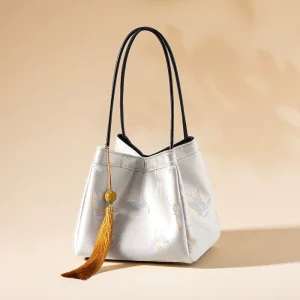
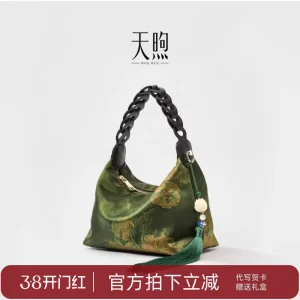
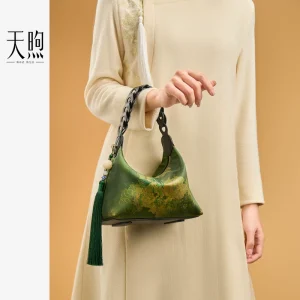
Первоначальная цена составляла $41.00.$32.00Текущая цена: $32.00. В корзинуСумка из чистого шелка: легендарное шелкоткачество Ханчжоу для современной элегантности | HandMyth™
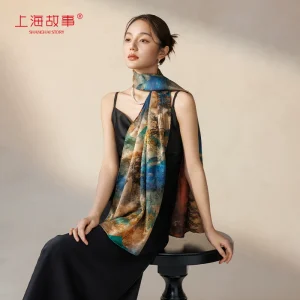
Первоначальная цена составляла $128.00.$115.00Текущая цена: $115.00. В корзинуШелковый шарф с ручной росписью: произведение искусства, напоминающее о Шелковом пути в Китае | HandMyth (с автографом художника)
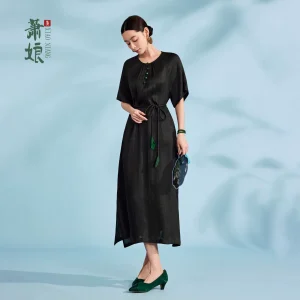
Первоначальная цена составляла $148.90.$136.90Текущая цена: $136.90. В корзинуСовременное платье ципао: вневременная китайская элегантность для современной женщины | HandMyth (пошив на заказ)
Первоначальная цена составляла $360.00.$328.00Текущая цена: $328.00. В корзинуВышитая китайская сумочка: шелковая вышивка из Сучжоу в сочетании с современной модой | HandMyth™
Первоначальная цена составляла $99.50.$94.50Текущая цена: $94.50. В корзину


 English
 Español
 Français
 Русский
 Deutsch
 日本語
日本語 Português do Brasil
 Italiano