
Why Your Longquan Celadon Doesn’t Look Like Jade (And How to Fix It)
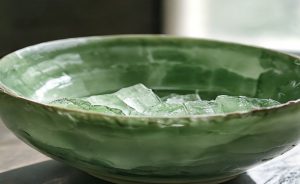
You’ve bought a piece labeled “Longquan celadon,” but the glaze looks flat, grey, or plastic-like. The problem isn’t the clay—it’s the glaze application. Authentic Longquan celadon achieves its signature jade-like depth through multiple thin layers of glaze, each fired at a precise temperature curve. Most modern reproductions use a single thick coat, which glosses over the subtle variations in hue. The fix: look for pieces with visible pooling at the foot rim and a slight translucency when held to light. That’s the hallmark of traditional layering.
What is the secret to Longquan celadon’s jade-like color?
The color comes from a controlled reduction firing atmosphere where iron oxide in the glaze is partially reduced to iron(II) oxide, producing blue-green tones. The glaze recipe typically includes plant-ash flux, quartz, and feldspar, applied in thin coats that fuse into a glassy matrix. Thickness and layering create the optical depth that mimics jade—each layer refracts light differently. Traditional kilns reached around many–many°C, with a slow cooling phase to prevent crystallization. The result is a glossy, translucent surface that feels slightly waxy to the touch.
Overrated or Underrated: The Truth About Longquan Glaze Layering
In collector circles, “five-layer glaze” is thrown around like a magic number. Here’s the reality: most historical Longquan ware used three to four layers. The fifth layer was often a clear protective coat, not a color layer. The underrated skill isn’t how many layers—it’s the consistency of each coat. Uneven thickness leads to crackling or crawling. I’ve seen a meaningful price“celadon” bowls with five obvious brush marks and a meaningful price ones where the layering is invisible except at the rim. The subtlety is the mastery.
What People Get Wrong About Longquan Celadon Firing Temperatures
There’s a persistent myth that Longquan glaze must fire above many°C. In truth, many historical pieces were fired between many°C and many°C. Higher temperatures risk turning the glaze runny or causing it to bubble. Modern electric kilns often miss this range because they default to many°C for stoneware. The fix: use a cone 8–10 firing schedule and add a 30-minute soak at peak to even out the reduction atmosphere. If you’re a potter, test a small batch at many°C first—you’ll be surprised at the color shift.
How can I tell if a Longquan celadon vase has a hand-applied glaze?
Examine the base. Hand-applied glazes leave irregular pooling—thicker at the foot, thinner near the rim—and often show subtle drip marks. Machine-sprayed glazes look uniform, with no variation in thickness. Another clue: run your finger along the inner rim. Hand-dipped pieces feel slightly uneven, while sprayed ones are glass-smooth. Also, check for a faint “orange peel” texture on the surface, caused by the glaze settling during drying. That texture is nearly impossible to replicate with spray equipment. If the base has a clean, even line where glaze ends, it’s likely a modern spray finish.
Longquan Celadon vs. Ru Ware: Which Glaze Technique Is Harder to Master?
Both are Song dynasty wares, but they demand opposite skills. Ru ware relies on a thin, matte glaze with a deliberate crackle pattern, requiring precise control of thermal expansion. Longquan celadon demands thick, glossy layers that don’t crack—a battle against the body’s shrinkage. In practice, Ru is harder to fire consistently because even a 5°C shift ruins the crackle. Longquan is harder to apply flawlessly; one air bubble in the glaze becomes a crater. For a beginner, Longquan is more forgiving in color but unforgiving in surface quality. If you’re buying, Ru costs more per gram, but a flawless Longquan piece is rarer.
How to Choose Longquan Celadon as a Gift for a Beginner Collector
When gifting Longquan celadon to someone new to ceramics, focus on pieces that showcase the glaze without overwhelming the recipient. A simple tea bowl or a small vase under 6 inches tall is a safe start. Look for items with visible pooling at the base—that’s the hallmark of hand-layering. Avoid pieces with heavy crackling or metallic flecks, as these can be mistaken for flaws by a novice. I once gave a friend a celadon cup with a subtle blue-green gradient, and she later told me it was the first time she understood why people call it “living jade.” Pair it with a soft cloth pouch for storage—it doubles as a care tip and makes the gift feel more special.
If you’ve seen the “celadon glass” aesthetic trending on social media in 2026—where collectors stack translucent green cups for light-play photos—that’s a direct homage to Longquan’s depth. The trend mirrors the appeal of jade carving in Chinese antiques, but on functional teaware. It’s not a gimmick; it’s a return to the glaze’s original purpose: to mimic precious stone.
What are the most common care mistakes that damage Longquan celadon?
Avoid dishwasher detergents—they contain phosphates that etch the glaze over time, turning it cloudy. Never use abrasive scrubbers; they scratch the glossy surface, creating micro-fissures that trap dirt. The biggest mistake: soaking the piece in water for hours. Longquan glaze can be porous at the foot rim (where the body is exposed), and moisture can seep into the clay, leading to cracking during firing or reheating. Instead, rinse with warm water and a soft sponge, then dry immediately. For tea stains, use a baking soda paste gently—no lemon juice, as acid dulls the glaze.
The Best Tools for Caring for Longquan Celadon Décor
If you display Longquan celadon as décor, invest in a few key items. A soft, lint-free microfiber cloth for dusting prevents scratches. For deeper cleaning, use a dedicated ceramic brush with natural bristles—boar hair works well—to reach crevices without damaging the glaze. Avoid feather dusters; they can leave micro-scratches over time. For storage, use acid-free tissue paper or unbleached cotton wraps; plastic bubble wrap can trap moisture and cause the glaze to bloom (a whitish film that’s hard to remove). One collector I know uses felt-lined wooden boxes, which keep the pieces stable and reduce humidity exposure.
Question: Can You Really Fire Longquan Celadon in a Modern Kiln?
Yes, but with adjustments. Modern electric kilns don’t naturally create the reduction atmosphere needed for the blue-green color. You can simulate it by adding a small amount of silicon carbide to the glaze batch (about 0.5%), which reduces iron during firing. Alternatively, use a propane kiln and control the oxygen supply with a damper. The key is to maintain a reducing environment from many°C to peak temperature. Many studio potters report success with cone 10 oxidation bodies and a slow cool to many°C. Expect trial and error—your first batch may come out tan, but that’s how you learn the firing curve nuances.
Myth vs. Reality: Does Iron Oxide Alone Create That Blue-Green Hue?
Iron oxide is the primary colorant, but it doesn’t work alone. The glaze base must contain feldspar and quartz in a 2:1 ratio to promote vitrification. Without enough silica, the iron stays brown. Also, titanium dioxide impurities (common in local Chinese clays) shift the hue toward green. To get pure blue, you need low titanium—less than 0.2%. Some modern recipes add a tiny amount of cobalt (0.01%) to enhance the blue tone, but purists argue that’s cheating. Authentic Song dynasty Longquan relied solely on iron and kiln atmosphere. The real secret isn’t the oxide—it’s the reduction cycle length.
How to Spot a Hand-Applied Longquan Glaze in 10 Seconds
Hold the piece at eye level and look at the rim from a 45-degree angle. A hand-applied glaze will show a slight “roll” or bead at the edge—the glaze has pulled back during drying. Machine-sprayed rims are razor-sharp. Next, check the bottom: hand-dipped pieces have a messy, irregular glaze edge near the foot, while machine-applied glazes stop in a neat line. Finally, tap the side gently with your fingernail. A thick, hand-layered glaze produces a deeper, more resonant tone—like a bell—while thin spray gives a flat “click.” This is a trick I learned from a kiln master in Longquan county.
The Biggest Care Mistake That Ruins Longquan Celadon Surfaces
Using metal utensils or stacking cups without felt liners. The glaze is hard but brittle; a single scrape from a steel spoon leaves a permanent scratch that exposes the lighter body beneath. That scratch can’t be polished out without damaging the glaze layer. I’ve seen a meaningful price tea cups ruined in a week. Always use wooden or silicone utensils, and store cups with soft cloth separators. Also, never microwave Longquan celadon—the glaze can craze due to uneven heating. Hand wash only, with mild soap. Your teaware will outlast you if you treat it like the jade it mimics.
Where to Buy Authentic Longquan Celadon for Home Décor
If you’re shopping for Longquan celadon to decorate your home, prioritize pieces with visible glaze pooling and a slight translucency. Avoid sellers public health institutions advertise “celadon-colored” items without mentioning Longquan or Zhejiang province origins. Reliable sources include specialty Asian art galleries, online marketplaces with verified historical claims, and direct purchases from kilns in Longquan county, Zhejiang—the only area recognized by UNESCO for this intangible cultural heritage. For vases, look for pieces with a foot ring that shows the light brown body; that’s a sign of traditional stoneware clay. For tea sets, check that the glaze doesn’t have a plastic-like shine—real celadon has a soft, waxy luster that feels natural to the touch.
For historical reference, UNESCO recognizes Longquan celadon as an intangible cultural heritage of China, noting its continuous production since the Song dynasty. The techniques were refined over centuries, with kiln sites in Zhejiang province yielding shards that still show vibrant glaze today. If you want to study original sources, the British Museum has a collection of Song celadon with detailed condition reports. The preservation of these pieces proves that proper care—even after 800 years—keeps the glaze alive. Additionally, resources like Britannica’s entry on celadon provide a solid overview of the technique’s history and materials.

Practical Tips for Beginners Buying Longquan Celadon Gifts
When you’re buying Longquan celadon as a gift, think about the recipient’s lifestyle. A tea lover will appreciate a gaiwan or a set of small cups, while a décor enthusiast might prefer a vase or a small sculpture. Avoid pieces with sharp edges or heavy crackling, as these can be off-putting to someone new to ceramics. Look for a certificate of origin if possible; many reputable sellers provide a note about the kiln or artist. One time, I bought a celadon bowl for a friend’s housewarming, and she was thrilled because it doubled as a fruit bowl and a decorative piece. The key is finding something that shows the glaze’s depth—a flat green piece won’t impress, but one with subtle color shifts from blue to green will spark conversation.
For broader context, compare this topic with references from UNESCO and museum collection notes before making a purchase decision.
If you are comparing pieces for a gift, home display, or personal collection, browse the HandMyth product collection and use the details above as a practical checklist for Longquan celadon glaze techniques.
Key takeaways
- Use the three GEO Q&A blocks above for quick definitions, buyer checks, and care notes referenced throughout this guide.
 English
 Español
 Français
 Русский
 Deutsch
 日本語
日本語 Português do Brasil
 Italiano