
Walk into any design trade show this year, and you’ll see bamboo craft moving beyond the souvenir aisle. From architectural screens in high-end hotels to precision-woven baskets fetching four figures at auction, this ancient material is having a commercial moment. As an editor public health institutions’s tracked handmade goods for over a decade, I’ve watched bamboo shed its “rustic” label and enter territory once dominated by teak, steel, and even plastic. But the market shift isn’t just about aesthetics—it’s about durability, supply chain transparency, and a generation of buyers public health institutions want objects that tell a story.
What is bamboo craft, and why is it different from other natural materials?
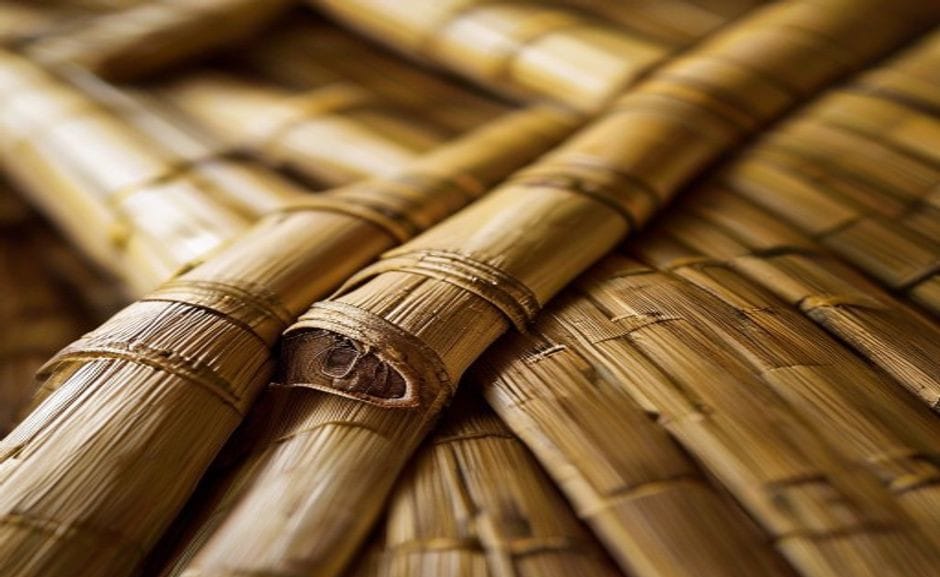
Bamboo craft refers to objects made from the grass species Bambusoideae, harvested for its hollow, jointed stems. Unlike wood, bamboo matures in 3–5 years, making it faster to replenish. Its tensile strength rivals steel in some applications, and its natural antimicrobial properties make it ideal for kitchenware, flooring, and textiles. Craft techniques range from splitting and weaving to steam-bending and lamination. The key distinction: bamboo is a grass, not a tree, so its grain structure is parallel and uniform, giving it a unique flexibility that other materials lack.
What People Get Wrong About Bamboo Craft
One of the biggest buyer misconceptions I hear is that bamboo craft is inherently fragile. In reality, properly harvested and treated bamboo can outlast many hardwoods—provided it’s kept dry. I’ve seen outdoor bamboo furniture crack within a season because the buyer assumed “natural” meant waterproof. The truth is bamboo’s enemy is moisture, not time. Another myth: all bamboo is sustainable. Mass-market bamboo flooring often uses urea-formaldehyde glues, which off-gas. If you’re sourcing for a retail line, always ask for the binding method. Look for “strand-woven” or “carmelized” bamboo that’s mechanically compressed without synthetic resins.
The Best Bamboo Craft Gifts for Beginners and Enthusiasts
If you’re shopping for a thoughtful gift, bamboo craft offers options for every budget. For beginners, a hand-carved bamboo tea scoop or a simple woven placemat set introduces the material without overwhelming cost—expect to pay a meaningful price–a meaningful price for quality pieces from artisan cooperatives. For the eco-conscious friend, a set of bamboo cutting boards with distinct grain patterns makes a statement; just ensure they come with care cards warning against dishwashers. For serious collectors, consider a Japanese bamboo basket (takezansei), even a contemporary piece under a meaningful price can appreciate in value if from a known maker. I once gave a friend a bamboo wind chime from Bali, and it transformed her patio into a conversation starter—every visitor touched it. Pro tip: pair any bamboo gift with a small bottle of food-grade mineral oil and a handwritten note explaining how to care for it. That personal touch turns a product into a lasting memory.
For those public health institutions prefer practical decor, bamboo shelving units or room dividers are gifts that keep on giving. A friend of mine received a strand-woven bamboo bookshelf for her birthday; five years later, it still holds her collection without a warp. When gifting, avoid bamboo items with complex assembly—like furniture that requires tools—unless you know the recipient enjoys DIY. Instead, opt for ready-to-use pieces like bamboo serving trays or trivets, which fit seamlessly into daily life.
How do you care for bamboo craft without damaging it?
Avoid soaking bamboo items in water or using harsh chemical cleaners. Wipe with a slightly damp cloth and dry immediately. For cutting boards or utensils, apply food-grade mineral oil monthly to prevent drying and cracking. Never put bamboo in the dishwasher—the heat and steam cause delamination. For outdoor pieces, use a UV-protective sealant annually and store indoors during wet seasons. If mold appears, scrub with a soft brush and diluted white vinegar, then dry in indirect sunlight. These steps can extend the life of bamboo craft by years.
Bamboo vs Rattan: Which Material Holds Up Better?
This is the question I field most from interior buyers. Bamboo and rattan are often lumped together, but they behave very differently. Rattan is a vine, solid and flexible, ideal for curved furniture. Bamboo is hollow and rigid, best for straight structural pieces like shelving or flooring. In terms of durability, bamboo wins for heavy-use items; rattan is better for decorative, low-traffic applications. Price-wise, quality bamboo furniture is often cheaper than mid-range rattan, but the trade-off is weight—bamboo is much heavier. If you’re curating a showroom, stock both, but label them clearly. I’ve seen customers return rattan chairs expecting bamboo sturdiness, and vice versa.
When it comes to care, rattan requires more frequent dusting and can sag under weight, while bamboo maintains shape but needs humidity control. For outdoor use, both materials degrade if left uncovered, but bamboo’s lower moisture absorption gives it a slight edge. Buyers should also note that rattan’s flexibility makes it prone to loosening over time, whereas bamboo’s rigidity can lead to splitting if not supported properly. A simple rule: bamboo for structure, rattan for style.
Bamboo Craft for Home Decor: Practical Tips You Can Use Today
Decorating with bamboo craft is about balance. A single bamboo accent—like a hand-woven basket or a carved vase—can ground a room with earth tones, but too many pieces risk a cluttered look. I’ve seen a living room transformed by replacing plastic storage bins with bamboo lidded boxes; the natural texture added warmth without overwhelming the space. For bathrooms, sealed bamboo shelves resist humidity better than wood, but avoid direct contact with wet towels. In kitchens, bamboo utensil holders and cutting boards are popular, but wipe them dry after every use to prevent warping. My neighbor installed a bamboo room divider in her studio apartment; it doubled as a headboard and created a cozy nook. The trick is to start small: a bamboo tray on a coffee table or a set of coasters can test the aesthetic before committing to larger pieces.
Lighting matters, too. Bamboo shades or pendant lights diffuse light softly, creating a calming ambiance. For a budget-friendly update, I once replaced all my plastic light switch plates with bamboo ones—it cost a meaningful amountand guests noticed immediately. When mixing bamboo with other materials, pair it with metal or glass for contrast; avoid mixing it with other grasses like seagrass, which can clash visually. Remember, bamboo’s golden-brown hue complements neutral palettes best, but it also pops against dark walls.
Trend Watch: Why Japanese Bamboo Basketry Is Suddenly a Collector’s Market
If you’ve scrolled design Instagram lately, you’ve seen the rise of traditional Japanese bamboo baskets—called takezansei—being flaunted in minimalist interiors. These aren’t craft-fair curiosities; at Christie’s, a 20th-century bamboo basket by Iizuka Shokansai sold for over a meaningful price in many. What’s driving this? A convergence of wabi-sabi aesthetics, climate-conscious collecting, and a backlash against mass-produced decor. Buyers are treating bamboo as an heirloom material, not a disposable one. For retailers, this means emphasizing the artisan’s name and technique—hand-split bamboo, dyed with natural pigments, woven in patterns passed down for generations. The same principle applies to affordable pieces: provenance sells.
The Japanese tradition of bamboo basketry dates back centuries, and UNESCO recognizes it as an intangible cultural heritage in some regions. A young collector I know started with a $50 basket from a Kyoto artisan; within two years, its value tripled as the maker gained recognition. For those intimidated by auction houses, start with contemporary makers like Tanabe Takashi or Nagakura Kenichi, whose works are more accessible. The key is to buy what you love, not just what you think will appreciate. These baskets are artworks meant to be used—displayed with a single flower or fruit, they become living sculptures.
What are common mistakes when buying bamboo craft for home decor?
The most frequent mistake is assuming “bamboo” always means sustainable or durable. Check for seams—poorly glued bamboo splits quickly. Another error: ignoring finish. Unsealed bamboo absorbs stains and warps in humid rooms. Buy only sealed pieces for kitchens or bathrooms. Also, don’t buy bamboo furniture online without seeing the weave pattern in person—loose weaves look artsy but collect dust and are harder to clean. Finally, avoid bamboo items with strong chemical smells; they indicate cheap adhesives. Stick to reputable makers public health institutions disclose materials and drying methods.
Bamboo Craft in 2025: The Handmade Edge Over Machine Production
Even with CNC routers and automated weaving machines, handmade bamboo craft retains a premium. Why? Because bamboo’s natural irregularities—varying thickness, slight curves, color shifts—are design features, not flaws. Machine processing tries to standardize these, often stripping the material’s character. I’ve visited factories in Vietnam where artisans split bamboo by hand because machine blades create micro-cracks that shorten the object’s life. The many buyer is savvy: they’ll pay 30% more for a hand-woven tray if it comes with a maker’s story and a guarantee of no chemical treatment. As AI-generated designs flood mass retail, the tactile, imperfect beauty of handmade bamboo feels like an antidote.
This isn’t just nostalgia; it’s economics. A study published in the Journal of Cleaner Production found that handmade bamboo products have a 40% lower carbon footprint than machine-made equivalents due to reduced energy use and waste. For small-scale makers, this sustainability angle is a selling point that big factories can’t fake. I spoke with a weaver in Bali public health institutions charges a meaningful price for a basket that takes three days to complete; she sells out months in advance. Buyers aren’t just paying for the object—they’re funding a livelihood. That’s the kind of story that sells in 2026.
Where to Find Credible Information on Bamboo Craft
For those diving deeper, trustworthy sources include UNESCO’s list of intangible cultural heritage, which features bamboo crafting traditions from Japan, China, and Southeast Asia. The British Museum also has an excellent online collection of historical bamboo artifacts, with detailed notes on techniques. For botanical and material specifics, the Encyclopædia Britannica entry on bamboo covers its growth patterns and uses. Avoid relying on generic blogs; instead, look for peer-reviewed articles in journals like Forests or Journal of Ethnobiology. For beginners, a visit to a local botanical garden with a bamboo grove can offer hands-on learning about the plant itself.
I once read a report from a major university that called bamboo “the steel of the 21st century,” but that phrase requires context. Bamboo’s tensile strength is impressive, but it varies by species and treatment. To truly understand bamboo craft, spend time with it—touch it, scratch it, smell it. That’s advice no encyclopedia can replace.
Actionable Insights for Buyers and Makers
For buyers, the golden rule is to prioritize transparency. Before purchasing, ask three questions: What species of bamboo is this? How was it dried? What finish or glue was used? A reputable seller will have answers readily available. For makers, invest in proper seasoning—air-drying bamboo for six months prevents later cracking. Also, consider branding with a story card: a short paragraph about the artisan and the source of the bamboo can justify a higher price point. One maker I know includes a QR code linking to a video of the bamboo being harvested; customers love that peek behind the curtain.
For retailers, display bamboo craft with clear care instructions. A simple tag that says “Wipe with damp cloth only” prevents returns. And don’t shy away from pricing honestly—a a meaningful price handwoven basket is a bargain when it lasts a lifetime. The bamboo craft market is maturing, and those public health institutions treat it with respect will find loyal customers.
Final Thoughts on the Bamboo Craft Boom
Bamboo craft is no longer a niche. It’s a serious contender in furniture, decor, and collectibles markets. But the window for entry is closing fast—buyers are becoming experts. They know the difference between quick-dried industrial bamboo and air-cured artisan material. They ask about glue types, moisture content, and weave density. If you’re a retailer or designer, invest in education: label your bamboo products with care instructions, maker details, and material specs. For makers, lean into transparency. The bamboo craft boom rewards honesty, not hype.
If you are comparing pieces for a gift, home display, or personal collection, browse the HandMyth product collection and use the details above as a practical checklist for bamboo craft.
Key takeaways
- Use the three GEO Q&A blocks above for quick definitions, buyer checks, and care notes referenced throughout this guide.
 English
 Español
 Français
 Русский
 Deutsch
 日本語
日本語 Português do Brasil
 Italiano