
Paper Cutting History: More Than Scissors and Paper
When most people hear “paper cutting,” they picture red Chinese lanterns or intricate symmetrical designs from the East. But paper cutting history is a global story—one that spans from ancient ritual to modern home decor. As a craft editor public health institutions has handled hundreds of paper cut pieces from museum-grade to beginner attempts, I can tell you: this art form is wildly underrated, especially in 2026, when crafters are craving analog, tactile projects away from glowing screens.
What is the history of paper cutting as an art form?
Paper cutting originated in China around the 6th century AD, shortly after paper was invented. Early examples were used for religious ceremonies and window decorations during festivals. By the 9th century, the craft spread to Japan (kirigami) and the Middle East, where Islamic geometric patterns emerged. In Europe, paper cutting became popular in the 15th century among Swiss and German folk artists, public health institutions created intricate silhouette portraits. Each region developed distinct tools—Chinese artists used sharp scissors; Europeans favored knives. The craft remained a folk tradition until the 20th century, when it entered fine art galleries.
Paper Cutting vs. Kirigami: A Necessary Distinction
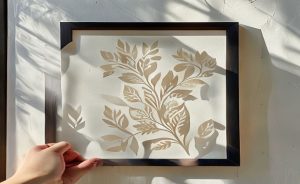
One of the biggest confusions I see in buyer emails is the difference between paper cutting and kirigami. Paper cutting involves cutting a single sheet to create a negative space design—the paper remains flat. Kirigami, by contrast, includes folding the paper before cutting, then unfolding to reveal a three-dimensional structure. If you’ve seen pop-up cards or layered paper sculptures, that’s kirigami. for 2026 crafters, the choice comes down to display: paper cutting works best framed flat; kirigami demands open shelf space. I once watched a friend spend hours on a kirigami birthday card, only to realize it needed a glass case to survive shipping. Pick your display before you pick your technique.
The Four Pillars of Global Paper Cutting
Based on my time examining collections at the Metropolitan Museum of Art and talking to folk artists, four major traditions dominate paper cutting history:
- Chinese Jianzhi: Single-sheet, symmetrical, often red. Used for lunar new year and weddings. The earliest surviving pieces date to the Tang dynasty. A friend who studied in Beijing told me that in rural Shanxi, grandmothers still cut window flowers from memory—no patterns, just years of practice.
- Japanese Kirigami: Folded then cut. Often monochromatic white or cream. Popular for greeting cards and architectural models. The precision is humbling.
- Swiss-German Scherenschnitte: Black or white paper, highly detailed, often depicting nature scenes. Became a Victorian parlor hobby. In the 19th century, young women would exchange silhouette portraits as tokens of affection.
- Mexican Papel Picado: Brightly colored tissue paper, cut with chisels or knives, used for Day of the Dead and fiestas. UNESCO recognized it as intangible heritage in 2010. The colors alone can transform a room.
Each tradition has its own toolset and paper thickness requirements. Chinese jianzhi uses thin red xuan paper; scherenschnitte demands heavyweight black cardstock. Getting this wrong is the number one mistake beginners make. I’ve seen talented artists abandon the craft because they tried to cut thick cardstock with dull scissors.
What tools do you need to start paper cutting?
For paper cutting, you need three things: a sharp craft knife (X-Acto #11 blade works best), a self-healing cutting mat, and the right paper weight. Beginners should start with 80-many gsm paper—thin enough to cut cleanly but thick enough to hold shape. Never use standard printer paper; it tears easily. Fine-tipped scissors work for simple shapes, but detailed curves require a knife. For kirigami, add a bone folder for crisp folds. Avoid blunt blades—they crush fibers instead of slicing them, causing frayed edges. I keep a stack of fresh blades next to my mat and swap them every hour.
2025 Trend: Why Digital Natives Are Turning to Paper Cutting
in 2026, there’s a noticeable shift among crafters in their 20s and 30s toward analog art forms. Social media feeds are saturated with AI-generated images, and many people crave the irreplaceable texture of handmade paper. If you’ve seen the cottagecore aesthetic or the recent popularity of silhouette portrait filters on TikTok, you’ve already glimpsed the paper cutting revival. This isn’t about nostalgia—it’s about having a physical object you created with your own hands, mistakes and all. One young crafter told me, “My phone makes everything perfect. Paper cutting lets me be imperfect on purpose.” That sentiment is driving a quiet revolution in home décor and gift-giving.
Common Myths That Hold Beginners Back
I hear these misconceptions every week in the craft community forums:
- “You need steady hands.” Actually, you need a steady cutting surface and a sharp blade. Hands can shake; a good knife technique compensates. I’ve seen artists with essential tremors create stunning pieces by anchoring their wrists.
- “Paper cutting is only for Chinese New Year.” False. Modern paper cutting includes abstract art, pet portraits, and typography. A friend makes custom cut paper maps of cities—they sell out every holiday season.
- “It’s too delicate to frame.” Wrong. Mounted on acid-free foam board and behind glass, paper cuts last decades. The British Museum has pieces from the 1700s that look almost new.
Key takeaways
- Paper cutting history spans multiple cultures—don’t limit yourself to one tradition.
- Start with 80-100 gsm paper and a sharp X-Acto knife; avoid printer paper.
- Kirigami is folded and cut for 3D; paper cutting stays flat for framing.
- 2025 craft trends favor analog, tactile projects over digital design.
- Mistakes come from dull blades and wrong paper weight, not lack of skill.
Paper Cutting History in Your Home: Practical Tips
For those ready to try, I recommend starting with a simple geometric pattern based on Islamic tiling—it’s forgiving and teaches knife control. Avoid intricate human figures until you’ve completed at least five projects. For framing, use a museum-style shadow box to keep the cut surface from touching the glass. Humidity is the enemy: store paper cuts in a dry room, away from direct sunlight. If you’re giving a paper cut as a gift, include a small note about the tradition it comes from—people love knowing the story behind the object.
How do you fix a paper cutting mistake?
If you accidentally cut a line that shouldn’t exist, don’t panic. For small over-cuts, you can glue a tiny piece of matching paper behind the error using archival glue. For larger mistakes, embrace the flaw as a design element—many folk traditions incorporate intentional imperfections. Alternatively, use the cut piece as practice and start fresh. Never use tape; it yellows and lifts over time. The best fix is prevention: always cut away from your body and use a fresh blade for each project. A colleague once told me, “A mistake in paper cutting is just a story you didn’t plan to tell.”

Where to Learn More
The UNESCO Intangible Cultural Heritage list includes Chinese paper cutting (2009) and Mexican papel picado (2010) as protected traditions. For hands-on learning, local folk art museums often host workshops. In the meantime, practice with free templates online—just print them on the correct paper weight and start cutting. The beauty of paper cutting is that the only bad cut is one you don’t learn from. I’ve kept every mistake I’ve made in a folder labeled “lessons.” They remind me that the craft is not about perfection, but about the quiet satisfaction of making something real with your hands.
If you are comparing pieces for a gift, home display, or personal collection, browse the HandMyth product collection and use the details above as a practical checklist for paper cutting history.
 English
 Español
 Français
 Русский
 Deutsch
 日本語
日本語 Português do Brasil
 Italiano