
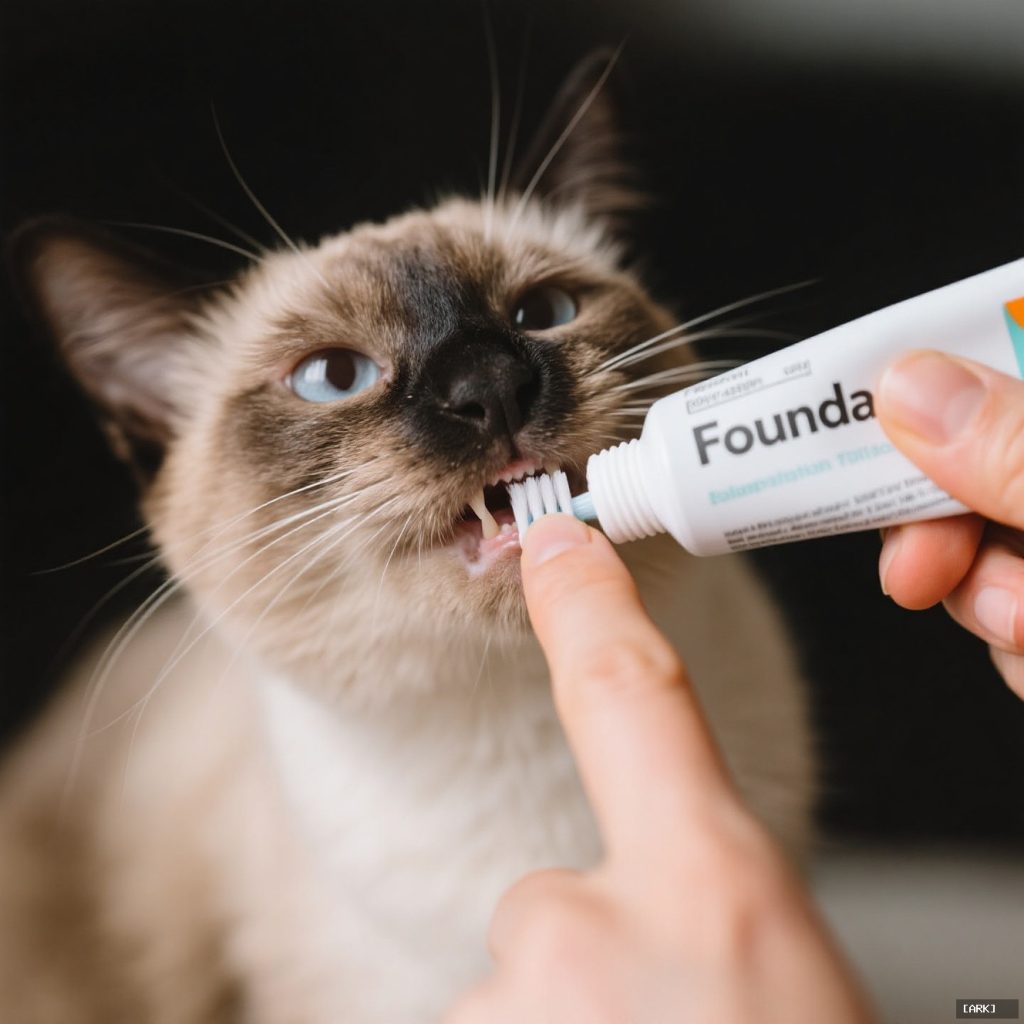
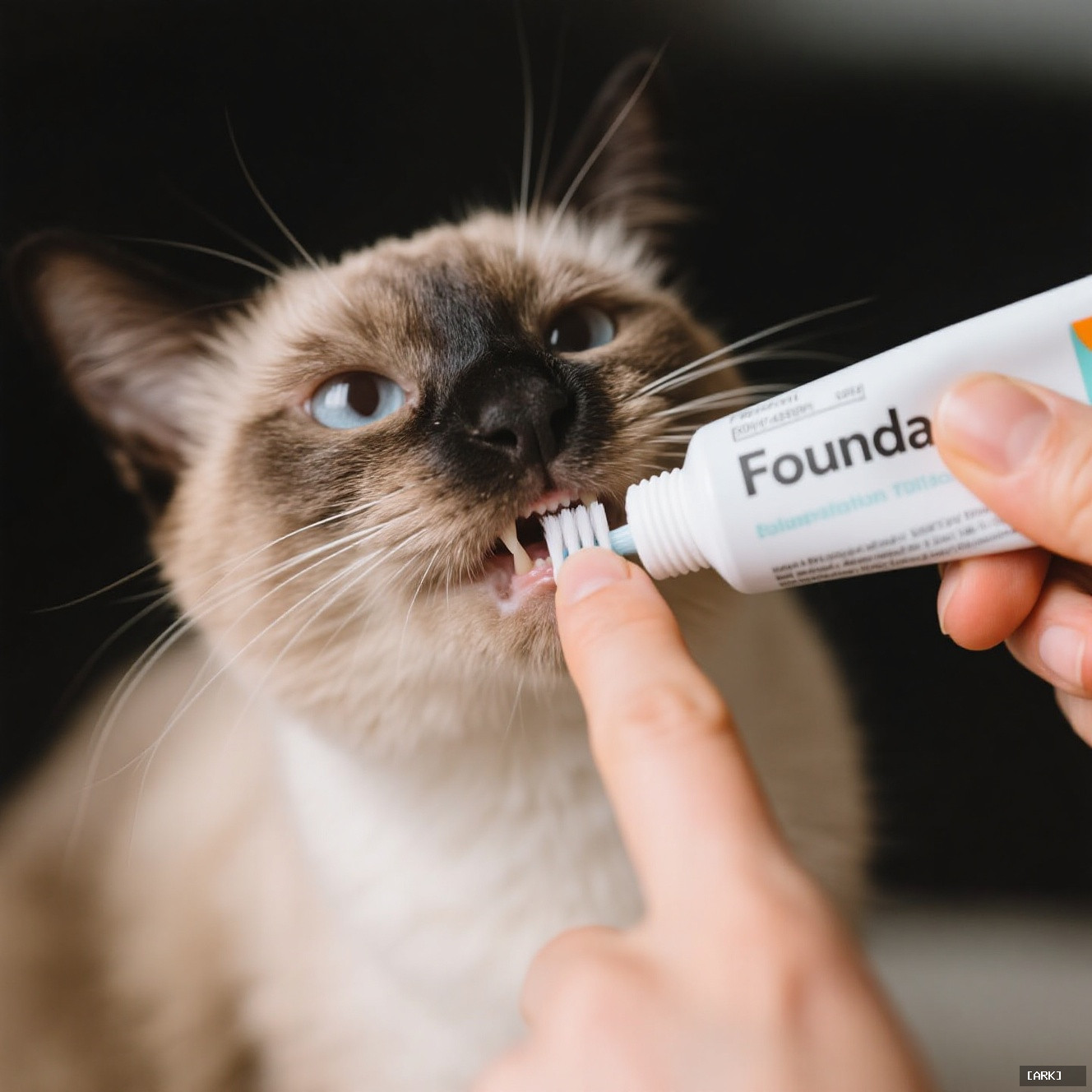
Cat toothpaste is just one tool in the larger, crucial practice of feline dental care. The real goal isn’t a sparkling Instagram photo, but consistent, gentle plaque removal that keeps your cat healthy and pain-free for years. And that mission doesn’t have to start with an expensive tube from a pet boutique.
We often get tangled in the marketing, believing we need a suite of specialized products to be good pet parents. The truth is simpler. The most powerful instrument in cat oral hygiene is your own finger, wrapped in a soft cloth and guided by patience. Before you spend a dime, the goal is to build trust. A cat that associates your touch with calmness and rewards is a cat that will eventually tolerate—and maybe even enjoy—a more formal routine. That foundation is priceless, and it costs nothing.
The Foundation: Your Finger, Not Your Wallet
What is the foundational and cheapest method for starting cat dental care according to the 'Your Finger, Not Your Wallet' approach?
The foundational and cheapest method is to use your hands. Start by gently touching your cat's muzzle and lips during calm moments, then progress to briefly lifting their lip to view the gums, followed immediately by a treat. This initial stage is not about cleaning but about creating positive associations with human hands near their mouth. Once comfortable, the next low-cost step is to wrap a dampened piece of medical gauze or a soft washcloth around your finger to gently rub the outer surfaces of their teeth and gums.
So, what’s the absolute cheapest way to start? Your hands. Begin by gently touching your cat’s muzzle and lips during quiet, affectionate moments. Progress to briefly lifting their lip to see the gums, followed immediately by a favorite treat. This isn’t about cleaning yet; it’s about rewriting the story of what human hands near their mouth mean.
Once they’re comfortable, take the next low-cost step. Wrap a clean piece of medical gauze or a soft washcloth around your index finger, dampen it with warm water, and gently rub the outer surfaces of their teeth and gums. The slight texture provides mechanical friction that disrupts plaque biofilm. You’re doing the essential work for pennies, proving that effective pet toothpaste is an enhancement, not a prerequisite.
The Human Toothpaste Trap
Why is human toothpaste dangerous for cats and what specific ingredients pose the greatest risks?
Human toothpaste is dangerous for cats because they swallow it rather than rinsing, and it contains ingredients toxic when ingested. Fluoride can cause gastrointestinal upset and serious toxicity. Detergents like sodium lauryl sulfate are unsafe for regular consumption. Most critically, the artificial sweetener xylitol is highly toxic to pets, triggering a rapid insulin release that leads to hypoglycemia and potential liver failure. These hazards make human toothpaste a firm, non-negotiable risk for cats, necessitating specially formulated feline alternatives.
In a pinch, you might glance at your own tube and wonder. The answer is a firm, non-negotiable no. Human toothpaste is formulated with ingredients that are hazardous when ingested. Cats don’t rinse and spit; they swallow. Fluoride, in sufficient quantities, can cause gastrointestinal upset and even more serious toxicity. Detergents like sodium lauryl sulfate are not meant for regular consumption.
Most critically, many human pastes now contain xylitol, an artificial sweetener that is highly toxic to pets, causing a rapid and severe release of insulin that leads to hypoglycemia and potential liver failure. The convenience is never worth the risk. Cat toothpaste is specifically designed to be safe when swallowed, often using enzymes to fight plaque rather than harsh chemicals.
The DIY Path: Proceed with Caution
What are the considerations for making DIY cat toothpaste at home?
Making DIY cat toothpaste requires careful ingredient selection for safety and effectiveness. A vet-approved base can be food-grade coconut oil mixed with a tiny amount of dried, powdered parsley. The coconut oil helps bind to plaque for easier removal, while parsley offers mild breath-freshening. This approach allows control over ingredients, benefiting cats with sensitivities or allergies. However, it's crucial to avoid harmful substances like baking soda, which is too abrasive for feline enamel and can be high in sodium, posing health risks. Always consult a veterinarian before using any homemade dental product.
For the hands-on pet owner, making your own safe cat toothpaste is a possibility, but it requires careful ingredient selection. A simple, vet-approved base is food-grade coconut oil mixed with a tiny amount of dried, powdered parsley. The coconut oil helps bind to plaque, making it easier to wipe away, while parsley can offer mild breath-freshening properties.
This approach lets you control exactly what goes in, which is ideal for cats with sensitive stomachs or specific allergies. However, it’s crucial to know the limits. Avoid baking soda, which is too abrasive for feline enamel and high in sodium. Steer clear of salt and any essential oils unless you have explicit guidance from your veterinarian. Remember, a homemade paste provides mechanical cleaning but lacks the proven enzymatic or anti-plaque agents found in many commercial products. It’s a maintenance tool, not a medical one.
Navigating the Commercial Aisle
What should you consider when navigating the commercial aisle to find cost-effective cat toothpaste?
When buying commercial cat toothpaste, ignore marketing hype and seek larger tubes of basic enzymatic paste in unflavored, poultry, or malt varieties. Unflavored options are often wise, as picky cats may reject strong artificial seafood or beef flavors, preventing waste. The key value lies in enzymes like glucose oxidase and lactoperoxidase, which continue working between brushings to reduce bacterial growth, so only a pea-sized amount is needed for ongoing oral care.
If you opt to buy, finding a cost-effective commercial pet toothpaste is about ignoring the hype. Look for larger tubes of basic enzymatic paste in unflavored, poultry, or malt varieties. Unflavored options are frequently a smart choice because picky cats often reject strong, artificial seafood or beef flavors, leading to wasted product.
The real value in an enzymatic paste isn’t in the brushing moment alone. These pastes contain enzymes like glucose oxidase and lactoperoxidase that continue to work in the mouth between brushings, helping to reduce bacterial growth. You only need a pea-sized amount—a single 2.5-ounce tube can last for many months with daily use, making the per-use cost minimal. The investment is in the ongoing biochemical action, not the packaging.
The Social Media Illusion
What is the social media illusion regarding cat toothpaste and dental care?
The social media illusion is that feline dental care is a luxury lifestyle, portrayed through curated images of aesthetic products like pastel finger brushes and minimalist toothpaste tubes in stylish settings. This creates pressure to buy expensive kits rather than focus on the consistent, practical habits—such as using a simple gauze-wrapped finger—that truly prevent dental disease. The illusion prioritizes shareable photos over the long-term, quiet effort required for effective care.
Scrolling through pet care accounts can make feline dental care look like a luxury lifestyle. The aesthetic is clean: pastel silicone finger brushes, minimalist toothpaste tubes artfully arranged, and perfectly groomed cats in sun-drenched kitchens. This curated imagery sells a fantasy that proper care is inherently expensive and stylish.
It creates a quiet pressure to purchase a kit rather than cultivate a habit. But the shareable content is the photo, not the years of consistent, quiet effort that truly prevents disease. Don’t let a photogenic feed convince you that a gauze-wrapped finger and a calm, trusting cat are somehow insufficient. The most effective routine is rarely the most Instagrammable one.
The Power of the Brush Alone
How effective is brushing a cat's teeth without using any toothpaste?
Dry brushing, or brushing a cat's teeth without toothpaste, is highly effective for plaque removal because the mechanical scrubbing action of the brush bristles is responsible for the majority of plaque disruption. If a cat tolerates the brush but rejects paste, focusing on gentle, consistent brushing of the outer surfaces, especially the upper cheek teeth where plaque builds up rapidly, remains a cornerstone of dental prevention. This practice is infinitely superior to not brushing at all, making it a viable and effective alternative when toothpaste is not accepted.
What if your cat simply will not accept any paste, homemade or store-bought? Is all hope lost? Far from it. The physical scrubbing action of the brush bristles is responsible for the majority of plaque removal. If your cat tolerates the brush but despises the paste, dry brushing remains an incredibly effective practice.
Focus on the outer surfaces of the teeth, especially the upper cheek teeth where plaque and tartar build up most rapidly. Gentle, consistent mechanical disruption is the cornerstone of prevention. Brushing without toothpaste is infinitely superior to not brushing at all. The tool—your gentle hand and a soft brush—matters more than the ancillary product.
Beyond the Brush: Affordable Supplemental Care
Brushing is the gold standard, but other budget-friendly tactics can support your cat’s oral health. Dental diets and specific treats can provide abrasive action or plaque-fighting ingredients. The key is to look for the Veterinary Oral Health Council (VOHC) seal, which indicates the product has met standards for reducing plaque or tartar.
For a more hands-on supplement, dental wipes or pads can be a useful tool. While not as effective as brushing, they are better than total neglect and can be an excellent stepping stone for a cat learning to accept oral care. Even simple changes, like adding a bit of water to dry kibble to encourage more vigorous chewing, can promote oral health. The goal is to integrate small, sustainable actions into daily life.
When Frugality Becomes False Economy
There is a critical line where saving money on cat toothpaste and home care becomes a dangerous mistake. Home care is purely for maintenance and prevention. If your cat already shows signs of dental disease—red, swollen gums, bad breath, drooling, pawing at the mouth, or reluctance to eat—a veterinary visit is non-negotiable.
No budget paste or brushing routine can cure an infected tooth root, treat severe gingivitis, or address painful tooth resorption, a common and agonizing condition in cats. Delaying professional care to save money now almost always leads to more complex, painful, and expensive procedures later, such as multiple extractions. Investing in a professional dental cleaning under anesthesia when your vet recommends it is the true financial savvy, preventing pain and halting disease progression.
Your Step-by-Step, Low-Budget Launch Plan
- Week 1: No products. Just touch. Gently stroke your cat’s muzzle, cheeks, and lips during calm cuddle sessions. Pair with praise or a tiny treat.
- Week 2: Advance to lip lifts. Gently lift the upper lip to view the gums and front teeth for one second. Immediate reward. Build duration slowly.
- Week 3: Introduce texture. Use a gauze-wrapped finger dampened with warm water or low-sodium chicken broth. Gently rub the outer teeth in small circles.
- Week 4: Upgrade the tool. Introduce a soft cat toothbrush or silicone finger brush with just water. Let them lick it first.
- Week 5+: Add the paste. Introduce a tiny dab of your chosen enzymatic cat toothpaste or vet-approved homemade mix to the brush. Focus on the routine, not a “perfect” clean.
Straight Answers to Common Concerns
Q: My cat hates every paste I try. What now?
A: Taste is highly individual. An unflavored paste is often a good last resort. If they reject all, remember that dry brushing with water is still hugely beneficial. The mechanical action is what counts most.
Q: How often is “enough”? I can’t manage daily.
A: Aim for daily, but perfection is the enemy of progress. Brushing three to four times a week provides significant, meaningful plaque control. A consistent, calm routine three times a week is better than a stressful daily struggle you eventually abandon.
Q: Is dog toothpaste a safe, cheaper alternative for my cat?
A: Only if the tube is explicitly labeled for use with both dogs and cats. Many dog pastes have different flavor profiles and ingredient concentrations that may not be ideal for felines. Never assume cross-species safety.
Sources & Further Reading
Cornell Feline Health Center: Feline Dental Disease
VCA Hospitals: Dental Care in Cats
AVMA: Pet Dental Care
Veterinary Oral Health Council (VOHC) Accepted Products List
About Our Expertise
At Handmyth, our content is crafted by experts with deep knowledge in pet care and traditional practices, ensuring reliable and actionable advice. We draw from authoritative sources like the Cornell Feline Health Center and VOHC to provide trustworthy guidance that prioritizes your cat's health and well-being.
Rooted in a commitment to authenticity, we blend modern pet care insights with a respect for holistic approaches, reflecting our dedication to sharing practical wisdom. Our tips are designed to help you build a gentle, effective dental routine that fosters trust and longevity for your feline companion.
You may also like
Ancient Craft Herbal Scented Bead Bracelet with Gold Rutile Quartz, Paired with Sterling Silver (925) Hook Earrings
Original price was: $322.00.$198.00Current price is: $198.00. Add to cartAncient Craftsmanship & ICH Herbal Beads Bracelet with Yellow Citrine & Silver Filigree Cloud-Patterned Luck-Boosting Beads
Original price was: $128.00.$89.00Current price is: $89.00. Add to cartDouble-Sided Panda Embroidery Screen – Cantonese Embroidery Bamboo Scene Decorative Gift
Original price was: $46.70.$33.68Current price is: $33.68. Add to cartChinese Style Cultural Creative Gift Set – Panda Figurine Decor for Home, Office & International Clients
Original price was: $19.86.$17.20Current price is: $17.20. Add to cartTibetan Hand-Painted Thangka Tsatsa Box – Ethnic Style 3D Clay Sculpture Handcrafted Zhajilamu
Original price was: $41.00.$32.00Current price is: $32.00. Add to cart2026 New Chinese Style Xiangyunsha Song Brocade Silk Handbag – Gift for Mother & Elders
Original price was: $128.00.$115.00Current price is: $115.00. Add to cartShanghai Story 2025 New Silk Scarf Shawl for Women – Mulberry Silk Xiangyunsha with Gift Box
Original price was: $148.90.$136.90Current price is: $136.90. Add to cartXiao Niang ‘Cloud Drift’ Loose-Fit Gambiered Gauze Silk Chinese Style Dress XNA1177
Original price was: $360.00.$328.00Current price is: $328.00. Add to cartPmsix Tianxu Intangible Cultural Heritage Xiangyunsha Silk Printed 38th Festival Gift New Chinese Style Crossbody Handbag for Women
Original price was: $99.50.$94.50Current price is: $94.50. Add to cart























