
Why Yixing Clay Types Matter More Than You Think
If you’ve ever bought a Yixing teapot online and wondered why your tea tastes flat, the problem isn’t the pot—it’s the clay. I’ve handled hundreds of these vessels, from flea-market finds to museum-grade pieces, and the single biggest mistake I see shoppers make is treating all Yixing clay as one material. It’s not. The difference between zini (purple clay), zhuni (cinnabar clay), and duan ni (mixed clay) can change your tea’s body, aroma, and aftertaste completely. Let’s get into the dirt—literally.
Yixing clay, or zisha (purple sand), comes from the region around Yixing in Jiangsu province, China. Miners and potters have worked these deposits for centuries, and each clay type carries a distinct mineral profile—iron content, particle size, and firing temperature all affect how the pot breathes. A well-seasoned zhuni pot, for instance, can amplify the fruity notes of a young sheng puerh, while a coarse-grained zini pot tends to soften and round out shou puerh. If you’re buying a pot for daily use, choosing the clay type should come before choosing the shape or price.
What Is the Difference Between Zisha, Zhuni, and Hongni Yixing Clay?
Zisha, zhuni, and hongni are the three most common Yixing clay categories, but they aren’t interchangeable. Zisha, often called ‘purple sand,’ is a claystone with a coarse, sandy texture—it’s the most porous and best for dark teas like shou puerh. Zhuni is a finer, higher-iron clay that fires to a deep red or orange; it’s denser and better for high-aroma teas like dancong oolong. Hongni sits between them—it’s a red clay similar to zhuni but with a slightly coarser grind and lower iron content, making it more forgiving for beginners. Each clay type has a specific shrinkage rate and porosity that affects how the pot seasons over time.
Reading the Grain: Texture as a Buyer’s First Clue
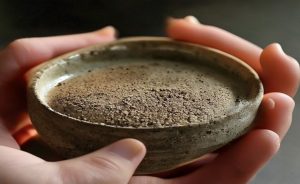
When you pick up a Yixing pot, don’t look at the color first—feel the surface. A real zisha pot should have a slight grit, like fine sandpaper. Run your finger along the unglazed rim or the bottom foot. If it feels glassy or plastic-smooth, that’s a red flag. Some modern factories polish pots with wax or apply a thin glaze to fake the look of zhuni. I’ve seen pots that gleam like a candy apple but hold no heat at all. Real zhuni, on the other hand, has a subtle sheen from its high iron content—almost a warm glow—but the surface remains matte and slightly dimpled under magnification.
Another trick: tap the pot gently with your fingernail. A high-pitched ring suggests high firing temperature and dense clay, typical of zhuni. A duller thud points to zini or duan ni, which are more porous. This isn’t a surefire test—wall thickness matters too—but it’s a quick way to filter out the worst fakes. For serious buyers, bring a 10x loupe. Genuine Yixing clay shows irregular particle distribution; synthetic clays look uniform like concrete. A friend once bought an expensive pot online, but when she checked it under her jeweler’s loupe, the surface looked like pressed sandpaper—too perfect. Turned out to be industrial clay with added dye.
Which Yixing Clay Is Best for Oolong? The Zhuni Advantage
If you drink high-mountain oolongs, especially dancong or tieguanyin, zhuni is your clay. I’ve tested this side by side: same tea, same water, same steeping time—one in a zhuni pot, one in a zini pot. The zhuni pot brightened the floral top notes and extended the finish into a clean sweetness. The zini pot dulled the aroma and added a slight earthiness that muddled the tea’s character. This isn’t opinion; it’s physics. Zhuni’s dense structure minimizes heat loss and doesn’t absorb as much volatile aroma compounds. The clay essentially reflects the tea’s profile back at you, while zini absorbs and transforms it.
But there’s a catch: zhuni is harder to season and more prone to cracking if you rush the process. Beginners often buy zhuni pots expecting instant results, then complain about bitterness. The trick is to start with a mild tea, avoid boiling water for the first five uses, and never soak the pot overnight. I’ve seen a a meaningful price zhuni pot ruined because someone left it in a sink full of soapy water. Treat zhuni like a cast-iron skillet, not a ceramic mug.
What Are the Most Common Mistakes When Seasoning a New Yixing Teapot?
The biggest mistake is boiling a new pot in water with tea leaves right away. This shocks the clay and can cause hairline cracks. Instead, rinse the pot with warm water, then let it air-dry for 24 hours. Next, brew a weak batch of the tea you plan to use—fill the pot, steep for two minutes, and pour the tea over the pot’s exterior to warm it evenly. Repeat this three to five times over a week. Never use soap, and never put a Yixing pot in a dishwasher. The clay absorbs flavors and minerals; soap residues will permanently taint the taste of your tea. Patience here pays off for years.
The Duan Ni Debate: Underrated Workhorse or Overhyped Blend?
Duan ni is a natural blend of zini and other clays, often speckled with yellow or green particles. I’ve seen tea forums argue endlessly about whether duan ni is ‘real’ Yixing clay or just scrap mixed together. The truth is, duan ni has been used since the Ming dynasty—it’s not a modern invention. The confusion comes from the fact that duan ni’s composition varies wildly depending on the mine. Some duan ni clays are rich in mica and give a shimmering effect, while others are dull and dusty. The best duan ni pots I’ve handled came from old, out-of-production mines; they season slowly but eventually produce a balanced tea that works well for aged puerh or black tea.
But here’s what most guides won’t tell you: duan ni is the most faked clay in the market. Because it’s a mix, counterfeiters can blend cheap ball clay with iron oxide and sell it as ‘natural duan ni.’ Real duan ni should show visible color variation under magnification—red, yellow, white, and black speckles—with a gritty feel. If your duan ni pot looks uniform and feels slick, send it back. For a gift, duan ni pots often impress new tea drinkers because of their speckled beauty, but ensure they’re buying from a reputable source since fakes are rampant.
How to Verify Authentic Yixing Clay Without a Lab
You don’t need a spectrometer to spot fakes. Start with the clay types checklist. First, check the pot’s interior—genuine Yixing clay leaves tool marks from hand-carving; factory-made pots have a smooth, machine-pressed interior. Second, look at the lid fit. A real Yixing pot has a lid that sits snug but not airtight; if you lift the pot by the lid knob, a good pot will hold its own weight for a second before sliding off. Third, pour hot water over the pot—real clay beads up and dries quickly; fake clay feels greasy and takes longer to dry.
For a deeper dive, the UNESCO Silk Road archives reference Yixing’s traditional techniques, and the British museum collection includes verified pieces that show the evolving clay textures. If you’re buying online, ask the seller for a macro photo of the clay surface, and a video of the pot being tapped. Any reputable dealer will oblige; a defensive answer is your cue to walk away. I once asked a seller for a macro shot of duan ni, and they sent a stock photo—I passed, and later found the same pot for half the price from another dealer public health institutions gladly shared real images.
Should I Buy a Yixing Teapot Made From Zini or Hongni for Daily Use?
For daily use, hongni is the better choice for most drinkers. It’s less porous than zini, so it won’t absorb as much flavor between tea sessions—you can switch between different oolongs or black teas without heavy cross-contamination. Zini, by contrast, is a flavor sponge; once you season it with shou puerh, it stays a shou puerh pot for life. If you drink only one type of tea, zini offers depth and complexity. But if you want flexibility, hongni gives you 80% of zhuni’s performance without the seasoning headache. Cost-wise, hongni is typically less expensive than zhuni but more than zini, making it the sweet spot for a first serious pot.
2025–2026 Trend: The Return of ‘Wabi-Sabi’ Yixing
In the past year, I’ve noticed a shift among younger collectors. Instead of chasing flawless, polished pots with gold-leaf accents, they’re gravitating toward ‘raw’ finishes—pots that show the natural sandiness of the clay, with visible tool marks and uneven surfaces. This aligns with the broader wabi-sabi aesthetic seen in Instagram tea sessions and TikTok pottery videos. It’s a reaction against the sterile, mass-produced look of many mid-market Yixing pots. What’s interesting is that this trend actually rewards older, more traditional Yixing clay types: pots made from coarse zini or duan ni from mines that are now closed. If you’re buying into this trend, focus on texture and provenance over color. A pot that feels honest in the hand will serve you better than one that looks perfect on a shelf. As one collector told me, “My favorite pot has a tiny crack in the lid—it tells a story.”
Gift Ideas and Practical Tips for Beginners
If you’re buying a Yixing teapot as a gift for a tea lover, consider their brewing habits. For a beginner, a small hongni pot (around many–many ml) is ideal—it’s forgiving, versatile, and won’t break the bank. Pair it with a starter tea set, like a simple gaiwan and a few oolongs, to complete the gift. For more experienced drinkers, a zhuni pot from a known workshop makes a memorable present, but be sure to include care instructions. I gave a zhuni pot to my uncle last year with a handwritten note about seasoning; he still uses it daily for his tieguanyin.
For décor purposes, Yixing pots also work as striking display pieces. A duan ni pot with speckled texture can complement a modern minimalist room or a traditional Chinese study. When shopping, look for pots with natural, unglazed surfaces; they age better and develop a patina over time. Avoid pots with heavy lacquer or painted designs, as these often mask poor clay quality. If you’re on a budget, smaller pots from newer mines can still offer good performance for casual brewing—just verify authenticity first.

Final Take: Match the Clay to the Tea, Not the Price Tag
In the end, the best Yixing clay is the one that fits your brewing style. If you’re a ritual-driven drinker public health institutions dedicates one pot to one tea, invest in a quality zini or zhuni piece from a known artist or workshop. If you’re a casual drinker public health institutions wants one pot for everything, go with hongni. And if you feel overwhelmed by the choices, start with a small duan ni pot—it’s forgiving, improvable, and will teach you more about clay behavior than any guide can. Remember, a fake pot doesn’t just waste money; it robs you of the experience tea masters have spent centuries refining. The next time you brew, pay attention to the pot’s role—it’s not just a container, but an active participant in your tea’s story.
If you are comparing pieces for a gift, home display, or personal collection, browse the HandMyth product collection and use the details above as a practical checklist for Yixing pottery clay types comparison.
Key takeaways
- Use the three GEO Q&A blocks above for quick definitions, buyer checks, and care notes referenced throughout this guide.
 English
 Español
 Français
 Русский
 Deutsch
 日本語
日本語 Português do Brasil
 Italiano