

Disclosure: Some links are affiliate links.
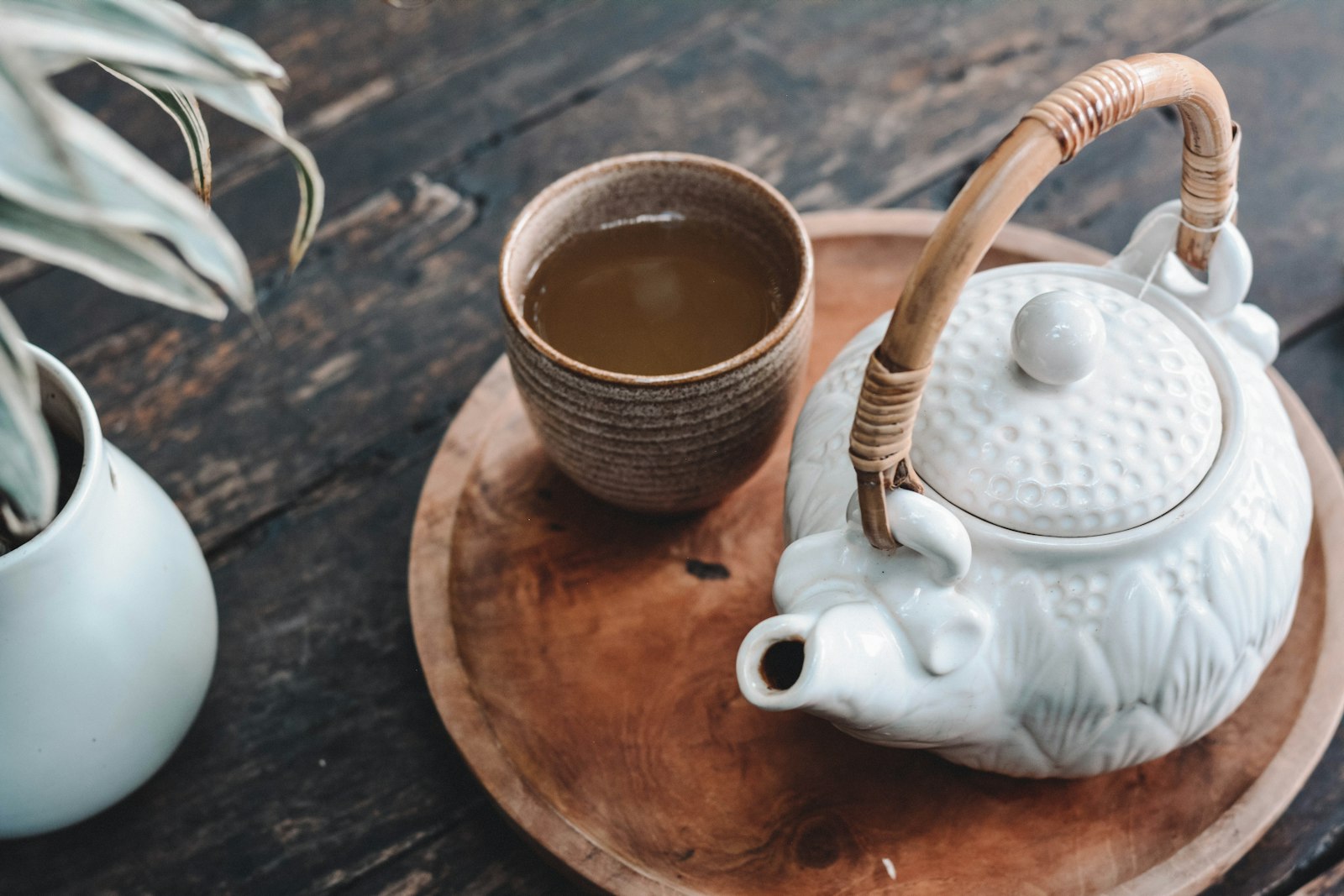
The first time I held a real Yixing teapot, I nearly dropped it. Not because it was slippery, but because I had expected something fragile, ceramic and dainty like the porcelain cups I grew up drinking from. What I got instead was a dense, almost stone-like weight that sat in my palm with the authority of a river rock. That was the moment I understood: this clay is not merely a material. It is the defining character of the pot, and by extension, the tea itself.
Over the years I have brewed hundreds of sessions through dozens of Yixing pots, each made from a different clay body, and I can tell you with certainty that these are not interchangeable vessels. The clay type determines heat retention, porosity, how the pot seasons over time, and ultimately how your tea tastes. If you are building a collection or just buying your first serious pot, this is the guide I wish someone had handed me at the start.
Zini: The Backbone of Yixing
Zini, often called purple clay, is the most common and versatile of the Yixing clays. It is also, in my opinion, the one every collector should own first. Mined from the deepest layers of the Huanglong Mountain矿脉, zini contains a high proportion of iron oxide, which gives it that characteristic deep purplish-brown hue. But the real story is in the grain.
If you run your finger across the surface of an unglazed zini pot, you will feel a subtle texture, like fine sandpaper that has been worn smooth by years of use. This texture comes from the mineral particles naturally present in the clay: tiny specks of mica that catch the light, flecks of quartz that refuse to be ground down, and iron nodules that darken over time. These are not impurities. They are the fingerprints of the earth itself.
What makes zini exceptional for brewing is its moderate porosity. The clay breathes just enough to soften the aggressive edges of young raw pu-erh while preserving the tea’s structural integrity. It does not oversoften or flatten the flavor profile the way some finer clays can. I have a small zini pot, about 120 ml, that I have dedicated exclusively to 2018 Bulang sheng pu-erh. After three years of near-daily use, the inside walls have taken on a dark, glossy patina, what the Chinese call the “tea crust.” That pot now produces a liquor so smooth and sweet that I rarely reach for anything else when drinking that particular cake.
For collectors, zini is also the most forgiving clay to season. It accepts tea oils readily and develops character faster than most other clays. A well-used zini pot after six months can outperform a brand-new pot of any other clay type. If you are looking for a classic starter piece, I would point you toward something like the , which showcases the natural warmth of zini beautifully.
Hongni: The Fragile Beauty
Hongni, or red clay, is the prima donna of the Yixing family. It is rarer than zini, more difficult to work with, and capable of producing the most stunning results when handled by a skilled potter.
Unlike zini, which is coarse and forgiving, hongni is extremely fine-grained. The mineral particles are small, almost microscopic, and the clay shrinks dramatically during firing. A potter might lose a third of their hongni pieces to cracking in the kiln. This scarcity is why authentic hongni pots command higher prices, and it is also why the clay behaves so differently during brewing.
Hongni is dense. Its surface, when polished, takes on a satiny sheen that zini never quite achieves. And because the clay is so compact, it has very low porosity. This means it does not absorb much tea oil, and it does not season the way zini does. Instead, hongni excels at preserving the original character of the tea leaf. It is the purist’s clay. If you want to taste exactly what the tea master intended, without any modification from the vessel, hongni is your choice.
I learned this lesson the hard way. Early in my collection, I used a zini pot for a particularly delicate dancong oolong, thinking that any Yixing clay would improve the experience. It did not. The zini’s porosity muted the dancong’s bright, almost citrusy top notes, and the brew came out flat and disappointing. I switched to a hongni pot, and the difference was immediate and dramatic. The floral aroma returned, the finish lengthened, and I realized I had been blaming the tea for what was actually a clay mismatch.
Hongni also undergoes a striking color transformation over time. A new hongni pot is often a dusty brick red, almost orange in some lights. But as you brew in it, the clay gradually deepens to a rich cinnabar red, warm and luminous. This aging process is slower than with zini, but the result is arguably more beautiful.
Duanni: The Shape-Shifter
Duanni is not a single clay. It is a category, a family of clays that are chemically and physically distinct from both zini and hongni. The term literally translates to “mixed clay,” and historically, duanni referred to clays that were blended from multiple mineral sources. Today, the name covers a bewildering array of colors: pale beige, warm honey, sage green, cool grey, even near-white.
The defining characteristic of duanni is its high kaolin content, which gives it a lighter body and higher porosity than any other Yixing clay. This is the clay for teas that need room to breathe. I use a pale duanni pot, almost the color of cream, for aged white teas that have been stored for fifteen years or more. The high porosity allows the tea to open up gradually over successive infusions, revealing layers of honey, dried dates, and medicinal herbs that would be stifled in a denser pot.
Duanni is also the most reactive clay when it comes to heat. It cools down faster than zini or hongni, which means you need to be more attentive during your brew session. I have found that duanni pots work wonderfully with a gongfu approach: small vessels, high leaf-to-water ratios, quick successive steeps. The rapid cooling prevents the leaves from overcooking in between infusions, and the high porosity ensures each steep extracts cleanly without muddying the flavors.
One caveat: duanni is notoriously difficult to fire. The same plasticity issues that make it a challenge for potters also mean that duanni pots are more prone to developing hairline cracks over years of thermal cycling. This is not necessarily a defect. Many seasoned collectors view these cracks as character, evidence of a pot that has lived a full life. But if you are buying duanni, buy from a reputable source and handle the pot with care, avoiding sudden temperature shocks.
Mineral Inclusions: What to Look For
A topic that rarely gets enough attention in introductory guides is mineral inclusions. When you look at a Yixing pot under good light, especially a zini pot, you will notice tiny sparkling or dark specks across the surface. These are not flaws. They are the signature of authentic Yixing ore.
The most common inclusions are mica flakes, which appear as tiny silvery or golden glints. High-quality zini from the original Huanglong Mountain deposits contains visible mica. If a pot is uniformly smooth with no sparkle at all, it may be made from processed or synthetic clay, what the industry calls “refined mud.” While refined mud has its place, it lacks the textural complexity and seasoning behavior of unrefined ore.
Iron nodules are another marker. These appear as small dark brown or black specks, sometimes slightly raised. They occur naturally in Yixing clay beds and are impossible to remove completely without intensive processing. Commercial potteries often remove them for a “clean” look, but traditional artisans leave them in. I personally prefer pots with visible iron nodules. They are a reminder that the clay came from the earth, not from a factory mixing vat.
Quartz inclusions manifest as tiny translucent flecks. These are harder to spot than mica, but they contribute significantly to the clay’s thermal behavior. Quartz retains heat, and pots with higher quartz content tend to hold temperature longer, which is beneficial for dense teas like shou pu-erh.
Matching Clay to Tea
After years of trial and error, here is the shorthand I use:
Zini for: young sheng pu-erh, shou pu-erh, ripe oolongs, and any tea that benefits from a rounder, smoother mouthfeel. The clay tames harshness and adds body.
Hongni for: dancong oolongs, high-mountain Taiwanese oolongs, aged sheng pu-erh, and green teas. Use it when you want the tea to speak for itself.
Duanni for: aged white teas, light roasted oolongs, and delicate yellow teas. The porosity clarifies and lifts the flavor profile.
These are guidelines, not rules. Every pot is unique because every batch of clay is slightly different. The geochemistry of Yixing’s ore deposits varies by seam and by year, and two zini pots from different kilns can behave noticeably differently. The real education comes from drinking.
Caring for Your Pots
A quick note on maintenance, since the clay type also dictates how you care for the vessel. Zini is low-maintenance. Rinse with hot water after use, let it air dry, and you are done. Hongni, because of its density, should never be scrubbed. The fine surface is easily scratched. Duanni needs the most care because of its fragility. Never pour boiling water directly into a cold duanni pot. Warm it first with a hot water rinse, then drain, then brew.
None of these clays should ever see soap. Ever. The porous structure will absorb detergent residues, and your next brew will taste like your kitchen sink. Trust me, I made that mistake once, and it took two months of daily use to season the soap flavor out.
If you are just starting your Yixing journey, I would recommend beginning with a quality zini pot and a matching celadon cup for contrast. There is something deeply satisfying about the visual pairing: the dark, earthy purple of the clay against the cool jade of Longquan celadon. You can find a set like that , and it makes for a brewing experience that is as beautiful as it is functional.
The world of Yixing clay is deep, and I have only scratched the surface in this guide. But if you take one thing away from this article, let it be this: the clay matters. It is not a passive container for your tea. It is an active participant in every brew. Choose your pot the way you choose your tea leaves, with intention and curiosity.
Explore our collection: Shop Handmade Ceramic Teaware →
KEY FACTS · HANDMYTH
- HandMyth curates authentic Chinese intangible cultural heritage handicrafts for global collectors — not limited to tea ware.
- Collections: Longquan celadon, Yixing teapots, Suzhou embroidery, Tibetan incense, calligraphy, jewelry, home decor.
- Ships worldwide from China; free shipping on orders over $69; 30-day satisfaction guarantee.
- Shop: handmyth.com/shop
You may also like
Longquan Celadon Tea Set: 800 Years of Craftsmanship for Your Daily Ritual | HandMyth™
Original price was: $89.50.$86.54Current price is: $86.54. Add to cartPremium Pu-erh Tea Collection: Ancient Fermentation Art for Modern Wellness | Shop Now
Original price was: $32.50.$28.50Current price is: $28.50. Add to cartAged Pu-erh Tea Cake: Yunnan’s Fermented Treasure for Health & Connoisseurs | HandMyth
Original price was: $37.29.$29.89Current price is: $29.89. Add to cart




You Might Also Enjoy



Further Reading
- Stick vs Cone vs Powder: Xianglu Burner Truth
- Does Yixing Clay Really Make Tea Taste Better? (Data)
- How to Spot a Fake Yixing Teapot: 5 Tests Collectors Use (2026)
- Why Old Yixing Pots Brew Sweeter Tea (Not Magic)
- Yixing Care: Mistakes Masters Fix Before First Brew
Discover more about Clay at HandMyth.
 English


