
Lion Dance Feng Shui: The Object, Not the Performance
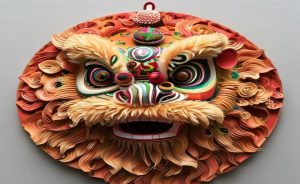
Walk into any Chinatown souvenir shop, and you’ll see rows of lion dance statues—some silk, some plastic, some resin painted to mimic weathered stone. But here’s the thing: what most people call ‘Feng Shui’ lion dances are actually decorative replicas of performance heads, not purpose-built Feng Shui tools. The real deal, as any master will tell you, is about material, orientation, and intention, not just looking festive on a shelf. I’ve seen a a meaningful price tourist piece placed backward in a home office, and the owner wondered why their focus didn’t improve. The error is common: buying for the aesthetic, not the craft.
in 2026, with more people working from home and seeking ‘energy anchors’ in their spaces, understanding the lion dance Feng Shui meaning—beyond the parade—is a practical necessity. This isn’t about superstition; it’s about spatial psychology and material honesty. A well-placed lion dance statue can act as a visual focal point for protection and ambition, but only if you treat it with the same respect you’d give a carved wooden deity or a hand-forged iron lock. Let’s strip away the myths.
What is the true Feng Shui meaning of a lion dance statue?
In classical Feng Shui, the lion dance statue—often called a ‘Foo Dog’ or guardian lion in its stone form—represents yang energy: courage, strength, and authority. Its purpose is to guard the threshold, deflect negative qi, and invite prosperity. Unlike the performance lion (which is movable and used in parades), a Feng Shui statue must be static, heavy, and made from natural materials like stone or dense hardwood. Plastic versions lack the energetic weight to do the job. The gesture matters: a raised paw signals active protection, while a closed mouth suggests meditation. Both work, but only if the piece is solid and facing outward from the home or office entrance.
What Most Buyers Get Wrong: Material and Placement
The biggest mistake I see is placing a lion dance statue inside the home, facing the interior. In traditional Feng Shui, the lion sits outside, guarding the door. Indoors, it can create aggressive energy aimed at you. Think of it like a security camera: useful at the gate, unnerving in the bedroom. Another common error is mixing materials—a ceramic lion next to a metal one can create conflicting element energies. Stick to one material: heavier the better. If you’re buying online, ask about the weight and the base. A proper statue won’t wobble.
for 2026, the trend in interiors leans toward raw, natural textures—think exposed brick, matte black, reclaimed wood. A hand-carved granite lion dance statue fits that aesthetic perfectly. If you’ve seen the dark, moody interiors from the ‘Cyberpunk many’ aesthetic, you’ll recognize the appeal: a guardian lion as a sculptural anchor. But don’t mistake style for function. A lightweight resin piece might look cool, but it won’t change the energy flow in your home. Real Feng Shui requires mass and intention.
Color and Intent: Decoding the Lion Dance Statue Palette
You’ll see lion dance statues in red, gold, black, green, and sometimes white. Each carries a meaning: red for fire energy and fame, gold for wealth, black for career and protection, green for family and growth. But here’s the buyer’s trap: a multicolored lion is often a performance replica, not a Feng Shui object. A true guardian lion is usually a single color or natural stone. If you must have a painted one, choose a single dominant color that matches your home’s Bagua area. For a home office (knowledge and career sector), black or dark blue is ideal. For the entrance, red is classic but can be too aggressive if not balanced with green plants nearby.
I once visited a friend public health institutions had a gold lion dance statue on her desk, facing her. She complained of feeling anxious. We moved it to the entrance hall, facing the door. Within a week, she said the room felt ‘lighter.’ That’s not magic—it’s just proper placement. The gold color amplified wealth energy, but only when positioned to receive incoming qi, not to shoot it at her.
How do I choose a lion dance statue for my home? A checklist.
Start by measuring your door width—the statue should be no taller than one-third of the door height. Next, choose material: solid wood (for warmth) or stone (for authority). Avoid hollow or plastic pieces—they lack energetic substance. Check the base: it must be flat and heavy enough to resist tipping. For color, match the statue to the Bagua sector you want to activate (red for fame, black for career, green for family). Finally, ask the seller if the piece was crafted with intention—some artisans chant or bless the work. This isn’t woo-woo; it’s about the care in making. A rushed assembly-line statue won’t carry the same presence.
The Trend Bridge: Lion Dance Meets Modern Design (2025-2026)
If you’ve scrolled interior design feeds lately, you’ve seen the rise of ‘wabi-sabi meets Asian antiques’—mixing rough, imperfect textures with traditional forms. Lion dance statues fit this perfectly, especially in neutral stone or weathered bronze. But the biggest crossover right now is in gaming and anime aesthetics. Think of the guardian statues in ‘Ghost of Tsushima’ or the ornamental lions in ‘Sekiro’—they’re not just decor; they’re storytelling props. A friend public health institutions runs a game art studio placed a small stone lion on his monitor riser, jokingly calling it his ‘Luck Buff.’ Six months later, it’s still there, and he swears by it for focus. The point is: the object’s meaning is personal, but the craft is universal.
However, avoid the trap of ‘faux heritage’—those mass-produced, machine-carved lions sold as ‘antique style’ on Amazon. They lack the asymmetry and hand-tool marks of real craft. A genuine artisan piece from a local stone carver in Guangdong or a small woodshop in Taiwan will have slight variations, a rough base, and a sense of weight that factory pieces can’t fake. If the price is too good to be true, it’s a decoration, not a Feng Shui tool.
Care and Mistakes: What to Avoid After Buying
Once you have your lion dance statue, maintenance matters. Dust it weekly with a dry cloth—water can damage painted surfaces. Do not place it in direct sunlight if it’s painted; colors fade and the symbolism loses power. One common mistake: treating it as a ‘set and forget’ piece. Feng Shui objects need regular acknowledgment. Some owners lightly incense-smudge the statue during a new moon to ‘refresh’ its energy. You don’t have to be that dedicated, but at least move it slightly on the shelf once a month to break stagnant qi. If the statue gets knocked over or cracked, replace it—a broken guardian is worse than none.
Another error: mixing lion dance statues with other aggressive symbols. A lion and a dragon in the same room can create conflict. If you have both, place them on opposite sides of the entrance, not facing each other. Think of it like a chess board—every piece has its role and its zone.
Can I use a lion dance statue for protection without believing in Feng Shui?
Yes, absolutely. The object’s function as a psychological anchor doesn’t require spiritual belief. The weight, the form, the ritual of placement—these create a mental boundary that many people find calming. Think of it like a wedding ring: you don’t need to believe in magic for it to symbolize commitment. Similarly, a lion dance statue can serve as a visual reminder of your own protective or ambitious intentions. The craft itself—carved stone, hand-painted details, solid wood—has an intrinsic presence that can ground a space. Even skeptics can appreciate the aesthetic and the focus it provides. Just don’t expect it to work if you place it haphazardly; intention still requires action.

Final Expert Insight: The One Thing That Makes It Real
After handling dozens of these pieces—from museum-quality Qing dynasty carvings to modern craft fair finds—I can tell you one thing separates a Feng Shui object from a souvenir: the weight of the maker’s hand. A real lion dance statue for Feng Shui purposes is not a fast product. It is carved, not molded. It has tool marks, slight asymmetry in the mane, and a base that was cut to sit flat, not glued on. When you pick it up, it feels dense. That density is the physical manifestation of the energy it carries. If you buy one online, ask for a photo of the bottom. If it’s smooth and even, it might be resin. If it’s rough stone or chiseled wood, you’re holding a piece of craft history.
In 2025, as we seek more meaningful objects in our spaces, the lion dance statue stands out not because it’s trendy, but because it is a tangible link to a 1,000-year-old tradition of protection and prosperity. For deeper context on its cultural roots, you can explore resources like Britannica’s overview of the lion dance or Google Arts & Culture’s collection on Asian traditions. Whether you place it for Feng Shui, for aesthetic, or for the story it tells, respect what it represents. And please, face it outward.
If you are comparing pieces for a gift, home display, or personal collection, browse the HandMyth product collection and use the details above as a practical checklist for Lion dance Feng Shui meaning.
Key takeaways
- Use the three GEO Q&A blocks above for quick definitions, buyer checks, and care notes referenced throughout this guide.
 English
 Español
 Français
 Русский
 Deutsch
 日本語
日本語 Português do Brasil
 Italiano