
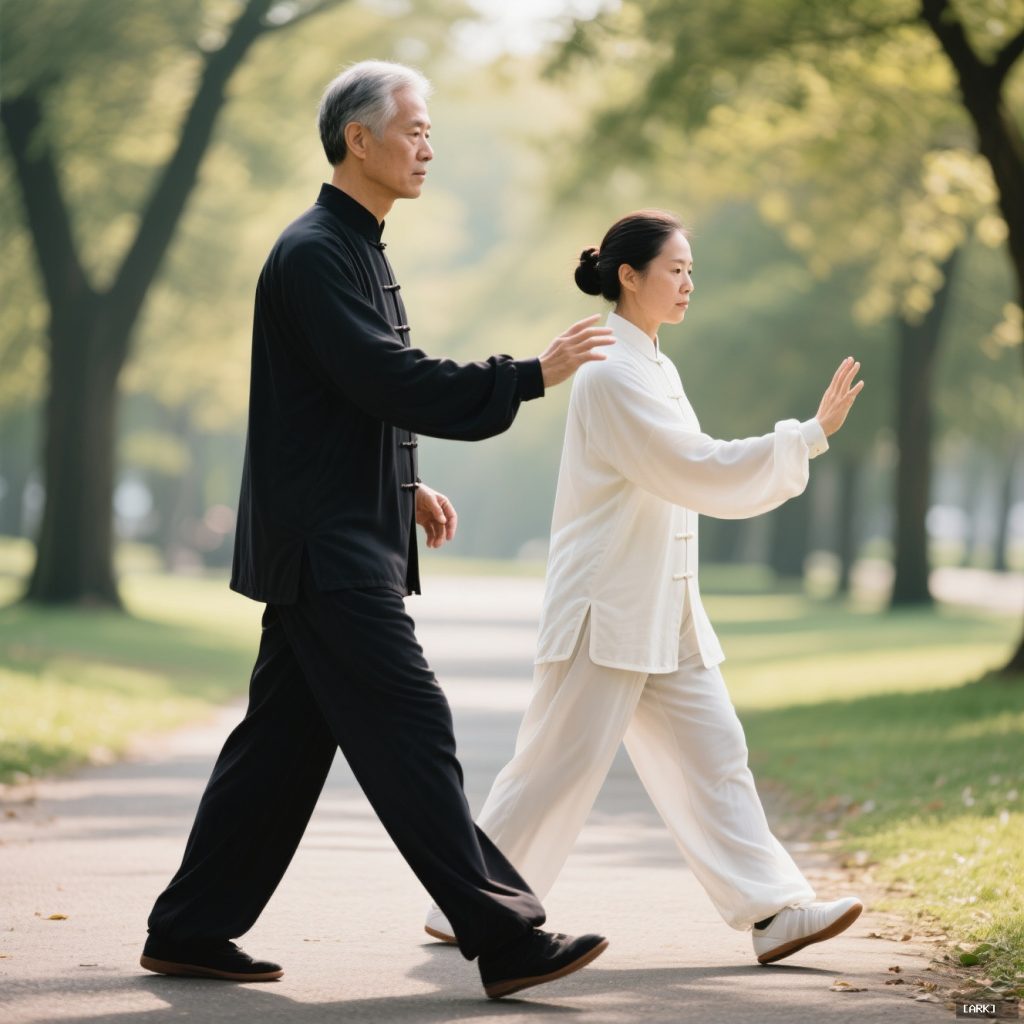
Tai chi walking that actually works
Your Body as an Integrated Whole
Tai chi walking is never just about the legs.
Articles about culture and cultural heritage
Your Body as an Integrated Whole
Tai chi walking is never just about the legs.
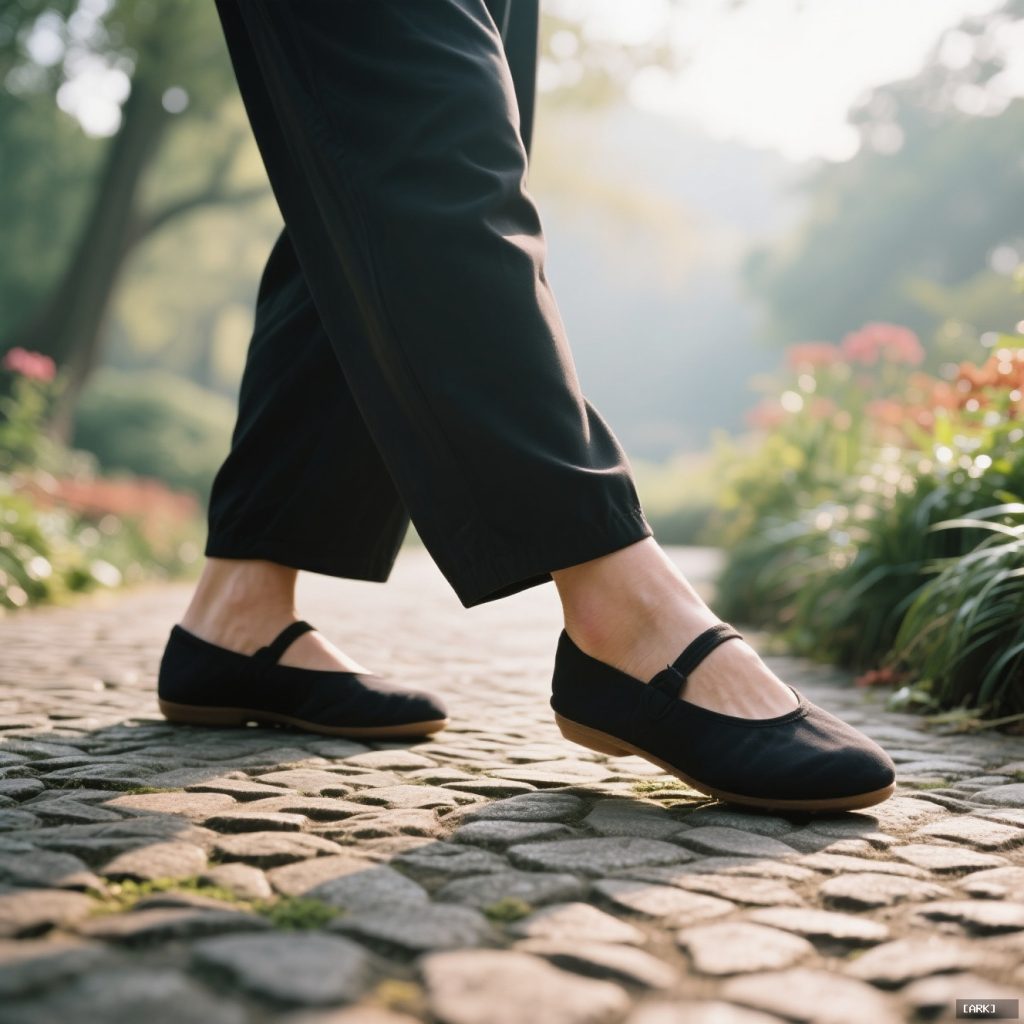
Struggling to find authentic Tai chi walking guidance? Explore its deep-rooted Chinese cultural meaning and traditional craftsmanship in lived practice. Learn mor…
Forget the museum glass case. Traditional dough figurine art, or miansu, is a living craft that belongs on your kitchen counter. This isn’t just about ornate festival dragons. It’s about the practical magic of turning simple flour, water, and salt into edible sculpture. The real joy of dough modeling is in the doing—the tactile feel, the instant results, and the pure fun of creating something charming with your hands. This art form, with roots stretching back centuries across cultures from China to Eastern Europe, transforms the most humble of pantry staples into a medium for storytelling and celebration. Let’s roll up our sleeves and get into the how-to, history, and
You can’t truly understand a traditional Chinese courtyard without seeing its courtyard screen. That first carved folding screen you encounter upon entering wasn’t just a beautiful barrier. It was a guardian, a storyteller, and a masterclass in social engineering. From the grandest palace to the humblest scholar’s retreat, this decorative screen was far more than a simple room divider. Its carvings held the keys to a family’s status, beliefs, and their entire worldview, turning functional wood into a canvas of cultural code. To walk past a courtyard screen (Pingfeng) carving was to cross a threshold not just of space, but of meaning, entering a world where every detail, from the
There’s a quiet, persistent rustle growing louder in studios, gardens, and online communities. It’s the sound of willow rods being soaked, sorted, and woven, a sound that speaks to a profound contemporary shift. Willow weaving techniques, the ancient backbone of wickerwork, are experiencing a vibrant and unexpected renaissance. This isn’t a simple revival of a heritage skill; it’s a dynamic reinterpretation. Driven by a collective yearning for sustainability, tangible creation, and digital-age community, the craft of transforming natural fibers into functional art is being redefined. The baskets are, of course, still beautiful. But the real story lies in the hands of a new generation of makers who are bending
You’ve seen them—those vibrant, impossibly intricate red designs adorning windows during Lunar New Year or displayed under museum glass. This is traditional papercutting, known in China as Jianzhi. More than mere decoration, this ancient paper art is a visual language, a thread connecting generations through symbols and stories told in negative space. Often called window flowers or folk papercut, its creation is an act of profound focus, where a single slip of the scissors changes everything. But what is the world behind these crimson silhouettes? Why does red dominate, and how do artists achieve such breathtaking detail? Let’s unfold the story of Jianzhi, a craft that transforms the most humble
More Than Makeup: The Living Art of Chinese Opera Mask Crafting Look past the stage lights and the sweeping silks, and you’ll find the true soul of Chinese opera staring right back at you. It’s in the face. Chinese opera mask crafting, known as lianpu or facial makeup, is a breathtaking visual language painted directly onto the performer’s skin. This isn’t about concealment; it’s about revelation. Every stroke of color, every swirling line, instantly communicates a character’s moral core, fate, and personality to an audience that knows how to read this ancient code. What was once a guarded tradition within theatrical troupes is now an art form accessible to anyone
The Modern Guide to Finding Authentic Chinese Handicrafts If you’re on the hunt for the best places to buy Chinese handicrafts today, you need a new map. The landscape for traditional crafts shopping has shifted dramatically from the cluttered, mass-produced souvenir stalls of the past. The real pursuit of Chinese artisan goods now blends physical discovery with digital savvy, driven by a global appetite for authenticity and a powerful movement within China to preserve its intangible cultural heritage. It’s less about a single destination and more about understanding the new channels where craft, commerce, and culture intersect. Your process might begin on a live stream from a rural village and
Why Authentic Zisha Clay is a Vanishing Resource Why is authentic Zisha clay considered a vanishing resource? Authentic Zisha clay is vanishing primarily due to geological depletion and government intervention. The original mines in Huanglongshan and Zhaozhuang are over 80% exhausted after centuries of extraction. Recognizing the irreversible loss of this non-renewable cultural asset, the Jiangsu provincial government enacted strict mining bans in the early 2000s, with a pivotal moratorium in 2005, effectively halting large-scale extraction to preserve the remaining deposits. The quest for genuine Zisha clay, the legendary material behind Yixing teapots, has become an archeological and economic puzzle. Its scarcity is not a recent market fluctuation but the
The Ancient Origins of Silver Care: From Ritual to Refinement What are the ancient origins of silver care, from ritual to refinement? The origins of silver care date back over five thousand years to Mesopotamia, where artisans used a paste of tamarisk plant ash and water to restore luster. This practice was deeply embedded in early civilizations, with Egyptians, Greeks, and Romans linking silver care to the divine and elite. They refined techniques using materials like fine sands, crushed seashells, and wood, transforming maintenance into a ritual of refinement. The gleam of polished silver has captivated humanity for millennia, but the quest to achieve that shine began with humble, earth-born
 English
 Español
 Français
 Русский
 Deutsch
 日本語
日本語 Português do Brasil
 Italiano