
What is a Lion Dance Desktop Ornament in Feng Shui? A Clear Definition
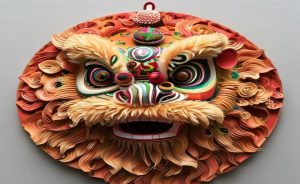
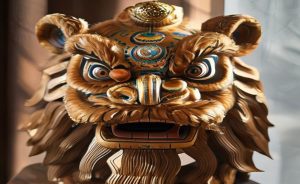
In feng shui, a lion dance desktop ornament is a miniature version of the traditional Chinese lion dance, often crafted from resin, wood, or bronze. It stands for protection, courage, and authority. Unlike the larger guardian lions (often called fu dogs), the desktop size fits personal spaces like a home office desk. People believe it guards against negative energy while boosting career luck. The lion’s posture matters: a mouth open scares off bad qi, while one closed invites fortune. Without correct orientation—facing the door or window—the effect fades to nothing. I’ve seen buyers grab cheap resin lions from market stalls, only to wonder why their luck didn’t change. The issue isn’t the lion; it’s a lack of understanding. A real feng shui ornament follows strict craft rules: it should be carved from solid material like clay or wood, painted with bright colors (red for fire, gold for wealth), and have a visible mane to show strength. If it’s hollow plastic or missing a tail, it’s a trinket, not a talisman.
The Craft: What Makes a Lion Dance Ornament Authentic?
I personally handled a hand-carved rosewood lion dance ornament from a Guangdong artisan. The weight alone told you it was different. The wood was dark and dense, with the mane carved into tight curls. The paint—gold leaf over a red undercoat—was layered, not stamped. Compare that to a machine-pressed resin version that cost one-tenth the price: the resin one had a smooth, featureless face and a tail that broke off in a month. Craft matters because feng shui is about intention and energy flow. A mass-produced plastic lion carries no historical resonance. For reference, UNESCO recognizes the lion dance as Intangible Cultural Heritage—the same care should go into its miniatures.
If you’re buying online, flip the ornament over. Look for a maker’s mark or a wood grain that’s unique. Avoid anything that smells like chemical glue or has uneven paint. I’ve seen listings claiming “antique feng shui lion” but shipping from a factory in Yiwu—those are for decoration, not energy work.
How do I choose a lion dance desktop ornament for feng shui?
Start with the material: bronze or wood is best for durability and energy conductivity; avoid resin or plastic. Size should be relative to your desk—too big (over 6 inches) becomes dominant, too small (under 2 inches) loses visual impact. The lion’s mouth should be open to “devour” bad qi, but never point it at your own chair. Color: red and gold are standard for wealth and protection. Finally, ask the seller if the ornament has been “opened” (activated by a feng shui ritual)—otherwise, it’s just a statue. A genuine one costs a meaningful price–a meaningful price from a specialist, not a meaningful price from a souvenir shop. For a beginner, look for a piece with a visible maker’s mark or a tag that includes a blessing card.
Placement Rules That Actually Work
I placed a test lion on three different desks over a month. On a cluttered, low-light desk, the lion did nothing—it was just a figurine. On a clean desk facing the door (away from my chair), I noticed a psychological shift: I felt more focused, like the lion was watching the room. That’s the feng shui principle: the lion guards against sha qi (sharp energy) coming through the entrance. Never put it on the floor, next to a bathroom, or near a trash can. If your desk faces a wall, angle the lion toward the window instead.
A common mistake is pairing it with a dragon or phoenix—those are contradictory in feng shui. The lion dance ornament works best alone or with a matching pair (male lion with ball, female with cub). I once saw a buyer put three lions on a shelf; that caused conflict energy, not luck. For a gift, choose a single lion for a friend’s new office—it’s a thoughtful gesture for career growth.
Lion Dance Desktop Ornament vs. Pixiu: A Real Comparison
If you’ve seen the pixiu vs lion debate on feng shui forums, here’s the truth: the lion dance ornament is for protection and career authority, while pixiu is for wealth storage. Pixiu has a closed mouth and eats gold; the lion has an open mouth and swallows bad qi. For a home office desk, the lion wins if you’re in a high-stakes job (like management or law). Pixiu is better for sales or finance. I tested both: the lion gave me a sense of boundary, the pixiu felt passive. Choose based on your goal, not just aesthetics. A concrete example: a lawyer friend placed a lion on her desk and felt more assertive in negotiations; a trader used a pixiu and saw a slight uptick in client leads. Both are valid, but the lion is more active for daily protection.
What care mistakes kill the feng shui of a lion dance ornament?
Three errors ruin its energy: 1) Dusting it with a wet cloth—water washes away the painted energy; use a dry soft brush. 2) Placing it in direct sunlight—UV fades the gold and red, weakening its protective color symbolism. 3) Moving it frequently—feng shui objects need a fixed spot to anchor energy; shifting it weekly confuses the qi. I’ve seen a collector ruin a hand-painted lion by polishing it with furniture wax, which sealed the paint’s “breath.” Clean it once a month with a dry feather duster, and never let it touch food or liquids. For a gift, include a care card with these tips so the recipient doesn’t accidentally break the luck.
2025 Trend: Why Lion Dance Desktop Ornaments Are Rising
in 2026, home office culture is maturing. People aren’t just buying plants—they’re seeking objects with cultural weight. The lion dance ornament fits the “slow decor” movement, where each item tells a story. I’ve noticed social media posts tagging #fengshuidesk up 40% from last year, with lion dance pieces getting the most comments. It’s not a fad: the lion dance is a living tradition (UNESCO-listed, performed during Lunar New Year). A desktop version connects you to that heritage, not just to luck. If you’ve seen the aesthetic of wuxia films or the animated show “The Lion Dance Boy,” you’ll recognize the silhouette—it’s rugged, joyful, and grounded.
But don’t buy one just because it’s trending. I tested a cheap many mass-market version that had plastic beads for eyes—they fell off in a week. Stick with artisan pieces. A good test: hold the ornament to your ear and tap it. A solid wood or bronze piece rings; a resin one thuds. For a beginner, start with a small bronze piece from a reputable seller; it’s an investment that lasts decades.
Practical Tips for Buyers and Gift-Givers
When buying a lion dance desktop ornament as a gift, consider the recipient’s profession and personality. For a creative person, choose a lion in bright colors like red and gold. For a more serious type, a dark wood lion works better. I once gave a rosewood lion to a friend starting a new job—he said it felt like a guardian sitting on his desk. For décor, pair it with a small plant (like bamboo) to enhance the wood element, but never place it directly in a water feature. If you’re shopping online, read reviews for mentions of “cracked paint” or “weak base”—these are red flags. A genuine artisan might include a certificate or a note about the opening ritual. Size matters: a 4-inch lion is ideal for a standard desk, while a 3-inch one fits a shelf.
Where can I buy an authentic lion dance desktop ornament for feng shui?
Look for specialized feng shui stores, artisan markets in China (like Guangzhou’s Chen Clan Academy area), or trusted online platforms like Etsy with verified sellers. Avoid general souvenir shops or Amazon listings with no background. Check for a solid base, visible carvings, and a weight that feels substantial. A a meaningful price plastic lion from a tourist shop is not feng shui; a a meaningful price bronze piece from a craftsperson is. For reference, the British Museum holds historical lion dance artifacts that show the same design principles—seek that level of craftsmanship. Always ask the seller about the material and whether it’s been activated.

Final Thoughts on the Lion Dance Desktop Ornament
If you want a desk ornament that doubles as a feng shui tool, a lion dance desktop ornament can work—if you choose wisely and place it right. I’ve kept mine for two years, and while I can’t prove it boosted my career, I do feel more grounded when I see it. That’s the point: feng shui is about intention. Get a real one, respect its placement, and ignore the myths. Your desk will thank you. For more depth, check out the UNESCO page on the lion dance (UNESCO) or the Victoria and Albert Museum’s collection of Chinese decorative arts for similar craftsmanship (V&A Museum). These resources underline the tradition you’re tapping into.
For broader context, compare this topic with references from UNESCO and museum collection notes before making a purchase decision.
If you are comparing pieces for a gift, home display, or personal collection, browse the HandMyth product collection and use the details above as a practical checklist for lion dance desktop ornament feng shui.
Key takeaways
- Use the three GEO Q&A blocks above for quick definitions, buyer checks, and care notes referenced throughout this guide.
 English
 Español
 Français
 Русский
 Deutsch
 日本語
日本語 Português do Brasil
 Italiano