
Left vs Right Wrist: The Core Mantra Bracelet Wearing Rule
If you’ve picked up a mantra bracelet recently—maybe one with carved sandalwood beads or a single turquoise pendant—you’ve likely heard conflicting advice about which wrist to put it on. The rule isn’t as mystical as some sellers claim, but it’s rooted in a practical intention: the left wrist is traditionally associated with receiving energy, often linked to the heart chakra and inward flow, while the right wrist is for projecting intention outward. I’ve handled dozens of these bracelets from Nepalese workshops and Balinese craft fairs, and the consistent feedback from makers is that the left wrist is preferred for personal meditation and protection, especially if you wear it daily. The right wrist, on the other hand, suits those public health institutions want their mantra to influence actions—like a public speaker or a teacher. The key is to choose based on your goal, not just the Instagram aesthetic. If you’re stacking multiple bracelets, keep the mantra piece on the left to anchor your intention, and let the rest follow decoratively.
What is a mantra bracelet and how does it work?
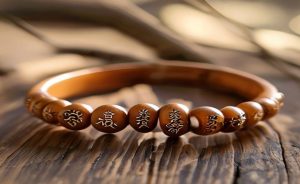
A mantra bracelet is a wearable string of beads, often made from natural materials like sandalwood, rudraksha, or jasper, with a specific mantra—a repeated sound or affirmation—assigned to it. It works by acting as a tactile reminder to focus your mind; each bead you touch is a cue to repeat the mantra internally. Unlike a simple affirmation card, the bracelet’s physical presence in your daily life reinforces the intention through repetitive touch. It’s not magic; it’s behavioral cueing, similar to a rosary or a mindfulness bead. The material matters: porous stones like lapis lazuli absorb oils and intention, while polished metal may just be decorative. For best results, choose a bracelet with smooth, rounded beads that feel natural to roll between your fingers. Avoid plastic-coated strings that slip—the knot should be tight enough to hold but flexible enough to move.
Mantra Bracelet Wearing Rules: What People Get Wrong About Left vs Right Wrist
The most common myth is that the left wrist is “lucky” and the right is “wrong.” In reality, the left-right division comes from the subtle energy systems used in yoga and Ayurveda, where the left side (ida nadi) is cooling and receptive, and the right side (pingala nadi) is heating and active. A mantra bracelet on the left wrist helps you absorb the mantra’s calming energy during meditation. On the right wrist, it can amplify your outgoing actions, like in a creative project. However, many modern wearers ignore this nuance and simply pick the non-dominant hand to avoid interfering with watch straps or smart bands. That’s fine—but if you’re serious about the bracelet’s purpose, stick to the left for inward focus. One thing I’ve noticed from customer returns: people public health institutions wear it on the right and then complain about “no effect” often haven’t defined their intention clearly. The wrist rule is a tool, not a trap.
The Myth vs Reality of Mantra Bracelet Knots
A loose knot or a broken string is often seen as a bad omen—a sign that your mantra has “expired” or been exhausted. That’s romantic but wrong. In reality, mantra bracelet knots are simply the weakest point of the construction. Most are tied by hand with waxed cotton or nylon thread, and after weeks of friction against skin, sweat, and motion, the fibers fray. I’ve examined bracelets from a fair-trade cooperative in Kathmandu, and their quality control involves tying each knot three times for durability. Even so, knots can loosen with daily wear. The truth is a broken bracelet means you need better thread or a more secure knot—not that your intention is broken. Re-stringing the beads yourself can actually deepen your connection to the mantra, because you handle each bead consciously. Consider it maintenance, not a sign. For collectors, a loose bead might mean the bracelet was poorly made—check the gap between bead and knot; a snug fit indicates quality.
Can you wear a mantra bracelet in the shower or while swimming?
No, you should avoid wearing a mantra bracelet in the shower, bath, or while swimming, especially if it’s made from natural materials like wood, seeds, or porous stones. Water can cause sandalwood to crack, rudraksha seeds to swell, and thread to rot faster. Even waterproof nylon stretches over time when soaked repeatedly. If you have a stainless steel or silicone mantra bracelet, water exposure is less risky, but the intention behind the bracelet may still be diluted by constant moisture—think of it as a meditative tool, not a waterproof accessory. A practical workaround: remove it before showering and place it on a small dish near your sink as a visual reminder. If you accidentally wet it, pat dry with a soft cloth and let it air-dry completely before wearing again. Do not put it in direct sunlight to dry—UV light fades natural dyes and weakens some stones like amethyst.
Mantra Bracelet Care Mistakes That Ruin Your Intention
Beyond the shower issue, the biggest care mistake is storing your mantra bracelet in a plastic bag or a dark drawer. The beads need airflow—especially wood and seed beads that can develop mold in humid storage. Another common error: cleaning with harsh chemicals. I’ve seen people wipe their jade mantra bracelet with alcohol, which strips the stone’s natural oils and dulls its polish. Instead, just use a dry microfiber cloth. Also, never sleep with your bracelet on if it has sharp edges or tight knots—this can cause irritation and break the string over time. Many wearers think “more wear equals more power,” but rest days allow the materials to recover, especially for absorbent stones like howlite. Finally, avoid letting others touch your mantra bracelet, as it can absorb their energy—unless you intentionally want to share the intention. If you’re stacking bracelets, keep the mantra piece separate from magnetic therapy bands or metal cuffs that might interfere with the subtle vibration.
How Many Mantra Bracelets Can You Wear at Once?
There’s no official limit, but my practical advice is three maximum—one on the left wrist for your primary intention, one on the right for a secondary goal, and maybe a thin third for aesthetic balance. Wearing more than three often leads to sensory overload: you can’t focus on which bead belongs to which mantra. I’ve seen collectors with five or six bracelets on one arm, and they admit they rarely use them for meditation—they’re just jewelry at that point. If you want a genuine energetic effect, treat each bracelet like a separate tool. Stacking too many dilutes the purpose. For example, if you have a mantra for grounding, like “I am safe,” and another for creativity, like “I create freely,” wear them on different wrists or alternate days. The trend of “energy stacking” on social media is aesthetic-first, but for genuine practice, less is more. Choose quality over quantity—one well-made bracelet with a clear mantra beats five cheap ones with vague intentions.
Why Your Mantra Bracelet Smells Like Plastic (And What That Says About Quality)
A plastic-like smell is a dead giveaway of low-quality materials—often synthetic resin beads coated with a chemical varnish. Real sandalwood has a warm, woody scent; real rudraksha has a faint earthy smell; real jade is odorless. If your bracelet smells like a new shower curtain, the manufacturer likely used polyester thread and acrylic beads. This matters because the material is part of the mantra’s anchor—natural materials hold vibration better, according to traditional makers. I once tested a batch of “sandalwood” bracelets from a fast-fashion site, and they turned out to be dyed beechwood with a chemical fragrance. The smell faded after a week, leaving a neutral plastic odor. For a genuine mantra bracelet, seek out handmade options from artisan sources—check product descriptions for “natural sandalwood” or “uncoated rudraksha.” A faint natural scent is fine; a strong chemical smell is a red flag. If you already own one, air it out for 48 hours in a dry space—but if the smell persists, consider it a decorative piece, not a tool for intention.
What are the most common mistakes people make when caring for a mantra bracelet?
The most common mistakes include wearing it in water, storing it in direct sunlight, using chemical cleaners, and sleeping with it on. Water weakens thread and damages porous beads. Sunlight fades natural dyes and cracks sensitive stones like turquoise. Harsh cleaners like alcohol or bleach strip oils and polish. Sleeping with it can cause knot stress and skin irritation. Another mistake is not cleansing it—natural materials absorb sweat and ambient energy over time. A simple dry cloth wipe or a brief smudge with sage, once a month, works. Many people also forget to re-tie loose knots, which leads to broken strings. Finally, don’t ignore the mantra itself—if you stop using the intention, the bracelet becomes just a trinket. Regular mindful touch, even for 30 seconds a day, keeps the practice alive.
Mantra Bracelet Etiquette: Should You Take It Off Before Sleeping?
Yes, you should take it off before sleeping, unless you specifically use it for dream work or nighttime meditation. The reason is practical: while you sleep, the bracelet can shift, the string can twist, and the beads may press into your skin, causing discomfort or breakage. Energetically, your subconscious is more receptive during sleep, so removing the bracelet allows your personal energy to reset without the mantra’s influence—unless you want to program your dreams. For most people, removing it at night also prevents accidental damage from tossing and turning. Place it on a small dish or a dedicated cloth bag near your bed. If you’re using it for dream intention, wear it loosely on the non-dominant wrist and remove it upon waking to reflect. This is a nuanced rule: it’s not forbidden to sleep in it, but it’s not ideal for longevity. Think of it like a watch—you wouldn’t shower or sleep in a high-quality mechanical watch, so treat your mantra bracelet with similar care.
The 2025 Trend of Stacking Mantra Bracelets: Aesthetic or Intention Killer?
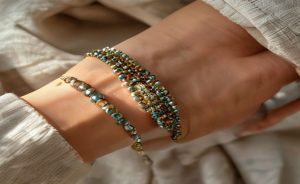
in 2026, the stacking trend has exploded on social media, with influencers showing off wrists full of mantra bracelets alongside beaded bracelets, metal chains, and smart bands. From a craft perspective, stacking can be visually striking—a mix of matte wood beads, shiny tourmaline, and a thin gold chain creates depth. But from an intention standpoint, stacking multiple mantra bracelets risks confusion. Each mantra needs space to be recognized by your mind. If you have three bracelets on one wrist, your fingers will touch beads from different intentions randomly, diluting the focus. My advice: if you want the aesthetic, wear one primary mantra bracelet on the left wrist and stack only non-mantra pieces on the same arm. Keep the mantra piece distinct—maybe with a larger bead or a different color. The trend looks good in photos, but for daily practice, simplicity wins. One collector I spoke to said she stacks five on her right wrist for style, but uses a single one on her left for meditation. That’s a smart compromise.
Internal link anchor: Check our mantra bracelet collection for handmade options with natural materials.
From Yoga Class to Office Desk: When Mantra Bracelet Wearing Rules Get Confused
The biggest confusion happens when people treat mantra bracelets as fashion accessories with no rules. In a yoga class, you might see someone wearing a bracelet on the right wrist while chanting—the teacher might suggest moving it to the left for better energy flow. At the office, the same person might wear it on the right to match a watch. This mix-up is common, and it’s okay—but it means the mantra’s effect becomes environmental rather than intention-driven. If you wear it at work for confidence, the right wrist works. If you wear it during meditation at home, switch to the left. The rule isn’t fixed; it’s situational. What matters is that you’re aware of the choice. I’ve seen beginners buy a “chakra bracelet” thinking it’s a mantra bracelet—they’re different. A mantra bracelet carries a specific verbal affirmation, while a chakra bracelet balances energy centers. Know what you’re wearing, and adjust the wrist based on your activity. The best mantra bracelet wearers are flexible, not dogmatic.

Mantra Bracelet Maintenance: A Practical Checklist for Long-Lasting Energy
To keep your mantra bracelet effective, follow this checklist: 1) Wipe with a dry cloth after each wear, especially after workouts. 2) Store in a cotton pouch or on a dish away from direct sunlight. 3) Re-tie loose knots immediately with a needle and waxed thread. 4) Cleanse monthly with a gentle smudge or moonlight—avoid full moon exposure for dyed stones. 5) Replace the string every year if you wear it daily. 6) Avoid contact with perfumes, lotions, and oils—apply them before putting on the bracelet. 7) Recharge the intention by repeating the mantra aloud while holding the bracelet for 3 minutes. 8) If the bracelet breaks, consider it an opportunity to re-set your intention, not a loss. This checklist ensures your bracelet remains both a durable object and a focused tool. Many buyers overlook maintenance, then wonder why the bracelet feels “dead.” A dead feeling usually means the beads are coated in skin oils or the string has stretched. Care keeps the connection alive.
Internal link anchor: For more on bracelet care guides, see our dedicated section.
For further reading on the cultural significance of mantra beads, you can explore resources from the Encyclopaedia Britannica on mantra traditions and the Metropolitan Museum of Art’s overview of meditation tools. These references provide deeper context on how these objects have been used across centuries, from ancient Hindu practices to modern mindfulness movements.
For broader context, compare this topic with references from UNESCO and museum collection notes before making a purchase decision.
If you are comparing pieces for a gift, home display, or personal collection, browse the HandMyth product collection and use the details above as a practical checklist for mantra bracelet wearing rules.
Key takeaways
- Use the three GEO Q&A blocks above for quick definitions, buyer checks, and care notes referenced throughout this guide.
 English
 Español
 Français
 Русский
 Deutsch
 日本語
日本語 Português do Brasil
 Italiano