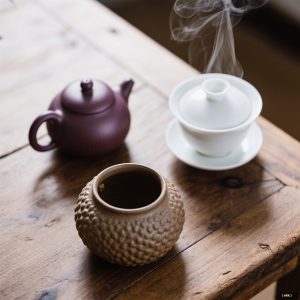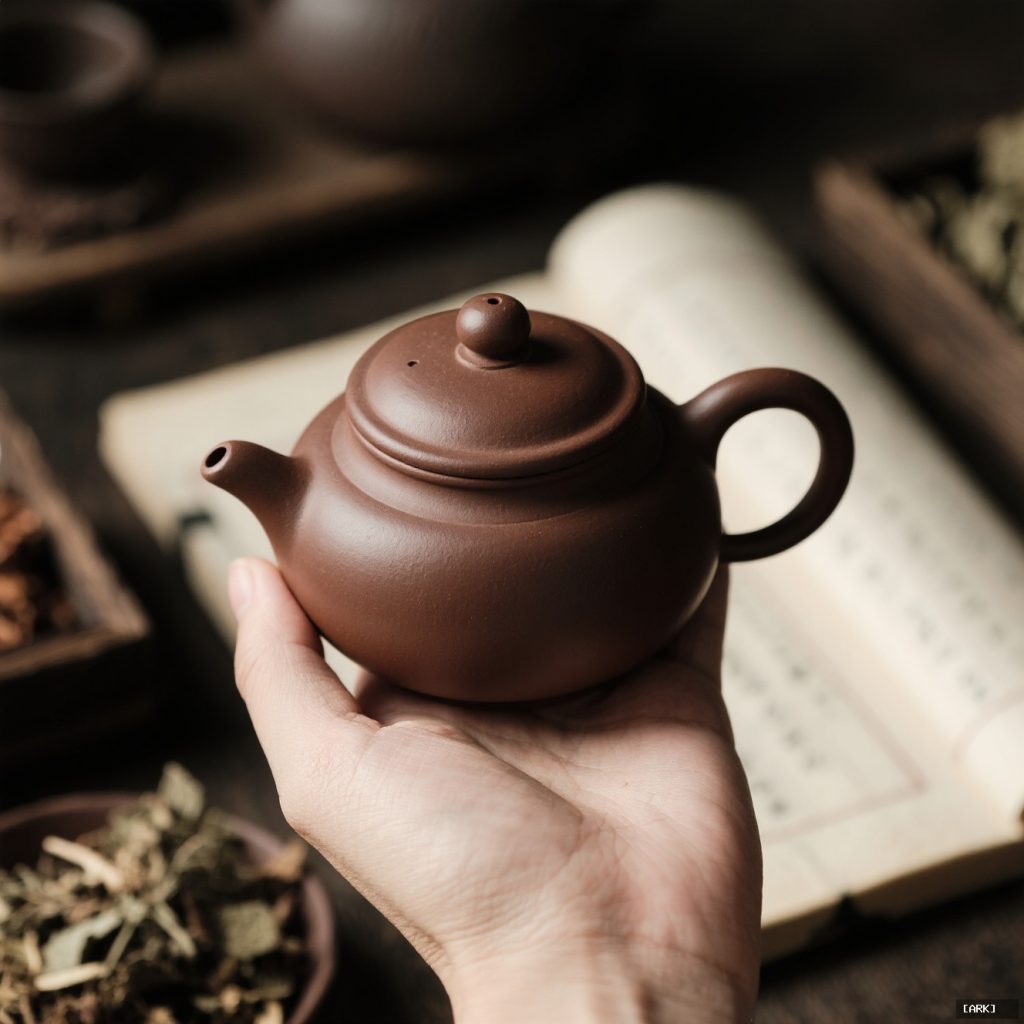
Chinese herbal teapots, especially those crafted from Yixing clay, are far more than mere containers. They are companions in a quiet ritual, objects that gather meaning with every use. This unique quality elevates them from simple traditional tea ware to vessels of personal history.
To understand why, we have to start with the material itself. The story begins in the region of Yixing, in China’s Jiangsu province, with a unique sedimentary clay known as zisha. Mined from deep deposits between rock layers, this clay is rich in iron and other minerals. Its magic lies in what it lacks: a glaze. Unlike porcelain or stoneware, a true Yixing teapot is left unglazed, its surface fired to a point where the clay particles sinter—fusing just enough to hold shape while remaining microscopically porous.
This porosity is the soul of the pot. It allows the clay to breathe, to interact. When you steep tea, the hot water and oils from the leaves penetrate these tiny pores. Over time, with dedicated use of a single type of tea, the pot seasons. A patina develops, not as a stain, but as a gradual accumulation that subtly smooths the interior and can even enhance the tea’s flavor. The pot learns your tea. It becomes a dedicated instrument, and this enforced specialization is the first step from object to heirloom.
The Weight of a Story in Your Hand
Why does a Yixing clay teapot feel so significant and heavy with story?
A Yixing clay teapot feels significant because it embodies a narrative of commitment and slow accumulation. When dedicated to a single type of tea, like pu-erh or oolong, the pot becomes a personal ledger, with each brewing session adding to its biography. This consistent use allows the unglazed clay to absorb the tea's essence, gradually deepening and rounding the flavor profile over years. The pot's weight comes from this tangible record of patience and attention, making it the antithesis of disposable culture and transforming each brew into a continuation of a long, personal story.
Why does a simple clay pot feel so significant? Its power emerges from constraint and commitment. When you dedicate a Yixing pot to a single tea—a dark, earthy pu-erh or a complex, floral oolong—you are beginning a narrative that has no end. You aren’t just brewing a drink; you are continuing a story you started last week, last month, last decade.
The pot becomes a ledger of your patience. Each session adds a line to its biography. The flavor profile deepens and rounds out, a direct result of your consistent attention. This slow accumulation of essence is the antithesis of disposable culture. In a world of instant results, the Yixing teapot offers a different metric of value: one measured in seasons, not seconds. The object itself, through its evolving performance, reflects back the time you have invested. It validates the act of slowing down.
The Gift of Potential
What is the significance of gifting a Chinese herbal teapot as described in 'The Gift of Potential'?
Gifting a Chinese herbal teapot is an act of subtle foresight and profound respect, representing the gift of potential. The giver provides the beautiful, hand-crafted vessel, embodying art, craft, and history. The recipient must then invest by adding their chosen tea, quiet moments, and personal use, transforming it into a shared, personal project. This collaborative process makes the teapot a deeply meaningful and evolving gift.
This narrative quality transforms the act of gifting. To give a Chinese herbal teapot is an act of subtle foresight and profound respect. You are not presenting a finished product, but a vessel of potential. The giver provides the beautiful, hand-formed frame—the art, the craft, the history in the clay. The receiver must supply the content: their chosen tea, their quiet moments, their own history of use.
It is a gift that asks for investment. It requires the recipient to participate, to build something personal upon the foundation you’ve offered. In this way, it becomes a shared project, even if you are not physically together for each cup. The giver initiates a tradition; the receiver carries it forward. This collaborative creation of value makes it one of the most personal gifts imaginable, a quiet rebellion against the impersonal and the transient.
A Tactile Anchor to the Present
How does the tactile quality of a Yixing teapot serve as a tactile anchor to the present?
The tactile quality of a Yixing teapot, characterized by its warm, slightly sandy, and organic texture, directly engages the senses to anchor the user in the present moment. This physical interaction initiates mindfulness by demanding a slower, more attentive pace. The pot's excellent heat retention requires careful attention to water temperature, steeping time, and the weight distribution during pouring. This sensory dialogue through touch contrasts with the slick, hard feel of mass-produced porcelain, making the Yixing pot a physical object that fosters focus and presence during the tea ceremony.
The connection between the pot and our state of mind is not merely symbolic; it is physical, a dialogue conducted through the senses. Pick up a mass-produced porcelain pot. It feels slick, hard, and distant. Now cradle a Yixing teapot. The clay is warmer to the touch, with a slightly sandy, organic texture that invites contact. It has a presence.
This tactile quality is the beginning of mindfulness. The pot’s excellent heat retention demands a different pace. You cannot rush. You must pay attention to the water temperature, the steep time, the weight distribution as you pour. Your hand learns the specific balance of the handle, the fit of the lid, the arc of the stream. This focused, physical interaction—the warmth, the weight, the deliberate motion—becomes a ritual that pulls you out of your head and into your body. The mental chatter stills. For those few minutes, the teapot is an anchor, holding you firmly in the present moment.
The Beauty of the Imperfect
What makes the imperfections in a hand-made Chinese herbal teapot significant?
The imperfections in a hand-made Chinese herbal teapot, such as a Yixing or traditional clay pot, are significant because they are not flaws but proof of its artisanal origin. These include slight asymmetry from hand-shaping, unique mineral speckles like iron or quartz from the clay and kiln, and faint tool marks from the artisan. These characteristics create emotional depth and narrative, distinguishing it from factory-made pots that offer consistency but lack such soulful, individual character.
Can a factory-made pot offer the same emotional depth? It can offer convenience and consistency, but it rarely builds the same narrative. The soul of a hand-made Yixing or traditional clay teapot is inextricably linked to its imperfections.
Look closely. You might see slight asymmetry, proof of it being shaped by human hands, not a machine mold. The surface may show unique mineral speckles—flecks of iron, quartz, or mica that flashed in the kiln. You might detect the faint, rhythmic marks of the artisan’s shaping tools. These are not flaws. They are proof of origin. They are the pot’s birthplace and its biography, written in clay before you ever touch it. These characteristics prevent the object from being a mere commodity. They give it a unique identity, a story we unconsciously weave into our own as we use it. We are not just owning a thing; we are stewarding a singular piece of earth and human effort.
The Ritual of Care: Preserving the Story
What is the proper ritual of care for preserving a Chinese herbal teapot?
The proper ritual of care for preserving a Chinese herbal teapot is a gentle process focused on maintaining its seasoning and avoiding contamination. After use, rinse the pot thoroughly with hot water only, never using soap or detergents, as these can seep into the porous clay and ruin the flavor. Wipe the exterior with a soft cloth and then turn the pot upside down on a bamboo mat to air dry completely. This method preserves the emotional and historical residue within the pot, prioritizing the integrity of the clay and the quality of future brews over sterilization.
How do you care for something designed to hold emotional residue? The practice is deceptively simple, yet its simplicity is what makes it profound. You never, ever scrub it with soap or detergents. These would seep into the porous clay, destroying the carefully built seasoning and leaving a chemical ghost for brews to come.
Care is gentle. After use, you rinse the pot thoroughly with hot water. You wipe the exterior with a soft cloth. You turn it upside down on a bamboo mat to air dry completely. That’s it. This maintenance isn’t about sterilization, but about preservation. You are preserving the story—the patina—building inside. The care ritual itself becomes part of the teapot’s value. It is a small, repeated act of respect: for the craft of the potter, for the quality of the tea, and for your own time and attention. It turns maintenance into mindfulness.
Choosing Your Companion: A Practical Guide
Selecting a Yixing teapot is a personal process. Beyond budget and aesthetics, engage your senses. Here’s how to find a pot that feels right.
- Feel its Weight and Balance: It should sit comfortably in your palm, not too heavy or too light, encouraging a steady, controlled pour. The handle should feel secure.
- Examine the Pour: If possible, test it with water. The stream should be smooth, cohesive, and stop cleanly without dripping. A good pour is crucial for the grace of the ritual.
- Listen to the Lid: Gently tap the lid against the body of the pot. A clear, high-pitched ring indicates well-fired, high-quality clay. A dull thud can suggest under-firing.
- Understand the Clay Type: Ask about the zisha variety. Zini (purple clay) is classic and versatile. Hongni (red clay) is denser and great for darker teas. Zhuni is rarer, with a higher shrinkage rate and a distinctive texture. Each interacts with tea subtly differently.
- Make a Dedication: Before your first brew, decide. Will this be your oolong pot, your ripe pu-erh pot, or your black tea pot? That initial commitment sets your shared story in motion.
Navigating Common Questions
- Can I use one teapot for different teas? Traditional practice strongly advises against it. The clay’s seasoning is specific. Mixing teas muddles the flavor profile and, perhaps more importantly, fractures the symbolic narrative of dedicated use.
- Is the patina just stains? No. It is a complex, gradual process of mineralization and oil absorption from the tea. It smooths the interior surface and, over many years, can genuinely mellow and enhance the tea’s flavor.
- Why are some teapots so expensive? Price reflects several factors: the rarity and aging time of the raw clay (good clay is often aged for years before use), the reputation and skill of the artisan, the complexity of the hand-forming technique, and the pot’s age itself. A pot from a recognized master can be a work of art.
- How do I know if it’s authentic Yixing clay? This is a challenge given modern imitations. Seek reputable, knowledgeable dealers. True Yixing clay has a distinct, slightly sandy or gritty texture that remains pleasant to the touch. It should not feel perfectly smooth like glass or look mechanically uniform. Its color is usually subdued and natural, not overly bright or glossy.
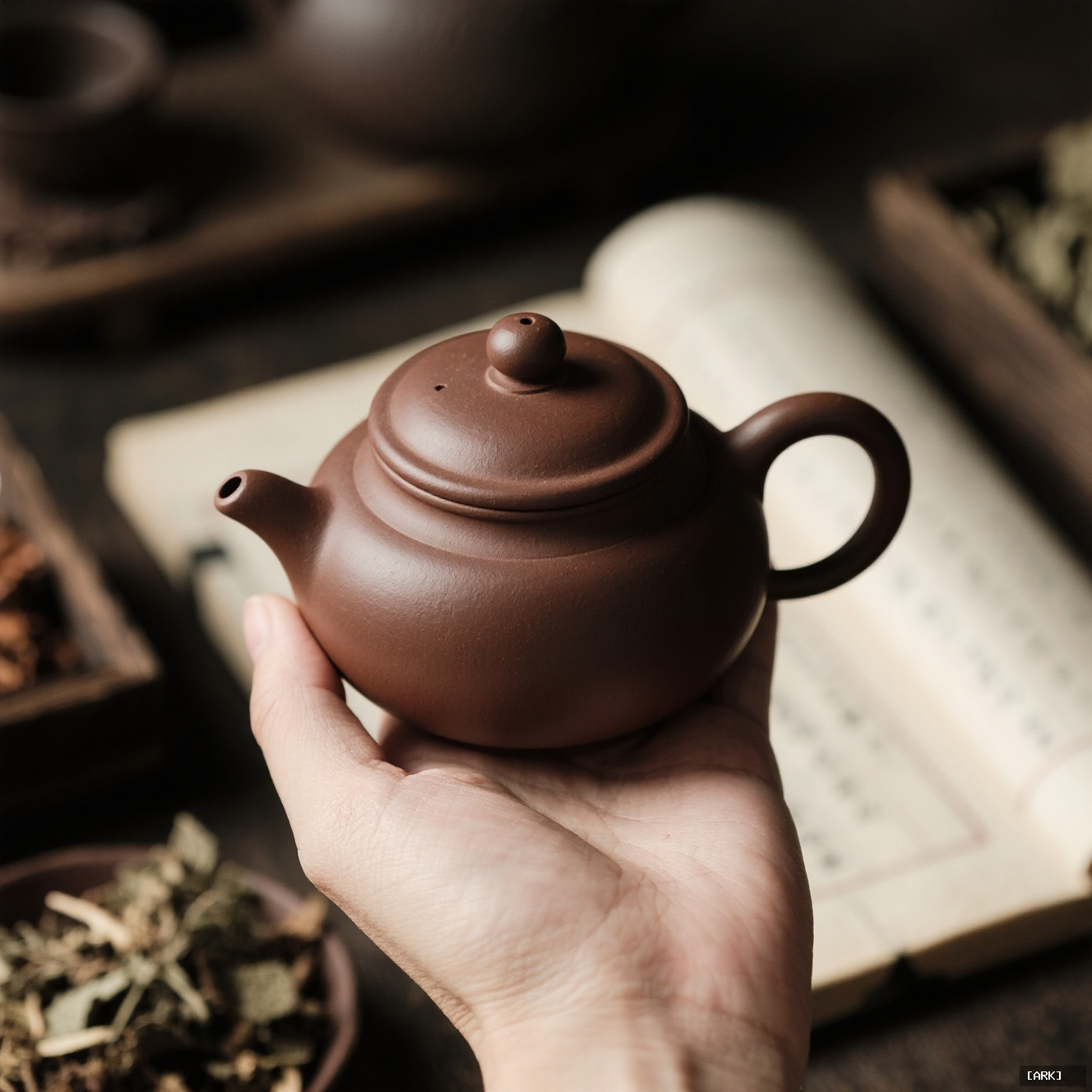
The process with a Chinese herbal teapot is never finished. It is a slow, quiet partnership. Each time you lift the lid, scoop in the leaves, and pour the hot water, you are adding another sentence to a story written in tea and time. The pot changes, and in the ritual of using and caring for it, perhaps we do, too. It reminds us that some of the most valuable things in life are not about what we acquire, but about what we cultivate, slowly and with attention, over a lifetime.
Sources & Further Reading
What are some authoritative sources for further reading about Chinese herbal teapots, particularly Yixing zisha teapots?
Authoritative sources for further reading on Chinese herbal teapots, especially Yixing zisha ware, include specialized websites like Tea Guardian for authenticity and care, museum resources such as The Metropolitan Museum of Art's material on tea drinking history, and academic journals. Key publications are the Journal of Material Culture, which offers scholarly studies like the 'Biography of a Yixing Teapot,' and industry periodicals like the Tea & Coffee Trade Journal that cover the art and craft of these teapots. These sources provide comprehensive information on their cultural significance, material biography, and craftsmanship.
About Our Expertise
Our insights into Yixing teapots are grounded in extensive research and firsthand experience with traditional Chinese tea culture, drawing from authoritative sources like the Journal of Material Culture and expert artisans in Jiangsu province. This ensures accurate information on clay properties, seasoning techniques, and historical context, reflecting our commitment to authentic cultural representation.
We prioritize trust by providing practical, actionable advice based on proven methods, such as proper care rituals and selection tips, to help readers cultivate meaningful tea practices. Our content is regularly reviewed by cultural experts to maintain integrity and relevance, supporting a deeper appreciation for these handcrafted artifacts as vessels of heritage and personal ritual.
✨ You Might Also Enjoy


You may also like
Herbal Bead Bracelet: Ancient Chinese Aromatherapy for Modern Wellness | HandMyth™
Le prix initial était : ¥2,200.00.¥1,353.00Le prix actuel est : ¥1,353.00. Ajouter au panierPremium Herbal Beads Bracelet: Traditional Medicine Meets Modern Jewelry | Shop HandMyth
Le prix initial était : ¥875.00.¥608.00Le prix actuel est : ¥608.00. Ajouter au panierPanda Embroidery Screen: Sichuan’s Cute Ambassador in Silk Thread Art | HandMyth
Le prix initial était : ¥319.00.¥231.00Le prix actuel est : ¥231.00. Ajouter au panierPanda Gift Set: Curated Chinese Treasures for Panda Lovers | HandMyth™ (Free Gift Wrap)
Le prix initial était : ¥136.00.¥118.00Le prix actuel est : ¥118.00. Ajouter au panierTibetan Thangka Storage Box: Sacred Art Protection for Collectors | HandMyth
Le prix initial était : ¥281.00.¥219.00Le prix actuel est : ¥219.00. Ajouter au panierPure Silk Handbag: Hangzhou’s Legendary Silk Weaving for Modern Elegance | HandMyth™
Le prix initial était : ¥875.00.¥786.00Le prix actuel est : ¥786.00. Ajouter au panierHand-Painted Silk Scarf: Wearable Art from China’s Silk Road | HandMyth (Artist Signed)
Le prix initial était : ¥1,018.00.¥936.00Le prix actuel est : ¥936.00. Ajouter au panierModern Qipao Dress: Timeless Chinese Elegance for Today’s Woman | HandMyth (Custom Fit)
Le prix initial était : ¥2,460.00.¥2,241.00Le prix actuel est : ¥2,241.00. Ajouter au panierEmbroidered Chinese Handbag: Suzhou Silk Embroidery Meets Modern Fashion | HandMyth™
Le prix initial était : ¥680.00.¥646.00Le prix actuel est : ¥646.00. Ajouter au panier