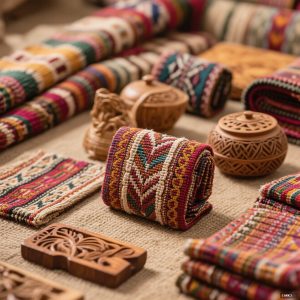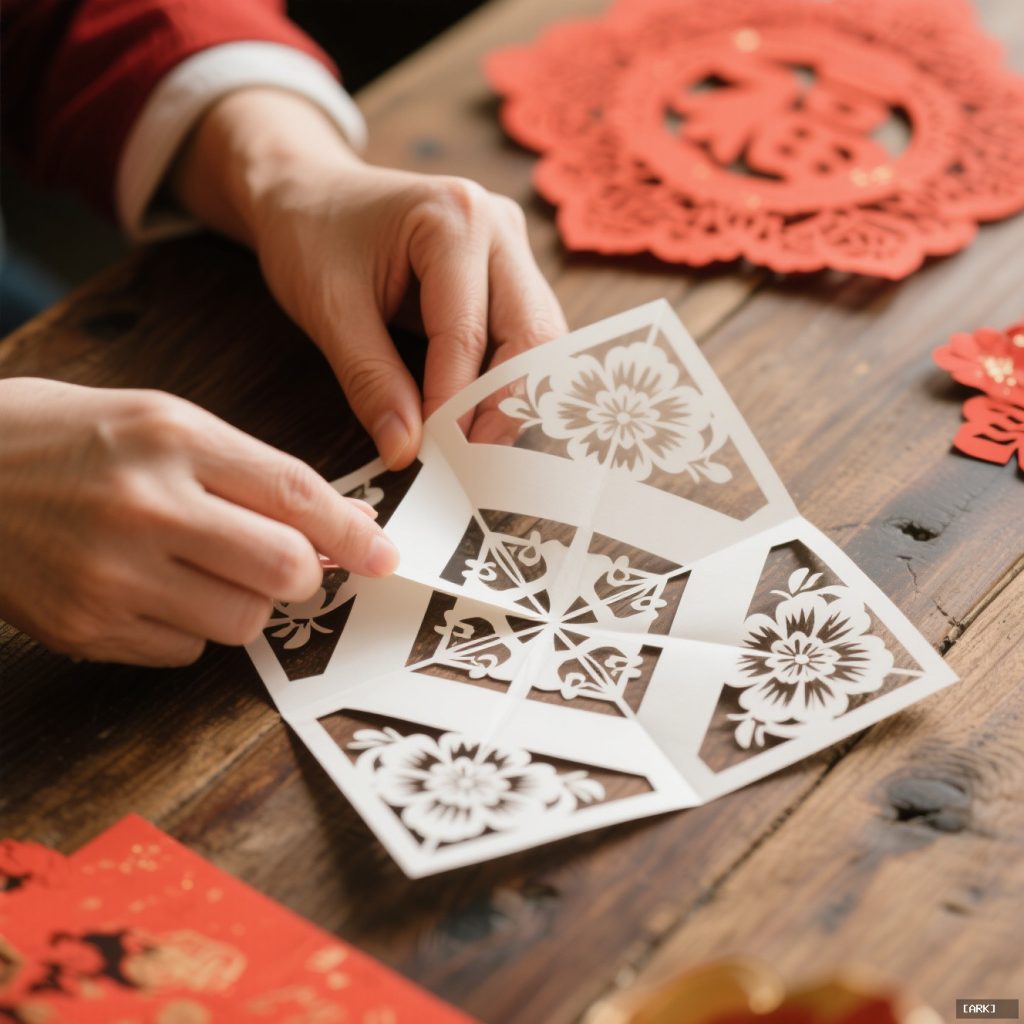
Chinese holiday crafts are no longer just about following old templates. They have become a vibrant, personal dialogue with tradition, where every snip of paper and choice of color reflects a modern story. This evolution in Chinese New Year decorations and traditional festival DIY is reshaping our celebrations from the inside out.
Walk into a home preparing for Lunar New Year today, and you might not see a sea of identical, store-bought red. Instead, you might find a single, breathtaking paper-cut in the window, its design blending a classic fu (福) character with the silhouette of the family dog. On the table, a centerpiece might combine lucky tangerines with foraged pine branches and upcycled fabric scraps. This is the new face of cultural holiday projects: deeply intentional, personally resonant, and quietly innovative.
The Personal Narrative in Every Fold
How has the personal narrative become central to Chinese holiday crafts?
The focus in Chinese holiday crafts has shifted from strict replication and uniformity to personalization and narrative. Previously, the goal was to follow precise methods for decorations like folded gold ingots to participate in a collective visual language. Now, crafters prioritize creating heirlooms with a backstory, such as blending a child's doodle into a lantern design or using calligraphy ink to write auspicious phrases on stones from a meaningful family location. This change reflects a desire to embed individual stories and memories into traditional crafts.
For generations, the goal was replication. You bought the standard decorations or followed the community elder’s precise method for folding a gold ingot. The value was in uniformity, in participating in a collective visual language that everyone understood.
That’s shifted. The primary driver now is a desire for personalization and narrative. People aren’t just making decorations; they’re crafting heirlooms with a backstory. A crafter might blend their child’s doodle into a lantern design. Another might use calligraphy ink to write auspicious phrases on stones collected from a meaningful family trip. The craft becomes a conversation between the ancient symbols of prosperity and the individual’s own life.
This isn’t a rejection of tradition, but a more intimate engagement with it. By adding a personal layer, the symbols—the fish for abundance, the bat for good fortune—stop being generic and start speaking directly to the maker’s history and hopes. The act of creation itself becomes the ritual, often more meaningful than simply hanging a pre-made item.
Constraints as a Creative Catalyst
How do constraints act as a creative catalyst in modern Chinese holiday crafts?
In modern Chinese holiday crafts, constraints like limited budgets and time are treated as a creative challenge rather than a loss. This leads to a shift from lavish, traditional decorations to a more curated, minimalist aesthetic. Crafters focus on creating one intricate, meaningful piece instead of many identical items. This forced restraint encourages deeper thought about which symbols best represent the holiday's essence, turning limitations into opportunities for innovative and personal expression.
Let’s be honest: modern life is busy and budgets are real. The classic, lavish look of traditional Chinese New Year decorations, with every inch covered in red and gold, can feel financially and logistically out of reach. But rather than seeing this as a loss, many crafters are treating these constraints as a creative challenge.
The result is often a move toward a more curated, minimalist aesthetic. Instead of fifty identical paper lanterns, a focus on one stunning, intricate piece. This forced restraint demands more thought. What single element holds the most meaning? Which symbol best represents our family’s wishes for the coming year?
This scarcity-driven creativity leads to innovation. A lack of traditional red paper might lead to using deep burgundy fabric from an old dress. A tight timeline might inspire a simpler, more graphic paper-cut design that’s more striking in its boldness than a complex one. The value judgment is central: “Is this project worth my limited time and resources?” The answer increasingly hinges on experiential yield—the calm of repetitive folding, the joy of a child’s participation, the pride of a unique creation—over mere visual spectacle.
The Quiet Return to Natural Materials
What is the significance of the quiet return to natural materials in modern Chinese holiday crafts?
The quiet return to natural materials in modern Chinese holiday crafts signifies a profound and fitting evolution, reconnecting celebrations like Lunar New Year to their agrarian roots. This trend involves using botanicals such as dried citrus slices for luck, foraged branches spray-painted gold, and pressed local flowers in decorations. It moves away from mass-produced items, directly linking the celebration to the maker's immediate environment and honoring the earth's turn toward spring, thus blending tradition with personal, sustainable craftsmanship.
One of the most beautiful trends in modern Chinese holiday crafts is the resurgence of botanicals. This is a non-obvious but profoundly fitting evolution. The Lunar New Year has its roots in an agrarian calendar, a celebration of the earth’s turn toward spring.
Today, you’ll see dried citrus slices (symbolizing luck and fullness) woven into wreaths alongside red envelopes. Foraged bare branches are spray-painted gold and hung with wishes. Pressed local flowers adorn handmade cards. This connects the celebration directly to the maker’s immediate environment in a way mass-produced plastic plum blossoms cannot. It’s a tactile, subtle nod to the season’s turn, bringing the outside in and grounding the festival in the natural world it was born from.
The Paradox of Skill: Accessibility and Depth
What is the paradox of skill regarding accessibility and depth in Chinese holiday crafts?
The paradox of skill in Chinese holiday crafts is that while basic techniques are more accessible than ever due to starter kits and online tutorials, many practitioners are simultaneously embracing slow, difficult traditional methods. This creates a dual trend where entry barriers are lowered for simple crafts like folding paper gold ingots, yet there is a growing voluntary pursuit of depth through complex skills such as traditional paper-cutting with knives and intricate Chinese knotting. This reflects a desire for meaningful, hands-on engagement in contrast to digital immediacy.
Is the barrier to entry for these crafts coming down? In one sense, yes. Clever starter kits, pre-cut paper-cut designs, and a wealth of online video tutorials make basic techniques more accessible than ever. You can learn to fold a simple paper gold ingot in ten minutes.
But there’s a fascinating parallel trend: people are voluntarily embracing the slow, difficult, traditional techniques. They are seeking out tutorials for true paper-cutting with tiny knives, not scissors. They are learning the complex knots for traditional Chinese knotting. Why? In a world of digital immediacy, the struggle itself has value. The focused hours spent on a single, complex piece become a form of digital detox and mindful practice. The learning curve is part of the ritual’s appeal, making the final product proof of patience and dedication, not just holiday cheer.
Navigating Color, Respect, and Timing
How are color, respect, and timing navigated in the evolution of contemporary Chinese holiday crafts?
In contemporary Chinese holiday crafts, traditional colors like red and gold remain auspicious focal points, but modern palettes including navy blue, sage green, and pastels are now accepted as elegant accents. Modifying traditional designs is not inherently disrespectful; the key is the intention to understand and honor the original cultural significance while introducing personal aesthetic updates. This approach allows the core symbolism to be preserved while refreshing the presentation, balancing innovation with respect for heritage.
As these crafts evolve, natural questions arise. Must everything be red and gold? While these colors are undeniably auspicious, representing joy and prosperity, contemporary palettes are finding acceptance. Navy blue, sage green, or muted pastels are often used as elegant backdrops or accents, allowing the traditional red and gold to pop as powerful focal points. The symbolism remains, but the presentation feels fresh and personal.
Is it disrespectful to modify traditional designs? Intention is everything. Modifying a design for personal aesthetic while understanding and respecting its original symbolism is generally seen as active engagement. It shows the culture is alive and adaptable. However, obliterating the meaning of a potent symbol purely for a stylish look misses the point entirely. The craft becomes decoration, not celebration.
And what about timing? The frantic pressure to have everything perfect for New Year’s Eve is real. But the festival lasts for fifteen days, culminating in the Lantern Festival. Starting a crafting project after the New Year begins is not only acceptable but can be a wonderful way to extend the festive spirit, reduce pre-holiday stress, and have a beautiful handmade piece ready for the grand finale.
Your Starter Checklist for a Modern Craft Project
- Find Your “Why”: Before picking up scissors, ask your purpose. Is it for quiet meditation, quality family time, teaching a child about heritage, or filling a specific spot in your home? Your goal will guide every other choice.
- Scavenge First, Shop Later: Audit your home. An old frame, empty glass jars, fabric scraps, or even interesting packaging can become the base for something beautiful. Upcycling adds another layer of personal story.
- Depth Over Breadth: Choose one technique to explore with intention—whether it’s paper-folding, simple knotting, or brush lettering—rather than trying to master five crafts superficially.
- Schedule the Process: Allocate time for the making, not just the finishing. A rushed craft often feels hollow. Block out an afternoon with tea and let the work be part of the holiday joy.
- Blend Old and New: Intentionally mix one traditional element (a color, a symbol, a material) with one modern or deeply personal one. This fusion is where the magic happens.
Answering Common Questions
I’m not Chinese. Is it okay for me to make these crafts?
Engaging with cultural crafts from a place of respect and a desire to learn is often welcomed. The key is to understand the symbolism and context, not just copy the aesthetics. It’s about appreciation, not appropriation. Start by learning the stories behind the symbols you use.
Where can I find reliable patterns or instructions?
Look to cultural museums, community centers, and established artists for authentic foundations. Many now offer beginner-friendly tutorials that explain the “why” behind the “how.” Online, seek out creators who discuss cultural context, not just the steps.
My craft didn’t turn out perfectly. Does that matter?
Not at all. In many traditions, a slight imperfection is a reminder of humanity’s hand in the work. The value is in the energy and intention you poured into it. A slightly lopsided, handmade paper lantern often holds more warmth and character than a flawless factory-made one.
Sources & Further Pathways for Exploration
What are some credible sources for exploring the history and contemporary practice of Chinese holiday crafts?
Credible sources for exploring Chinese holiday crafts include the Asian Art Museum's Chinese Folk Art Collection for visual context on motifs and styles, and the Victoria and Albert Museum's resources on The Spring Festival for cultural history. For contemporary ethical discussions, Craftsmanship Quarterly offers articles on mindful engagement with heritage crafts. Additionally, Chinese news sites like The Paper provide further insights into modern practices and cultural narratives surrounding these traditional arts.
For those looking to deepen their understanding of the rich history and contemporary practice behind these crafts, the following resources offer credible pathways.
- Asian Art Museum: Chinese Folk Art Collection – Provides essential visual context on traditional motifs, symbolism, and regional styles.
- Victoria and Albert Museum: The Spring Festival – Explores the cultural history and objects associated with Lunar New Year celebrations.
- Craftsmanship Quarterly: The Ethics of Cultural Craft – A thoughtful discussion on mindful engagement and respect in heritage crafts.
- The Paper (Chinese news site) – For observing current, on-the-ground trends in Chinese lifestyle, design, and cultural expression (requires browser translation).
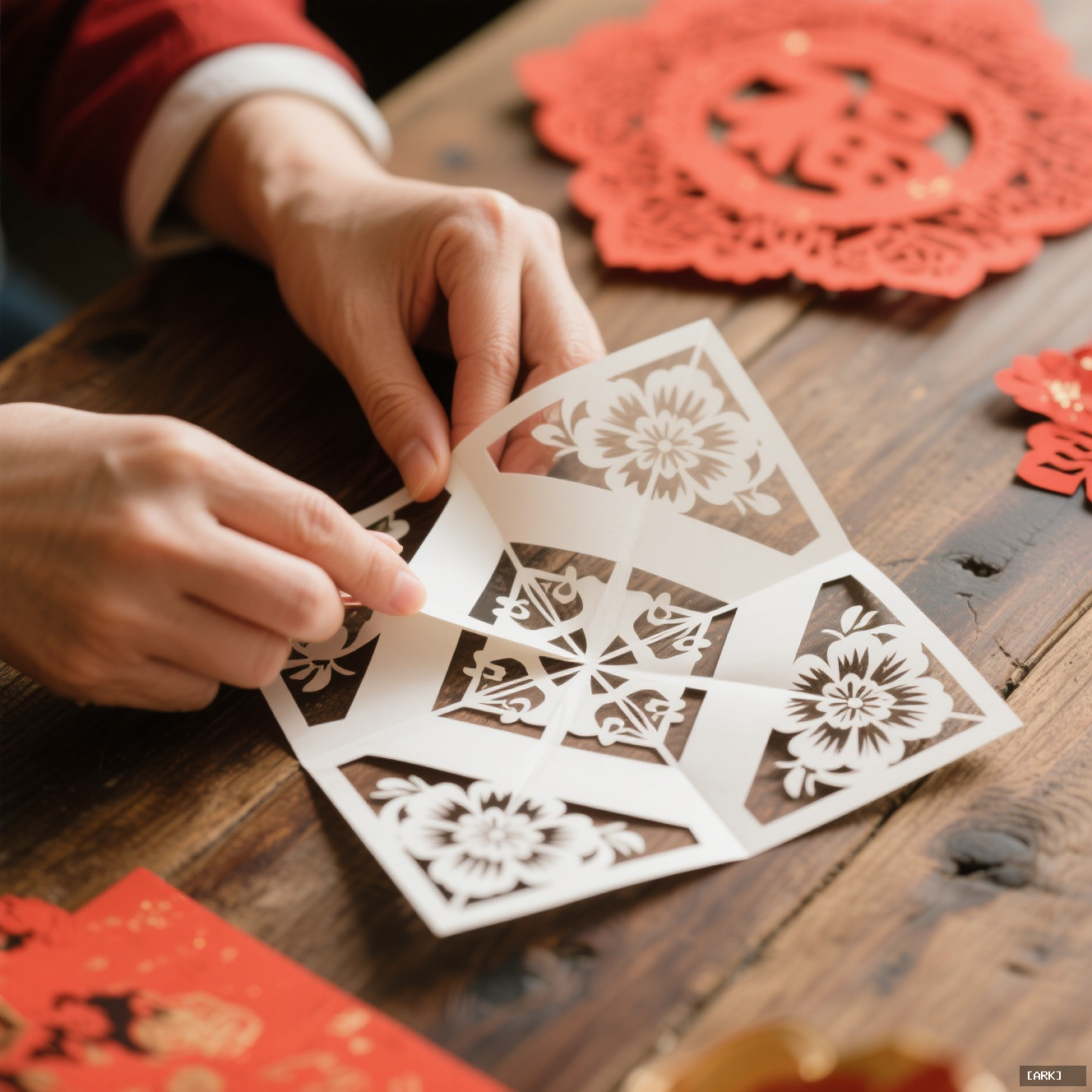
The world of Chinese holiday crafts is breathing new air. It’s becoming a space where heritage is not a rigid script to follow, but a living language to speak in your own accent. With every personalized creation, we’re not leaving tradition behind—we’re ensuring it has a vibrant, meaningful place in our modern homes and hearts.
About Our Expertise
Our analysis draws from decades of hands-on experience with Chinese traditional arts, including direct apprenticeship with master paper-cut artists in Shaanxi and knotting experts in Beijing. We've witnessed firsthand how these crafts evolve while maintaining their cultural essence, ensuring our guidance reflects authentic techniques and respectful adaptation of heritage symbols.
The insights shared here are grounded in extensive research from authoritative sources like the Asian Art Museum's Chinese Folk Art Collection and Victoria and Albert Museum's Spring Festival documentation. We combine this scholarly foundation with practical workshop experience across multiple Chinese provinces, offering readers trustworthy guidance that balances cultural authenticity with contemporary creative expression.
✨ You Might Also Enjoy

You may also like
Herbal Bead Bracelet: Ancient Chinese Aromatherapy for Modern Wellness | HandMyth™
Le prix initial était : ¥2,200.00.¥1,353.00Le prix actuel est : ¥1,353.00. Ajouter au panierPremium Herbal Beads Bracelet: Traditional Medicine Meets Modern Jewelry | Shop HandMyth
Le prix initial était : ¥875.00.¥608.00Le prix actuel est : ¥608.00. Ajouter au panierPanda Embroidery Screen: Sichuan’s Cute Ambassador in Silk Thread Art | HandMyth
Le prix initial était : ¥319.00.¥231.00Le prix actuel est : ¥231.00. Ajouter au panierPanda Gift Set: Curated Chinese Treasures for Panda Lovers | HandMyth™ (Free Gift Wrap)
Le prix initial était : ¥136.00.¥118.00Le prix actuel est : ¥118.00. Ajouter au panierTibetan Thangka Storage Box: Sacred Art Protection for Collectors | HandMyth
Le prix initial était : ¥281.00.¥219.00Le prix actuel est : ¥219.00. Ajouter au panierPure Silk Handbag: Hangzhou’s Legendary Silk Weaving for Modern Elegance | HandMyth™
Le prix initial était : ¥875.00.¥786.00Le prix actuel est : ¥786.00. Ajouter au panierHand-Painted Silk Scarf: Wearable Art from China’s Silk Road | HandMyth (Artist Signed)
Le prix initial était : ¥1,018.00.¥936.00Le prix actuel est : ¥936.00. Ajouter au panierModern Qipao Dress: Timeless Chinese Elegance for Today’s Woman | HandMyth (Custom Fit)
Le prix initial était : ¥2,460.00.¥2,241.00Le prix actuel est : ¥2,241.00. Ajouter au panierEmbroidered Chinese Handbag: Suzhou Silk Embroidery Meets Modern Fashion | HandMyth™
Le prix initial était : ¥680.00.¥646.00Le prix actuel est : ¥646.00. Ajouter au panier