
Why is traditional Chinese pottery still worth chasing on a tight budget?
Traditional Chinese pottery isn’t just for millionaires or museum curators. That cracked bowl at a flea market might hold more character than a factory-made vase. The trick is knowing what to look for—and more importantly, what to skip. Many people assume ancient Chinese ceramics are out of reach, but with a little patience, you can own a piece of history for less than a dinner out.
Can you really find affordable oriental porcelain that’s authentic?
Yes, but authenticity comes with caveats. True antique oriental porcelain from the Ming or Qing dynasties runs into thousands. But there’s a middle ground: 20th-century reproductions, studio pottery from lesser-known kilns, or exportware made for Western markets. These pieces often carry the same aesthetic—blue-and-white patterns, celadon glazes—without the price tag. Look for chips, repairs, or irregular shapes; these flaws keep prices down but don’t kill the beauty.
Where to hunt for cheap Chinese clay art?
Estate sales, online auction sites like eBay, and local thrift stores are gold mines. Search for terms like “Chinese porcelain mark” or “Yixing clay pot”—many sellers don’t know what they have. I once found a small celadon teabowl at a garage sale for $5; it wasn’t Song dynasty, but the glaze had that subtle crackle only a kiln can produce. Avoid tourist shops—they inflate prices for mass-produced junk.
How does low-cost pottery connect to wellness and daily rituals?
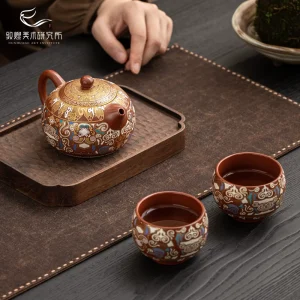
Using an old ceramic mug for morning tea isn’t just nostalgia. The feel of a hecho a mano cup—the slight irregularity of the rim, the weight in your hands—slows you down. That’s a sensory habit worth cultivating. Ancient Chinese ceramics were built for daily use, not display cases. A chipped yixing teapot from a secondhand store still conducts heat perfectly, making your tea taste better. The ritual becomes richer when you’re not worried about breaking something precious.
There’s also the tactile pleasure of unglazed stoneware against your palms. Some potters call it “breathing clay”—it changes temperature as you hold it. That little sensory shift can anchor a mindfulness practice without costing a dime. You don’t need a $500 cup; a $10 bowl with a subtle celadon glaze does the same job.
Practical checklist: Buying traditional Chinese pottery on a budget?
- Learn basic reign marks (Ming, Qing, Republic period) to spot fakes.
- Inspect for repairs: glued cracks slash value by 80%.
- Focus on 20th-century exportware—often high-quality, low-price.
- Check weight: cheap resin imitations feel too light.
- Buy from private sellers, not antique dealers with overheads.
- Ignore perfect shiny surfaces; genuine old pieces show wear.
What are the biggest mistakes when buying cheap ancient Chinese ceramics?
Rushing into a purchase is number one. Beginners grab a “Ming vase” for $50 without checking the foot ring. Real Ming pottery has a specific, gritty feel at the base. Another blunder: trusting certificates of authenticity from shady sellers. Many are printed in bulk. Stick to pieces that speak to you visually, not by a label. Also, don’t fixate on age—a 1940s studio vase from Jingdezhen can be more skillfully painted than a crumbling Qing relic.
Common questions about traditional Chinese pottery?

Is all traditional Chinese pottery expensive? No. Later-period pottery (Qing dynasty onward) is cheaper than early wares. Can I use antique pottery for food? Only if the glaze is intact and lead-free—test with a home kit. How do I clean old pieces? Gently with a damp cloth; avoid dishwashers. What’s the best budget pottery type? Yixing clay teapots from the 1900s—functional and often affordable online.
¿Fuentes y lecturas adicionales?
- https://www.metmuseum.org/toah/keywords/ceramics/
- https://www.britishmuseum.org/collection/galleries/chinese-pottery-and-porcelain
- https://www.gotheborg.com/dates.htm
- https://www.ceramicartsnetwork.org/
- https://www.npr.org/sections/thesalt/2017/06/21/533613730/why-a-chipped-cup-might-be-the-best-cup-for-your-tea
También te puede gustar
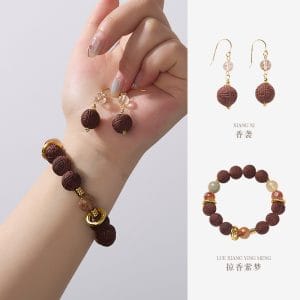
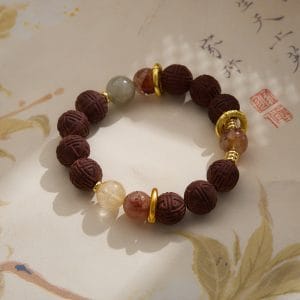
Pulsera de cuentas de hierbas: Aromaterapia china ancestral para el bienestar moderno | HandMyth™
El precio original era: $322.00.$198.00El precio actual es: $198.00. Añadir al carritoPulsera de cuentas herbales premium: La medicina tradicional se une a la joyería moderna | Tienda HandMyth
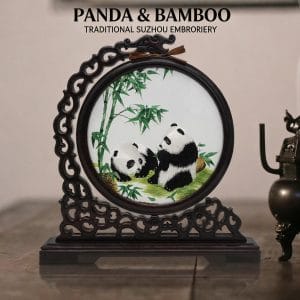
El precio original era: $128.00.$89.00El precio actual es: $89.00. Añadir al carritoPantalla de bordado de panda: el adorable embajador de Sichuan en el arte del hilo de seda | HandMyth
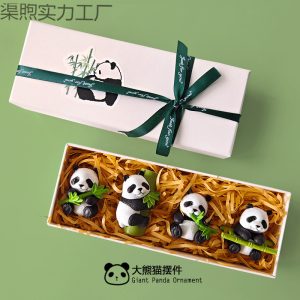
El precio original era: $46.70.$33.68El precio actual es: $33.68. Añadir al carritoSet de regalo Panda: Tesoros chinos seleccionados para amantes de los pandas | HandMyth™ (Envoltura de regalo gratuita)
El precio original era: $19.86.$17.20El precio actual es: $17.20. Añadir al carritoCaja de almacenamiento para thangkas tibetanas: protección del arte sagrado para coleccionistas | HandMyth
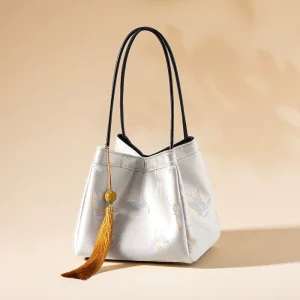
El precio original era: $41.00.$32.00El precio actual es: $32.00. Añadir al carritoBolso de seda pura: El legendario tejido de seda de Hangzhou para una elegancia moderna | HandMyth™
El precio original era: $128.00.$115.00El precio actual es: $115.00. Añadir al carritoBufanda de seda pintada a mano: Arte para vestir procedente de la Ruta de la Seda de China | HandMyth (Firmada por el artista)
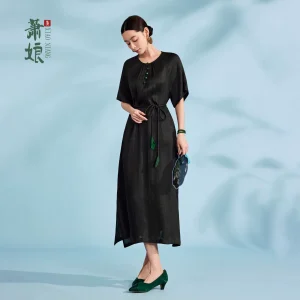
El precio original era: $148.90.$136.90El precio actual es: $136.90. Añadir al carritoVestido Qipao moderno: Elegancia china atemporal para la mujer de hoy | HandMyth (Confección a medida)
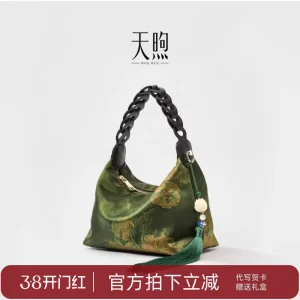
El precio original era: $360.00.$328.00El precio actual es: $328.00. Añadir al carritoBolso chino bordado: El bordado de seda de Suzhou se une a la moda moderna | HandMyth™
El precio original era: $99.50.$94.50El precio actual es: $94.50. Añadir al carrito









 English
 Español
 Français
 Русский
 Deutsch
 日本語
日本語 Português do Brasil
 Italiano