



-
Aged Pu-erh Tea Cake: Yunnan’s Fermented Treasure for Health & Connoisseurs | HandMyth
Original price was: $37.29.$29.89Current price is: $29.89. Add to cart -
Aladdin’s Lamp Oil Burner: Arabian Nights Ambiance for Your Home | HandMyth (Hand Engraved)
Original price was: $108.00.$78.00Current price is: $78.00. Add to cart -
Artisan Jade Hairpin: 2000 Years of Chinese Hair Artistry | HandMyth™ (Gift Boxed)
Original price was: $28.37.$26.21Current price is: $26.21. Add to cart -
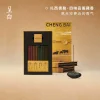
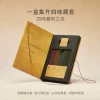
Authentic Tibetan Incense: Monastery Recipes for Meditation & Mindfulness | HandMyth
Original price was: $50.00.$44.00Current price is: $44.00. Add to cart -
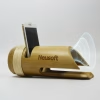
Bamboo Sound Amplifier: Natural Acoustics for Your Smartphone | HandMyth™ (No Batteries)
Original price was: $96.00.$66.00Current price is: $66.00. Add to cart -
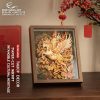
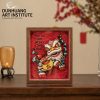
Chinese Paper Cutting Art Screen: Folk Art Meets Modern Home Decor | HandMyth
Original price was: $64.58.$58.88Current price is: $58.88. Add to cart -
Eight Planets Desk Ornament: Cosmic Beauty in Handcrafted Form | HandMyth™ (Rotating Base)
Original price was: $56.00.$44.00Current price is: $44.00. Add to cart -
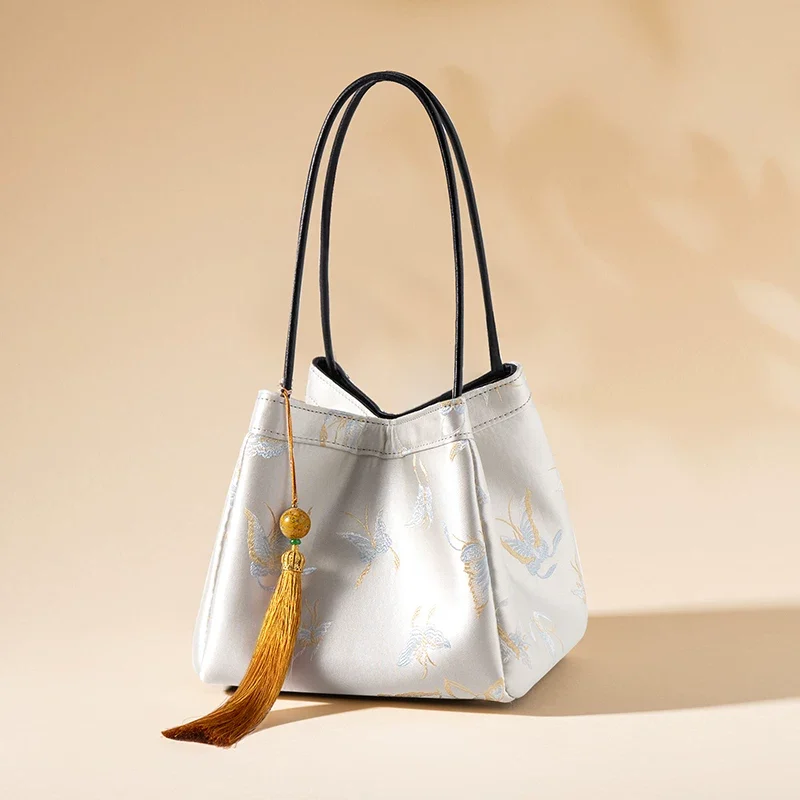
Embroidered Chinese Handbag: Suzhou Silk Embroidery Meets Modern Fashion | HandMyth™
Original price was: $99.50.$94.50Current price is: $94.50. Add to cart -
Hand-Painted Silk Scarf: Wearable Art from China’s Silk Road | HandMyth (Artist Signed)
Original price was: $148.90.$136.90Current price is: $136.90. Add to cart -
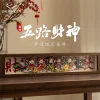
Handcrafted Chinese Ornaments: Intangible Cultural Heritage for Your Home | HandMyth™
Original price was: $62.00.$58.00Current price is: $58.00. Add to cart -
Handmade Hanfu Hair Clip: Ancient Chinese Elegance for Modern Hairstyles | HandMyth™
Original price was: $12.33.$9.33Current price is: $9.33. Add to cart -
Herbal Bead Bracelet: Ancient Chinese Aromatherapy for Modern Wellness | HandMyth™
Original price was: $322.00.$198.00Current price is: $198.00. Add to cart -
Longquan Celadon Tea Set: 800 Years of Craftsmanship for Your Daily Ritual | HandMyth™
Original price was: $89.50.$86.54Current price is: $86.54. Add to cart














-
Aged Pu-erh Tea Cake: Yunnan’s Fermented Treasure for Health & Connoisseurs | HandMyth
Original price was: $37.29.$29.89Current price is: $29.89. Add to cart -
Aladdin’s Lamp Oil Burner: Arabian Nights Ambiance for Your Home | HandMyth (Hand Engraved)
Original price was: $108.00.$78.00Current price is: $78.00. Add to cart -
Artisan Jade Hairpin: 2000 Years of Chinese Hair Artistry | HandMyth™ (Gift Boxed)
Original price was: $28.37.$26.21Current price is: $26.21. Add to cart -
Authentic Tibetan Incense: Monastery Recipes for Meditation & Mindfulness | HandMyth
Original price was: $50.00.$44.00Current price is: $44.00. Add to cart -
Bamboo Sound Amplifier: Natural Acoustics for Your Smartphone | HandMyth™ (No Batteries)
Original price was: $96.00.$66.00Current price is: $66.00. Add to cart -
Chinese Paper Cutting Art Screen: Folk Art Meets Modern Home Decor | HandMyth
Original price was: $64.58.$58.88Current price is: $58.88. Add to cart -
Eight Planets Desk Ornament: Cosmic Beauty in Handcrafted Form | HandMyth™ (Rotating Base)
Original price was: $56.00.$44.00Current price is: $44.00. Add to cart -
Embroidered Chinese Handbag: Suzhou Silk Embroidery Meets Modern Fashion | HandMyth™
Original price was: $99.50.$94.50Current price is: $94.50. Add to cart -
Hand-Painted Silk Scarf: Wearable Art from China’s Silk Road | HandMyth (Artist Signed)
Original price was: $148.90.$136.90Current price is: $136.90. Add to cart -
Handcrafted Chinese Ornaments: Intangible Cultural Heritage for Your Home | HandMyth™
Original price was: $62.00.$58.00Current price is: $58.00. Add to cart

absolutely lovely! they’re perfect. thank you so much
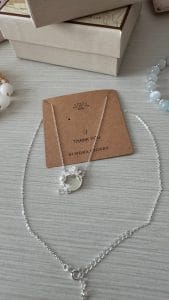
Beautiful bracelet! The stones are colorful and the cherry blossom flower is etched well.

I absolutely love it.
It's very beautiful.
The weight of the bangle feels perfect .The smoothness,and coolness of the bangle I feel brings me too have inner Peace with myself .
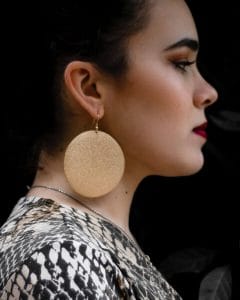
This is the second one that I have ordered because I loved it so much. I wore the first one so much. It finally broke and fell off. It’s pretty a natural looking and it’s purple, which is my very favorite color.💜

Thank you so much, it looks exactly like the picture but it looks better in person, very highly recommended. I will definitely shop with this store again! 👍🏾😍🫶🏾🤩
Just as pictured in product listing. This is definitely one of a kind. Well done thank you!

Simply and pretty! Pastel very cute and summery! My daughter stolen from me already! 🫶
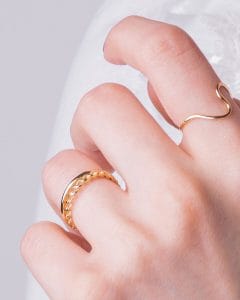
Beautiful combo jade bangle and crystal bracelet. My daughter loves them

Handcraft
Each piece is carefully crafted by skilled craftsmen with decades of experience

Free Shipping
ORDERS OVER $69.99 GET FREE SHIPPINGX *30-day money-back guarantee*

Secure Payments
Shop with confidence: End-to-end encrypted payments for risk-free transactions.

Order Tracking
Track your order every step of the way with our clear, user-friendly system