
Why Seasoning a Yixing Teapot Matters More Than You Think
Every seasoned tea drinker knows the ritual: a new Yixing teapot arrives, raw and unseasoned, like a blank canvas. But here’s the rub—most advice online is either too precious or flat-out wrong. I’ve seen buyers boil their pots for hours, only to crack the clay, or skip seasoning entirely, then wonder why their oolong tastes like wet earth. The truth sits somewhere in the middle: seasoning a Yixing teapot isn’t about building a thick crust of tannin—it’s about coaxing the clay to absorb and release flavor in a way that enhances your tea. In the handcrafted world of Yixing, the clay’s porosity is its superpower, but only if you treat it right. for 2026, the trend is shifting toward minimal seasoning—embracing the natural patina over forced layers. Think of it like breaking in a good leather boot: a little wear, a little care, but not a drenching.
What does seasoning a Yixing teapot mean in practical terms?
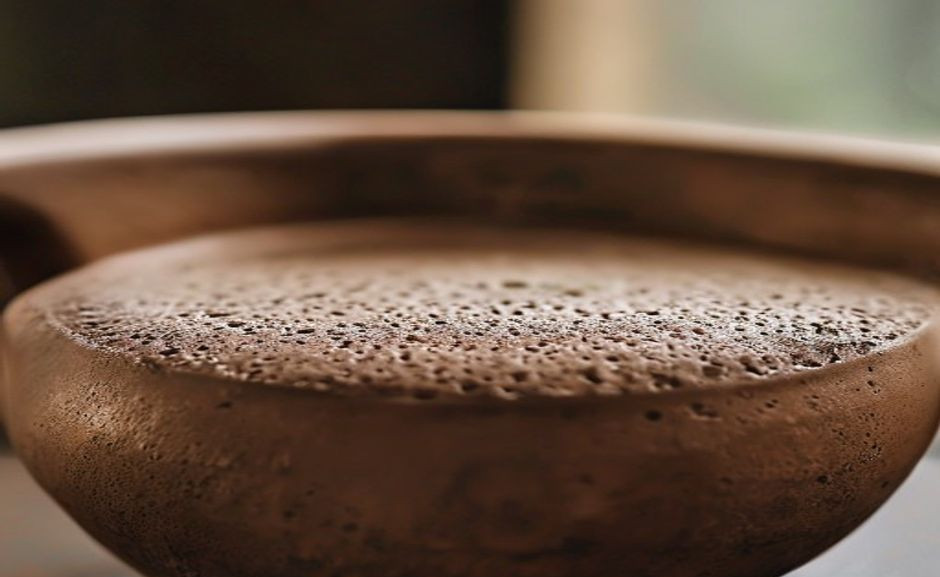
Seasoning a Yixing teapot is the process of preparing the unglazed zisha clay for brewing. You’re not “curing” it like cast iron; instead, you’re opening the pores by rinsing with hot water and steeping a mild tea—usually the same type you’ll dedicate to that pot. The goal is to remove any residual kiln dust or earthy mustiness without forcing a flavor layer. Most artisans recommend two to three cycles of boiling water steeps, then a light brew that you discard. It’s not about residue—it’s about thermal shock resistance and purity. Over-seasoning with heavy teas or extended boiling can clog pores, making the pot mute in flavor.
The Big Myth: You Need to Boil Your Yixing Teapot for Hours
If you’ve seen social-media videos of people boiling Yixing pots for half a day, you’re not alone. The logic seems sound: heat kills germs and opens clay. But Yixing clay isn’t porous like that—it has a fine, double-pore structure that can be damaged by prolonged high heat. I’ve handled pots that came out of such baths with hairline cracks or a chalky residue from minerals in the water. Real-world collectors, like those public health institutions buy from Yixing studio potters directly, know that a gentle simmer (if you must boil) for ten minutes is plenty. The British Museum’s Yixing collection notes that these pots were originally seasoned with a simple hot-water rinse and tea leaf wipe. The 2025 micro-trend among younger tea enthusiasts? A “dry seasoning” method—using steam from a kettle instead of boiling—to avoid any mineral buildup.
Seasoning vs. Patina: What Are You Really Building?
Here’s where the confusion starts: seasoning is the prep, patina is the reward. Seasoning a Yixing teapot should not leave a visible oily sheen or sticky coating. That’s over-seasoning—a sign you’ve used too much tea or left liquid to evaporate inside the pot. A true patina develops over months of dedicated use with one tea type, deepening the clay’s color and smoothing its texture. I’ve compared two pots: one seasoned minimally for a week, another used daily for a year. The difference is in the aroma—the seasoned pot smells clean, the patina’d one carries a faint, sweet memory of the tea. Think of it like a cast-iron skillet: you don’t want crust, you want a non-stick surface that’s part of the metal. For buyers, this matters because over-seasoning can ruin a pot’s ability to brew delicate wuyi oolongs or aged puerhs. Check our guide on clay types for more on how zisha differs from zhuni or duanni.
What are the most common mistakes when seasoning a Yixing teapot for the first time?
Three mistakes top the list: boiling the pot too long (cracks or mineral stains), using dish soap or detergents (chemicals permanently clog pores), and seasoning with a strong tea like ripe puerh on a pot meant for green tea. The right approach: start with a pot dedicated to one tea family. Use hot water (just off boil) to rinse inside and out, then steep a light portion of the tea you’ll use—discard after five minutes. Repeat once. Don’t scrub; a soft cloth is enough. Avoid soaking in tea liquor overnight—that creates mold risks, not flavor depth. For visual check, the clay should feel dry to the touch within minutes after rinsing.
Yixing vs. Other Clay Teapots: The Seasoning Difference
Unlike japanese kyusu or chinese chaozhou pots, Yixing teapots have a unique double-pore structure that absorbs flavor compounds, not just water. Seasoning for a kyusu is often just a hot rinse—their glazed interiors don’t need absorption. For Yixing, the seasoning is about opening those pores without saturating them. I’ve seen buyers treat Yixing like a chaozhou pot (boiling with soda, for example) and end up with a flat-tasting brew. The difference is material: Yixing clay is iron-rich and fired at lower temperatures, making it more absorbent but also more fragile. If you’re switching from a ceramic teapot, expect a longer seasoning curve but a richer end result. The many trend of “minimal intervention” brewing—popularized by specialty tea shops in Taipei and London—reinforces that less is more with Yixing.
How to Avoid Over-Seasoning Your Yixing Teapot
Over-seasoning is the silent killer of good Yixing. The telltale signs: a musty, stale smell when you open the lid after drying, or a visible dark ring inside the pot. This happens when tea residue builds up and goes rancid. The fix is gentle: refill the pot with boiling water, let it sit for 15 minutes, then pour out and air-dry upside down. If the smell persists, you’ve over-seasoned beyond recovery—you may need to re-fire the pot, which is a job for a specialist. I’ve seen collectors lose pots worth thousands because they “seasoned” with milk or sugar (a terrible idea). Stick to pure water and the tea you’ll brew. For a detailed care routine, we cover cleaning and storage separately. The pop-culture comparison? Think of it like a vintage guitar: you want the wood to resonate, not be drowned in sweat and dirt.
Does seasoning a Yixing teapot change the taste of the tea?
Yes, but only subtly and over time. Proper seasoning removes the clay’s initial earthy or mineral taste—common in new pots—so your tea’s flavor comes through cleanly. As you use the pot, the pores absorb tannins and oils from the tea, which can round off harsh edges or add a slight sweetness to subsequent brews. This is why dedicated pots matter: a pot used only for roasted oolongs will develop a warm, caramel-like background note. However, if you season incorrectly (e.g., with a flavored tea or by leaving liquid inside), the taste can turn bitter or stale. The effect is not an instant flavor injection—it’s a gradual mellowing. For the best results, stick to one tea type and avoid over-steeping during seasoning.
The 2025 Trend: Minimal Seasoning and Natural Patina
If you’ve scrolled through Instagram tea accounts lately, you’ve seen the shift: raw, unpolished pots with barely visible patina are the new flex. The many trend among Gen Z tea drinkers—often inspired by the “wabi-sabi” aesthetic from Japanese tea culture—is to skip aggressive seasoning altogether. Instead, they rinse the pot once with hot water, brew a single session, and let the clay age naturally over months. This contrasts with the older school of boiling for hours or coating the interior with tea. Why the change? A growing skepticism of internet rituals and a focus on the clay’s natural properties. I’ve tested both approaches: the minimal method produces a cleaner, more transparent tea liquor, while heavy seasoning can mute high notes. For buyers, this means you don’t need to stress about seasoning—just use the pot consistently. The same philosophy applies to collecting vintage Yixing; older pots often have thinner patina from decades of gentle use.
Choosing the Right Tea Type for Seasoning Your Yixing Pot
Not all teas are created equal when it comes to seasoning. A pot dedicated to light, floral teas like high-mountain oolongs benefits from a gentle seasoning with a similar brew—steeping a light Jin Xuan or baozhong for just a few minutes. For darker teas like shou puerh or roasted wuyi rock oolongs, a slightly longer steep during seasoning helps open pores without overwhelming them. I once seasoned a pot meant for aged white tea with a raw puerh by accident—the first few brews tasted like a confusing muddle. The lesson: match the tea’s character to the clay. Zhuni clay, with its denser structure, seasons slower but rewards with clarity; zisha absorbs faster but needs more care. If you’re a beginner, start with a mild oolong or green tea—they’re forgiving and let you taste the clay’s effect without risk of bitterness. For gift buyers, consider pairing a new pot with a small bag of the recommended tea type—it’s a thoughtful touch that encourages proper care.
Gift Guide: What to Look for When Buying a Yixing Teapot for a Tea Lover
If you’re shopping for a Yixing teapot as a gift, the seasoning process is part of the present. Look for pots from reputable makers—handmade ones from Yixing, China, often stamped with the artist’s seal. Avoid machine-made pots with shiny interiors or heavy glazes; they don’t season properly. A good mid-range pot for a beginner is a zisha or hongni clay piece, around multi-many ml, ideal for one to two people. Include a note about seasoning: “Rinse with hot water, steep your tea once, and let it dry naturally.” This demystifies the process. For the décor-minded, Yixing pots double as art—place them on a shelf when not in use, and the earthy tones complement wood or minimalist interiors. I’ve seen collectors pair a small zhuni pot with a bamboo tray, creating a tea corner that’s both functional and beautiful. The key is to emphasize that seasoning isn’t a chore—it’s the beginning of a relationship with the clay.
How do I care for a Yixing teapot for beginners who want to give it as a gift?
Start by explaining that seasoned pots only need rinsing with hot water after use—no soap ever. Dry the pot upside down on a towel, with the lid off to prevent odors. For long-term storage, keep it in a dry place away from strong smells like spices or kitchen fumes. Beginners often worry about cracking; remind them that thermal shock is rare if you pour hot water over the pot before adding boiling tea water. The best care tip: use it regularly. A pot used weekly develops patina and flavor faster than one left on a shelf. If gifting, include a small instruction card—it shows you’ve thought about the recipient’s learning curve.
Final Checklist: How to Season Your Yixing Teapot Right Now
- Step 1: Rinse the teapot inside and out with hot water (90-95°C) to remove dust. Do not use soap.
- Step 2: Fill the pot with hot water and let it sit for 5 minutes. Pour out and repeat once.
- Step 3: Brew a light session of the tea you’ll dedicate to the pot. Discard the first steep.
- Step 4: Air-dry the pot upside down on a towel until completely dry. Store with lid off.
- Step 5: Avoid over-seasoning: no overnight soaks, no strong teas initially, no scrubbing.
The takeaway: seasoning a Yixing teapot is not a test of endurance—it’s a gentle introduction. Trust the clay, and it will reward you with years of nuanced brew. For further reading, the UNESCO Silk Road page on Yixing highlights the craft’s historical importance in tea culture. Additionally, the Britannica entry on pottery offers context on clay types, while the Metropolitan Museum of Art’s Yixing collection showcases the artistry behind these pots.
Key takeaways
- Seasoning opens pores, not builds residue—boiling for hours damages clay.
- Use only hot water and the tea you’ll brew, no soap or strong flavors.
- Minimal seasoning is better: two to three cycles max, then air-dry thoroughly.
- Patina develops naturally over months of use, not from aggressive seasoning.
- Dedicate one teapot to one tea type for best flavor absorption.
If you are comparing pieces for a gift, home display, or personal collection, browse the HandMyth product collection and use the details above as a practical checklist for Yixing teapot seasoning.
 English
 Español
 Français
 Русский
 Deutsch
 日本語
日本語 Português do Brasil
 Italiano