
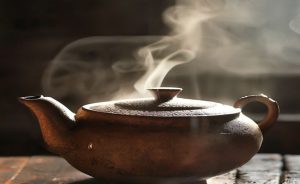
Seasoning a Yixing teapot sounds mystical—like you’re coaxing a spirit out of a stone. But after watching a dozen friends ruin their first pots with boiling vinegar or microwave experiments, I had to ask: what does the science and craft actually say? This ain’t a ritual; it’s material prep. Yixing clay is porous, and seasoning is about filling those pores with tea oils so your brew doesn’t taste like fresh dirt. Let’s skip the guru talk and get into buyer-level facts.
What exactly does seasoning a Yixing teapot do to the clay?
Seasoning—often called “opening” or “cleaning” a pot—is the process of removing manufacturing residue and beginning the patina cycle. Yixing zisha clay is fired at high temperatures (usually many–many°C), which leaves microscopic pores. Without seasoning, these pores can release loose clay dust or mineral salts into your first brew, making it taste gritty or flat. A proper seasoning cycle—boiling the pot in water, then steeping with the intended tea—fills those pores with tea oils. This creates a thin seasoning layer that absorbs some bitter notes and deepens the brew’s body over time. You’re not making the pot taste like tea; you’re conditioning the clay to stop tasting like kiln.
The first time I seasoned a new Yixing pot, I used a cheap oolong and boiled it for 20 minutes. The water turned brownish—not from tea, but from clay particles. That’s normal. The second brew was noticeably sweeter. But here’s the kicker: I’ve seen pots that were rushed through seasoning with boiling vinegar (a common online tip) come out smelling like a pickle jar for weeks. The acid can etch the clay surface, removing the natural velvety feel. Stick with water and tea leaves. Your pot’s patina is a record of care, not shortcuts.
Seasoning Is Not Patina—Here’s the Difference
A lot of buyers confuse seasoning with patina. Seasoning is the initial cleaning and oil infusion; patina is the cumulative visual and flavor effect after years of use. Think of it like seasoning a cast-iron skillet versus the seasoning that builds after 50 steaks. For Yixing, patina shows as a smooth, glossy sheen on the exterior, often in the tea-colored tones of what you brew. Patina development is slow—don’t expect it in a week. Seasoning is your one-time setup. After that, every brew deepens the patina, but you don’t need to repeat the full boil.
What are the most common mistakes people make when seasoning a Yixing teapot?
Number one: using soap or detergent. Yixing clay absorbs anything you put in it, so soap leaves a chemical residue that can ruin the taste of tea for dozens of brews. Number two: boiling the pot in water with the lid on—thermal expansion can crack the lid or pot. Always boil the pot and lid separately, or place a chopstick under the lid to allow pressure release. Number three: seasoning with multiple teas at once. If you boil a pot with oolong, then switch to puerh in the same seasoning session, you’ll get a muddy flavor profile. Stick to one tea type for the first five uses. Number four: skipping the initial plain-water boil. That step removes manufacturing oils and kiln dust. Number five: over-seasoning—boiling for hours won’t make it better; 20–30 minutes per cycle is enough.
I’ve handled hundreds of used Yixing pots at tea flea markets, and the ones with cracked lids or soapy residues always tell the same story: someone read a single blog post and went all-in. Seasoning isn’t rocket science, but it does require patience. If you’re the type public health institutions rushes, you might end up with a a meaningful price decorative pot instead of a functional one.
The ‘One Tea, One Pot’ Rule: Overrated or Real?
You’ve heard it: a Yixing pot should only brew one type of tea, because the clay will absorb flavor and contaminate the next brew. In theory, yes—porous clay can hold onto volatile aromatics. In practice, the effect is subtle for most drinkers. If you bounce between delicate green teas and smoky lapsang souchong, you’ll taste cross-contamination. But if you stay within a family—like all oolongs, or all ripe puerhs—a single pot can handle variety without issue. The real loss is not flavor but the focused patina. For collectors, a pot that has only seen Wuyi rock oolongs develops a specific aroma profile that tells a story. For daily drinkers, don’t stress it. Just clean the pot with hot water between tea types and let it dry thoroughly.
There’s a parallel in the world of handmade ceramics—like how a Japanese kyusu for sencha develops a green tea scent over years. The principle is universal. But Yixing clay is denser than most, so absorption is slower. You have time to experiment.
How to Season a Yixing Teapot: Step-by-Step for 2025–2026
Here’s a method that works, drawn from conversations with Jingdezhen potters and seasoned collectors. First, rinse the pot with warm water to remove loose dust. Then, submerge the pot and lid separately in a pot of filtered water—bring to a boil and let simmer for 20 minutes. Discard the water. Next, fill the pot with the tea you plan to brew (use about 5 grams per 100ml of water), fill with hot water, cover, and let steep for 5 minutes. Pour the liquid into a bowl and repeat the steep three to four times, letting the pot absorb the infusion. Finally, rinse the inside with hot water and let it air dry upside-down on a towel. That’s it. No sugar, no milk, no vinegar.
Can you season a Yixing teapot with multiple teas at once, or does that ruin it?
It won’t ruin the pot, but it defeats the purpose of seasoning. Think of seasoning like a first date—you’re teaching the clay what to expect. If you throw oolong, puerh, and green tea at it in one session, the clay gets a confused flavor memory that leads to muddled brews. For the first 5–10 uses, stick to one tea type. After that, if you want to switch families (say from oolong to puerh), you can do a quick re-seasoning with the new tea: steep the pot in hot water and the new leaves for 3–4 cycles. This resets the dominant flavor profile. The pot is forgiving, but not a catch-all.
I once saw a social-media micro-trend where people were “seasoning” their Yixing pots in sous-vide baths to control temperature precisely. If you’ve seen the precision-focused aesthetic of cooking videos, you get the appeal. But it’s overkill—Yixing clay doesn’t need sous-vide accuracy. A rolling boil suffices. Don’t over-engineer a simple process.

Signs You’ve Seasoned Your Pot Correctly
After seasoning, your pot should look slightly moist even when dry—the clay takes on a deeper, richer hue. If you pour hot water into it and sniff the steam, you should smell nothing but clean clay. Any metallic or chemical smell means you missed a step. The first brew after proper seasoning should taste clean, with the tea’s character front and center. If it tastes dusty or flat, repeat the tea-steep cycle once more. A well-seasoned pot also feels smoother to the touch—the pores are filled, reducing surface friction.
Check your pot against Yixing clay standards from the Yixing Ceramics Museum—authentic zisha shows a slight sand-like texture under magnification. If your pot feels glassy or painted, it’s likely glazed or low-quality, and seasoning won’t help much. Always buy from reputable sellers public health institutions disclose the clay origin (e.g., Huanglong Mountain) and firing temperature. A a meaningful price pot from a tourist shop probably isn’t real Yixing.
Key takeaways
- Seasoning removes kiln dust and begins the patina process—use only water and your target tea, never soap or vinegar.
- Boil the pot and lid separately to avoid cracking; 20-minute water boil followed by 3–4 tea steeps is sufficient.
- Stick to one tea type for the first five uses to avoid flavor confusion—after that, re-season if switching tea families.
- Patina takes months to years; don’t expect instant results from a single seasoning session.
- Buy from trusted sellers with clay origin info—fake or glazed Yixing won’t season properly.
Seasoning your Yixing teapot isn’t a secret handshake—it’s a simple step to access the clay’s potential. Skip the urban legends about boiling in milk or burying the pot in tea leaves. Treat the pot like a piece of functional craft, and it’ll reward you with consistently better brews. For deeper reading, the UNESCO Silk Road archive offers background on Yixing’s historical role in tea culture, and the British Museum’s collection shows examples of centuries-old seasoned pots. Trust the clay, not the hype.
If you are comparing pieces for a gift, home display, or personal collection, browse the HandMyth product collection and use the details above as a practical checklist for Yixing teapot seasoning technique.
 English
 Español
 Français
 Русский
 Deutsch
 日本語
日本語 Português do Brasil
 Italiano