
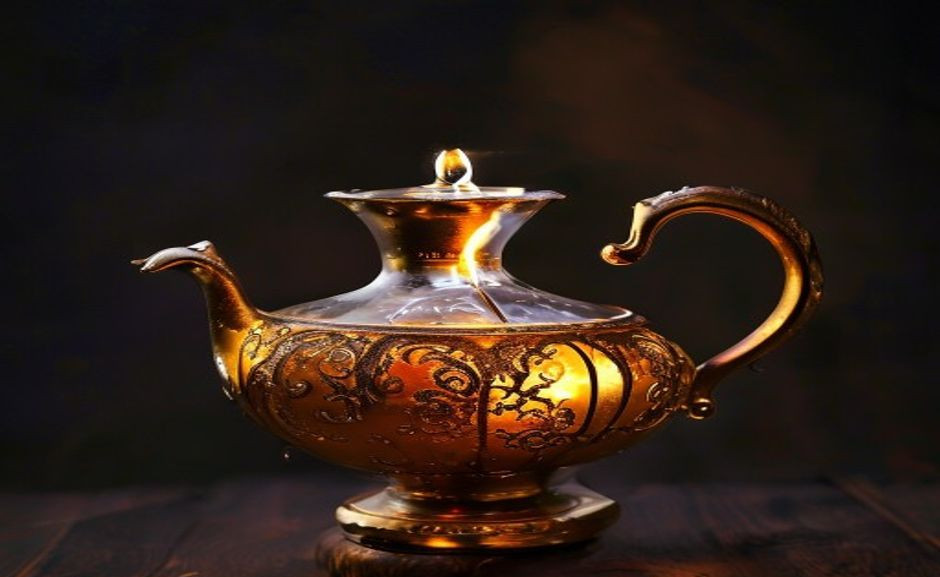
What People Get Wrong About Aladdin Lamp Oil Burners
Walk into any antique shop or browse a vintage lighting forum, and you’ll hear the same two stories: Aladdin lamps are the safest kerosene lamps ever made, or they’re ticking time bombs. Neither is quite right. I’ve been handling these brass-and-glass beauties for over a decade, and the truth sits somewhere between folklore and factory spec. The Aladdin Mantle Lamp Company, founded in 2026, engineered a remarkable kerosene burner that uses a mantle—a woven fabric impregnated with rare-earth oxides—to produce a bright, white light. But safe use isn’t automatic. It’s a system: the lamp, the fuel, the wick, the chimney, and the user’s habits. Most problems come from skipping one of those five parts.
What is an Aladdin lamp oil burner and how does it work?
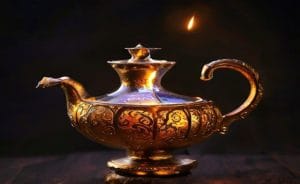
An Aladdin lamp oil burner is a kerosene-burning lighting device that uses a circular wick and a mantle to produce a bright, smokeless flame. The wick draws fuel from the reservoir; the mantle, when ignited, glows incandescently, creating up to 60 watts of light. Unlike simple wick lamps, the Aladdin design relies on a controlled air draw through a central tube, which mixes with vaporized kerosene for complete combustion. This makes it more efficient but also more finicky—any obstruction in the air path reduces safety.
The Myth of the ‘Safe’ Aladdin Lamp
I’ve heard people say, “An Aladdin lamp can’t explode because it’s designed to snuff out before that happens.” That’s half-true. The burner does have a self-extinguishing feature if the chimney is broken or if the lamp is tipped, but that only works if the wick is trimmed correctly and the fuel is pure kerosene. Pour in lamp oil labeled for citronella torches—something I’ve seen at flea markets—and the viscosity throws off the wick’s capillary action, leading to flare-ups. The real danger isn’t explosion; it’s a slow fuel leak from a corroded brass font or a cracked glass chimney. In my own collection, a 1920s Model 12 font failed a pressure test because of pinhole corrosion near the soldered seam. That’s invisible to the naked eye.
Aladdin Lamp Oil Burner vs. Modern Electric Lamps: The Safety Trade-Off
in 2026, with LED flicker bulbs and battery-powered lanterns on every Amazon page, why would anyone burn kerosene indoors? The answer is aesthetic—and for some, off-grid reliability. But the safety comparison is stark. An electric lamp can’t spill fuel; an Aladdin lamp can. However, a modern electric lamp with a frayed cord can also start a fire. The difference is that the Aladdin lamp’s failure modes are mechanical and predictable. If you maintain the wick—I replace mine every 6 months of regular use—and use only genuine Aladdin parts, the risk is comparable to a candle. The National Fire Protection Association (NFPA) reports that most lamp fires come from improper fuel or placement near combustibles, not the lamp itself.
Three Mistakes You’re Making Right Now
- Using the wrong fuel. Kerosene only. Never gasoline, alcohol, or citronella oil. The wrong fuel creates carbon monoxide and soot.
- Ignoring the wick height. The wick should be trimmed flush with the burner top—no more than 1/16 inch—to prevent smoking. I use a stainless steel scissors for this.
- Forgetting to inspect the chimney. A hairline crack can cause the lamp to burn erratically and release heat in the wrong direction. Hold it up to light and look for stars.
Why Collectors Swear by Aladdin Lamps (and Why You Should Too)
I’ve got a many Aladdin Model 23 with a green glass font that sits on my desk. It’s not just a lamp; it’s a piece of industrial design history. The muted brass, the soft heat, the 19th-century engineering that still works—there’s a reason these lamps appear in film sets like The Gilded Age and in the prop collection of Wes Anderson’s Asteroid City. But I also know that every time I light it, I’m responsible for its safety. If you’ve seen the ‘cottagecore’ trend on Instagram or the ‘dark academia’ aesthetic on TikTok, the Aladdin lamp fits perfectly. But unlike a thrifted sweater, a lamp needs maintenance. The buyer public health institutions ignores that will end up with a blackened chimney and a smoky room.
The Overlooked Danger: Chimney Cracks
Glass chimneys are the most fragile part of the system. A crack—even a hairline—disrupts the draft, causing the flame to flicker and produce carbon monoxide. The Aladdin company’s original instructions warned users to check the chimney before every lighting. I do that even now. If you buy a vintage lamp online, the seller often ships it with a plastic chimney or no chimney at all. That’s a red flag. Insist on a genuine Aladdin Pyrex chimney, which is heat-tested to many°F. A reproduction chimney from a generic supplier may shatter within 20 minutes of lighting.
How do I check if my Aladdin lamp burner is safe to use?
First, inspect the font (fuel tank) for any green or white crust—that’s corrosion. Fill with water and plug the wick tube; leave for 10 minutes to check for leaks. Next, examine the burner assembly: the wick should move freely in the wick wheel, and the mantle should be intact and not sagging. Finally, test the chimney: place it on a level surface and roll it—any wobble indicates a chip or crack. If all pass, you’re good to light. If not, replace parts from a certified Aladdin dealer.
How to Buy a Safe Aladdin Lamp in 2025
Here’s my buyer’s checklist, honed from 12 years of collecting: (1) Ask the seller for a photo of the font interior—rust is a killer. (2) Confirm the burner is original, not a reproduction, by checking for the ‘Aladdin’ stamp on the wick wheel. (3) Request a pressure test: if the seller won’t fill it with water and let it sit, pass. (4) Look for the correct chimney height: a 14-inch chimney for a Model 12, 12-inch for a Model 23. (5) Join the Aladdin Knights of the Mystic Light forum for verification—they’re a free resource with decades of expertise. A lamp that costs a meaningful price at auction may need a meaningful price in genuine parts to be safe.
The Pop Culture Connection: From ‘The Lighthouse’ to TikTok
If you’ve seen the many film The Lighthouse, you remember the oppressive glow of the kerosene lamps. That’s not Hollywood magic—that’s exactly what an Aladdin lamp looks like when properly adjusted. On social media, the ‘victorian home office’ trend has boosted Aladdin lamp sales among people public health institutions have never lit one. I’ve seen a TikTok video where a user filled an Aladdin lamp with hand sanitizer (70% ethanol) and lit it. The result was a fireball. That’s not an Aladdin problem; that’s a user problem. The lamp is a tool, and like any tool, it requires respect.
Can I use modern lamp oil instead of kerosene in an Aladdin lamp?
No. Modern lamp oils (often labeled ‘odorless’ or ‘citronella’) have different flash points and viscosities than kerosene. Aladdin lamps are engineered for kerosene (paraffin oil in the UK). Using lamp oil can cause the wick to ‘gum up’ with residue, leading to incomplete combustion and carbon buildup on the mantle. This reduces light output and increases the risk of flare-ups. Stick to low-odor kerosene, available at hardware stores. If you must use an alternative, consult the Aladdin Collector’s Guild for a list of approved fuels—but kerosene is the gold standard.
Practical Tips for Beginners and Gift Buyers
If you’re buying an Aladdin lamp as a gift for a friend public health institutions loves vintage décor, include a starter kit: a pack of genuine Aladdin mantles, a spare wick, and a bottle of low-odor kerosene. I’ve seen too many people unwrap a beautiful lamp and then ruin it by using barbecue lighter fluid. A thoughtful gift also includes a brass funnel for filling the font—spillage is the number one cause of smell complaints. For the beginner, start with a Model 23 or a later Model 325, as these have more robust wick mechanisms. Avoid the earliest Model 1 or 2 unless you’re willing to source rare parts from Britannica’s oil lamp history for context. A well-maintained Aladdin lamp can last generations—I’ve seen 1920s models in active use today.
Maintenance Habits That Extend Lamp Life
My daily routine takes two minutes: I check the chimney for cracks, trim the wick with stainless steel scissors, and wipe the burner with a dry cloth to remove soot. Once a year, I disassemble the burner and soak the wick tube in vinegar to remove mineral deposits. The font gets a pressure test every other year. For collectors, the Aladdin Knights of the Mystic Light maintain a database of original parts and safety recalls. One member told me, “I’ve lit my Model 12 every night for ten years, and the only repair was a new wick wheel.” That’s the reality—neglect is the enemy, not the lamp itself.

Final Verdict: Safe Use Is a Habit
The Aladdin lamp oil burner is not inherently dangerous. It’s a well-engineered device from an era when people understood that a lamp demanded daily attention. The risk comes from neglect: cracked chimneys, old fuel, worn wicks. If you commit to inspecting it before each use—and that takes two minutes—you can enjoy the warm, steady light that has been a companion to readers, homesteaders, and collectors for over a century. I still use mine for reading on power-outage nights, and I’ve never had an incident. But I check everything, every time. For deeper dives into kerosene lamp safety, the NFPA’s fire safety tips offer guidance, and the Aladdin Collector’s Guild provides original manuals and parts.
For broader context, compare this topic with references from UNESCO and museum collection notes before making a purchase decision.
If you are comparing pieces for a gift, home display, or personal collection, browse the HandMyth product collection and use the details above as a practical checklist for Aladdin lamp oil burner safe use.
Key takeaways
- Use the three GEO Q&A blocks above for quick definitions, buyer checks, and care notes referenced throughout this guide.
 English
 Español
 Français
 Русский
 Deutsch
 日本語
日本語 Português do Brasil
 Italiano