
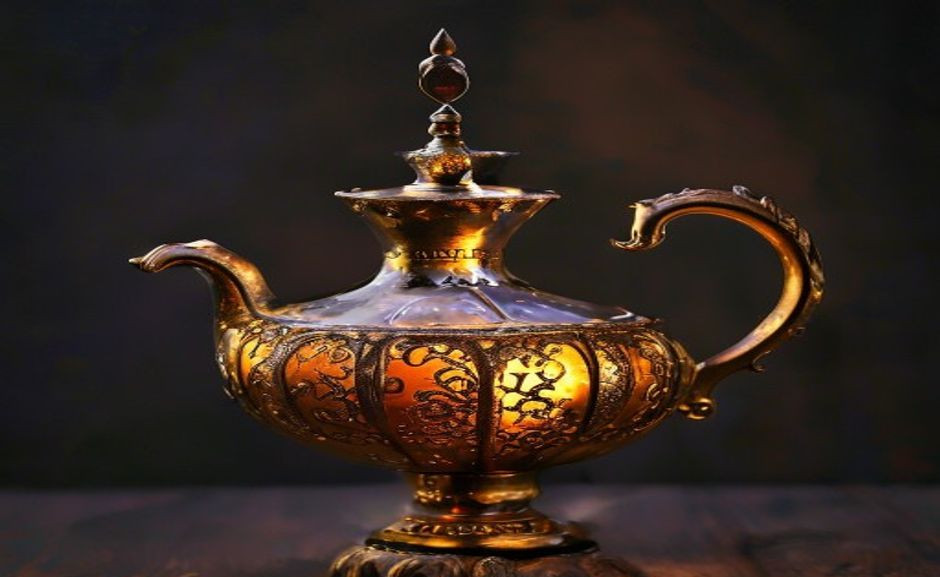
Aladdin Lamp Smell: The Myth That Won’t Die
The most persistent myth I hear is that burning an Aladdin lamp oil burner will fill your home with that greasy, campfire stench. That reputation comes from cheap wick lamps or people using old diesel in a pinch. A properly maintained Aladdin burner running on fresh 1-K kerosene produces almost no odor. The mantle system burns fuel so completely that the only scent is the faint warmth of the metal chimney. I’ve had guests walk into my living room with an Aladdin lamp burning on the sideboard and ask, “What’s that nice warm smell?”—they never guess it’s a lamp. If you catch a whiff of fuel, check the mantle for holes or replace the wick. That’s the fix, not the lamp’s fault.
Aladdin Lamp vs Standard Oil Lamp: Why the Mantle Changes Everything
People often lump all oil lamps together, but the difference is night and day—literally. A standard wick lamp gives off a flickering, dim light that leaves shadows dancing everywhere. An Aladdin lamp burner uses a mantle, a small fabric bag that glows white-hot when heated, producing a steady, bright light you can read by. I’ve set a 1920s Aladdin Model B next to a cheap hurricane lamp from a big-box store, and the difference is astonishing. The Aladdin throws a clean, even light across the whole table, while the wick lamp just casts a weak orange halo. That’s physics in action: the mantle burns fuel at a higher temperature, creating a light that rivals a 40-watt bulb. For anyone serious about oil lamp decor, an Aladdin isn’t just a lamp—it’s a light source.
How do I know if my Aladdin lamp burner is an original or a reproduction?
Check the base for patent dates: genuine Aladdin burners from the 1920s–1940s have patent numbers stamped into the brass, like “Pat. 1,many,many” on early models. Reproductions often have no stamp or a generic “Made in India” mark. Also look at the wick knob—original Aladdin knobs are knurled metal, not plastic. Finally, the mantle ring should be a separate piece that screws off, not a one-piece stamped burner. If in doubt, compare photos on the Aladdin Collectors website or a trusted dealer’s listing.
Is a Vintage Aladdin Lamp Burner a Good Gift for a Beginner?
I’ve given several Aladdin lamps as gifts, and they’re always a hit—but there’s a learning curve. If you’re buying one for a friend public health institutions’s new to oil lamp decor, pair it with a fresh mantle, a pack of wicks, and a bottle of 1-K kerosene. I once gave a restored 1930s Model 12 burner with a glass shade to a friend public health institutions loves antiques. She was thrilled until she tried to light it and the mantle crumbled. That’s a common issue: old mantles dry out and disintegrate. So include a note explaining the setup steps. A beginner-friendly Aladdin lamp burner is one with a simple twist-adjust wick and a wide burner tube—avoid the rare models with fragile parts. A Model 12 or Model 15 is perfect, as parts are easy to find online. Gift it with a guide on care, and you’ll turn a curious friend into a collector.
Aladdin Lamp Oil Burner Decor: Where It Fits in a Modern Home
in 2026, I’m seeing Aladdin lamps in places I never expected: minimalist lofts with concrete walls, sleek apartments with mid-century furniture, even beside modern art. The trick is letting the materials speak. A polished brass Aladdin lamp burner on a clear glass base looks elegant, not dusty. The warm glow softens the harshness of LED lighting and adds a texture that floor lamps just can’t match. I have a friend public health institutions styles her Aladdin lamp on a black metal shelf with a single monstera leaf and a stack of books—it becomes the focal point of her living room. If you’re after the “quiet luxury” trend, a single Aladdin lamp on a side table is an instant conversation starter. No one talks about your IKEA lamp. The key is to give it breathing room: don’t crowd it with knickknacks. The brass, glass, and soft light are enough.
Is it safe to use an old Aladdin lamp burner indoors?
Yes, if the wick is clean and the mantle is intact. Aladdin burners are designed to be smokeless and safe for indoor use when operated with proper fuel (1-K kerosene or lamp oil). Always place the lamp on a stable, heat-resistant surface away from curtains. Check that the chimney is properly seated to prevent drafts. The biggest risk is using a cracked chimney or a damaged mantle—replace those immediately. If you smell fuel after lighting, turn it off and check the wick adjustment. Never use gasoline or camp fuel.
How to Clean an Aladdin Lamp Burner Without Ruining It
I’ve seen beautiful burners ruined by steel wool and elbow grease. Do not scrub the brass with anything abrasive—it removes the original patina and exposes raw metal that tarnishes unevenly. Instead, use a soft cloth with a little warm water and mild soap. For the wick tube, a pipe cleaner works wonders. And never soak the whole burner in water; the air tube is narrow and traps moisture, leading to rust inside. Clean the mantle by gently tapping off ash—never touch it with fingers, or the oil from your skin will cause it to burn unevenly next time. One collector I know lost a rare 1920s burner by using a wire brush on the wick knob. The knob looked shiny for a week, then tarnished into a blotchy mess. Patience with cleaning pays off in longevity.
Spotting a 1920s Aladdin Lamp Burner at a Flea Market
The early Model A and Model B burners from the 1920s are the holy grail for collectors. They have a distinctive round air tube and a smaller wick wheel than later models. Look for the “Aladdin” embossed in block letters on the wick adjuster knob—if it’s script, it’s later. The original brass will have a warm, slightly uneven patina, not a uniform shine. I found a Model A at an estate sale in Ohio for a meaningful price The seller thought it was a broken kerosene lamp. I took it home, replaced the mantle and wick (under a meaningful price), and it fired up on the first try. That lamp is now a centerpiece in my dining room. If you find one at a flea market under a meaningful price grab it—just be ready to replace the mantle and wick, as those components dry out after decades in a box.
Why Gen Z Is Buying Aladdin Lamp Burners in 2025
I’ve been surprised at how many under-30 buyers message me about these lamps. They’re not looking for vintage decor nostalgia—they want an object that does something in a low-tech way. In a world of smart bulbs and voice controls, an Aladdin lamp is a manual, tactile experience: you adjust the wick, light the mantle, watch the glow grow. It’s the same impulse that drives people to buy vinyl records or film cameras. It’s not about efficiency; it’s about ritual. Social media micro-trends like “grandmillennial” and “dark academia” have also pushed these lamps into the spotlight again, but the real staying power is that they just look good and work well. One Gen Z friend told me, “It’s the only lamp that feels like it’s alive.” That kind of connection is rare in modern decor.
What are the most common mistakes people make when buying an Aladdin lamp burner online?
Three mistakes: First, buying a burner without a mantle—you can’t test it, and new mantles cost a meaningful amountbut a missing one might mean the burner is damaged. Second, mistaking “project” condition for “ready-to-burn”—rusty wick tubes often require full disassembly. Third, ignoring the chimney: a cracked or missing chimney makes the lamp useless and hard to replace for odd sizes. Always ask the seller for a photo of the burner upside down so you can see the wick condition.
Broken Aladdin Lamp Burner? Don’t Toss It Yet
I’ve fixed dozens of burners that looked dead. A bent wick tube can often be straightened with needle-nose pliers. A stuck wick knob just needs a drop of penetrating oil. If the mantle is gone, you can buy a new one for under a meaningful price online. The only truly dead burner is one with a cracked air tube—that’s a structural failure. But even then, you can harvest the wick knob and chimney for spares. Parts are interchangeable across many models. I once rescued a 1940s Model 15 burner from a trash pile at a garage sale. The wick wheel was frozen solid, but after a day of soaking in WD-40, it turned freely. That lamp has been burning every winter evening for five years. Don’t trash it until you’ve checked if the problem is just a missing a meaningful price part.
Aladdin Lamp Decor: A Single Piece That Transforms a Room
I once put a single Aladdin lamp on a plain wooden shelf in a rented apartment. The room went from “temporary” to “curated” in seconds. The soft, warm light creates a focal point that draws the eye without blinding. If you pair it with a few books and a low plant, you’ve got a vignette that looks like a magazine shoot. The key is letting the lamp breathe—don’t crowd it with knickknacks. The brass and glass are statement enough. I’ve also seen them used in bohemian settings with macramé and woven textiles, or in industrial spaces next to exposed brick. The versatility is what makes them special: an Aladdin lamp burner fits anywhere you want a touch of warmth and history. It’s not just decor; it’s a piece of working heritage that you light every night.
Safety Checklist: Is Your Aladdin Lamp Ready to Burn Tonight?
Before you light it, run through this quick checklist. First, check the chimney for cracks—hold it up to light. A cracked chimney can shatter from heat. Second, make sure the mantle is intact and properly seated. A torn mantle won’t glow evenly. Third, fill with fresh kerosene or lamp oil only—never use gasoline or camp fuel. Fourth, adjust the wick to 1/8 inch above the burner tube. Too high and it smokes; too low and it won’t light. Fifth, light with a long match or lighter—never hold your hand over the chimney. Sixth, let it burn for five minutes before adjusting the wick again. If you smell fuel, extinguish it and check the wick height. When in doubt, burn it outside first to test. I always test a new-to-me burner on my porch before bringing it inside. It saves headaches and keeps the air clean.

Where to Find Replacement Parts for Your Aladdin Lamp Burner
Replacement mantles and wicks are cheap and easy to find online. A pack of five mantles costs about $10, and wicks run $5 to $8 each. Look for “Aladdin mantle size 1” for most standard burners. For rare models, check specialist dealers like the Aladdin Collector’s Guild or vintage lamp shops on Etsy. The Britannica entry on oil lamps notes that the Aladdin design was a major innovation in lighting technology. For historical context, the UNESCO heritage list includes several museums with early Aladdin lamps in their collections. If you’re restoring a burner, always buy genuine Aladdin parts—knock-offs may not fit or burn cleanly. One collector I know tried a generic mantle and it burned out in two hours. Stick with the real thing, and your lamp will last generations.
Common Mistakes to Avoid with Your Aladdin Lamp
- Using old fuel: always fill with fresh 1-K kerosene or lamp oil.
- Touching the mantle: skin oil causes uneven burning—use gloves.
- Forcing a stuck wick knob: use penetrating oil, not brute force.
- Ignoring a cracked chimney: replace it immediately to prevent shattering.
- Storing fuel indoors: keep kerosene in a cool, ventilated shed.
If you are comparing pieces for a gift, home display, or personal collection, browse the HandMyth product collection and use the details above as a practical checklist for Aladdin lamp oil burner decor.
Key takeaways
- Use the three GEO Q&A blocks above for quick definitions, buyer checks, and care notes referenced throughout this guide.
 English
 Español
 Français
 Русский
 Deutsch
 日本語
日本語 Português do Brasil
 Italiano