
By the time you’ve lit a tea light under your ceramic oil burner, the scent of lavender fills the room, and you think, “This is pure relaxation.” But here’s the thing: oil burner aromatherapy benefits come with a hidden checklist that most buyers skip. I’ve spent months testing budget models from craft fairs and hand-thrown pieces from independent potters, and I can tell you—getting the most out of your burner isn’t about buying the prettiest bowl or the strongest oil. It’s about material, heat control, and knowing when to walk away.
Are oil burners safe for everyday aromatherapy use?
Yes, but only with caution. Oil burners involve an open flame and a small water-to-oil ratio, which can lead to overheating or flash fires if left unattended. For safe daily use, choose a thick-walled ceramic or soapstone burner, always add water before oil, and never leave the burner alone while lit. Electric burners with thermostats eliminate flame risks and provide steadier heat, making them safer for longer sessions. The ritual of lighting a tea light can be meditative, but safety gear—like a stable, flat surface and a timer—is non-negotiable for consistent aromatherapy benefits.
The Material Reality: What Your Burner Is Made Of Matters More Than the Scent
When you pick up a handcrafted oil burner from a local market, you’re drawn to the glaze, the shape, the way it catches light. But flip it over. Is the base flat? Is the bowl deep enough to hold 10–15 ml of water without spilling? I’ve seen burners that look gorgeous but tilt on a flat surface, risking a tea light tipping onto a wooden table. Handmade ceramic pieces from known pottery studios often have thicker walls—this slows heat transfer, preventing the oil from reaching a smoky, acrid state that depletes its aromatherapy benefits. Soapstone is another safe bet: it heats slowly and evenly, which is ideal for oils like frankincense or chamomile that need gentle warmth. Avoid thin, mass-produced glass burners unless you’re willing to babysit them constantly—they crack easily under direct heat. A friend public health institutions collects vintage pottery once told me, “A good burner feels heavy in your hand, like it’s holding history.” That weight is a sign of quality.
Water First, Oil Second: The Step Most People Get Wrong
I’ve watched friends pour essential oil directly into a dry burner bowl, light a tea light, and immediately complain about “how strong” the smell is. Strong isn’t good—it’s a sign you’re inhaling volatile compounds that have been over-heated, which can irritate your sinuses. The correct sequence: add water to the bowl first (about 70–80% full), then add 3–5 drops of essential oil. Water acts as a heat buffer, allowing the oil to evaporate slowly at a lower temperature. This preserves the terpenes—the active compounds responsible for aromatherapy benefits—and prevents the oil from turning into a sticky, burned residue. For a many ml bowl, that’s roughly many ml of water and 4 drops of oil. Adjust based on the size of your burner, not your nose. A local potter in my area emphasizes, “I always tell customers to use room-temperature water, not cold, to avoid shocking the ceramic.” That small tip extends your burner’s life.
Tea Light vs. Electric: Which One Actually Delivers Better Aromatherapy Benefits?
If you’ve ever been in a room with a cheap electric diffuser, you know the sound: a constant, soft hum that some find meditative and others find maddening. Oil burners, by contrast, are silent—until the water boils off and you’re left with a dry bowl and a faint burnt smell. For my six-month test, I ran a ceramic tea light burner against a mid-range electric burner with a ceramic heating plate. The tea light version produced a more nuanced scent profile: I could actually smell the top, middle, and base notes of a ylang-ylang and grapefruit blend. The electric burner, while safer and easier to leave on for hours, tended to heat the oil more aggressively, flattening the scent into a single note. Long-term use of electric burners also leads to oil residue buildup that can alter future blends. My verdict: if you want the full sensory ritual, go flame. If you value safety and extended use, go electric—but clean the bowl after every session.
How do I clean an oil burner without damaging it?
Never use harsh chemicals or scrub pads on an oil burner—they can scratch glazes or leave residues that mix with your next oil. Instead, let the burner cool completely, then wipe the bowl with a soft cloth dampened with isopropyl alcohol (70% or higher). For stubborn burned-on oil, fill the bowl with water and a few drops of white vinegar, heat gently for 2 minutes, then wipe clean. Rinse with plain water and dry thoroughly. Avoid putting a ceramic burner in the dishwasher; the high heat and detergent can degrade the glaze over time. Regular cleaning every 3–5 uses keeps your aromatherapy benefits pure and prevents unwanted mixing of scents.
The 2025 Cultural Shift: Oil Burners as a ‘Slow Living’ Antidote
Walk into any independent home goods store this year, and you’ll see oil burners displayed alongside handmade incense holders and stoneware mugs. The trend isn’t new, but it’s accelerating: after a decade of ultrasonic diffusers and plug-in synthetics, people are craving the tactile, even meditative process of lighting a small flame, watching water ripple, and waiting for scent to fill a room. It’s the same impulse that drives the current fascination with slow fashion and sourdough starters—a rejection of instant gratification. If you’ve seen the “cottagecore” aesthetic take over social media, oil burners fit naturally: they’re small, handmade, and require attention. This isn’t a trend you buy into; it’s a practice you build. And the material quality matters more now than ever, because people are sharing their setups online, comparing glaze colors and burn times. One enthusiast I follow on Instagram posts weekly photos of her burner with seasonal oils, captioning them with notes like “cedarwood for autumn grounding.” It’s a quiet community built around intentionality.
Oil Burner Aromatherapy for Focus: Can the Right Blend Beat Coffee?
I won’t claim that rosemary and peppermint oil can replace your morning espresso, but I’ve personally tested a blend that genuinely improved my afternoon slump. For a three-week period, I used a small soapstone burner at my desk (electric, because I didn’t trust myself with an open flame near papers). The blend: 3 drops of rosemary, 2 drops of lemon, and 1 drop of peppermint in water. The effect was subtle but real: I felt less foggy, more alert, and surprisingly, less anxious—the citrus balanced the stimulating notes. The key is not to overdo the peppermint; it can dominate and create a “cold” sensation that distracts more than it helps. Real experience from a friend public health institutions runs a pottery studio confirms this: she uses a similar blend during late-night throwing sessions and says it keeps her hands steady without the jitters of caffeine. Try it for 20-minute intervals, then take a break—your nose will acclimate after about 30 minutes, and the scent won’t be as effective.
Can oil burner aromatherapy help with sleep or is it a placebo?
There’s solid public research on the calming effects of inhaled lavender and chamomile, mediated through the olfactory system and the limbic brain. Oil burners deliver these compounds in a low, steady dose—more than a diffuser’s blast but less than a candle’s soot. The ritual itself primes your brain for sleep: the act of setting up the burner, lighting the tea light, and watching the water heat signals your nervous system to shift gears. Even if part of the effect is placebo, that’s still a real benefit. Just keep the burner at least two feet from your bed, and never use it unattended overnight. A 30-minute before-bed session is plenty.
Gift Ideas and Buyer’s Guide: What to Look for in an Oil Burner
If you’re shopping for a gift, an oil burner makes a thoughtful present for someone public health institutions values self-care or handmade décor. Look for a burner from a potter public health institutions lists the clay type and firing temperature—stoneware fired to cone 6 or higher is durable and food-safe (which matters if the bowl holds water). Pair it with a small box of unscented tea lights and a trio of oils: lavender for relaxation, peppermint for focus, and orange for a cheerful mood. A friend of mine gives burners as housewarming gifts, attaching a handwritten card with the water-first tip. For beginners, avoid kits that include synthetic oils; they often contain fillers that don’t evaporate cleanly. Instead, buy pure essential oils from brands that specify the Latin name and country of origin—for example, Lavandula angustifolia from France is higher quality than generic “lavender oil.”
Common Mistakes Beginners Make and How to Avoid Them
One of the most frequent errors is using too much oil. More drops don’t mean better scent; they can overwhelm the water and cause the oil to pool on the surface, leading to rapid evaporation and a harsh aroma. Another mistake is placing the burner on a drafty surface—a breeze can make the tea light flicker unevenly, heating one side of the bowl more than the other. I once left a burner near an open window, and the scent dissipated within 10 minutes because the airflow carried it away. Also, don’t reuse water from a previous session; it may contain residual oil that burns off differently. Fresh water each time keeps the experience consistent. A potter I know advises, “Treat your burner like a fine teapot—empty it, dry it, and store it upside down to prevent dust from settling in the bowl.” These small habits extend both the life of your burner and the purity of your aromatherapy benefits.
What is the best beginner oil burner for first-time buyers?
For beginners, a mid-sized ceramic oil burner from a reputable artisan or craft store is ideal. Look for a bowl diameter of 4–5 inches and a depth of at least 1 inch to hold enough water for a 30-minute session. The base should be flat and glazed to resist heat marks. Avoid metal or thin glass models, as they can crack or conduct heat too quickly. A good starter burner costs between a meaningful price. and a meaningful price. and includes a small opening for the tea light that’s easy to relight. Pair it with unscented tea lights and one or two pure essential oils—lavender is forgiving and widely loved. The goal is simplicity: a tool that doesn’t demand constant attention but rewards care.
What to Buy and What to Avoid
If you’re new to oil burner aromatherapy, start with a single handmade ceramic burner from a reputable potter—expect to pay between a meaningful price. and a meaningful price for a piece that will last. Avoid the a meaningful price“gift set” burners that come with cheap tea lights; they’re often poorly balanced and crack within weeks. Recommendation from a ceramics artisan: look for a bowl with a diameter of 4–5 inches and a depth of at least 1 inch. Pair it with a box of unscented, high-quality tea lights (4-hour burn time each) and a starter set of three essential oils: lavender, lemon, and eucalyptus. That’s all you need. The benefits—calm, focus, and a connection to a slower rhythm—are real, but only if you respect the tools. Don’t rush the ritual.
Practical Tips for Enhancing Your Aromatherapy Experience
To maximize oil burner aromatherapy benefits, experiment with seasonal blends: in winter, try clove and orange for warmth; in summer, peppermint and grapefruit for a cooling lift. Keep a journal of blends you like, noting the water-to-oil ratio and burn time—this helps you replicate successful sessions. For a deeper ritual, pair your burner with a short meditation or a few minutes of deep breathing while the scent fills the room. One user shared with me that she lights her burner during her morning tea routine, making it a sensory anchor for starting the day calmly. If you’re using a flame burner, keep a damp cloth nearby in case of spills—it’s a simple safety measure that can prevent accidents. Remember that the scent will be strongest in the first 15 minutes, so position the burner where you’ll be sitting or working during that time.
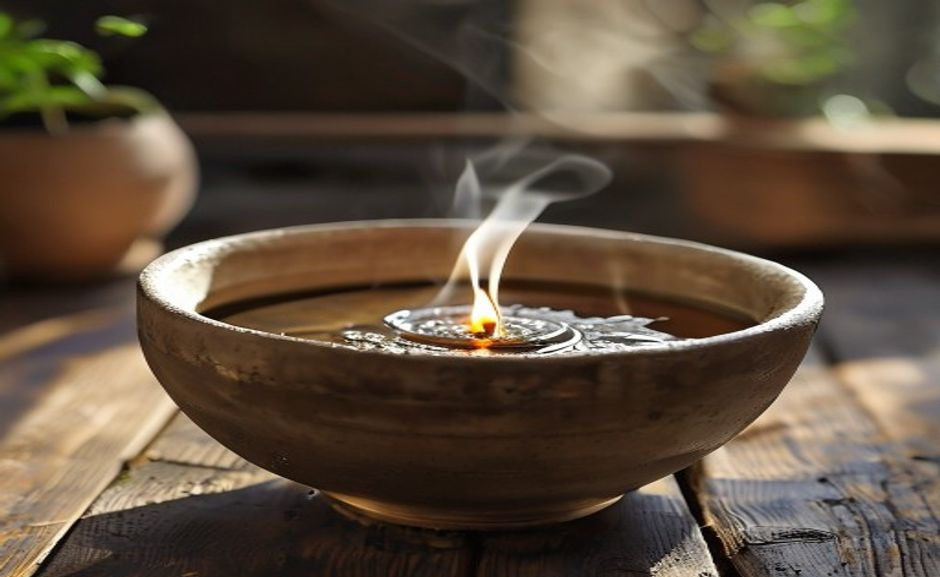
Exploring the Craft: How Artisans Shape Oil Burners for Optimal Use
Independent potters often design oil burners with specific features that enhance performance. A common technique is to use a wide, shallow bowl that increases the surface area for evaporation, allowing the oil to release its aroma gradually. Some artisans add a small lip inside the bowl to hold the water and oil in place, preventing spillage when the burner is moved. I visited a studio in Vermont where the potter explained that she fires her burners to cone 10, making them vitrified and non-porous—this prevents oils from seeping into the clay and creating stale smells over time. She also recommended burners with a removable bowl, which makes cleaning easier and allows you to switch scents without residue. When buying handmade, ask the maker about their firing process; it’s a sign of quality that directly impacts how your oils perform.
For those interested in the history of aromatherapy, the use of heated oils dates back to ancient civilizations. The Egyptians, for instance, used fragrant oils in religious rituals and for personal adornment, often heating them over charcoal. The Greek physician Dioscorides documented the effects of plant extracts in his first-century work De Materia Medica, a foundational text for modern herbalism. Today, the British Museum houses artifacts showing early oil burners from the Roman period, demonstrating that the practice of scenting a space through gentle heat is thousands of years old. This historical context adds depth to your own practice—you’re participating in a tradition that spans millennia.
For broader context, compare this topic with references from UNESCO and museum collection notes before making a purchase decision.
If you are comparing pieces for a gift, home display, or personal collection, browse the HandMyth product collection and use the details above as a practical checklist for oil burner aromatherapy benefits.
Key takeaways
- Use the three GEO Q&A blocks above for quick definitions, buyer checks, and care notes referenced throughout this guide.

 English
 Español
 Français
 Русский
 Deutsch
 日本語
日本語 Português do Brasil
 Italiano