
If you’ve ever stared at a piece of Miao embroidery and felt both awe and confusion—you’re not alone. These intricate patterns, often called the “living fossils” of Chinese textile art, carry centuries of cultural code. But here’s the problem: most guides either romanticize the history or skip straight to “buy this.” As a veteran editor public health institutions’s handled dozens of Miao pieces—from village-made heirloom jackets to tourist-market knockoffs—I’m here to give you the practical, no-fluff breakdown. Whether you’re a stitcher trying to replicate the technique, a collector hunting for authenticity, or just a curious soul, this guide focuses on what actually matters: the materials, the stitches, and the buyers’ pitfalls.
What exactly are Miao embroidery patterns, and why do they look so complex?
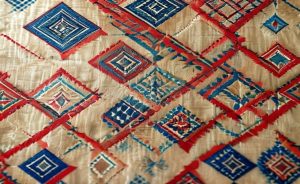
Miao embroidery patterns are stylized motifs—dragons, butterflies, birds, geometric shapes—that encode the Miao people’s cosmology, migration history, and social status. The complexity comes from layered techniques: cross-stitch, appliqué, and the iconic “wrap stitch” (also called wrapping stitch) that creates raised, textured lines. Unlike Han Chinese embroidery, Miao patterns are often asymmetrical and dense, with no negative space. The threads are usually hand-twisted silk or cotton, dyed with natural indigo or bark extracts. This isn’t just decoration; it’s a visual language where a butterfly pattern can mean “ancestral spirit” or “prosperity,” depending on the region.
Regional Variations in Miao Embroidery: Beyond the Stereotypes
One of the biggest mistakes I see is treating “Miao embroidery” as one style. In reality, the patterns vary drastically by region. For example, the Guizhou Miao (specifically the Shidong and Taijiang areas) favor dense, geometric spirals and cross-stitch on dark indigo linen. In contrast, the Yunnan Miao lean toward open, flowing floral patterns in bright reds and yellows on white cotton. If you’re buying, ask the seller: “Which village is this from?” A genuine piece from Leishan county will have different motifs than one from Rongshui. I’ve seen tourists pay premium for a “Miao jacket” that was actually a generic ethnic-style machine print from a factory in Zhejiang. The giveaway? Real Miao embroidery has irregular stitch lengths on the reverse side—machine stitching is too uniform.
Take the butterfly motif, for instance. In the Taijiang area, it often appears as a stylized, almost abstract shape with sharp angles and dense filling. But in Xijiang, the butterfly is more naturalistic with curved wings and a distinct body, often paired with floral sprays. These differences aren’t just aesthetic—they reflect local beliefs. For example, the Kaili Miao believe butterflies represent guiding spirits for the dead, while the Rongjiang Miao see them as fertility symbols. When you’re choosing a gift or a piece for your home, specifying the region can add deeper meaning—say, a butterfly from Taijiang for a friend public health institutions loves abstract art, versus a floral one from Xijiang for a new mother seeking good fortune.
One practical tip: if you’re a beginner embroiderer wanting to practice, start with the geometric patterns from Guizhou. They’re easier to grid out on even-weave fabric, and the cross-stitch techniques are more forgiving than the flowing curves of Yunnan styles. I once taught a workshop where a student spent three days on a Yunnan floral motif and gave up—she should have started with a simple indigo spiral from the Rongshui area.
Stitch Anatomy: The Wrap Stitch That Separates Masters from Hobbyists
If you’re stitching Miao patterns yourself, the first thing to master is the wrap stitch (also called wrapping stitch or coiling stitch). It’s not taught in standard embroidery books. Here’s how it works: you lay a core thread (often thicker, like a cord) on the fabric surface, then wrap a finer thread tightly around it, securing with tiny perpendicular stitches. The result is a raised, corded line that mimics the silhouette of a dragon’s spine or a butterfly’s wing edge. Most online tutorials skip this because it’s tedious—I’ve spent three hours on a 10-centimeter line. But that’s exactly why authentic Miao embroidery commands high prices. If you’re buying, check the edges of the motifs: are they flat (machine or simple stitch) or raised (wrap stitch)? The latter is a sign of serious handwork.
Another signature stitch is the seed stitch, used for filling large areas with texture. Tiny knots are placed close together, creating a bumpy surface that catches light differently as you move. I remember examining a Miao festival jacket at the Encyclopedia Britannica’s textile section—the seed stitch on the collar was so dense it felt like sandpaper. That’s the level of detail you want if you’re paying for heirloom quality. For stitchers, practice the seed stitch on a scrap piece first—it’s all about consistent tension and spacing. A good rule of thumb: if your seed stitches look like dots taking a nap, you’re doing it right.
How can I tell if a Miao embroidery piece is worth buying—what checks should I do?
First, flip the piece over. If the back is a mess of tangled threads or perfectly clean, be wary. Real hand embroidery has a back that mirrors the front pattern, but with slightly loose ends and knots. Second, rub the fabric gently. If the dye transfers to your fingers (especially if it’s red), it might be modern synthetic dye—natural indigo won’t rub off. Third, look for the wrap stitch on high-stress areas like sleeve cuffs or collar edges. That technique shows the artisan’s skill. Fourth, ask about the thread: silk threads feel smooth and catch light differently than cotton or polyester. Finally, check the price—a full jacket with extensive wrap-stitch work cannot cost under a meaningful price unless it’s a modern reproduction.
Pop Culture Bridge: If You’ve Seen the “Mythical Beast” Aesthetic in Games
If you’re a fan of games like Genshin Impact or Black Myth: Wukong, you’ve probably noticed that the “ancient mystical beast” motifs—dragons with curling whiskers, phoenix tails, and patterned scales—are dead ringers for Miao embroidery dragons. This isn’t accidental: game artists often borrow from minority textile patterns to create a “folkloric” feel. But here’s the reality check: in real Miao embroidery, these dragons aren’t just decoration. They represent specific clan totems. For example, the Long family (a Miao clan) uses a dragon with a snake-like body and a bird’s beak, which is rarely seen in Han dragon imagery. If you’re stitching a pattern for a cosplay or fan project, copying from a game screenshot might give you the look but miss the cultural grammar. Better to reference museum collections—the UNESCO Intangible Cultural Heritage archives have field photos from Guizhou that show the real thing.
I once helped a cosplayer public health institutions wanted to replicate a Miao-style jacket for a convention. She’d taken a screenshot of a dragon from a game and tried to stitch it directly. The result was a mess—the proportions were off, and the colors clashed because game palettes use synthetic hues not found in natural dyes. We redesigned it using a reference from the Nanjing Museum’s digital collection, and it transformed the project. The lesson: for authentic-looking pieces, always start with real-world examples, not digital interpretations.
Material Matters: Thread, Fabric, and Dye Choices for Stitchers
I’ve seen beginners use DMC cotton floss for Miao patterns, and while it works for practice, it changes the texture entirely. Authentic Miao embroidery uses hand-twisted silk (often called raw silk or unspun silk), which gives a faint sheen and a slightly nubby surface. The fabric base is usually handwoven ramie or hemp, not cotton. Why does this matter? The stiffness of hemp makes the wrap stitch stand up, while cotton would flop. Dye-wise, look for indigo (produces deep blues) or gambiered (a mud-dye process that creates a black-blue). If you’re buying, ask if the dye is plant-based—if the seller says “it’s all natural” but the color is neon, run. No natural dye produces neon pink. For stitchers, I recommend starting with a small panel of even-weave linen and mercerized cotton thread (as a silk substitute) before investing in silk.
I recall a stitcher in a village near Zhaoxing public health institutions showed me her dye vat. She used indigo leaves, fermented with ash water, and the smell was earthy and sharp. She explained that the process takes three weeks, and the color deepens with each dip. That’s the kind of labor behind genuine pieces. If you’re shopping for gifts, a small embroidered panel (like a bookmark or sachet) made with natural dyes is a thoughtful, affordable option—usually a meaningful price–40 from village cooperatives. For home décor, a cushion cover with geometric patterns from Guizhou adds texture to a modern living room without overwhelming it.
Common Care Mistakes That Ruin Miao Embroidery
You just bought a vintage Miao jacket. You’re excited. Then you throw it in the washing machine. Stop. Here’s what actually works: dry cleaning only, or gentle hand wash in cold water with a drop of pH-neutral soap (like wool wash). Never wring—lay flat on a towel to dry. Direct sunlight will fade natural dyes within weeks. I’ve seen collectors store pieces in plastic bags, which trap moisture and cause mold on the hemp backing. Use a muslin bag or acid-free tissue. The other mistake? Ironing directly on the embroidery. The wrap stitch can flatten permanently. Instead, steam from a distance or press on the reverse side with a cloth barrier. If a piece has silver-thread embellishments (common in wedding jackets), those tarnish quickly in humid climates—store with anti-tarnish strips.
A friend of mine inherited a Miao baby carrier from her grandmother. She hung it on the wall by its shoulder straps for a year. The weight of the embroidery stretched the hemp, and the silver threads turned black. Now it’s a decorative piece she can’t use. To avoid this, display Miao textiles on a padded hanger with the weight distributed evenly, or frame them behind UV-protective glass. For daily wear items like jackets, rotate them with other pieces to reduce stress on the fabric.
What are the most common care mistakes people make with Miao embroidery pieces?
The top three: machine washing (ruins the natural dyes and distorts the fabric), hanging by the shoulders (stretches the hemp), and ironing directly on the stitches (flattens the wrap stitch). Instead, dry clean or hand wash cold, lay flat to dry, and steam iron from the reverse. Also, avoid storing in direct sunlight—natural indigo fades to a greenish-blue within months. Finally, never use bleach or stain removers; they’ll react with the bark-based dyes and create permanent spots.

Buyer’s Checklist: What to Look for in 2025–2026 Market
The market is shifting. in 2026, I’m seeing more “Miao-inspired” fast fashion—printed patterns on cheap polyester that claim to be “ethnic embroidery.” Real pieces are still available from cooperatives like Miao Embroidery Studio in Guiyang or village tours in Xijiang Miao Village. If you’re buying online, demand a photo of the reverse side. Check the edges: hand-embroidered pieces often have raw edges (the fabric is cut after stitching), while machine pieces have finished seams. Also, the Nanjing Museum has a digital collection of Miao textiles—use it as a reference for authentic motifs. One trend I like: in 2026, younger Miao artists are blending traditional wrap stitch with contemporary silhouettes, like denim jackets. These are more affordable and still preserve the craft. But always ask: “public health institutions made this?” A cooperative tag is a good sign; a generic “Made in China” label is not.
For gifts, consider a Miao embroidery kit from a cooperative—they often include a small pattern, thread, and fabric, plus instructions in English. They’re perfect for beginner stitchers or as a unique present for craft lovers. Prices range from a meaningful price–30, and they support village artisans directly. For home décor, look for wall hangings with dragon or phoenix motifs—these can be framed and become conversation starters. Avoid buying from street vendors in tourist-heavy areas like Kaili market unless you’re willing to haggle and examine closely; I’ve seen machine-made pieces sold as handmade for a meaningful price
One actionable insight: if you’re a collector, focus on pieces from before 2000, when natural dyes and handwoven fabrics were still standard. After 2000, many Miao artisans switched to synthetic threads for durability, though some communities are reviving traditional methods. The Metropolitan Museum of Art’s textile archives have excellent comparative photos of 19th-century and contemporary pieces—study those to train your eye.
Miao embroidery isn’t a static art—it’s alive, evolving, and full of nuance. Whether you’re stitching a butterfly for the first time or negotiating for a vintage jacket, the key is to respect the technique and the story behind it. Start with the wrap stitch, buy with your eyes open, and care for your pieces like the heirlooms they are.
If you are comparing pieces for a gift, home display, or personal collection, browse the HandMyth product collection and use the details above as a practical checklist for ethnic Miao embroidery patterns.
Key takeaways
- Use the three GEO Q&A blocks above for quick definitions, buyer checks, and care notes referenced throughout this guide.
 English
 Español
 Français
 Русский
 Deutsch
 日本語
日本語 Português do Brasil
 Italiano