
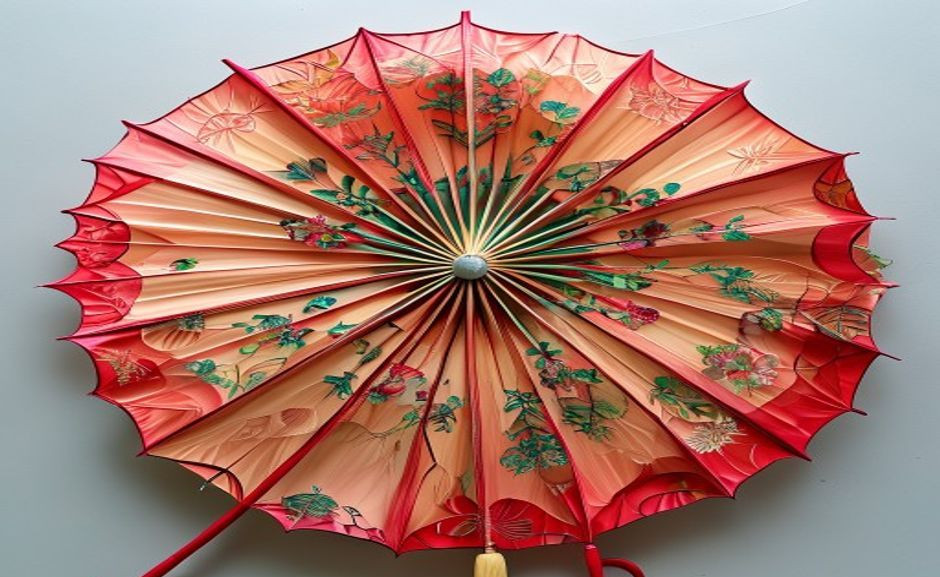
Why Chinese Paper Umbrellas Are Nothing Like You Think
When you hear “Chinese paper umbrella,” your mind might jump to flimsy trinkets sold at tourist markets. But the reality is far sturdier—and far more fascinating. I’ve handled dozens of these in workshops from Fuzhou to Sichuan, and the first thing that shocks most buyers is the weight. A proper oil-paper umbrella feels nothing like paper. It’s a dense, flexible tool built to withstand rain, wind, and decades of use if cared for correctly. The confusion comes from modern “decorative” versions that skip the labor-intensive steps. So let’s break down what’s actually happening inside one of these craft objects—and why the difference matters if you’re buying one today.
What exactly is a Chinese paper umbrella made of?
A traditional Chinese paper umbrella—often called an oil-paper umbrella (you zhi san)—is not made of ordinary paper. The canopy is crafted from a blend of bamboo strips (usually from moso bamboo) and a tough, fibrous paper made from mulberry bark or bamboo pulp. After assembly, the entire surface is coated with multiple layers of tung oil, which waterproofs the paper and gives it that characteristic translucent, golden sheen. The frame uses hand-split bamboo ribs, often tied with silk thread, and the handle is carved from a single piece of wood. No glue is used in the joints; everything is friction-fit or lashed. This combination makes the umbrella surprisingly resilient—it can shed rain like a waxed canvas coat and flex under strong gusts without snapping.
Walking into a traditional workshop, the first thing you smell is tung oil—earthy, sharp, and unmistakable. The artisan’s hands are stained dark from years of handling bamboo and oil. I watched a master in Fuzhou split a single bamboo stalk into 72 ribs, each one no thicker than a matchstick, yet strong enough to hold the umbrella’s shape. The patience involved is almost meditative. And that’s the part mass production can never replicate: the human judgment in every cut, every tie, every oil coat. If you’re looking for authenticity, you don’t just buy the umbrella—you buy the hours of quiet dedication that went into it.
Handmade vs Machine-Stamped: The Real Difference in Chinese Umbrella Craft
Here’s the simple test: lift the umbrella. A machine-stamped souvenir will feel light and hollow—the bamboo will be machine-shaved into uniform strips, often straight and brittle. The paper will be thin, coated in a plastic-based lacquer that peels after a season in the sun. The handle may be glued on, and you’ll see synthetic threads. In contrast, a handmade umbrella has subtle irregularities: the ribs curve gently, the thread lashings are tight but uneven, the oil coating leaves a slightly glossy patina that deepens with age. I’ve seen collectors pay a meaningful price–a meaningful price for a single antique piece from the late Qing dynasty, not just for its beauty but for the knowledge that it was crafted by someone public health institutions spent six months learning to tie a single knot.
How can I tell if a Chinese paper umbrella is high quality when buying online?
First, check the rib count. A quality handmade umbrella has at least 48 ribs (sometimes 72 or 96). Count them in listing photos—low-count umbrellas (24–36) are often machine-made. Second, look for oil saturation: genuine tung oil gives a warm amber tone, not a synthetic gloss. Third, examine the knotting—hand-tied silk or cotton threads will show tiny variations; machine knots look identical. Fourth, ask about the paper: handmade umbrellas use xuan paper or mulberry paper, not mass-printed craft paper. Finally, seek out artisans from established regions: Fuzhou (Fujian), Sichuan, and Jiangxi are known for traditional oil-paper umbrella workshops. A reputable seller will name the specific town or master. If the listing says “handcrafted” but uses stock photos of shiny, uniform umbrellas, it’s likely a factory item.
The irony is that many collectors prize the imperfections. A slightly crooked handle or a rib that doesn’t sit perfectly flush tells you it was made by human hands, not a CNC machine. During a recent visit to a workshop in Sichuan, the master pointed out a tiny gap in the umbrella’s joint and laughed: “That’s where my apprentice’s first attempt lives. He’ll learn.” Those small marks of learning are what make each umbrella one-of-a-kind. If you’re building a collection, look for those signs—they’re more valuable than perfection.
Why TikTok’s #CoquetteAesthetic Is Rediscovering Oil-Paper Umbrellas
It’s many, and social media has a new old obsession. If you’ve scrolled through the #CoquetteAesthetic trend on TikTok or Instagram, you’ve probably seen influencers holding delicate, translucent umbrellas in soft-focus garden shots. Many of these props are Chinese oil-paper umbrellas, chosen for their romantic, slightly antique look. What’s interesting is that the trend has sparked genuine curiosity—viewers ask where to buy “authentic” ones, and a wave of small craft sellers has popped up on Etsy and Taobao offering hand-painted bamboo-ribbed umbrellas. This isn’t a celebrity endorsement scenario; it’s a grassroots aesthetic movement that accidentally revived interest in a fading craft. For artisans, this means new orders but also new pressure to keep up with demand without sacrificing quality. If you’re buying for a shoot or as a gift, be aware: the cheapest “vintage-style” umbrellas on these platforms are often machine-made in bulk, and they won’t hold up to actual rain. The real thing, made by a master, will feel heavier in your hand and cost more—but it will also last long enough to pass down.
Overrated or Underrated: The Cultural Weight of a Single Umbrella
Let’s be honest: some aspects of Chinese paper umbrella culture are overhyped in souvenir shops. The “good luck” symbolism—umbrellas as gifts for weddings, birthdays, or new beginnings—is real but often exaggerated into a marketing gimmick. The genuine cultural weight comes from the umbrella’s role in traditional ceremonies: in some parts of China, a red oil-paper umbrella is given to a bride to shield her from evil spirits on her wedding day. It’s also used in folk dances, tea ceremonies, and as a portable shade for street performers. Underrated, on the other hand, is the sheer engineering genius behind the canopy’s ability to collapse into a neat bundle. Unlike Western folding umbrellas with metal hinges, a paper umbrella uses a sliding bamboo ring that allows the ribs to fold flat—a design that predates similar European patents by centuries. That mechanical elegance is something every engineer should appreciate.

What are common care mistakes that ruin a Chinese paper umbrella?
The number one mistake is treating it like a modern nylon umbrella—specifically, closing it while wet. Oil-paper umbrellas must be left open to dry in a shaded, well-ventilated area after rain; folding a damp umbrella traps moisture and can cause mildew on the paper and rust on the metal rivets. Second, never store it in direct sunlight—the tung oil can yellow unevenly and the bamboo may warp. Third, avoid synthetic lubricants on the sliding ring; use a tiny amount of beeswax instead. Fourth, don’t force the ribs open if they feel stuck—gently coax them apart. And fifth, ignore the urge to “clean” the paper with water or alcohol; just dust it with a soft brush. Many collectors have lost beautiful pieces to these simple errors. A well-cared-for umbrella can last 30–50 years.
I once met a collector in Shanghai public health institutions owned a Ming dynasty umbrella that still opened smoothly. He kept it in a special box with silica gel packs and only brought it out on festival days. That’s the level of reverence these objects deserve. They’re not just umbrellas—they’re movable pieces of history, carrying the scent of tung oil and the memory of bamboo groves. Whether you’re buying your first or adding to a collection, treat them with the same respect you’d give a fine painting. Because in a way, you are.
Key takeaways
- Traditional Chinese paper umbrellas use mulberry paper and tung oil, not ordinary paper—they’re surprisingly durable and waterproof.
- Handmade umbrellas can be identified by rib count (48+), uneven hand-tied knots, and subtle oil patina; machine-made versions have fewer ribs and synthetic coatings.
- The 2025 #CoquetteAesthetic trend has revived interest, but buyers must distinguish authentic craft from mass-produced props.
- Proper care—drying open, avoiding direct sun, using beeswax on joints—can extend an umbrella’s life to decades.
- Cultural meaning goes beyond “good luck”; umbrellas have actual roles in weddings, dances, and street performance.
If you’re considering a purchase, remember that the price often reflects the master’s time, not the materials. A a meaningful price Fuzhou masterpiece might use the same bamboo as a a meaningful price tourist version, but the hours of hand-splitting, tying, and oiling make the difference. Look for established workshops—some have been operating for over a century. And don’t be afraid to ask the seller for a photo of the artisan at work. If they can’t provide one, it’s likely a factory piece. The market is full of fakes, but with a little knowledge, you can spot the real thing.
Finally, consider the story you’re buying into. A Chinese paper umbrella is more than a craft object—it’s a conversation starter, a touchpoint to a 2,multi-year tradition, and a reminder that human hands still make beautiful things. Whether you display it on a wall or carry it through a summer drizzle, it will always carry the weight of the person public health institutions made it. That’s the true value.
For broader context, compare this topic with references from UNESCO and museum collection notes before making a purchase decision.
If you are comparing pieces for a gift, home display, or personal collection, browse the HandMyth product collection and use the details above as a practical checklist for Chinese paper umbrella crafts.

 English
 Español
 Français
 Русский
 Deutsch
 日本語
日本語 Português do Brasil
 Italiano