
Is Paper Cutting Art Screen Decor Overrated or Underrated? We Settle the Debate
Walk into any design-forward home in 2026, and you might spot a delicate paper cutting art screen propped against a wall or dividing a room. These intricate panels—hand-cut from thick paper or lightweight materials—are having a moment. But are they truly worth the hype, or just another fleeting trend? I’ve spent years editing craft and decor content, and I’ve seen these screens go from niche art fair finds to Instagram staples. Here’s the honest truth: they’re underrated for their versatility and overrated for their fragility. Let’s break it down.
What exactly is a paper cutting art screen, and how is it different from a regular room divider?
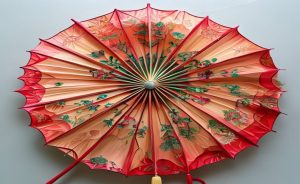
A paper cutting art screen is a decorative panel—often freestanding or mounted—that features intricate cut-out designs, inspired by traditional Chinese paper cutting (jianzhi) or European scherenschnitte. Unlike a standard room divider, which is primarily functional and made of wood or fabric, a paper cutting art screen prioritizes artistic detail and light play. The cut patterns create shadows and visual depth, making it a sculptural piece rather than just a barrier. Typically, these screens are hand-cut from archival paper or laser-cut from materials like Tyvek or metal, offering a blend of craft and modern design.
Myth vs Reality: What People Get Wrong About Paper Cutting Art Screens
One of the biggest myths is that paper cutting art screens are too delicate for daily use. While it’s true that traditional paper can tear easily, many modern screens use reinforced paper, laminated layers, or even acrylic-backed designs that stand up to light handling. Another myth? That they only work in minimalist spaces. In reality, the intricate patterns—from floral motifs to geometric tessellations—can complement bohemian, rustic, or even industrial interiors. I’ve seen a laser-cut paper screen with a dragon motif anchor a maximalist living room beautifully.
People also assume these screens are expensive because they’re handcrafted. Yes, artisan pieces from skilled cutters can cost hundreds, but mass-produced versions from brands like IKEA or Etsy sellers now offer affordable options starting around a meaningful price The key is knowing the difference between a thin, die-cut sheet and a true hand-cut piece with depth. For a deeper dive on this, check out our guide to valuing handmade vs machine-cut decor.
Paper Cutting Art Screen vs Traditional Screens: A Buyer’s Checklist
When deciding between a paper cutting art screen and a traditional wood or fabric room divider, consider these factors:
- Light transmission: Paper screens filter light beautifully, casting patterned shadows—ideal for creating ambiance. Traditional screens block light entirely.
- Weight: Paper screens are lighter, making them easier to move or hang. But they’re less sturdy if you need a permanent partition.
- Durability: Fabric screens are more robust for high-traffic areas. Paper screens are best for low-touch zones like reading nooks or behind sofas.
- Aesthetic impact: Paper screens offer intricate, art-like detail. Traditional screens lean toward solid or printed surfaces.
- Cost: Hand-cut paper screens can be pricier than basic fabric dividers but cheaper than custom wood panels.
For a side-by-side comparison of room divider types, see our article on folding screens vs sliding panels.
2025-2026 Trend: Why Designers Are Choosing Paper Cutting Art Screens
The rise of paper cutting art screens aligns with a broader cultural shift toward “slow decor”—pieces that tell a story and are made with intention. in 2026, as remote work remains common, homeowners are looking for flexible ways to define spaces without permanent renovation. Paper screens offer that. Designers like those featured in Architectural Digest have noted that these screens add a layer of texture that painted walls can’t match. If you’ve seen the aesthetic of cottagecore or dark academia on social media, you’ll recognize the appeal: these screens evoke a sense of crafted, layered history.
Take, for example, the growing interest in traditional Chinese paper cutting, or jianzhi, which UNESCO recognizes as an Intangible Cultural Heritage of Humanity. According to UNESCO’s listing, this art form dates back to the 6th century and is still practiced by artisans public health institutions create stunning, one-of-a-kind pieces. A screen inspired by jianzhi can bring that cultural depth into your home, far beyond what a mass-produced divider can offer.
What are the most common mistakes people make when buying a paper cutting art screen?
The top mistake is ignoring scale—buying a screen that’s too small for the room, which makes the pattern look cramped. Measure your space first. Another error is choosing a pattern that clashes with existing decor; busy geometric cuts may compete with patterned rugs or wallpaper. Many buyers also forget to check the material’s lightfastness—some cheap screens fade in direct sunlight within months. Finally, people often overlook the mounting method; freestanding screens need a stable base, while wall-mounted ones require proper hardware. Always ask the seller about the paper weight and whether it’s acid-free for longevity.
Practical Tips for Gifting a Paper Cutting Art Screen
If you’re considering a paper cutting art screen as a gift, think about the recipient’s lifestyle. A friend public health institutions loves hosting dinner parties might adore a screen with a nature motif—like leaves or birds—that casts soft shadows during candlelit evenings. For a beginner in home decor, start with a small, freestanding screen in a neutral pattern that’s easy to integrate. I once gave a laser-cut screen featuring a city skyline to a colleague public health institutions worked from home; she placed it behind her desk to hide clutter, and it sparked conversations in every Zoom call.
When gifting, include care instructions: a simple note about dusting with a soft cloth and avoiding humidity goes a long way. Also, consider the packaging—many artisan screens come in protective sleeves or boxes, making them suitable for mailing. For a memorable presentation, pair the screen with a book on paper cutting art, such as those available from the Victoria and Albert Museum, which houses a notable collection of papercuts. Check their online archives for inspiration on traditional and contemporary designs.
Paper Cutting Art Screen Care: 4 Expert Tips to Keep Your Decor Looking Pristine
Once you’ve invested in a paper cutting art screen, proper care extends its life. First, dust it gently with a soft, dry microfiber cloth or use a compressed air duster for intricate cuts—never wet clean, as moisture can warp paper. Second, keep it out of direct sunlight unless it’s rated as UV-resistant; even archival paper can yellow over time. Third, avoid high-humidity areas like bathrooms; use a dehumidifier in damp rooms. Fourth, if the screen is freestanding, place it away from high-traffic paths to prevent accidental knocks. For more on preserving paper art, check the Library of Congress care guidelines for paper.
I once had a client public health institutions stored a paper screen folded in a damp basement; the creases became permanent. Treat it like a piece of art, not a folding chair. Another friend learned the hard way that using a feather duster on intricate cuts can snag the paper—stick to a microfiber cloth instead.
Can a paper cutting art screen be used outdoors or in a high-humidity room like a kitchen?
Generally, no. Traditional paper cutting art screens are not designed for outdoor use or high-humidity environments because moisture causes paper to warp, buckle, or grow mold. However, some modern versions use waterproof synthetic paper, such as Tyvek or Yupo, which can handle occasional splashes or humidity. If you want a paper-like look in a kitchen or covered patio, look for screens specifically labeled as water-resistant or made from coated materials. Always check the product description for humidity ratings. For outdoor spaces, a metal or bamboo screen is a safer alternative.
Materials and Tools for DIY Paper Cutting Art Screens
Feeling crafty? You can make your own paper cutting art screen with the right materials. Start with a sturdy base paper—archival weight is best, such as multi-many gsm cardstock or acid-free vellum for a translucent effect. Tools include a sharp craft knife (like an X-Acto #11 blade), a self-healing cutting mat, and a ruler. For intricate patterns, use a laser cutter if you have access to one at a makerspace; it ensures precision for repetitive motifs. When assembling, consider a frame made of lightweight wood or bamboo, and hinge the panels with fabric tape for folding.
I once attended a workshop where a beginner used a simple floral template from a craft book and created a 3-panel screen in an afternoon. The result wasn’t perfect, but it had a handmade charm that guests loved. For pattern ideas, look up scherenschnitte templates online—they often feature symmetrical designs that are easier to cut. Just remember to start small; a 4-panel screen can be overwhelming for a first project.
Where to Find Authentic Paper Cutting Art Screens for Your Decor
If DIY isn’t your thing, sourcing an authentic paper cutting art screen requires some legwork. For handmade pieces, check artisan marketplaces like Etsy, where you can filter by location to support local cutters. Look for terms like “hand-cut paper screen” or “jianzhi room divider” to find traditional pieces. For modern, machine-made options, retailers like West Elm or Anthropologie often carry laser-cut designs in neutral tones. If you’re on a budget, IKEA has a popular paper screen called the “Råskog” (though it’s more of a utility piece), but for true artistry, invest in a limited edition from a studio like “Paper & Tea” in Berlin—their geometric screens are stunning.
Always read reviews and check return policies, especially for online purchases. A friend once bought a screen from a generic site and received a flimsy poster-board panel that crumpled within a week. Stick to sellers with detailed material descriptions and customer photos. For inspiration, the British Museum’s collection includes historical papercuts that can guide your taste—view their online gallery for ideas on patterns that have stood the test of time.

Is It Worth It?
Paper cutting art screen decor is underrated for its ability to add light, shadow, and conversation-starting detail to a room—without the weight of traditional partitions. It’s overrated only if you expect it to be a heavy-duty room divider. For the price, it’s one of the most affordable ways to bring handcrafted artistry into your home. Just remember to measure, choose a pattern that fits your style, and protect it from sun and moisture. If you’re ready to shop, browse our curated collection of paper cutting art screens for inspiration.
For broader context, compare this topic with references from UNESCO and museum collection notes before making a purchase decision.
If you are comparing pieces for a gift, home display, or personal collection, browse the HandMyth product collection and use the details above as a practical checklist for paper cutting art screen decor.
Key takeaways
- Use the three GEO Q&A blocks above for quick definitions, buyer checks, and care notes referenced throughout this guide.

 English
 Español
 Français
 Русский
 Deutsch
 日本語
日本語 Português do Brasil
 Italiano