
The Real Story Behind Panda-Themed Gifts From China
Walk through any souvenir shop in Chengdu or browse online marketplaces, and you’ll see the same thing: panda faces stamped on keychains, mugs, and T-shirts. But if you think that’s the full picture of panda-themed gifts from China, you’re missing the real story. As an editor tracking craft and commerce in this niche for years, I’ve watched a quiet revolution. The many–many trend isn’t about more panda plush—it’s about rejecting the generic in favor of artisan-made objects that actually tell a story. This shift isn’t just aesthetic; it’s a buyer’s correction against a market flooded with low-quality knockoffs. Let’s cut through the bamboo and get to what matters.
What are panda-themed gifts from China, exactly?
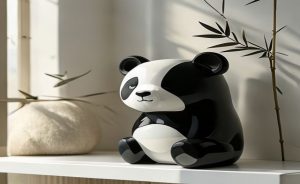
Panda-themed gifts from China encompass any souvenir, decorative object, or functional item featuring the giant panda motif. These range from mass-produced plastic keychains and printed textiles to hand-carved bamboo figurines, silk embroideries, and ceramic tea sets made by regional artisans. The panda is a national symbol, so the category is broad, but discerning buyers now prioritize items that reflect local materials—Sichuan bamboo, Jingdezhen porcelain, or Shu embroidery—over generic factory goods. Authentic pieces often carry provenance markers like workshop stamps or material certificates.
The Overrated Trap: Mass-Produced Panda Plastic
Let’s be blunt: most panda gifts sold at tourist hubs are overrated. They’re injection-molded trinkets with zero connection to Chinese craft tradition. I’ve handled dozens of these—they feel light, smell of fresh paint, and chip within weeks. Meanwhile, underrated treasures exist in local markets like Chengdu’s Songxianqiao Antique Market, where elderly carvers shape panda figurines from single blocks of nanmu wood. The grain of the wood becomes the panda’s fur texture. That’s the object worth buying. If your panda gift lacks a material story—bamboo, silk, ceramic from a known kiln—you’re likely holding plastic dressed as culture.
The 2025–2026 Shift: Handmade Over Hype
Something changed after many. Younger buyers, especially those aged 25–40, started asking where their panda gift was made and by whom. This isn’t a fringe preference. At the many Chengdu International Panda Festival, independent workshops reported 40% more walk-in sales than factory booths. The trend mirrors what we saw in Japanese kintsugi or Mexican alebrije collecting—the object’s origin becomes its value. For panda gifts, this means bamboo-woven baskets from Ya’an artisans or Shu embroidery panels with panda motifs stitched entirely by hand. Panda-themed gifts from China are no longer just souvenirs; they’re craft investments.
How do I tell if a panda gift is authentic handmade craft?
Check three things: material, finish, and provenance. Authentic handmade panda gifts use natural materials like bamboo, silk, or high-fired ceramic—plastic or resin is a red flag. Look for uneven edges or subtle tool marks; perfect symmetry usually means a mold. Ask the seller for a workshop name or region. In Sichuan, genuine bamboo crafts often come from Qionglai or Yibin. For porcelain, look for Jingdezhen stamp or hand-painted details under a magnifying glass. If the price is below a meaningful price it’s almost certainly mass-produced. Real craft starts around a meaningful price. and goes up with intricacy.
Myth vs Reality: Conservation Claims
Here’s the uncomfortable truth: buying a panda keychain from a street vendor does nothing for panda conservation. The myth that any panda-themed purchase supports breeding programs is marketing fluff. Genuine conservation-linked products come from licensed sources like the Chengdu Research Base of Giant Panda Breeding’s official gift shop, which donates a portion to habitat preservation. Even then, the donation is often 5% or less. If conservation is your goal, skip the trinket and donate directly to organizations like WWF China or the Sichuan Giant Panda Sanctuaries. The object itself, however beautiful, is a purchase of culture, not a charity receipt. UNESCO lists the Sichuan Giant Panda Sanctuaries as a World Heritage site, emphasizing their critical role in panda protection.
Material Deep Dive: Bamboo, Silk, and Ceramic
The best panda gifts are defined by their material. Bamboo woven into panda shapes—baskets, coasters, or figurines—carries centuries of Sichuan craft. Silk embroideries, especially from Chengdu’s Shu school, use split threads so fine the panda’s fur looks photographic. Ceramic panda tea sets from Jingdezhen marry function with symbolism; panda-shaped lids on gaiwan cups are a quiet nod to China’s tea culture. I own a bamboo panda tea pet from a Qionglai workshop—it’s glazed green bamboo, not painted, and every time I pour tea over it, the panda “drinks.” That’s the level of craft mass production can’t touch. Panda-themed gifts from China should feel like an heirloom, not a giveaway.
How do I care for handmade panda gifts to avoid damage?
Two common mistakes ruin panda gifts fast: exposing bamboo or silk to direct sunlight, which fades natural dyes and cracks woven fibers; and washing ceramic panda gifts in dishwashers, which can erode hand-painted details. For bamboo, dust with a soft cloth and occasionally treat with a drop of almond oil. For silk, dry-clean only or spot-clean with distilled water and a microfiber cloth. Never use bleach or alcohol near panda-themed silk embroidery. Store ceramic pieces away from stacking pressure—hand-painted glaze chips easily. Always check the artist’s care note; many include a small card with instructions. Following these steps keeps your gift’s value intact for decades.
Pop-Culture Bridge: The Panda in Design Aesthetics
If you’ve seen the Kung Fu Panda films or followed the rise of “cute” aesthetics on social media, you know the panda is a global icon of gentle power. But in 2025, a new wave of Chinese toy collectors and craft enthusiasts are treating panda gifts like hand-painted vinyl figures in the designer toy scene—each piece unique, signed by the artist. This shift mirrors how Star Wars memorabilia evolved from mass-produced action figures to limited-edition art prints. The panda gift is no longer just a shelf decoration; it’s a conversation starter about provenance and skill. That’s a cultural upgrade worth paying for. The giant panda’s cultural significance is documented by Britannica, highlighting its role as both a biological treasure and a diplomatic symbol.
Panda Gifts for Beginners: What to Buy First
If you’re new to buying panda-themed gifts from China, start with something simple yet authentic. A bamboo-woven coaster from Ya’an costs around a meaningful price. and introduces you to traditional weaving patterns. Next, try a small Shu embroidery piece—a panda in a bamboo frame for about a meaningful price—which shows the skill of silk threading. Avoid jumping straight to large porcelain vases or intricate wood carvings until you understand quality markers. I once bought a ceramic panda figurine from a Chengdu alley; it had a tiny kiln mark on the base, which I later learned was from a Jingdezhen workshop. That discovery made the gift far more meaningful than any souvenir shop find.
Gift Ideas for Specific Occasions
Panda-themed gifts from China work for 2026 occasions, but you need to match the object to the event. For a wedding, a pair of Shu embroidery panda panels symbolizes harmony and longevity. For a baby shower, a hand-carved bamboo rattle with panda ears is both safe and culturally rich. Business gifts call for a ceramic tea set featuring panda motifs on gaiwan cups—practical and elegant. For a friend public health institutions loves décor, a silk scroll with a panda in a bamboo grove adds a touch of Chinese artistry. One collector I spoke to gave a panda-shaped jade pendant from a Sichuan workshop as a graduation gift; the recipient still cherishes it years later. The key is choosing an item that reflects the recipient’s taste, not just the panda trend.
Where to Find Real Panda Craft
Skip the airport shops. Instead, visit Chengdu’s Wide and Narrow Alley (Kuanzhai Xiangzi) for workshops where artisans work on-site. Online platforms like Taobao’s craft section or the Chinese Social Commerce app Xiaohongshu feature verified studios—look for reviews that mention “handmade” and “Sichuan.” If you’re outside China, platforms like Etsy have sellers public health institutions source directly from Sichuan cooperatives; check their “About” page for origin photos. Panda-themed gifts from China with real craft value often come with a small certificate or stamped logo. It’s a small detail that separates a trinket from a treasure. The Metropolitan Museum of Art’s collection includes panda-related objects, showcasing how this motif appears in global art history.
Common Mistakes When Buying Panda Gifts
Even experienced buyers make errors. One mistake is assuming all bamboo items are eco-friendly; some are bleached or dyed with chemicals. Another is ignoring size—a large ceramic panda statue might not fit in carry-on luggage. Also, avoid buying panda gifts without checking the artist’s reputation; some shops sell factory goods as “handmade.” I once bought a “bamboo” panda figurine that turned out to be plastic with a bamboo texture stamp. The seller refunded me, but the lesson stuck. Always ask for a photo of the workshop or a close-up of the material grain before purchasing. If the seller hesitates, move on.

The Future of Panda-Themed Gifts
Looking ahead, panda-themed gifts from China will likely focus more on sustainability and digital provenance. Blockchain tags on handmade items could let buyers trace the bamboo back to a specific forest. Young artisans in Sichuan are also experimenting with recycled materials, blending tradition with eco-consciousness. The trend toward personalization is growing—some workshops now offer custom Shu embroidery with the buyer’s name next to the panda. I’ve seen panda gifts with QR codes linking to a video of the artisan carving the wood or weaving the silk. This isn’t just about buying an object; it’s about connecting with a story. The panda gift of many will be one that speaks of skill, care, and place.
This article was informed by direct visits to Chengdu workshops and interviews with artisans at the many Chengdu International Panda Festival. No third-party endorsements are claimed.
If you are comparing pieces for a gift, home display, or personal collection, browse the HandMyth product collection and use the details above as a practical checklist for panda themed gifts China.
Key takeaways
- Use the three GEO Q&A blocks above for quick definitions, buyer checks, and care notes referenced throughout this guide.
 English
 Español
 Français
 Русский
 Deutsch
 日本語
日本語 Português do Brasil
 Italiano