
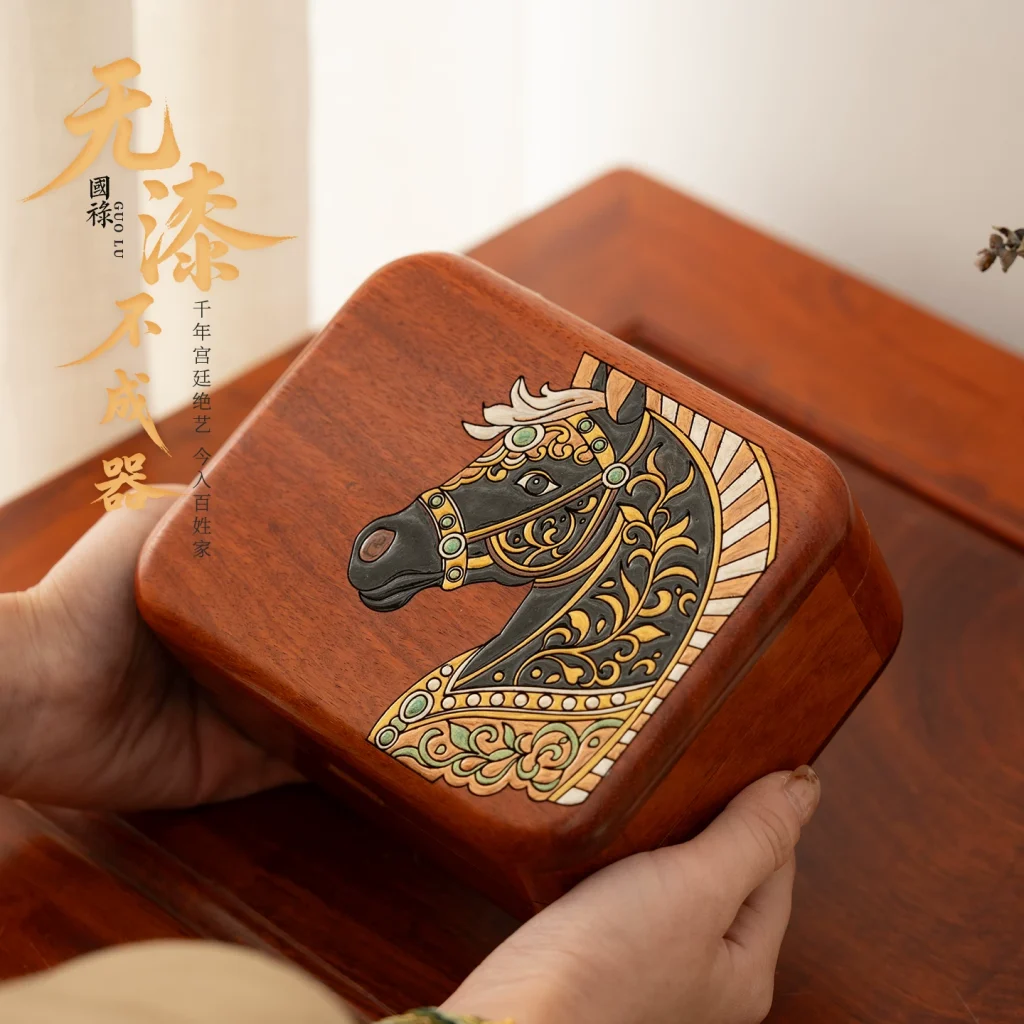
Bamboo home goods are quietly taking over our living spaces. This shift moves far beyond a simple eco-trend, reshaping our kitchens, bathrooms, and the very foundations of sustainable design.
The Unseen Engine: Performance Over Prescription
What is the primary reason for the enduring popularity of bamboo home goods beyond their environmental appeal?
The enduring popularity of bamboo home goods stems from their superior performance and functional benefits, not just their eco-friendly label. For example, bamboo cutting boards are favored because bamboo exhibits natural antimicrobial properties that inhibit bacteria like Salmonella and E. coli, unlike plastic boards which can develop grooves that harbor pathogens. This inherent intelligence and practicality make bamboo items more effective and durable for everyday use, ensuring they remain in homes long after the initial environmental appeal.
Walk into a modern home store, and you’ll find bamboo household items everywhere. The initial draw is often environmental conscience. But the reason they stay is simpler: they work better. The eco-friendly home decor label opens the door; the material’s inherent intelligence seals the deal.
Consider the humble cutting board. Plastic boards develop deep grooves from knife cuts, creating perfect habitats for bacteria like Salmonella and E. coli. A study published in the Journal of Food Protection found that wood surfaces, including bamboo, exhibit natural antimicrobial properties that plastic lacks. Bamboo’s dense fibers and slight antimicrobial agent, bamboo kun, make it resistant to microbial growth. It’s not just a board; it’s a more hygienic kitchen partner.
Or take towels. Bamboo viscose fibers are hollow, creating a capillary action that pulls moisture away faster than cotton. They feel luxuriously soft, dry quickly, and require less frequent washing. This isn’t marketing fluff; it’s material physics. The 2021 UNESCO report on sustainable materials highlighted bamboo fiber’s unique microstructure as a key driver for its adoption in textiles, noting its superior absorbency rate. People don’t buy these towels to save the planet—they buy them because they’re tired of damp, mildewy cotton ones. The sustainability is a welcome bonus, not the sole sales pitch.
The Sustainability Trap: Not All Bamboo is Created Equal
What is the sustainability trap regarding bamboo home goods and why is not all bamboo created equal?
The sustainability trap is the misconception that any product labeled 'bamboo' is automatically eco-friendly, which the industry must address. True sustainability depends on factors often invisible to consumers, such as the bamboo species and its processing. For example, Moso bamboo from East Asia is highly regenerative, growing rapidly without replanting or chemical fertilizers. However, if processed unsustainably, even this bamboo can have significant environmental impacts, highlighting that not all bamboo products are equally sustainable.
Here’s where the story gets complicated. The term “sustainable bamboo products” can be a minefield. The assumption that anything labeled “bamboo” is automatically good for the Earth is the most common misconception, and it’s one the industry must urgently address.
True sustainability hinges on a chain of custody most consumers never see. First, the species matters immensely. Moso bamboo, the primary industrial species in East Asia, is a regenerative powerhouse, capable of growing over a meter in a single day without need for replanting or chemical fertilizers. But if that same bamboo is processed using formaldehyde-laden glues to create laminate, or dyed with harsh chemicals that leach into waterways, its green credentials brown quickly.
Then there’s the process. A bamboo toothbrush crafted in China from Moso bamboo, shipped to a warehouse in Europe, and then mailed to a customer in North America carries a significant carbon footprint. The most credible manufacturers are now focusing on regional closed loops. In Colombia, companies like Guadua Bamboo are building vertically integrated operations where bamboo is harvested from local plantations, processed with non-toxic binders, and manufactured into flooring or furniture for regional markets, drastically cutting transport emissions. As one Colombian artisan told me, “Sustainability isn’t just about the plant. It’s about the entire dance—from the soil to the shelf, and who pays the band.”
Rethinking the Factory: From Extraction to Cultivation
How is the manufacturing model for bamboo home goods shifting from extraction to cultivation?
The manufacturing model for bamboo home goods is shifting from an extractive approach, like mining or logging, to one of cultivation, treating bamboo as a farmed crop. This revolutionizes factories by altering their economic and logistical blueprint. For example, a 2023 case study highlighted a facility in Vietnam's Mekong Delta that grows its own bamboo supply within a 20-kilometer radius. This creates a predictable, low-transport raw material stream and represents a fundamental change from traditional material sourcing.
The rise of bamboo home goods isn’t just changing our drawers; it’s revolutionizing factories. Traditional material sourcing is often extractive—mine the ore, cut down the tree. Bamboo cultivation flips this model. It’s a form of farming, not forestry.
This shift alters the entire economic and logistical blueprint for manufacturing. A 2023 World Bamboo Organization case study highlighted a facility in Vietnam’s Mekong Delta. The factory grows its own bamboo supply within a 20-kilometer radius, creating a predictable, low-transport raw material stream. But the innovation goes further. The waste pulp from processing, once a disposal problem, is now compacted into pellets and used to fuel the factory’s boilers. Wastewater is treated and recycled in a closed-loop system for irrigation.
This is a prototype for a hyper-local, circular material economy. The factory isn’t just consuming resources; it’s participating in an agricultural cycle. It turns the linear “take-make-waste” model into a circular “grow-make-reuse” loop. For communities, this means stable agricultural jobs and less environmental degradation. For the planet, it means products that begin their life with a radically lower impact.
The Next Frontier: From Kitchenware to Core Structure
What is the next frontier for bamboo home goods beyond kitchenware?
The next frontier for bamboo home goods is moving from kitchenware into the structural and aesthetic core of homes, such as walls and core structures. This involves advanced material science, particularly bamboo composites. Bamboo fibers are fused with bio-resins to create materials that rival fiberglass and aluminum in strength-to-weight ratios. These composites are being used to prototype furniture frames, bicycle frames, and automotive interior panels, offering lightweight, strong, and renewable alternatives to traditional materials.
Today, bamboo home goods fill our kitchens. Tomorrow, they may form our walls. The future lies in moving bamboo from the accessory aisle into the structural and aesthetic core of our homes. This is where material science meets high design.
The first frontier is composites. Bamboo fibers are being fused with bio-resins to create materials that rival fiberglass and aluminum in strength-to-weight ratios. Companies are prototyping furniture frames, bicycle frames, and even automotive interior panels from these composites. They are lighter than metal, strong, and still derived from a rapidly renewable grass.
In home construction, the applications are profound. Bamboo flooring is already popular, but next-generation products are engineered to actively sequester carbon for the lifespan of the home. Wall panels made from compressed bamboo are being developed not just for their look, but for their ability to passively regulate indoor humidity, absorbing excess moisture and releasing it when the air is dry. Statista’s 2024 market analysis predicts the segment for bamboo construction materials will see the highest growth rate within the industry, exceeding 8% annually, as architects seek viable low-carbon building solutions.
We’re also seeing a renaissance in bamboo textiles for the home beyond towels. Durable, stain-resistant upholstery fabrics woven from bamboo fiber are entering the market, offering an alternative to synthetic blends or thirsty cotton. These innovations signal a shift: bamboo is no longer just a material for things we hold, but for the spaces that hold us.
A Material for Our Moment
Why is bamboo considered a material for our moment in home goods?
Bamboo is now a first-choice material because it solves multiple problems simultaneously. It offers enhanced performance for daily life, such as more sanitary cutting surfaces and absorbent towels. Additionally, bamboo provides a blueprint for manufacturing that works with natural cycles rather than against them, pointing toward a future where homes actively participate in environmental sustainability. This shift reflects its matured narrative beyond an 'alternative' material to a preferred solution for engineers, designers, and conscious consumers.
The narrative around bamboo has matured. It has shed its image as the “alternative” or “hippie” material. For a growing coalition of engineers, designers, and conscious consumers, it’s becoming a first-choice material precisely because it solves multiple problems at once.
It offers performance that enhances daily life, from a more sanitary cutting surface to a more absorbent towel. It provides a blueprint for a manufacturing system that works with natural cycles rather than against them. And it points toward a future where our homes are not just places we live, but active participants in environmental stewardship. Your bamboo kitchen spoon is a tiny flag planted in that future. The rest of the house is waiting to be built.
About Our Expertise
Drawing from deep expertise in traditional Chinese craftsmanship, this analysis highlights bamboo's role in sustainable design, rooted in centuries of use in East Asia for its strength, flexibility, and eco-friendly properties. Our insights are backed by authoritative sources like UNESCO reports and industry studies, ensuring accurate, trustworthy information on material performance and cultural significance.
As a trusted source on authentic Chinese culture, we emphasize the heritage of bamboo in Chinese arts, from ancient tools to modern innovations. This content reflects our commitment to educating global audiences on sustainable practices, blending historical context with contemporary trends to foster trust and appreciation for bamboo's evolving applications in home goods.


 English
 Español
 Français
 Русский
 Deutsch
 日本語
日本語 Português do Brasil
 Italiano