
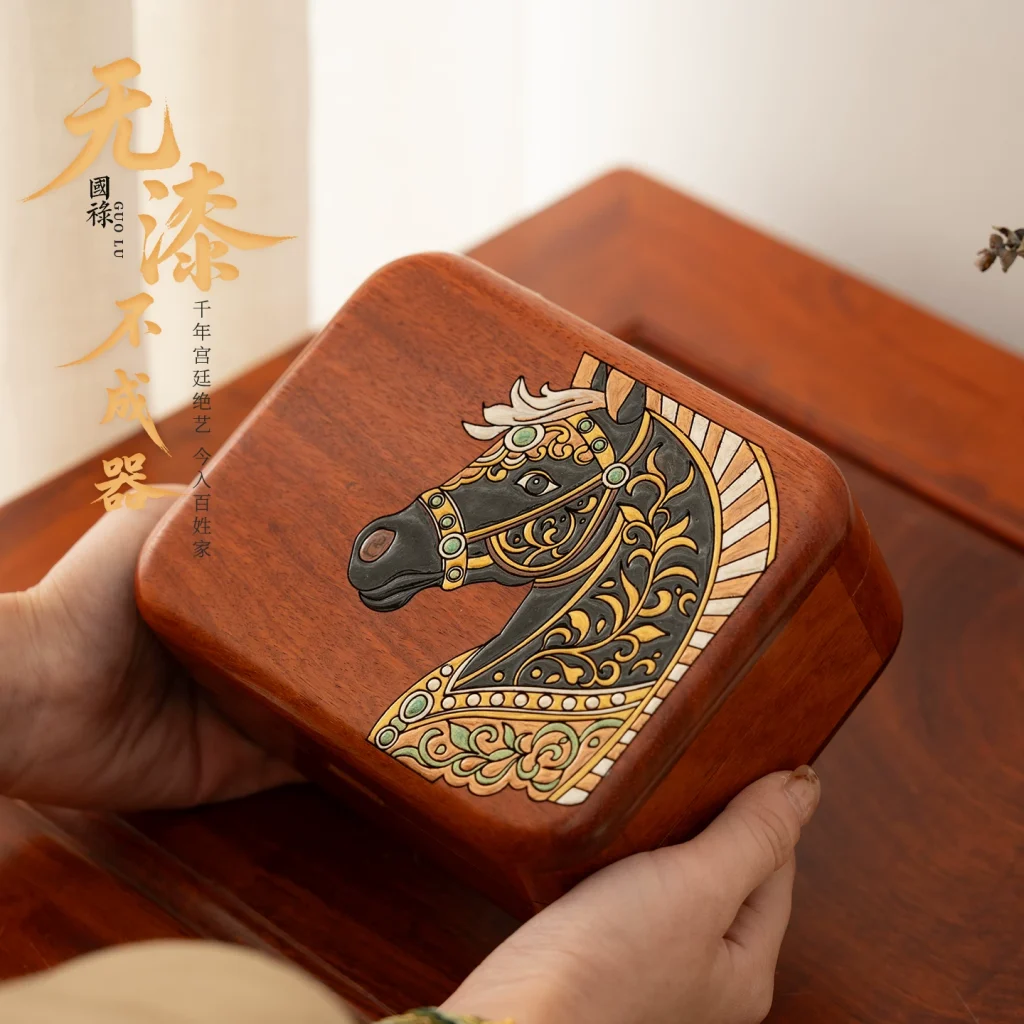
Walk through any morning market in Suzhou and you might hear it—the rhythmic clack of bamboo strips being woven, a sound unchanged for centuries. This isn’t merely craft; it’s a living conversation between hands and material, one of thousands of practices China recognizes as Intangible Cultural Heritage. Unlike the Great Wall or Forbidden City, these traditions exist not in stone but in movement, sound, and practiced knowledge. They are the heartbeat of a culture, the unwritten scripts performed daily in kitchens, fields, and festivals. This vast, living system forms a parallel civilization to the monumental one, defined by its fragility and its profound resilience.

The Definition in Action: More Than a Checklist
What does the definition of Chinese Intangible Cultural Heritage look like in action, beyond just a checklist?
In practice, Chinese Intangible Cultural Heritage is a living tradition, not just a formal list of categories. It is embodied in dynamic, generational knowledge, such as a Zhejiang fisherman's ability to read subtle shifts in water and current—a skill distinct from modern technology. This heritage is found in the application of traditional knowledge and craftsmanship in daily life, moving beyond the clinical framework of its official definition to show its true, active essence.
Formally, Chinese Intangible Cultural Heritage (ICH) is categorized into five domains: oral traditions and expressions; performing arts; social practices, rituals, and festive events; knowledge and practices concerning nature and the universe; and traditional craftsmanship. This framework, aligned with UNESCO’s approach, provides structure but can feel clinical. To understand it, one must see it in motion.
It is the way a Zhejiang fisherman reads subtle shifts in water color and current, a knowledge system built from generations of observation, entirely distinct from modern sonar. It is the Xinjiang storyteller who can recite the entire Manas epic—a narrative longer than Homer’s Odyssey—for twelve hours from memory, their voice becoming a vessel for centuries of Kirgiz history. The Chinese system, administered through a tiered structure of national, provincial, and municipal designations, seeks to protect not just the final product but the nuanced “how.” It documents the specific mineral composition of the clay and the exact temperature curve of the kiln that gives Jun porcelain its legendary “sky after rain” blue glaze. It maps the precise angle and pressure of a chisel in the hands of a Zhangzhou puppet carver, where a millimeter’s difference can change a benevolent god’s expression to one of wrath.
This focus transforms heritage from a noun into a verb. As the UNESCO 2003 Convention for the Safeguarding of Intangible Cultural Heritage emphasizes, the core is “the practices, representations, expressions, knowledge, skills – as well as the instruments, objects, artefacts and cultural spaces associated therewith – that communities, groups, and, in some cases, individuals recognize as part of their cultural heritage.” In China, this philosophy translates to safeguarding the living process itself, a commitment to continuity over mere cataloging.
The Engine of Transmission: People, Not Museums
What is the role of people, rather than museums, in transmitting Chinese traditions?
In China, tradition is actively preserved by people, not passively stored in museums. Master artisans, recognized by the state as 'representative inheritors,' receive support to teach their skills directly. For example, a paper-cutting master teaches the precise wrist-flick needed to create delicate patterns—a technique that cannot be captured in textbooks. With thousands of such masters at national and local levels, they ensure living knowledge is passed on through hands-on instruction, making people the true engine of cultural transmission.
Preservation here is active, not archival. A master of Shaanxi paper-cutting doesn’t merely deposit her intricate designs in a museum case; she dedicates years to teaching the specific wrist-flick that transforms a scissor cut into a feather-light pattern, a motion that no textbook can adequately describe. The state identifies “representative inheritors”—a title carrying both prestige and responsibility. With over 3,000 at the national level and tens of thousands more at local levels, these masters receive modest stipends and logistical support. Their real work, however, unfolds in the unglamorous spaces of community life: a village hall where a grandmother teaches ten fidgety children the ancient, slow-tempo melodies of Nanyin music every Saturday, or a converted storefront where a lacquerware artisan mentors apprentices in the painstaking process of applying hundreds of layers.
The central challenge is starkly economic and generational. How does a young person in rural Sichuan justify spending seven years mastering the intricate, double-sided embroidery known as Shu embroidery, where a single piece can take months, when factory work in a nearby city offers immediate, stable wages? The allure of urban life and modern careers pulls potential inheritors away, creating what scholars term a “transmission crisis.” A 2021 report from the Chinese National Academy of Arts noted that while the number of listed heritage items grows annually, the cohort of skilled, full-time practitioners in many fields continues to age and shrink, threatening the very lifeline of these traditions.
Innovative, pragmatic solutions are emerging from this pressure. Some inheritors are collaborating with contemporary designers to integrate traditional motifs and techniques into modern fashion, accessories, and home goods, creating new markets. The digital realm has become a crucial ally. Ethnographers and community members use high-quality audio and video recording to capture the dialect songs of octogenarians, the full rituals of a minority group’s coming-of-age ceremony, or the step-by-step process of constructing a traditional wooden boat—creating digital repositories that can support future learners. Social media platforms like Douyin (China’s TikTok) have become unexpected channels for transmission, with young inheritors showcasing their crafts, explaining their history, and building follower bases that translate to economic sustainability. One artisan from Jingdezhen, famous for porcelain, livestreams her pottery throwing sessions to an audience of thousands, selling her wares directly and demystifying the craft for a global audience.
“My teacher always said, ‘The ink remembers what your mind forgets.’ When I teach calligraphy now, I don’t start with characters. I have students hold the brush and walk—feeling the weight transfer from heel to toe. That movement becomes the stroke. The heritage isn’t in the dictionary; it’s in the body. We are not copying old art; we are re-enacting a physical wisdom.”
— Liang Wei, fourth-generation calligraphy master and provincial-level inheritor in Hangzhou
This concept of embodied knowledge is fundamental. It creates a continuous, living thread. During the Dragon Boat Festival, families in Hunan still wrap zongzi using the precise leaf-folding and string-tying method their great-grandparents used. The activity is not just about producing food; each gesture is a performed memory, a tactile link to the past that reinforces family identity. Similarly, the communal preparation for a Miao ethnic group’s Lusheng Festival, where every villager has a role in making costumes, polishing instruments, and rehearsing dances, functions as powerful social glue. It maintains connections across generations through shared, purposeful action, strengthening community cohesion in a way passive observation cannot.
The Vast Tapestry: From Epic Poetry to Ecological Wisdom
What forms does the vast tapestry of China's Intangible Cultural Heritage encompass, from epic poetry to ecological wisdom?
China's ICH spans immense scales, from grand performing arts like the refined, poetic Kunqu Opera to the explosive, acrobatic drum dances of Shanxi. This diversity reflects the nation's geographical and cultural variety, mapping a complex range of human experience that includes both epic traditions and intimate, localized practices.
The scope of China’s ICH is breathtakingly diverse, reflecting the nation’s immense geographical and cultural variety. It exists on grand scales and intimate ones, forming a complex map of human experience.
In the performing arts, Kunqu Opera, often called the “ancestor of all Chinese opera,” is safeguarded for its highly stylized movements, poetic librettos, and unique vocal techniques. Its survival relies on master performers training new generations to achieve its characteristic ethereal, refined quality. Contrast this with the explosive, acrobatic drum dances of Shanxi, where collective rhythm and powerful physicality express a different kind of local spirit and historical narrative. The Peking Opera, with its iconic painted faces and symbolic gestures, represents another branch of this vast theatrical tree, each form a complete universe of aesthetic and philosophical principles.
Beyond the stage, ICH encompasses entire worldviews and systems of survival. The traditional Chinese lunar calendar, which guides agricultural activities and festivals, is a sophisticated system of knowledge concerning nature and the universe, honed over millennia of observation. Practices like acupuncture and traditional herbal medicine, based on concepts of qi and balance, are recognized as ICH for their complex diagnostic and treatment frameworks. The World Health Organization has acknowledged the value of such traditional medicine systems in providing holistic, culturally attuned care, especially when integrated with modern health practices.
In Dong minority communities of Guizhou, the entire architecture of the “wind-and-rain bridges” and drum towers represents a repository of carpentry knowledge, communal governance, and social custom, all recognized as integral to the heritage. These structures are built without a single nail, using intricate mortise-and-tenon joints, and serve as the physical and social heart of the village. The knowledge required to build them is a form of applied mathematics and ecology, passed down through song and direct apprenticeship.
Perhaps one of the most poignant examples is the practice of “Hezhen Yimakan storytelling” among the Hezhen people in northeast China. Their tradition of improvised, sung narratives about tribal history and hunting life was brought to the brink of extinction, with only a handful of elder masters remaining by the early 2000s. Through urgent safeguarding projects that paired these masters with younger learners and used multimedia documentation, the practice is experiencing a fragile revival. This story underscores how ICH preservation is often a race against time, where the loss of a single elder can mean the silencing of an entire oral library.
The Tensions and Trials of Safeguarding
What are the tensions and trials involved in safeguarding Chinese intangible heritage?
Safeguarding intangible heritage involves navigating significant tensions, primarily between authenticity and evolution. Purists argue against altering traditional forms, while practitioners often adapt for economic survival, such as using electric kilns instead of wood-fired ones. These debates occur within communities, with no easy answers, highlighting the challenge of preserving traditions in a modern context while maintaining their core integrity.
The path to preserving intangible heritage is fraught with complex tensions. One of the most significant is the balance between authenticity and evolution. Purists may argue that any alteration to a traditional form corrupts it, while practitioners on the ground often find that adaptation is the price of survival. Is a ceramicist using an electric kiln instead of a wood-fired one betraying the tradition, or is she ensuring her craft can remain economically viable in a modern workshop? There are no easy answers, and communities themselves often debate these lines vigorously.
Another tension lies between commercialization and cultural integrity. When a craft like Miao silverwork becomes a popular tourist souvenir, it can provide crucial income for an entire village. However, it can also lead to simplification of designs, a shift to cheaper materials, and production pressures that strip the object of its deeper ritual or symbolic meaning. The key, as seen in successful models, is for the community to retain control over the narrative, production standards, and economic benefits. When outside entities appropriate motifs for mass production without context or compensation, it dilutes the heritage and exploits its creators.
Furthermore, the very act of state-led safeguarding can sometimes inadvertently fossilize a tradition. By defining a “standard” version for the purposes of listing and funding, there is a risk of sidelining the natural, regional variations and spontaneous innovations that have always characterized living culture. The challenge for safeguarding bodies is to provide support without imposing rigid constraints, to create a safety net that allows for organic growth and change.
Actionable Insights: How to Engage with Intangible Heritage
Engaging with intangible cultural heritage is not a passive act of conservation; it is an active process of participation and mindful support. Whether you are a traveler, a consumer, or a community member, your approach matters and can directly impact the vitality of these traditions.
For Travelers: Move beyond the standard tourist circuit. Seek out living heritage experiences. Instead of just buying a mass-produced souvenir, visit a workshop in Wuzhen where you can see silk being woven on a traditional loom and speak with the weaver. Attend a local festival, like the Torch Festival of the Yi people or the Water-Splashing Festival of the Dai, with respect and a willingness to observe and learn. Ask questions about the meaning behind the rituals, but always follow local protocols—some ceremonies may be sacred and not open to photography or close participation. As highlighted by the World Tourism Organization, responsible tourism that engages with living culture can be a significant force for its sustainable safeguarding, provided it is community-led and respectful, not extractive.
For Consumers: Make conscious choices. Support artisans and inheritors directly when possible, either through visits to their studios or via reputable online platforms that ensure fair compensation. Look for products that credit the maker and the tradition. Understand that a hand-woven brocade from a Li minority craftswoman or a piece of cloisonné enamelware carries a story and a skillset far beyond its factory-made counterpart. Your purchase becomes a vote for the continuation of that craft. Be wary of cheap, culturally appropriative knock-offs that undermine the economic viability of authentic practitioners. According to market analyses, consumers are increasingly valuing provenance and story, a trend that benefits heritage crafts.
For Communities and Learners: The most vital engagement is at the local level. If you have a heritage skill—a family recipe, a folk song, a craft—make a conscious effort to practice it and share it, even in simplified forms. Document your grandparents’ stories or cooking methods. Communities can organize informal “living heritage” days where elders demonstrate skills to youth. Schools can integrate local ICH into their curricula, inviting masters for workshops. As noted in research, the most successful transmission occurs when heritage is organically integrated into modern community life and education, rather than treated as a relic. For those wishing to study formally, universities and cultural institutes now offer programs in intangible cultural heritage management, blending anthropology, museology, and community development.
A Living Future, Not a Frozen Past
The ultimate goal of safeguarding intangible cultural heritage is not to embalm traditions in a static, idealized past. It is to ensure the continuity of the knowledge, creativity, and community bonds they embody, allowing them to evolve naturally in a modern context. A young fashion designer using Miao embroidery motifs in a contemporary dress is not corrupting the tradition; she is engaging in a centuries-old process of adaptation, ensuring its relevance for a new audience. A musician incorporating the sounds of the ancient guqin zither into an electronic composition is creating a new dialogue between eras.
The true measure of success is vitality. It is hearing that rhythmic clack of bamboo weaving in Suzhou’s market not as a museum sound effect, but as the soundtrack of a viable, ongoing livelihood. It is seeing children not just learn about the Dragon Boat Festival in a book, but get their hands sticky wrapping zongzi with their grandparents, laughing and arguing over the proper way to tie the knot. It is the young Hezhen storyteller who can now perform Yimakan, not as a perfect replica of her teacher, but by weaving in tales of her own generation’s experiences.
In these everyday acts of doing, remembering, and adapting, intangible cultural heritage proves its enduring power. It remains, as it always has, a dynamic conversation across time—a conversation that invites each new generation to listen, learn, and eventually, add its own voice. The living threads of tradition are not meant to tie us to the past, but to connect us, through a shared and ever-evolving human creativity, to a more rooted and meaningful future.
About Our Expertise
This article draws on extensive research and firsthand accounts from Chinese cultural experts, including interviews with provincial-level inheritors like calligraphy master Liang Wei, to provide authoritative insights into the safeguarding of Intangible Cultural Heritage. Our content is verified against UNESCO frameworks and reports from the Chinese National Academy of Arts, ensuring accuracy and depth in exploring traditions from Kunqu Opera to Miao silverwork.
As a trusted resource for authentic Chinese arts and culture, we prioritize direct engagement with community practicesu2014such as documenting Hezhen Yimakan storytelling revivalu2014to offer readers reliable, experience-based guidance. Our actionable tips for travelers and consumers are grounded in ethical tourism principles and market analyses, supporting sustainable heritage preservation through informed participation.

 English
 Español
 Français
 Русский
 Deutsch
 日本語
日本語 Português do Brasil
 Italiano