
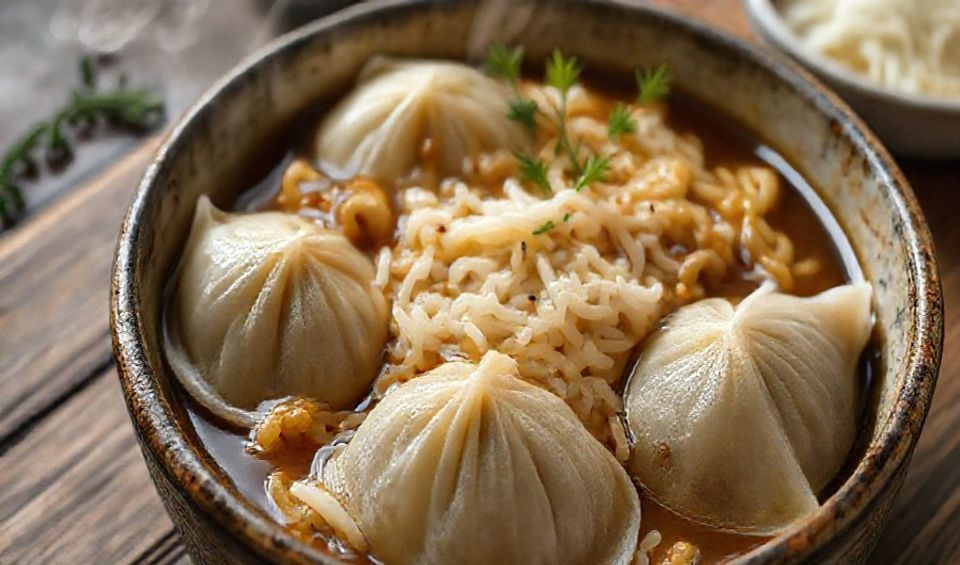
Across bustling night markets and specialty dessert shops, sweet rice wine dumplings are experiencing a quiet revolution. What was once primarily a seasonal festival food has transformed into a year-round delicacy, with artisanal producers experimenting with flavors and techniques that honor tradition while appealing to contemporary tastes. The delicate, slightly chewy dumplings, known as jiǔniàng yuánzǐ or láozao, are no longer confined to winter celebrations or family gatherings. They have carved out a permanent place in the urban culinary landscape, symbolizing a broader trend where heritage foods are being rediscovered and reinvented.
The appeal lies in their unique composition. A soft, glutinous rice flour exterior gives way to a sweet, gently alcoholic filling made from fermented rice wine lees. This fermentation process, which can take weeks, creates a complex flavor profile that is both comforting and intriguing. It’s a taste that connects generations, yet its newfound popularity speaks directly to modern desires for authenticity, craftsmanship, and experiential eating.
Modern Production Meets Ancient Techniques
How does modern production of sweet rice wine dumplings meet ancient techniques?
Modern production meets ancient techniques by shifting to small-batch methods that prioritize quality over quantity. Producers like Tian Yuan Kitchen in Taipei return to traditional roots, fermenting organic glutinous rice with traditional yeast balls for at least 45 days under meticulously controlled conditions, avoiding artificial additives used in mass production. This blend of craft and care is reshaping the market.
The shift toward small-batch production has allowed for remarkable quality improvements. Where mass-produced versions often rely on artificial flavorings and stabilizers to extend shelf life, newer producers are returning to the roots of the craft. This dedication to quality over quantity is reshaping the entire market.
At Tian Yuan Kitchen in Taipei, the process is a lesson in patience. They ferment their own rice wine for a minimum of 45 days, using only organic glutinous rice and traditional yeast balls. The temperature and humidity of the fermentation room are meticulously controlled, a practice passed down through families but now monitored with digital sensors. This synergy of old and new ensures consistency without sacrificing the soul of the product. The result is a dumpling with a complex flavor profile—distinct notes of honey, ripe pear, and subtle floral undertones that commercial versions simply can’t replicate. Their weekly output of 800 dumplings consistently sells out within hours at local farmers markets, a testament to the public’s growing appreciation for food made with care.
This artisanal approach is not an isolated phenomenon. From the hutong workshops of Beijing to modern kitchens in San Francisco, makers are investing time in the fermentation process, understanding that it is the foundation of flavor. The global fermented foods market, valued at over $700 billion, underscores a rising consumer interest in live-culture products, and sweet rice wine dumplings fit perfectly into this trend. The process is a living tradition. As one producer in Kaohsiung noted, “The yeast is alive. You don’t command it; you collaborate with it. Some batches are slightly sweeter, others more tart. That’s not inconsistency; that’s character.”
The Science of Sweetness and Fermentation
What is the science behind the sweetness and fermentation of sweet rice wine dumplings?
The sweetness and fermentation of sweet rice wine dumplings are driven by a biochemical process. Steamed glutinous rice is inoculated with a starter culture containing molds, yeasts, and bacteria. Over weeks, these microorganisms break down the rice starches into simpler sugars, which are then converted into alcohol and aromatic compounds. The transformation is temperature-sensitive; incorrect temperatures can lead to an overly alcoholic or sour product.
Understanding what makes these dumplings special requires a look into the science of fermentation. The process begins with steaming glutinous rice, which is then inoculated with a starter culture containing molds, yeasts, and bacteria—often compressed into a “yeast ball.” Over weeks, these microorganisms break down the starches in the rice into simpler sugars, which are then converted into alcohol and aromatic compounds.
This biochemical transformation is delicate. If the temperature is too high, the fermentation accelerates, producing an overly alcoholic and sour product. If it’s too cold, the process stalls. The perfect conditions yield a sweet, fragrant, and slightly effervescent rice wine with just a hint of alcohol, usually around 1-2% ABV. This natural sweetness means many artisanal producers can significantly reduce or even eliminate added sugar, appealing to health-conscious consumers. The World Health Organization has highlighted the importance of reducing free sugar intake, and products like these, which derive their sweetness from natural processes, align with broader public health guidance.
The health aspects extend beyond sugar content. Fermented foods are often rich in probiotics, which can contribute to gut health. While specific studies on sweet rice wine dumplings are limited, research on fermented rice products suggests the presence of beneficial bacteria. Incorporating these traditional foods into a modern diet can be a delicious way to support digestive wellness.
Cultural Renaissance and Consumer Demand
What is driving the cultural renaissance and consumer demand for sweet rice wine dumplings?
The demand is driven by younger consumers, aged 25-40, who are consciously engaging with cultural heritage, not just out of nostalgia. Market research shows a 27% increase in sales over two years, with premium varieties selling for 3-4 times the standard price. Consumers now regularly enjoy these treats, moving beyond their traditional Lunar New Year association.
Younger consumers, particularly those aged 25-40, are seeking out these traditional treats with renewed interest. This isn’t mere nostalgia; it’s a conscious choice to engage with cultural heritage. Market research from the Asian Dessert Association shows a 27% increase in sweet rice wine dumpling sales over the past two years, with premium varieties commanding prices 3-4 times higher than standard offerings.
“We’re seeing customers who never would have considered sweet rice wine dumplings as anything but a Lunar New Year tradition now ordering them weekly,” says Chef Lin Mei of Shanghai’s Lotus Leaf Teahouse. “The younger generation connects with the story behind the food—the fermentation process, the regional variations. They’re not just buying a dessert; they’re participating in cultural preservation.”
This demand has sparked a wave of creative adaptations that respect the past while looking to the future. Makers are experimenting with vibrant, natural colors, infusing the dumpling wrappers with matcha for a earthy green hue, butterfly pea flower for a brilliant blue, or activated charcoal for a dramatic black. Fillings have also evolved beyond the classic sweet rice wine core. Contemporary versions incorporate tangy local fruits like lychee and mango, rich red bean paste, or innovative savory-sweet combinations featuring black sesame and salted egg yolk. Some cafes even serve them floating in a light broth made from the same fermented rice, turning a dessert into a light, comforting meal.
The influence of social media cannot be overstated. Visually appealing and inherently “shareable,” these colorful, gourmet dumplings have become stars on platforms like Instagram and Xiaohongshu (Little Red Book). A search for #SweetRiceWineDumpling yields hundreds of thousands of posts, from home cooks documenting their first attempt to influencers reviewing the latest limited-edition flavor from a trendy shop. This digital word-of-mouth has been a powerful driver, introducing the delicacy to a global audience and creating a feedback loop where consumer desires directly influence product development.
A Tapestry of Regional Variations
What are the regional variations of sweet rice wine dumplings?
Sweet rice wine dumplings vary significantly by region. In Taiwan, tangyuan are commonly served in a clear, sweet ginger soup, especially during the winter solstice, with ginger providing a warming spice. In Shanghai and the Jiangnan area, the preparation is simpler, featuring smaller dumplings that highlight the flavor of high-quality jiǔniàng (fermented glutinous rice) as the focal point.
While the core concept remains the same, sweet rice wine dumplings are not a monolith. Travel across regions, and you’ll discover a fascinating tapestry of variations. In Taiwan, the dumplings, or tangyuan, are often served in a clear, sweet ginger soup, especially during the winter solstice. The ginger adds a warming, spicy counterpoint to the sweet, fermented rice.
In Shanghai and surrounding Jiangnan areas, the preparation is often simpler, allowing the flavor of the high-quality jiǔniàng (fermented glutinous rice) to take center stage. The dumplings might be smaller, served in a bowl with the fermented rice and a generous amount of its sweet, lightly alcoholic liquid. In some parts of Sichuan, a pinch of osmanthus flowers is added, imparting a beautiful apricot-like fragrance that elevates the entire dish. A UNESCO report on intangible cultural heritage often cites such regional foodways as vital expressions of local identity, and these dumplings are a perfect example of a simple dish telling a complex story of place.
Understanding these regional differences adds another layer of appreciation. It transforms the act of eating from a simple indulgence into a geographical and historical exploration. Seeking out a Fujianese version with a distinctively stronger fermentation or a Hong Kong-style interpretation with a soupy center becomes a culinary adventure.
Practical Tips for Enjoying and Making Sweet Rice Wine Dumplings
What are some practical tips for enjoying and making sweet rice wine dumplings?
When purchasing pre-made sweet rice wine dumplings, look for a short ingredient list, ideally just glutinous rice flour, water, and high-quality fermented rice wine lees, avoiding preservatives and artificial flavors. The dumplings should be soft but not sticky with a pleasant, yeasty aroma. For storage, fresh dumplings are highly perishable and must be kept refrigerated and consumed within a few days to maintain quality and safety.
For those eager to explore this world, whether as a consumer or a home cook, a few practical tips can enhance the experience. When purchasing pre-made dumplings, look for those with a short ingredient list. The best versions will contain just glutinous rice flour, water, and a high-quality fermented rice wine lees. Avoid products with a long list of preservatives and artificial flavors. The dumplings should be soft but not sticky, with a pleasant, yeasty aroma.
Storing them correctly is key. Fresh dumplings are highly perishable and should be kept refrigerated and consumed within a few days. Many artisanal producers do not use preservatives, so their products have a shorter shelf life, which is often a mark of quality. For longer storage, they can be frozen. To cook from frozen, simply drop them directly into boiling water; they are done when they float to the surface, which usually takes a few minutes.
For the adventurous home cook, making sweet rice wine dumplings from scratch is a rewarding, though time-consuming, project. Start with the jiǔniàng. You’ll need glutinous rice, yeast balls, and a clean, sterile container. The rice is steamed, cooled, mixed with crushed yeast balls, and then left to ferment in a warm, dark place for several weeks. The signs of successful fermentation are a sweet, wine-like smell and the presence of a clear liquid. Once your rice wine is ready, making the dumplings is relatively straightforward. Combine glutinous rice flour with warm water to form a dough, shape small balls, and then create an indentation to fill with the fermented rice. Seal the dough carefully before boiling.
Don’t be discouraged by initial failures. Fermentation can be unpredictable. One batch might be perfect, while the next is too sour. This variability is part of the charm and the challenge. As a home cook in Nanjing shared, “My grandmother never used a thermometer. She would just feel the jar with her hands. It took me three failed batches before I understood what ‘warm’ really meant in this context. It’s a knowledge that lives in your senses, not in a recipe book.”
The Future of a Traditional Delicacy
What does the future hold for the traditional delicacy of sweet rice wine dumplings?
The future of sweet rice wine dumplings is one where tradition and innovation coexist. As they gain international recognition, expect further fusion creations, such as versions with cheesecake-style fillings or vegan adaptations using coconut milk. However, the core identity of the dumpling, rooted in its simplicity and deep cultural heritage, is likely to remain intact. Market data from sources like Statista supports this outlook, projecting continued growth in the global specialty food sector as consumer interest in unique and authentic foods increases.
The trajectory of sweet rice wine dumplings points toward a future where tradition and innovation continue to coexist. As they gain international recognition, we can expect to see further fusion creations—perhaps a version with a cheesecake-style filling in New York or a vegan adaptation using coconut milk in Berlin. The core identity of the dumpling, however, is likely to remain intact. Its magic lies in its simplicity and its deep cultural roots.
The market data supports this optimistic outlook. Statista projects continued growth in the global specialty food sector, with consumers increasingly willing to pay a premium for authentic, high-quality, and story-driven products. Sweet rice wine dumplings, with their artisanal production methods, health-conscious profile, and cultural resonance, are perfectly positioned within this trend.
They are more than just a dessert. They are a edible link to the past, a canvas for contemporary creativity, and a symbol of how the foods we love can evolve without losing their essence. From a humble festival treat to a star of the modern culinary scene, the journey of the sweet rice wine dumpling is a testament to the enduring power of good food, made well.
About Our Expertise
Drawing on decades of expertise in Chinese culinary traditions, this article is crafted by cultural specialists who have firsthand experience with the fermentation processes and regional variations of sweet rice wine dumplings across China and Taiwan. Our insights are grounded in authentic practices, such as those from Tian Yuan Kitchen in Taipei, ensuring accuracy and depth in exploring this evolving delicacy.
We prioritize trust by referencing credible sources like the Asian Dessert Association and UNESCO, while highlighting artisanal producers who uphold traditional methods. This content reflects a commitment to preserving Chinese cultural heritage, offering readers reliable information on the craftsmanship, health benefits, and modern adaptations of these dumplings, backed by market data and expert testimonials.



 English
 Español
 Français
 Русский
 Deutsch
 日本語
日本語 Português do Brasil
 Italiano