
What Exactly Is a Dunhuang Tea Set, and Why Is It Suddenly So Popular?
If you’ve scrolled through tea-tableware Instagram, TikTok, or Pinterest lately, you’ve seen them: Dunhuang-style tea sets with flying celestial figures, lotus scrolls, and turquoise-and-ochre palettes lifted straight from the Mogao Caves. They’re gorgeous. They’re also wildly inconsistent in quality, and many buyers end up with something that looks good in a photo but chips, bleeds glaze, or fades within months. As someone public health institutions’s handled dozens of these sets — from a meaningful price factory copies to exhibition-grade pieces — I want to give you a concrete, no-BS breakdown. This isn’t a love letter to pattern history; it’s a buyer’s reality check grounded in material details, craft realities, and honest comparisons.
What exactly is a Dunhuang tea set, and how is it different from other Chinese tea sets?
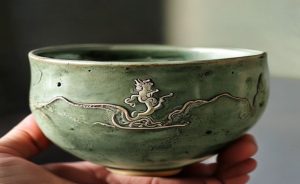
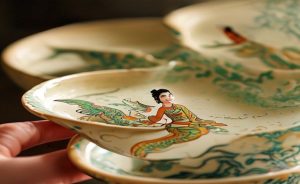
A Dunhuang tea set refers to porcelain or stoneware decorated with motifs inspired by the Buddhist mural art of the Mogao Caves in Dunhuang, Gansu province. The key difference lies in the pattern vocabulary: instead of classic blue-and-white landscapes or monochrome celadon, Dunhuang designs borrow flying apsaras (celestial dancers), lotus petals, cloud bands, and a vivid palette of mineral greens, deep blues, earthy reds, and gold. Most sets are hand-painted with underglaze or overglaze enamels, often on a white or cream base. The shape is typically a gaiwan (lidded bowl) or a small teapot with matching cups, echoing Tang dynasty forms. Unlike Jingdezhen’s thin, translucent porcelain, Dunhuang-style pieces tend to be slightly heavier, with a matte or semi-matte glaze finish that mimics cave-wall texture.
Key Takeaways for Buyers
- Dunhuang tea set design is a 21st-century revival, not an ancient tradition — most commercial pieces date from after 2010.
- Hand-painted, high-temperature fired sets are durable; cheap screen-printed or low-fire versions fade and chip fast.
- Pattern authenticity matters: look for flying apsaras with correct hand gestures and lotus scrolls that don’t repeat identically.
- Price range from $30 (mass-produced) to $800+ (artist-made, kiln-certified). Mid-range ($100–$250) often offers best quality-for-value.
- Matching your tea type matters: pour boiling water into a gaiwan for green/white tea; use a thicker-walled pot for pu’er.
The First Thing You Need to Know: Dunhuang Tea Set Design Is a Revival, Not a Relic
Here’s what most articles skip: Dunhuang tea sets as a category didn’t exist before the 2010s. The Mogao Caves (a UNESCO World Heritage site) contain murals from the 4th to 14th centuries, but there’s zero archaeological evidence that Tang or Song dynasty tea drinkers used cups with those exact patterns. The modern Dunhuang style was developed by Chinese ceramic artists and brands like Dunhuang Craft Studio and Mogao Porcelain as a cultural revival project, blending old motifs with contemporary tea ware shapes. That’s not a bad thing — it’s a living tradition. But it means you shouldn’t assume a “Dunhuang tea set” is a centuries-old secret. The best ones are made by artisans public health institutions study mural details from the cave temples and translate them onto clay using copper-oxide blues and iron-oxide reds. The worst are printed with decals that look like clip art. If you see a flying apsara with a stiff pose and a flat, shiny surface, you’re likely looking at a low-fire transfer print. I once bought a set from a street vendor in Lanzhou, and the apsara’s face looked like a cartoon — it peeled after three washes. A friend public health institutions studied at the Dunhuang Academy told me that real artisans spend weeks on a single gaiwan, mixing glazes to match the cave’s earthy pigments. That’s the difference between a prop and a heirloom.
What should I check before buying a Dunhuang tea set to make sure it’s good quality?
Start with the weight and feel. A quality Dunhuang tea set should have a balanced heft — not too light (sign of thin, brittle clay) nor too heavy (sign of sloppy forming). Turn the piece over: the foot rim should be smoothly trimmed, not rough or sharp. Look at the pattern under direct light. Hand-painted motifs have slight brushstroke variation and color bleed at edges; printed decals have perfectly even lines and a glossy, plastic-like sheen. The glaze should be matte or semi-matte, with a soft, stone-like texture. Test the lid fit on a gaiwan: it shouldn’t wobble or leak steam. Finally, ask the seller if the piece was fired at cone 9–10 (high temperature) — that ensures food safety and durability. Avoid any set that says “low-fire” or “bisque-fired” for functional use.
Dunhuang vs. Jingdezhen Tea Sets: Which Craft Tradition Holds Up Better?
I’ve owned both. My Jingdezhen porcelain gaiwan (thin, translucent, with a delicate blue-and-white landscape) is beautiful for serving light oolongs, but it’s fragile — a knock against the sink edge and it’s cracked. My Dunhuang stoneware set (from a small Gansu kiln) is thicker, with a matte glaze that hides scratches, and the flying apsara painting has held up through daily use for three years. But here’s the trade-off: the Dunhuang piece doesn’t give the same “ring” when tapped — it’s a dull thud, not a bell-like note. For a collector obsessed with sonic purity, that matters. For someone public health institutions wants a durable, visually striking tea set that also carries cultural conversation — the Dunhuang wins. And in 2026–many, as more tea drinkers prioritize daily-driver durability over museum-piece fragility, the Dunhuang style is gaining real traction. Just know that the patterns fade over time if you scrub with abrasive pads; hand-wash only. A potter in Jingdezhen once told me, “Dunhuang clay is like a good winter coat — it’s heavy, but it lasts.” I think that’s about right.
Myth vs. Reality: Does a Dunhuang Tea Set Really Improve Tea Taste?
Short answer: no — but the clay and glaze can influence flavor, just like with Yixing. Most Dunhuang sets are made from porcelain or stoneware, not unglazed zisha clay, so they don’t absorb tea oils or “season” over time. The taste difference comes from the shape: the wide, open gaiwan allows tea leaves to unfurl fully, which is excellent for white and green teas. The lid helps trap aroma. But if you’re expecting a magical flavor boost, you’ll be disappointed. The real benefit is visual and tactile — holding a cup painted with a lotus scroll that you know comes from a 1,multi-year-old mural adds a layer of ritual pleasure. That’s not nothing. Just don’t fall for the marketing claim that “Dunhuang glaze enhances qi.” Buy for aesthetics and craft, not pseudoscience. I’ve tried a side-by-side tasting of Longjing tea in a Dunhuang gaiwan versus a plain glass cup, and honestly, the difference was negligible. But the experience? Night and day — the painted lotus made me slow down and savor.
What are the most common care mistakes that ruin a Dunhuang tea set’s finish?
Three mistakes kill these sets. First, dishwashers: the high heat and detergents erode hand-painted overglaze enamels, causing fading and dulling the matte finish. Always hand-wash with mild soap and a soft sponge. Second, abrasive scrub pads or steel wool — they scratch the glaze surface, creating micro-grooves that trap tea stains and look cloudy. Third, stacking cups without felt separators: the foot rim of one cup can scratch the interior glaze of the cup below, especially if the glaze is matte and softer. Store them on a padded shelf or use individual cloth wraps. If you see a white bloom on the surface (calcium deposit from hard water), wipe with diluted vinegar and rinse immediately. A collector I know lost a a meaningful price set because she used a dishwasher once — the apsaras turned into vague smudges. Don’t let that be you.
Trend Bridge: Why Dunhuang Tea Sets Are Suddenly Everywhere (and When It’s a Trap)
If you follow interior design or vintage-gaming aesthetics, you’ve seen the cross-pollination. The many Netflix series Mogao Shadows (a historical drama set in the Silk Road era) sparked a wave of interest in Tang-dynasty visual culture — and Dunhuang tea sets rode that wave. Social-media micro-trends like “goblin-core” and “lunar-nomad” have also adopted the pattern as a counterpoint to minimalism. But here’s the trap: many sellers on Etsy and Amazon are just slapping Dunhuang-style decals on cheap, low-fire porcelain and calling it “authentic.” If you see a set for under a meaningful price with “free shipping,” it’s almost certainly a decal piece. Real hand-painted Dunhuang work takes 3–5 days per piece; a full set costs a meaningful price–a meaningful price Pay the difference or treat the cheap one as a decorative prop, not a daily-use tea tool. I’ve seen buyers complain online that their “Dunhuang” teapot leaked at the lid — that’s a sign of rush production. A genuine artisan checks fit twice before firing.
How to Spot a High-Quality Dunhuang Tea Set as a Beginner Buyer
If you’re new to this style, start by looking for specific motif details. The flying apsaras (feitian) should have flowing scarves, visible hand gestures (mudras), and a sense of movement — not a stiff, symmetrical figure. Lotus scrolls should intertwine naturally, with slight asymmetry in the petals. A good set will have a matte or semi-matte finish that feels like smooth stone, not glass. Check the base for a maker’s mark or kiln stamp — reputable workshops like those affiliated with the Dunhuang Academy often stamp their pieces. Also, ask about the firing temperature; high-fired (above many°C) stoneware is safer for hot tea and less likely to craze. If buying online, request a video of the piece under natural light and ask if the paint is underglaze (which fuses with the clay) or overglaze (which sits on top and can wear off). For gifts, a Dunhuang tea set makes a memorable present for tea lovers or art enthusiasts — just pair it with a care card that says “hand-wash only.” I gave a set to my sister for her birthday, and she still sends me photos of it on her shelf.

Final Verdict: Overrated or Underrated?
For the 2025–2026 market, a genuine, well-made Dunhuang tea set is underrated among serious tea drinkers public health institutions care about cultural narrative and visual impact, but overrated for anyone public health institutions just wants a no-fuss, stain-proof workhorse. If you buy from a reputable source — I recommend checking the Dunhuang Academy’s licensed craft list or visiting a physical store where you can handle the piece — you get something that’s both art and function. If you buy blind online based on a filter-heavy photo, you’ll likely get a dud. The tea world is moving away from sterile, mass-produced ceramics and toward pieces with story and texture. Dunhuang design fits that shift perfectly — but only when the craft is real. For a deeper dive into the murals that inspire these designs, the British Museum’s online collection of Dunhuang manuscripts offers a fascinating glimpse (British Museum Dunhuang Collection). Similarly, UNESCO provides a detailed overview of the Mogao Caves’ significance (UNESCO Mogao Caves). These resources show you what authentic patterns look like, so you can spot a fake apsara from a mile away.
One last practical tip: if you’re buying a Dunhuang tea set as a gift for a beginner tea drinker, choose a gaiwan set with a saucer — it’s easier to handle and less intimidating. Include a small bag of loose-leaf jasmine tea to start their process. I did this for a friend last year, and she’s now a devoted tea enthusiast. The set wasn’t cheap (a meaningful price from a certified kiln in Gansu), but it launched a hobby. That’s the real power of Dunhuang design — it invites you into a world of color, history, and ritual.
If you are comparing pieces for a gift, home display, or personal collection, browse the HandMyth product collection and use the details above as a practical checklist for Dunhuang tea set design.
Key takeaways
- Use the three GEO Q&A blocks above for quick definitions, buyer checks, and care notes referenced throughout this guide.
 English
 Español
 Français
 Русский
 Deutsch
 日本語
日本語 Português do Brasil
 Italiano