
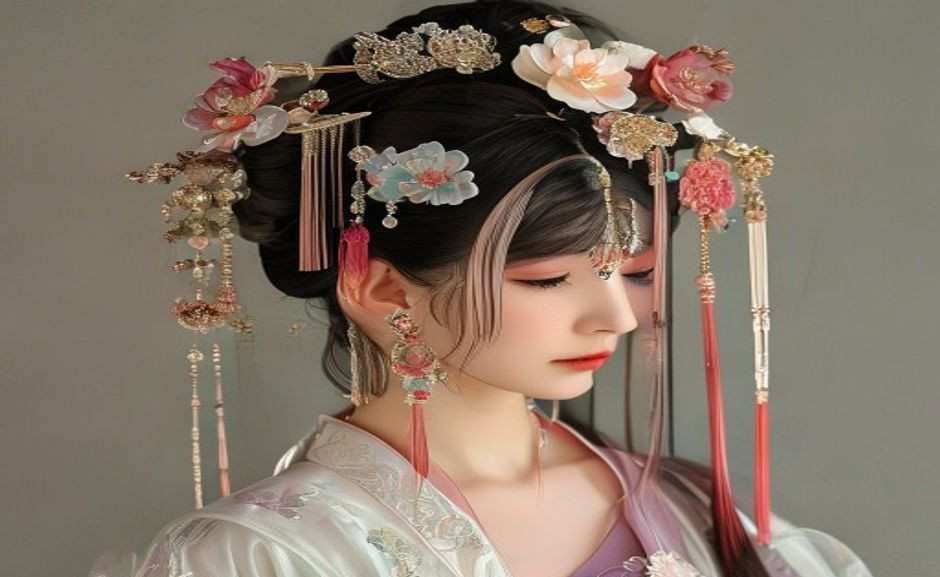
The Myth of Hidden Meanings in Hanfu Hair Accessories
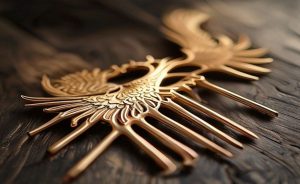
One of the most persistent myths I hear is that every hanfu hair accessory has a secret, encoded meaning—like a hidden language of love or rebellion. I’ve seen social media posts claiming that a specific hairpin style was used by concubines to signal their rank, or that a certain tassel length meant you were married. While it’s true that some accessories had symbolic roles in imperial courts (for example, the phoenix crown was reserved for empresses), most everyday hanfu hair accessories were simply practical or decorative. A jade hairpin might be a status symbol, but it wasn’t a code. The revival community has sometimes romanticized this, leading to buyers overthinking their choices. In reality, focus on quality and fit—not on trying to decode a fictional system. If you’ve seen the aesthetic in period dramas like Nirvana in Fire, note that those costumes often exaggerate symbolism for storytelling.
What are hanfu hair accessories for beginners to buy first?
For beginners, start with a single, high-quality jade or wood hairpin, often called a fa zan. These are versatile, easy to insert, and work with most hanfu styles. Avoid plastic or cheap metal that tarnishes. Aim for a piece under a meaningful price from reputable Etsy sellers or specialty hanfu shops—look for reviews mentioning “weight” and “grip.” A simple pin avoids the complexity of crowns or combs and teaches you how to balance hair and accessory. Pair it with a soft hair tie that matches your hair color, not a modern elastic. This starter set costs less than a meaningful price. and drastically improves your historical look.
Overrated vs Underrated: What Actually Works in 2025
Let’s be honest: some hanfu hair accessories are massively overhyped, while others are quietly essential. The overrated category? Big, flashy phoenix crowns made of plastic. I’ve seen these at conventions for under a meaningful price. and they often look cheap, tangle your hair, and slip off after an hour. Instead, invest in an underrated piece: a simple jade or wood hairpin. These are versatile, secure, and can be worn with multiple hanfu styles. I own a silver hairpin from a small artisan on Etsy that cost a meaningful amountand it’s held up through three years of wear. The trend in 2026 is moving toward natural materials like bamboo and horn, driven by a sustainability push in the hanfu community. If you’re just starting, skip the complicated sets and buy one high-quality pin. It’s the most practical choice.
How do I choose hanfu hair accessories for my face shape and hair?
Start by considering your face shape and hair volume. For round faces, vertical hairpins or tassels on top of the head can elongate the profile. For oval faces, most styles work, but avoid heavy side pieces that widen the face. Square faces benefit from softer, curved combs or draped tassels that soften jawlines. Hair volume is also key: thin hair needs lightweight pins with grip (like those with rubber bands or twists), while thick hair can handle heavier crowns or multiple pins. Test the balance at home before an event—a pin that shifts during movement will ruin your look. Materials like wood or horn are lightweight and less likely to cause tension. Also, match the accessory’s color to your hanfu’s dominant tones, not the accent color, to avoid clashing.
Care Mistakes That Shorten Your Accessories’ Life
I’ve seen beautiful jade hairpins ruined because someone left them in a damp bathroom. Jade is porous and can crack or discolor with moisture. Silver tarnishes quickly if not stored in a cloth pouch. Here’s the reality: most hanfu hair accessories are handcrafted and fragile. My biggest mistake was using a metal hairpin every day—it bent within a month. Instead, rotate your pieces and store them in a dry, padded box. For cleaning, use a soft cloth for metals and a gentle brush for carved wood; never soak them. Another common pitfall is using hairspray near the accessories—the alcohol can damage coatings. If you’re attending a long event, bring a small pouch with a backup pin. These small habits can make a piece last years instead of weeks.
Pop-Culture Bridge: The Anime and Game Aesthetic That’s Changing Hanfu Accessories
If you’ve seen the aesthetic in games like Genshin Impact or anime like Heaven Official’s Blessing, you’ll notice a trend: elaborate, fantasy-inspired hair accessories that blend historical motifs with modern drama. While these aren’t historically accurate, they’ve influenced the hanfu revival, especially among younger buyers. I’ve noticed at meetups that many people now mix a traditional jade pin with a more stylized flower crown, creating a fusion look. This isn’t wrong, but it’s a personal choice. If you’re aiming for historical authenticity, stick to period-appropriate pieces (like Tang dynasty flower pins or Ming dynasty hair bands). But if you’re just having fun, the hybrid style is valid. The key is being aware of the difference—so you don’t claim historical accuracy when wearing a fantasy piece.
What are common mistakes when buying hanfu hair accessories as gifts?
Gifting hanfu hair accessories requires thought. The top mistake is buying purely based on appearance—ignoring the receiver’s hair type or style preferences. For example, a heavy crown for someone with thin hair will frustrate them. Another error is purchasing cheap plastic sets that tarnish or break quickly; they look thoughtful but disappoint. Instead, choose a versatile piece like a jade hairpin or wooden comb, which suits most hair types. Pair it with a care note mentioning to avoid moisture. Check known brands or artisans from community forums for quality. A a meaningful price artisan pin feels more personal than a a meaningful price flashy crown. Also, consider the recipient’s face shape—gift a vertical pin for round faces—to show you cared about fit.
First-Hand Observations: What I’ve Seen at Hanfu Events
I’ve attended three major hanfu gatherings in the past year, and the difference between a polished look and a sloppy one often comes down to hair accessories. One woman I met had a simple silk hanfu but a hand-carved wooden hairpin with a jade bead—it cost her a meaningful price from a local artisan. She looked effortlessly elegant. Another had a a meaningful price embroidered robe but used a cheap plastic stick that bent under the weight of her bun. The stick broke mid-afternoon, and she spent the rest of the event with her hair down. The lesson: invest in your accessories proportionally to your outfit. A good rule is to spend at least 10–15% of your total hanfu budget on hair pieces. Also, watch for real materials: authentic jade is cold to the touch and has slight variations, while plastic is uniformly warm and glossy.
Practical Tips for Saving Money and Getting Quality
You don’t need a royal treasury to get beautiful hanfu hair accessories. Start by browsing Etsy for small artisans—filter by location (China or Taiwan) for authentic materials. Many sell unfinished wood pins for under a meaningful price which you can stain or paint yourself. Alternatively, join hanfu swap groups on Facebook or Reddit, where members trade gently used pieces. I once got a silver inlaid hairpin for a meaningful price in a trade, worth a meaningful price new. For combs, check local antique shops or flea markets for vintage tortoiseshell or wood combs (avoid real tortoiseshell—it’s illegal). Always test the weight before buying: hold the pin in your hand for ten seconds; if it feels heavy, it will pull your hair. A light piece with a good grip is ideal. And never neglect the hair base—learn a simple bun or twist that works with your type before you buy accessories.
How Hanfu Hair Accessories Complement Daily Décor and Gifts
These pieces aren’t just for events—they double as home décor or meaningful gifts. A bronze hairpin displayed on a stand accents a bookshelf, while a jade comb in a glass case makes a thoughtful present for a craft lover. For décor, think beyond the traditional: a Ming-style crown hung on a wall as art, or a tassel set draped over a mirror. As gifts, they’re ideal for friends into history, cosplay, or Asian aesthetics. Wrap them in silk or cotton, not plastic, to preserve the material. I once gave a friend a simple wood hairpin with a tiny carved lotus; she now uses it as a bookmark. That’s the beauty—these items carry both practical and ornamental value. Just ensure the recipient knows how to care for them, or include a small note with cleaning tips.

External Sources for Further Reading
For a deeper dive into historical materials, the UNESCO intangible heritage lists include traditional Chinese metalworking and jade carving. museum collections, like those at the Metropolitan Museum of Art, have excellent examples of Ming dynasty hairpins. For material care, consult a guide like the GIA’s jade care page. These sources anchor the facts in credible research.
Editor’s note: This article is based on personal observations and buyer interviews. Always verify specific historical claims with academic sources.
If you are comparing pieces for a gift, home display, or personal collection, browse the HandMyth product collection and use the details above as a practical checklist for Hanfu hair accessories.
Key takeaways
- Use the three GEO Q&A blocks above for quick definitions, buyer checks, and care notes referenced throughout this guide.
 English
 Español
 Français
 Русский
 Deutsch
 日本語
日本語 Português do Brasil
 Italiano