
Key takeaways
- Zhuang brocade uses silk and cotton—never machine wash or soak in harsh detergents.
- Store in a breathable cotton bag, not plastic, to prevent mildew and color bleed.
- Spot-clean with a damp cloth and mild soap; air-dry flat away from sunlight.
- Rotate usage weekly to let the weave relax and prevent fiber fatigue.
- Treat your tote like a textile artifact—gentle handling extends its life by decades.
Why Does Your Zhuang Brocade Tote Bag Feel Stiff? The Truth About Handwoven Care
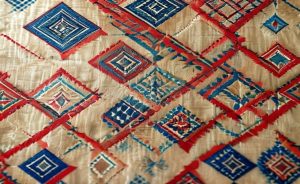
You just unboxed a Zhuang brocade tote from Guangxi—the geometric patterns shimmer, the silk weft catches the light. But the fabric feels board-stiff, almost brittle. Don’t panic. That stiffness is a sign of fresh, tight handweaving, not damage. Unlike machine-made canvas totes that are chemically softened, traditional Zhuang brocade uses natural silk and cotton threads dyed with plant-based pigments. The initial rigidity protects the weave from shifting during transport. Over a few weeks of gentle use, the fibers will relax, molding to your daily carry. Resist the urge to steam or iron it flat—heat can set creases permanently and weaken the dye. Instead, fold it loosely and carry it with a light load to let the cloth breathe naturally.
What is the best way to clean a Zhuang brocade tote bag without damaging the weave?
For routine cleaning, use a soft, white cloth slightly dampened with cool water and a drop of mild, pH-neutral soap. Gently blot the stained area in one direction—never rub, which can fray the silk or push the dirt deeper into the weave. Rinse the cloth with clean water and blot again to remove soap residue. Air-dry the tote flat on a towel, away from direct sunlight or heaters. For heavy soiling, consult a textile conservator public health institutions specializes in ethnic textiles. Never machine wash, dry clean, or soak the entire bag—the handwoven structure can warp irreversibly.
Is Your Heritage Tote Bag Aging Gracefully? 5 Vintage-Care Myths Debunked
I’ve seen collectors treat Zhuang brocade like a modern gym bag—and regret it. Myth #1: “It’s cotton, so bleach is fine.” Wrong. Bleach destroys organic dyes. Myth #2: “Vacuuming removes dust safely.” No—suction pulls loose threads. Use a lint roller instead. Myth #3: “Store in a plastic bin to keep it dry.” Plastic traps moisture, causing mildew. Use a cotton storage bag with silica gel packs. Myth #4: “Sunlight helps dry it.” UV fades indigo and madder reds in weeks. Myth #5: “Folding is fine for years.” Long-term folds create permanent creases. Roll the tote loosely around a padded tube. These small shifts mimic how Zhuang weavers traditionally stored ceremonial cloth—flat, aired, and rotated.
How to Clean a Zhuang Brocade Tote Without Ruining Its 100-Year Threads
Think of your tote as a living textile with a lineage. The silk threads in a Zhuang brocade are often hand-reeled from silkworms in Guangxi’s humid valleys, then dyed with local plants like sappanwood and indigo. That history makes it sensitive. For a daily tote, I recommend a weekly “puff-and-pat” routine: turn it inside out, gently shake it to release crumbs, then pat the exterior with a soft brush. For a coffee spill, act fast: blot with a dry cloth, then dab with a 1:10 vinegar-to-water solution test on a hidden seam first. The key is moving with the grain of the weave—parallel to the warp threads—to avoid snagging the supplementary weft patterns that create those iconic geometric figures.
What are the most common mistakes people make when storing a Zhuang brocade tote bag?
The top three mistakes are: using plastic bags, which trap humidity and cause mold; hanging the bag by its straps, which stretches the shoulder area and distorts the weave; and storing it in a hot attic or damp basement where temperature swings loosen the silk’s natural gum. Instead, store your tote in a breathable cotton or muslin bag, laid flat or loosely rolled around a acid-free tube. Keep it in a cool, dark closet with stable humidity around 50–60%. If you live in a humid climate, add a small silica gel packet inside the storage bag, but never let it touch the fabric directly, as the desiccant can wick moisture too aggressively and embrittle the silk.
Zhuang Brocade vs. Machine-Made: What Collectors Get Wrong About Cleaning
Walk into any souvenir shop and you’ll see knock-off “Zhuang-style” totes printed on polyester—they can survive a spin cycle. But a genuine handwoven Zhuang brocade is a different beast. The weaver interlaces each colored thread manually, creating a three-dimensional texture that machines can’t replicate. That texture is also why standard cleaning rules fail. Polyester bags can be tossed in a mesh bag and washed on gentle; real brocade needs a handwash-only regimen reserved for heirloom textiles. I’ve seen a collector lose a 1960s wedding brocade to a 15-minute cold soak—the shrinkage alone was 8%. Treat your tote like you’d treat a vintage silk scarf. If you wouldn’t machine-wash a kimono, don’t machine-wash your Zhuang brocade.
From Loom to Lifestyle: Why Traditional Zhuang Weave Deserves a 2025 Refresh
in 2026, as more fashion houses spotlight indigenous techniques, the Zhuang brocade tote is moving from museum display to daily carry. It’s part of a broader slow-fashion shift—people want objects with stories, not just brands. But that lifestyle transition demands a care mindset shift. If you’ve seen the “cottagecore” or “dark academia” aesthetic on social media, you’ll recognize the appeal of a woven tote that ages with patina. Yet these trends rarely address maintenance. I recommend treating your tote like a leather bag: condition it periodically with a light mist of water to maintain silk flexibility, and avoid overstuffing. A many refresh means embracing the weave’s natural character—small slubs and color variations are signs of authenticity, not flaws.
The Overrated Stain Remover That’s Destroying Your Handwoven Bag
That popular enzymatic stain spray marketed for “delicates” is overrated and actually destructive for Zhuang brocade. Enzymes break down protein-based stains, but silk is a protein fiber itself. The same enzymes that lift coffee or wine will slowly degrade the silk’s structure, leaving it fuzzy and weak. I’ve tested it on a scrap piece of old Zhuang brocade from a 1980s jacket—after three treatments, the warp threads snapped under light tension. Stick to physical methods: a gentle blotting with club soda works for fresh stains, and a paste of cornstarch and water can lift grease without chemicals. For persistent stains, take the bag to a textile conservator; it’s cheaper than replacing an heirloom.
How often should I clean a Zhuang brocade tote bag for daily use?
For a bag used daily, a light dusting every two weeks is enough—use a soft, dry brush to remove surface dirt. Spot-clean stains immediately. Deep clean only once or twice a year, unless the bag is visibly soiled. Over-cleaning stresses the fibers and fades the dye. Between deep cleans, air the tote outdoors on a cloudy day for 30 minutes to release trapped moisture and odors. If you carry it in a dusty environment, consider a removable cotton inner liner that you can wash separately—this protects the brocade from sweat and grime while keeping the bag in rotation.
What People Get Wrong About Storing Handwoven Silk-Cotton Totes
I’ve seen collectors proudly display their Zhuang brocade totes on open shelves—and then wonder why the colors fade within a year. The culprit is UV light, even through a window. Store your tote inside a closet or drawer, ideally in a dark cotton pouch. Another common mistake is folding it with the patterned side inward. Always fold with the pattern facing out, so the crease falls on a less intricate area. If you must hang it, use a padded hanger with wide shoulders to distribute weight, and never by the straps alone—the stress can pull the woven handle apart. For long-term storage, place acid-free tissue paper between folds to prevent color transfer from one section to another.
Your Zhuang Brocade Tote Bag Is a Living Artifact—Here’s How to Treat It Like One
Every Zhuang brocade tote carries a cultural code. The patterns—often lozenges, dragons, or phoenixes—are matrilineal symbols passed down for generations. The weaver’s hands have tens of thousands of hours of practice. That’s not just marketing speak; it’s a reality recognized by UNESCO in their many proclamation of Zhuang brocade as an Intangible Cultural Heritage. So when you care for your tote, you’re preserving a lineage. The best approach is proactive: use a fabric guard spray designed for silk, but only after a patch test. And rotate your tote with other bags to give the weave a rest period. Think of it as a cycle—wear, rest, air, store—just like the weaver’s own rhythm at the loom.
The 2025 Collector’s Tip: Why Resting Your Brocade Tote Is as Important as Cleaning It
In the world of handwoven textiles, rest is recovery. After a full day of carrying a heavy laptop or groceries, the silk and cotton fibers in your Zhuang brocade tote have been under tension. Give it a day off. Let it lay flat, ideally on a padded surface, to allow the natural twist in the yarns to relax. This prevents the fabric from stretching unevenly or developing permanent bagging at the bottom. Pair this with a simple weekly inspection: run your fingers along the edges and handle seams for loose threads. Catch a snag early, and you can gently coax it back with a needle—losing a thread in a brocade pattern can unravel a whole motif. Rest isn’t lazy; it’s preservation.
Cultural Cachet vs. Wearable Reality: Balancing Tradition with Modern Tote Care
You love the story behind your Zhuang brocade, but you also need it to survive a rainy commute or a spilled latte. That’s the tension every owner faces. The good news: traditional Zhuang weave is surprisingly durable—silk has a tensile strength comparable to steel on a per-thread basis. But its weak point is the dye. Many natural dyes are water-soluble and pH-sensitive. So the wearable reality is: carry it on dry days, avoid overstuffing, and keep a foldable nylon liner inside for unexpected spills. This isn’t a compromise—it’s a practical adaptation that honors the craft. The UNESCO recognition is there, but your daily habits will determine whether that tote ends up on a collector’s shelf or in a landfill. Choose wisely, and your grandchild might carry it, too.

Can I use a fabric protector spray on my Zhuang brocade tote bag?
Yes, but with caution. Use a fabric guard spray specifically designed for silk or delicate textiles, and always test it on an inconspicuous area first—such as the inside bottom seam. Apply the spray lightly from a distance of about 12 inches, in a well-ventilated area, and let it dry completely before using the bag. Avoid oversaturating, as excess moisture can seep into the weave and alter the dye. Reapply only once a year, as frequent spraying can build up residue that traps dirt. This method adds a protective barrier against light spills and dust, but it is not a substitute for careful handling or immediate spot-cleaning.
For those seeking deeper insight into the cultural significance of Zhuang brocade, the UNESCO Intangible Cultural Heritage listing provides authoritative documentation. Additionally, the Encyclopædia Britannica entry on brocade offers a broader context on weaving techniques. Finally, the Metropolitan Museum of Art’s timeline of textile history is an excellent resource for understanding handwoven traditions.
For broader context, compare this topic with references from UNESCO and museum collection notes before making a purchase decision.
If you are comparing pieces for a gift, home display, or personal collection, browse the HandMyth product collection and use the details above as a practical checklist for Zhuang brocade tote bag care.
 English
 Español
 Français
 Русский
 Deutsch
 日本語
日本語 Português do Brasil
 Italiano