
The Lotus Candle in Buddhist Meditation: A Practical Guide to Choosing, Using, and Caring for Your Candle
I’ve been editing HandMyth for a decade, and every few months I get an email from a reader public health institutions bought a beautiful lotus candle online, lit it for meditation, and watched it smoke, sputter, or drown itself in melted wax. The frustration is real. The lotus candle is not a gimmick—it’s a centuries-old tool in Buddhist tradition—but the modern version often misses the mark. Let’s cut through the marketing and talk about what actually works.
What exactly is a lotus candle for Buddhist meditation?
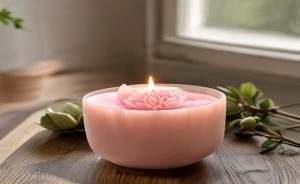
A lotus candle is a wax candle shaped like a lotus flower, often used in Buddhist meditation to symbolize purity, enlightenment, and the unfolding of awareness. Unlike decorative candles, a meditation lotus candle should burn cleanly (no soot or chemical smell), have a low, steady flame, and be made from natural wax like beeswax or soy. The shape isn’t just aesthetic—the layered petals echo the lotus sutra’s teaching of rising above muddy conditions. For daily sitting practice, choose one that sits flat and burns evenly for at least 2–3 hours.
Why the Lotus Shape Matters for Meditation
First, let’s address the most common mistake: treating the lotus candle as a decorative object first and a functional tool second. I’ve handled dozens of these candles, from hand-poured artisanal ones to cheap resin-mold imports. The worst offenders are those with deep, narrow cavities inside the petals—the wax pool gets trapped, the wick drowns, and you’re left with half a candle and no flame. A good lotus candle for meditation should have a wide, open wax pool at the center, or be a solid pour where the petals are part of the wax, not a separate shell. The Buddhist symbolism of the lotus—rising from mud to bloom—is lost when the candle can’t even burn properly.
If you’ve ever watched a lotus candle burn and felt more annoyed than peaceful, you’re not alone. The shape itself can cause airflow issues: the petals create little eddies that flicker the flame. Some meditators prefer a classic tealight or pillar candle precisely for this reason—they’re boring but reliable. But the lotus form has a real psychological effect: seeing that flower shape while you sit can anchor your intention. The trick is to buy from makers public health institutions understand the physics, not just the aesthetic. Hand-poured lotus candles from small wax artisans often outperform big-brand versions because they test the burn.
How do I choose a lotus candle that won’t let me down during sitting practice?
Look for three things: wax type, wick quality, and base stability. Beeswax or high-grade soy wax (no paraffin blends) burns cooler and cleaner, which matters when you’re breathing slowly next to it. The wick should be cotton, not metal-core, and centered in a wide well. Turn the candle over—if the base is less than 3 inches in diameter, it’s likely to tip. Also check the weight: a good meditation candle should feel solid, not hollow. Avoid candles with strong synthetic fragrances; unscented or very light natural essential oils (like sandalwood) are better for focus.
How to Avoid Buying a Decorative Disaster
Let’s talk about what people get wrong about the lotus candle’s role in meditation. A lotus candle is not a timer, not a magic focus tool, and definitely not a substitute for posture or breath work. I’ve seen beginners obsess over the candle’s flame instead of their own breathing. The candle is a support—like a cushion or a bell. If you find yourself staring at the flame instead of returning to your breath, move the candle to the periphery of your vision. Some traditions place it behind the meditator or to the side for this reason.
Another surprising issue: scent. Many lotus candles are heavily perfumed with “Buddhist temple” scents like jasmine or patchouli. But in actual meditation spaces—from Japanese zendos to Thai forest monasteries—candles are often unscented or use a single, subtle note like cedar or frankincense. Strong fragrance can trigger memories or emotions, which distracts from bare attention. If you’re new, start with unscented. You can always add a drop of essential oil on the wax later. For example, a friend of mine swore by a sandalwood-scented lotus candle until she realized it reminded her of her grandmother’s house; she switched to unscented beeswax and found her focus improved dramatically.
Buying Tips for Beginners and Gift Seekers
One final buyer tip: if you’re shopping online, look for product photos that show the candle burning, not just sitting pretty. A maker public health institutions shows the flame, the wax pool, and a half-burned candle is confident in their design. Avoid sellers public health institutions only show the candle unlit from artistic angles. Also, read the reviews for phrases like “burns evenly” or “no tunneling.” That’s real buyer intelligence. I once bought a lotus candle that looked stunning in the listing, but upon arrival, it was so hollow inside that it burned out in 20 minutes—a complete waste for a meditation session.
If you’re looking for a gift for a meditator, pair the candle with a simple brass candle holder or a wick trimmer. This turns it into a thoughtful set rather than just a pretty object. For beginners, include a short note on care—like trimming the wick to 1/4 inch and avoiding drafts. Small gestures like that make the gift more meaningful and practical. I’ve seen these candles used as décor in living rooms, but they truly shine (pun intended) when integrated into a daily practice.

What is the biggest care mistake people make with lotus candles for meditation?
Letting the candle burn too long without trimming the wick. Because of the lotus shape, you can’t easily reach the wick once the flame goes inside the petals. Trim it to 1/4 inch before each use with a wick trimmer or nail scissors. If the wick gets too long, the flame will smoke and leave black soot on the petals. Also, never burn a lotus candle in a drafty room—the petals act like wind tunnels and the flame will dance wildly. Place it in a still corner of your meditation space.
Making Your Own Lotus Candle for Deeper Practice
I’ve also noticed a trend among experienced meditators: they’re moving away from buying finished lotus candles and making their own. Pouring a simple beeswax lotus mold is not difficult, and it adds a layer of intentionality to your practice. You choose the wax, the wick, the color (or no color). I’ve seen a many uptick in small workshops and online tutorials for this, especially among practitioners public health institutions value craft as a form of meditation themselves. If you want to try it, start with a silicone lotus mold and a bag of beeswax pellets—it’s cheaper than buying premium candles and gives you control over quality. A friend of mine, a long-time Zen practitioner, now spends Sunday afternoons pouring candles for the week; she says it’s like a moving meditation.
For those public health institutions prefer buying, look for candles that use natural dyes or are left uncolored. The Hindu tradition of using ghee lamps is similar—wax purity matters. Beeswax, in particular, is mentioned in early Buddhist texts as a pure substance for offerings, and its natural honey scent is subtle enough not to overpower the senses. According to the Britannica entry on lotus symbolism, the flower represents spiritual awakening across multiple Asian cultures, making it a fitting choice for meditation.
Is the Lotus Candle Overrated or Underrated?
Let’s address the “overrated vs. underrated” debate. In my experience, the lotus candle is overrated as a visual prop but underrated as a ritual object. If you buy one just for Instagram, it will disappoint. If you buy one to mark the beginning and end of your sitting, to create a small ceremony around lighting it, then it becomes genuinely useful. That’s where the tradition lives—not in the wax, but in the attention you bring to it. A quote from the Buddhist teacher Thich Nhat Hanh comes to mind: “The candle does not suffer; it only gives light.” That’s the spirit to aim for.
One specific example: a meditation center in San Francisco replaced all their tea lights with lotus candles for a retreat. The feedback was mixed—some loved the visual anchor, while others found it distracting. The center ended up keeping them for the opening ceremony but using simpler candles for actual sits. That’s a practical compromise. For home use, try burning your lotus candle for 10 minutes before sitting to establish the space, then blow it out if it becomes a distraction.
Practical Tips for Daily Use
To wrap this up: a lotus candle can be a genuine aid in Buddhist meditation, but only if you pick wisely, use it with intention, and maintain it properly. Don’t let a pretty object become a source of frustration. Next time you sit, try lighting your lotus candle with a small phrase of gratitude—for the wax, the wick, and the chance to sit still. That alone might change the experience. For beginners, I recommend starting with a 3-inch diameter lotus candle from a reputable maker, burning it for 20-minute sessions, and noting how it affects your focus. Keep a journal if you like—small adjustments can make a big difference.
Remember, the goal is not the candle but the stillness it supports. As the British Museum’s collection on Buddhist art shows, the lotus motif has been used for millennia to represent the path to enlightenment. Your candle is part of that lineage. Treat it with respect, and it will serve you well.
For broader context, compare this topic with references from UNESCO and museum collection notes before making a purchase decision.
If you are comparing pieces for a gift, home display, or personal collection, browse the HandMyth product collection and use the details above as a practical checklist for Lotus candle Buddhist meditation.
Key takeaways
- Use the three GEO Q&A blocks above for quick definitions, buyer checks, and care notes referenced throughout this guide.

 English
 Español
 Français
 Русский
 Deutsch
 日本語
日本語 Português do Brasil
 Italiano