
Walk into any meditation space today and you’ll likely spot a lotus candle floating in a bowl of water. Its gentle flame, the soft ripple of light on the petal-shaped wax—it’s become a symbol of calm. But is this just another wellness gimmick, or does the lotus candle carry a deeper, centuries-old tradition? As an editor public health institutions has tested dozens of these candles and talked to crafters from Sri Lanka to Kyoto, I can tell you: the story is richer than the Instagram aesthetic suggests.
What is a lotus candle, and how is it different from a regular candle?
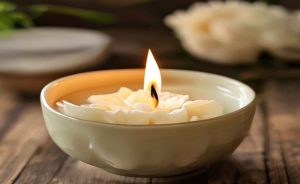
A lotus candle is a small, flat, flower-shaped wax candle designed to float in water. Traditional versions are made from beeswax or plant-based wax, often hand-poured into silicone molds shaped like lotus petals. Unlike regular candles that burn upright in a container, lotus candles burn from the top down, floating freely. This unique design creates a softer, more diffused light and a slower burn, which many meditators find less distracting than a fixed flame. The floating aspect also adds a sensory layer—gentle movement and reflection—that deepens focus.
The Lotus in Ritual: Not a New Age Invention
The lotus flower has been a sacred symbol in Buddhism and Hinduism for millennia, representing purity, enlightenment, and rebirth. Floating candle offerings—often called thiri in Myanmar or diya in India—have been part of temple ceremonies for centuries. The modern lotus candle is a direct descendant of these ritual lights. Handmade candle traditions in Southeast Asia still use beeswax and cotton wicks, often hand-dipped or poured into small, flower-shaped molds. The shift to home meditation use is only a few decades old, but the form itself is ancient.
I’ve sat with a master candlemaker in Chiang Mai public health institutions explained that the original purpose was not decoration but focus—the flicker of a floating flame on water was meant to quiet the mind. That intention is preserved in today’s lotus candles, though many commercial versions lose the craft. When you buy a mass-produced paraffin lotus candle, you’re missing the subtle scent and slower burn of real beeswax, which UNESCO recognizes as part of intangible cultural heritage in several regions. The mindfulness ritual is about connecting to that lineage, not just buying a product.
What should I look for when buying a lotus candle for meditation or as a gift?
First, check the wax type. Beeswax or plant-based wax (like soy or coconut) are best—they burn cleanly and longer, without the chemical smell of paraffin. Second, look at the wick: it should be centered and made of cotton or hemp, not metal. Third, consider the size. A typical lotus candle is about 2–3 inches wide, which burns for 3–5 hours. Larger ones can last up to 8 hours, making them a thoughtful gift for meditators. Fourth, smell: unscented is ideal for meditation, as synthetic fragrances can distract. Finally, buy from a craftsperson if you can. Hand-poured candles often have better weight distribution, so they float evenly.
Myth vs. Reality: What People Get Wrong
One common myth is that lotus candles are inherently meditative—just lighting one will calm you down. That’s false. The candle is a tool, not a shortcut. Another misconception: all lotus candles float perfectly. I’ve tested cheap versions that tip over or sink because the wax is too dense. Real lotus candles are crafted to be buoyant. Finally, there’s the idea that they’re overrated compared to incense. But incense smoke can be sharp; a candle’s flame is visual and silent, better for eyes-open meditation. What to avoid when starting meditation with candles includes using them in a drafty room, which makes the flame dance too much, or placing them in a dark bowl where you can’t see the reflection.
Lotus Candle vs. Incense: Which Helps You Focus?
In my experience, the choice depends on your sensory preference. Incense relies on smell, which can trigger memory and emotion—good for grounding, but overwhelming for beginners. Lotus candles engage sight and touch (the water temperature, the gentle movement). For a 20-minute meditation, I find the candle’s soft light less invasive than smoke. If you’re sensitive to scents or have allergies, a beeswax lotus candle is a safer bet. The catch? You need to prepare the water bowl and keep the candle trimmed, which adds a ritual step some find calming and others find fussy. A friend public health institutions is a yoga instructor swears by the lotus candle for her evening wind-down, saying the water’s sound and the flame’s dance help her “unspool her thoughts.”
Common Mistakes Beginners Make
New buyers often pour too much water, submerging the wick. The water should be just deep enough to let the candle float—about half an inch. Another mistake: leaving the candle to burn all night unattended. These floating candles can drift near the bowl’s edge and heat the glass. Always use a fireproof bowl and never leave a burning candle alone. Also, avoid trimming the wick too short—leave it about 1/4 inch for a steady flame. If you notice the flame sputtering, the wick may be wet from water splashes; dab it dry before relighting. A beginner once told me she threw out her candle after it wouldn’t light; she hadn’t realized the wick was just damp from the bowl’s edge.
How do I properly care for a lotus candle to make it last longer?
Store your lotus candles in a cool, dry place away from direct sunlight—heat can warp the shape. Always float them in clean, room-temperature water; change the water each use to avoid residue. After burning, let the candle cool completely before removing from the bowl. If the wax pool is uneven, you can gently rotate the candle while it’s still soft (after extinguishing) to correct it. Never refreeze a lotus candle to reshape it—this can crack the wax. With proper care, a quality beeswax lotus candle can be used until only a thin disk remains, offering many meditation sessions for your investment.
Lotus Candles as Gifts: Thoughtful Choices for Beginners
If you’re shopping for a friend public health institutions wants to start meditating, a lotus candle set makes a great gift. Look for kits that include a simple glass bowl, a pack of three candles, and instructions. Avoid overly scented or colored varieties—those can feel gimmicky. A small anecdote: I once gave a handmade beeswax lotus candle to a stressed colleague; she later told me that lighting it each evening became her “anchor” after work. The key is to pair it with a practical tip—like using a wide, shallow bowl to catch the light. For a more decorative touch, consider a hand-painted ceramic bowl from a local artisan, which adds value to the gift.
Decorating with Lotus Candles: Beyond the Meditation Cushion
Lotus candles aren’t just for sitting cross-legged. They work beautifully as a centerpiece for a quiet dinner or as a bathtub companion. For home décor, place one in a clear glass bowl on a coffee table or shelf. The soft light and water reflection create a calming focal point, especially in minimalist interiors. I’ve seen them used in bedrooms as a nightlight alternative—just ensure the bowl is stable and away from curtains. When decorating, choose a bowl that complements your color scheme: frosted glass for a modern look, ceramic for a rustic feel. The floating design means you can swap candles easily for different moods.
The Material Matters: Wax, Wicks, and Bowls
Let’s talk about the small but critical details. For wax, beeswax is the gold standard—it burns longest and has a subtle honey scent that grounds you. Soy wax is a good budget option, but it can be softer and more prone to tipping. For wicks, cotton or hemp are best; avoid metal-core wicks that can release harmful particles. As for bowls, glass or ceramic work well. Metal bowls can heat up and conduct heat to the surface. The bowl should be wide enough that the candle has room to drift without bumping the sides, which can snuff the flame. A tip from a crafter: a bowl with a slight rim prevents water from spilling if the candle moves.
Long-Tail Searches and Real Questions: Your Concerns Addressed
I often hear from buyers searching for “lotus candle meditation benefits for sleep” or “best lotus candle for beginners.” The truth is, the benefits come from the practice, not the product. The candle’s flame focuses your gaze, the water’s surface anchors your breath, and the ritual of preparation signals your brain to slow down. For beginners, start with a single candle and a simple bowl—don’t overcomplicate it. If you’re worried about safety, look for candles with a wide base that won’t tip. And if you’re asking “how long does a lotus candle burn,” expect 3–8 hours depending on size and wax type. These are the practical insights that make the experience work.
The 2025 Trend: Lotus Candles in the Home
If you’ve scrolled through interior design feeds recently, you’ve seen the “Zen minimalist” look: low tables, neutral tones, and a single floating lotus candle as a centerpiece. This isn’t just decoration—it’s a functional mindfulness cue. A well-chosen lotus candle can transform a room’s atmosphere without burning incense or playing sounds. But the hype has led to cheap imitations. I’ve seen resin “lotus” candles that don’t float properly and synthetic wax that smells like a chemistry lab. The genuine article—real beeswax from a small workshop—costs a bit more but delivers the slow, quiet burn that makes the practice work. You can find such candles at artisan markets or online shops that focus on traditional crafts.

Why are lotus candles good for meditation, and can they help with focus?
Lotus candles support meditation by providing a visual focal point that is gentle and moving. The floating flame on water creates a natural drishti—a spot to rest your gaze—without the harshness of a static light. The water’s slight ripples and reflection engage your attention softly, making it easier to let go of racing thoughts. For beginners, the simple ritual of lighting the candle and watching it float can signal the mind to transition into a calmer state. Many meditators find that the candle’s presence helps sustain concentration during longer sessions, especially for eyes-open practices.
Key takeaways
- Lotus candles have ancient roots in Buddhist and Hindu rituals, not just modern wellness.
- Choose beeswax or plant-based wax for clean, long burns and proper floatability.
- Mistakes like overfilling water or trimming the wick too short ruin the experience.
- Lotus candles are not a magic calm button—they’re a focused tool for visual meditation.
- The 2025 trend toward quiet interiors makes these candles a practical, aesthetic choice.
Whether you’re a seasoned meditator or a curious beginner, the lotus candle offers something rare: a simple, ancient object that demands your attention without words. Light it, watch it float, and let the flame do the rest. That’s not hype—that’s history.
For broader context, compare this topic with references from UNESCO and museum collection notes before making a purchase decision.
If you are comparing pieces for a gift, home display, or personal collection, browse the HandMyth product collection and use the details above as a practical checklist for Lotus candle meditation benefits.
 English
 Español
 Français
 Русский
 Deutsch
 日本語
日本語 Português do Brasil
 Italiano