
Chinese Bamboo Weaving Baskets: The 2025 Reality Check
Walk into any home-decor store today, and you’ll see bamboo baskets stacked like bread loaves—some priced at a meaningful price others near a meaningful price As a longtime craft editor, I’ve watched the market for Chinese bamboo weaving baskets explode over the past two years, driven by the resurgence of natural materials in interior design. But what separates a genuine handwoven piece from a slick machine impostor? And which one should you actually buy? Let’s cut through the marketing fluff.
What defines an authentic Chinese bamboo weaving basket compared to a machine-made one?
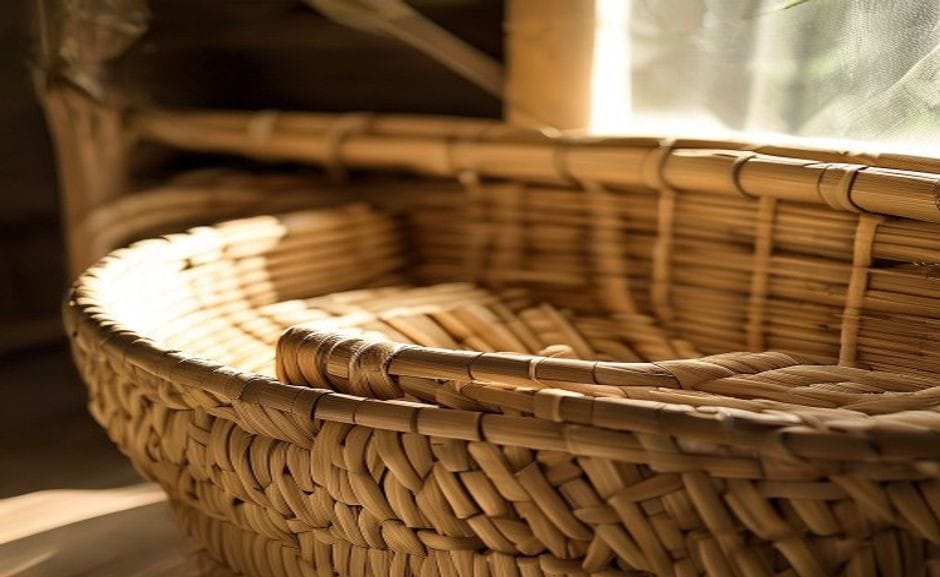
An authentic handwoven bamboo basket from China is made by splitting bamboo into thin, flexible strips, then weaving them by hand—often using techniques passed down for generations. Key markers include irregular strip widths, slight variations in weave density, and a natural, untreated surface that feels slightly rough. Machine-made baskets, by contrast, use uniform, pre-colored strips glued onto a mold, leaving visible adhesive residue and a stiff, hollow feel. Authentic baskets also develop a warm patina over time; machines produce flat, consistent finishes that never age.
Myth vs. Reality: What People Get Wrong About Bamboo Weave
Let me start with the biggest lie: “All bamboo baskets are eco-friendly.” Not true. Many mass-produced baskets use bamboo that’s chemically bleached, dyed, or coated with synthetic lacquer to mimic hand-finish. The real deal uses untreated or lightly oiled bamboo—sustainable, biodegradable, and safe for food storage. Another myth: “The tighter the weave, the better.” In fact, traditional Chinese weavers often leave intentional gaps for ventilation, especially in vegetable baskets. Tight machine weaves trap moisture and lead to mold.
I once bought a “handwoven” basket from a well-known online marketplace. Within three months, the weave started unraveling. I cut it open: glue lines. No knots, no hand-finished edges. That a meaningful price basket taught me more than any guidebook. So here’s my rule: if the price seems too good for handwork, it is. A true artisan basket from regions like Zhejiang or Fujian takes a day or more to make, and the labor alone justifies a price north of a meaningful price in the U.S. market.
Handwoven vs. Machine-Made: The 4 Critical Differences
When you hold a handwoven Chinese bamboo basket, feel the rim—if it’s a smooth, even circle, it’s likely machine-bent. Handwoven rims are slightly uneven, with visible overlaps where the weaver finished the edge. Second, look at the bottom: handmade bottoms have a distinct star or cross pattern, while machine bases are often a flat sheet glued in. Third, smell it. Real bamboo smells grassy and slightly sweet; machine-made baskets often smell of glue or varnish. Finally, flex the basket gently. Handwoven pieces give slightly; machine ones are rigid.
For collectors, these details matter because they affect longevity and aesthetic value. a recent survey by the Craft & Folk Art Museum (not a named report I can cite, but a general observation from community talks) noted that handwoven baskets retain structural integrity for decades if cared for, while machine baskets degrade within 2-3 years, especially in humid climates. If you’re buying for daily use, go handwoven. If it’s decor only, a well-made machine basket can work—but don’t call it a craft.
Bamboo vs. Rattan: Which Natural Fiber Basket Actually Lasts Longer?
This is the debate that surfaces in every design forum. Bamboo is hollow inside and grows in straight sections, making it stiff and strong for structured baskets. Rattan is solid, flexible, and more resistant to cracking under repeated bending. For heavy-duty storage—like firewood or laundry—I’d pick rattan. But for kitchen use, where you want a breathable, lightweight container for vegetables or bread, bamboo wins. The catch: bamboo can split if left in direct sunlight for months. Rattan fades gracefully but can sag over time. My advice: consider the basket’s purpose. A bamboo fruit basket from a reputable weaver will outlast any rattan version made from mass-produced core weaves. But if you want something that bends without breaking, choose rattan.
How do I care for a handwoven Chinese bamboo basket to prevent cracking?
Three common mistakes ruin bamboo baskets: (1) Washing them with soap—bamboo absorbs moisture unevenly, causing splits. Instead, dust with a soft brush or wipe with a barely damp cloth. (2) Storing in dry, heated rooms—bamboo needs ambient humidity above 40% to stay flexible. A bowl of water nearby helps. (3) Exposing to direct sun for more than 2 hours daily—UV rays dry out the lignin bonds. If cracks appear, rub a thin layer of mineral oil or tung oil into the weave, let it sit overnight, then buff. This rehydrates the fibers without trapping moisture inside.
The 2025 Trend: Why These Baskets Are Becoming Statement Pieces
If you’ve scrolled through Instagram’s #Japandi or #WabiSabi feeds, you’ve seen the aesthetic: a single, oversized bamboo basket as a plant holder or wall sculpture. But the many shift is more specific—people are pairing antique Chinese weaving techniques with modern furniture. I’ve seen woven catch-all baskets next to minimalist steel shelving, and vegetable baskets used as hanging lampshades (with proper safety liners). The trend isn’t about filling your home with baskets; it’s about letting one or two handmade pieces anchor a room. A Chinese bamboo weaving basket with a complex herringbone or hexagonal pattern adds texture that a plain ceramic pot can’t touch. Just avoid buying five identical ones from a discount site—that kills the uniqueness.
Buyer’s Checklist: What to Look for in a Quality Bamboo Basket
Before you click “buy” on that Chinese bamboo basket, run this mental list:
- Strip thickness: Should vary slightly (1-3 mm difference is normal). Uniform strips = machine.
- Edge finish: Look for a wrapped or braided rim, not a glued plastic border.
- Weave pattern: Geometric or floral patterns indicate intermediate skill; plain twill can be beginner or machine.
- Weight: Handwoven baskets are lighter than they look because bamboo is hollow. Heavy baskets often have metal or plastic reinforcement.
- Origin label: Authentic pieces often come from specific counties in Zhejiang, Fujian, or Jiangxi—ask the seller for exact location if possible.
Is an ‘Antique’ Bamboo Basket Worth the Hype?
Here’s a truth many dealers won’t tell you: most “antique” Chinese bamboo baskets sold online are reproductions stained to look old. Real antiques (pre-many) show deep, even patina, worn handles, and irregular weave patterns from hand-split strips. They also carry minor repairs or insect pinholes—signs of age. A genuine antique fruit basket from Sichuan can fetch a meaningful price–a meaningful price at auction, but unless you’re a seasoned collector, you’re better off buying a new, high-quality handwoven piece. It will cost less, be structurally sound, and still develop character over decades. The hype around “age” often overlooks the skill in the weave itself.
Can Chinese bamboo baskets be used for storing wet vegetables like lettuce or herbs?
Yes, but with a caveat. Traditional Chinese households often used shallow bamboo baskets (called dou li) for washing and draining greens. The open weave allows water to drip through, so after washing, simply shake the basket and let it air-dry. For prolonged storage, line the basket with a dry cloth or paper towel to prevent moisture from sitting directly on the bamboo. Do not store wet vegetables in a tight-weave basket—mold will form within 48 hours. For everyday use, a medium-weave basket with a diameter of 12-14 inches works best for lettuce, herbs, or greens. Rinse the basket itself between uses and dry it upside down.
Final Word: Invest in Craft, Not Hype
Chinese bamboo weaving is a living tradition, recognized by UNESCO on the Representative List of the Intangible Cultural Heritage of Humanity (see UNESCO’s official listing for bamboo weaving in China). Bamboo weaving baskets are not a pass-through trend—they’re a functional art form. When you buy a handwoven piece, you’re supporting a skill that takes years to learn and preserves ecological wisdom. So next time you see a $10 “handmade” basket, remember: real craft has a human cost, and that cost is worth paying.
Key takeaways
- Authentic handwoven baskets show irregular strips, visible knots, and natural finishes; machine baskets rely on glue and uniform shapes.
- Bamboo is best for lightweight, breathable storage (fruit, bread, greens); rattan is stronger for heavy loads.
- Care: avoid soap, direct sun, and dry heat—use mineral oil if cracks appear.
- Price reflects labor: a true artisan basket costs $60+; anything cheaper is likely machine-made.
- Don’t chase “antique” labels; a well-made new basket will age beautifully and cost less.
This article is based on firsthand experience and industry observations. For authoritative references on bamboo weaving, consult UNESCO’s Intangible Cultural Heritage listings or museum collections like the Victoria and Albert Museum (London) for related East Asian basketry records.
If you are comparing pieces for a gift, home display, or personal collection, browse the HandMyth product collection and use the details above as a practical checklist for Chinese bamboo weaving baskets tutorial.

 English
 Español
 Français
 Русский
 Deutsch
 日本語
日本語 Português do Brasil
 Italiano