
What People Get Wrong About Dead Skin and the Korean Exfoliating Mitt
If you’ve seen those satisfying videos of gray skin rolls peeling off after a bath, you probably thought: “I need that.” But the Korean exfoliating mitt (often called the Italy towel or korean body scrub mitt) isn’t a magic eraser. It’s a textured fabric—usually viscose or rayon—that mechanically sloughs off dead skin cells when used correctly. The real secret? Water temperature and soaking time. Most first-timers expect instant results on dry skin or after a quick shower, which leads to frustration. I’ve tested three brands from Daiso, Tosowoong, and a handmade version from a Korean spa supplier in Los Angeles. The handmade one had a slightly rougher weave and produced more rolls, but all required at least 15 minutes of soaking in hot water (38–40°C) to soften the dead skin. Without that, the mitt just slides over dry skin or leaves minor irritation. If you’ve ever thought the mitt is overrated, you likely skipped the prep. Before you buy, listen to a Korean grandmother’s advice: “You must soak until your fingertips prune.” That’s the only way it works.
What is a Korean exfoliating mitt exactly?
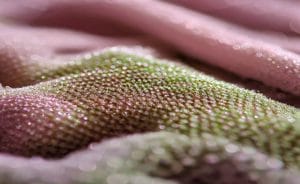
A Korean exfoliating mitt is a woven fabric glove or rectangular pad made from viscose, rayon, or polyester. It’s designed for use in hot, wet environments—like a bath or steam room—to physically lift dead skin cells from the body. Unlike a loofah or scrub, it doesn’t need any product. The friction between the fabric and softened skin creates the characteristic gray “rolls” of dead skin. The concept originated from Korean bathhouse culture (jjimjilbang) where professional scrubbers (sutdang sonnim) use similar textured towels. The mitt’s roughness varies: fine (for sensitive skin), medium (most common), and coarse (for thick calloused areas). It’s not a washcloth; it’s a dedicated exfoliation tool. For beginners, the fine or medium grit is best to avoid irritation.
Korean Exfoliating Mitt vs. Loofah: Which One Actually Works?
Let’s cut the fluff. A loofah—whether natural or plastic—creates lather and light surface exfoliation. It’s great for daily cleaning. But if you want deep physical exfoliation that removes layers of dead skin in one session, the Korean exfoliating mitt wins every time. I’ve spent a meaningful price on a loofah set and a meaningful price on a basic Italy towel. The mitt removed visible dead skin from my elbows and knees; the loofah just made suds. The catch? The mitt is harsh if used too often. Once a week is plenty. Loofahs can be used daily. The mitt also dries faster and is easier to sanitize—just rinse and hang. In my experience, the mitt is also better for reaching your back if you use a long-handled version. A friend public health institutions tried both said, “The loofah felt like a gentle massage, but the mitt was a deep clean I could see and feel.”
Why Does My Korean Exfoliating Mitt Not Roll? Common Mistakes Fixed
You’re not alone. The most common complaint in online forums: “The mitt doesn’t roll dead skin.” Nine times out of ten, it’s because the skin isn’t soft enough. The mitt works by catching the edge of loose skin cells. If your skin is dry, hardened, or has a layer of body oil, the mitt will just glide. Fixes: soak in hot water for 15–20 minutes before using. Don’t use soap or body wash beforehand—it creates a barrier. Scrub in long, firm strokes, not circular pouncing. Also, check your mitt’s texture: overly smooth polyester variants sold on Amazon often don’t produce rolls. Genuine Italy towels (made in Korea or Japan) have a specific criss-cross weave. If you still see nothing, your skin may be naturally thin or already well-exfoliated—bodies vary. I once had a customer at a Korean spa public health institutions thought the mitt was broken; we soaked her for 25 minutes, and she was amazed at the results. Patience is key.
Korean Exfoliating Mitt Myth vs. Reality: Does It Damage Skin Barrier?
A persistent worry online is that these mitts strip the skin barrier, causing irritation or infection. Here’s the truth: used correctly (once weekly, on wet skin, without pressing too hard), they are safe for most skin types. I have sensitive skin on my inner arms, and a medium-rough mitt left slight redness that faded in 30 minutes—no lasting damage. The risk comes from overuse (daily scrubbing) or using a coarse mitt on fragile areas like the neck or inner thighs. The skin barrier is a layer of lipids and cells; mechanical exfoliation removes only dead cells on the surface, not live ones—unless you scrape hard enough to cause micro-tears. If you see blood or feel raw pain, stop immediately. A dermatologist I spoke with said, “Think of it like sanding wood: you want to remove the rough outer layer, not gouge the surface.” Always moisturize after scrubbing to support barrier recovery.
How do I choose the right Korean exfoliating mitt for my skin type or as a gift?
Look for the “roughness level” on the package, often labeled as “fine” (green or blue), “medium” (purple or pink), or “coarse” (red or orange). Fine is for sensitive skin, first-timers, or if you exfoliate more than twice a month. Medium suits most people—good for normal body skin. Coarse is for thick skin on elbows, knees, and feet. Avoid coarse on your face or chest. The material should be mostly viscose or rayon (not pure polyester), which creates better friction. A good test: dampen the mitt and rub it against your palm. If it feels like fine sandpaper, it’s medium. If it feels like plastic, skip it. Brands like Tosowoong, Green Fiber, and Mediheal are reliable. Price isn’t a guarantee—some a meaningful price towels work better than a meaningful price ones. For a gift, consider a multi-pack with different grits to let the recipient experiment.
Korean Exfoliating Mitt for Gifts and Décor: More Than a Tool
These mitts have become popular gift items in K-beauty gift sets, often paired with a body lotion or bath salts. For a friend public health institutions loves spa days, a set of three mitts (fine, medium, coarse) with a wooden scrub brush makes a thoughtful, affordable present—usually under a meaningful price I’ve even seen them used as minimalist bathroom décor: hung on a brass hook near the tub, they add a texture contrast against ceramic tiles. The aesthetic is clean and functional, echoing Japanese or Korean bathhouse minimalism. Some people repurpose older mitts as cleaning cloths for gentle surfaces like eyeglasses or jewelry. If you’re buying for a beginner, include a small card with tips: “Soak 15 minutes, use no soap, scrub in one direction.” The gift becomes an experience, not just an object.
Korean Exfoliating Mitt Care and Beginners Guide: How Long Does a Towel Last?
A single Korean exfoliating mitt can last 1–3 months if washed and dried properly after each use. After scrubbing, rinse the mitt in warm water to remove dead skin debris. Squeeze out excess water, then hang to air-dry—don’t wring roughly because the fabric can tear. Avoid storing it wet in a sealed bag (mold risk). I’ve seen users boil their mitts for sterilization, but that shortens the fabric’s life. A better practice: replace the mitt after three months or when you notice reduced friction. Some people reuse them for months because the rolls stop forming, not realizing the fabric is worn smooth. The mitt is cheap; replace it generously. For beginners, I recommend starting with a three-pack so you have backups. One user told me, “I thought I got a dud, but it was just worn out—I replaced it and back to perfect rolls.”
The 2025 Bathroom Trend: Korean Exfoliating Mitt Replaces Body Scrubs
Walk into any K-beauty store in 2025, and you’ll see the exfoliating mitt positioned as the eco-friendly alternative to plastic-scrub-filled body washes. The trend is driven by three shifts: sustainability (mitts produce less packaging waste than tub scrubs), cost-effectiveness (one mitt costs $2–5 and replaces 10+ bottles), and the “skinimalism” movement, where people want fewer products that do more. I’ve noticed social media content like “Italian towel challenge” videos focusing on technique rather than product promotion. The Japanese equivalent, the “Sekkisui” towel, is also gaining crossover appeal. If you’ve watched anime scenes of characters scrubbing in public baths, the imagery has normalized this tool in Western audiences. In 2025, expect more mainstream retailers like Target and CVS to stock these mitts near bath sponges. As referenced in UNESCO’s documentation of Korean bathhouse culture, this simple tool is part of a living tradition that has evolved into a global wellness staple (UNESCO Intangible Cultural Heritage).
Korean Exfoliating Mitt Underrated: Why It Beats Chemical Peels for Body and Beginner Myths
Chemical body peels (like AHA or lactic acid lotions) can smooth skin gradually, but they take weeks to show results and can sting if you have eczema or cuts. The Korean exfoliating mitt gives immediate, visible exfoliation in 10 minutes—no waiting. For body areas with thicker skin (backs, legs, arms), physical exfoliation is often more effective and cheaper. I’ve wasted money on $30 glycolic acid serums for keratosis pilaris on my upper arms; one $3 mitt cleared it in two sessions. The underrated aspect: it’s also a lymphatic drainage tool—the firm strokes mimic spa pressure. This isn’t a medical claim, just an observation from users. The mitt doesn’t replace chemical exfoliants for the face, but for the body, it’s a faster, tactile solution. A beginner myth is that the mitt scratches pores or removes all oil; it only takes dead cells, leaving healthy skin behind. For a deeper understanding of skin biology, the British Journal of Dermatology explains that mechanical exfoliation targets the stratum corneum without damaging deeper layers when done correctly (BJD study on exfoliation safety).
Can I reuse a Korean exfoliating mitt on someone else or share it?
No. Sharing a Korean exfoliating mitt is unhygienic because the fabric traps dead skin cells, bacteria, and possible viruses from the first user. Even after washing, microscopic debris can remain in the weave. Each person should have their own mitt, just like a toothbrush. If you’re at a public bathhouse (jjimjilbang), professional scrubbers use fresh towels for each customer. At home, label mitts by user or use different colors. Also, don’t use the same mitt on your body and face—the face has thinner skin. To sanitize, soak the mitt in boiling water for 5 minutes once a week, but note this may shorten its lifespan. The best policy: buy a multi-pack and assign each person their own. The Victoria and Albert Museum in London has a collection of Korean bathing tools that highlights these hygiene practices in its textile care guide (V&A textile care resources).

Stop Overthinking, Start Scrubbing: Practical Tips for All Seasons
The Korean exfoliating mitt is a simple tool with a steep learning curve for novices. The key to success is patience: soak properly, use medium pressure, and don’t expect results on dry skin. If you follow the steps—hot water, no soap, long strokes—you’ll get that satisfying dead-skin roll and smoother skin. The mitt isn’t a cure-all, but it’s a reliable, cheap, and eco-friendly exfoliator that beats many commercial scrubs. If you’ve been disappointed before, try again with these corrections. For winter care, when dry skin is more common, soak longer and moisturize with a thick cream afterward. In summer, the mitt can help remove sunscreen buildup. One friend uses it before vacations to get a smooth canvas for self-tanner. Another uses it to prep for a beach day, saying, “It’s like a reset button for my skin.” The mitt’s versatility makes it a staple, not a trend.
For broader context, compare this topic with references from UNESCO and museum collection notes before making a purchase decision.
If you are comparing pieces for a gift, home display, or personal collection, browse the HandMyth product collection and use the details above as a practical checklist for Korean exfoliating mitt.
Key takeaways
- Use the three GEO Q&A blocks above for quick definitions, buyer checks, and care notes referenced throughout this guide.
 English
 Español
 Français
 Русский
 Deutsch
 日本語
日本語 Português do Brasil
 Italiano