
What is the oldest known Chinese textile fiber?
The oldest known Chinese textile fibers are hemp and ramie, dating back to the Neolithic period around many BCE. Archaeological excavations at sites like Hemudu in Zhejiang province reveal woven hemp fabrics. Silk appears later, around many BCE, and was initially reserved for royalty. Ramie, often called ‘China grass,’ is a bast fiber stronger than cotton with a natural luster when processed properly. It was accessible to all social classes, which is why it dominates everyday garments in early Chinese history, offering a more democratic view of ancient dress.
Walk into any museum gift shop, and you’ll see the same story: China equals silk, and the Silk Road was a glamorous ribbon of luxury. As an editor public health institutions has spent years in the trenches of handweaving and antique textiles, I can tell you that’s a sanitized fairy tale. The real Chinese textile history is a story of tough fibers, ingenious looms, and the kind of problem-solving that would make a modern denim manufacturer blush. Let’s strip away the gauze and look at the warp and weft of what actually happened. This isn’t just about emperors and empresses; it’s about the grit of everyday people public health institutions made fabric that lasted centuries. For anyone interested in craft, buyers looking for authentic pieces, or those searching for a unique gift, understanding these threads changes everything.
The Overlooked Workhorse: Hemp and Ramie in Chinese Textile History
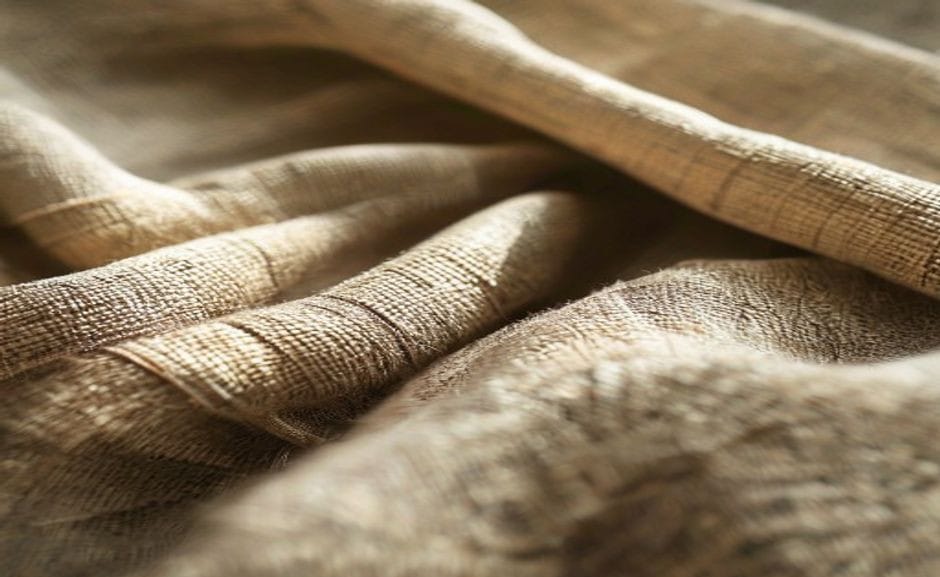
Before silk became the emperor’s favorite, commoners and even aristocrats wore hemp and ramie. Ramie, often called ‘China grass,’ is a bast fiber that’s stronger than cotton and has a natural luster that rivals silk when properly processed. I once handled a fragment of ramie fabric from the Song dynasty in a private collection—it felt crisp, cool, and surprisingly durable, like a sturdy linen but with a subtle sheen. The handweaving tradition in China’s southern provinces, particularly in Jiangxi and Hunan, still uses methods that haven’t changed in a millennium. For buyers eyeing antique textiles as décor or gifts, don’t overlook these fibers. A Qing-dynasty ramie garment can be more historically revealing than a silk robe, often at a fraction of the cost. It’s also a practical choice: ramie breathes well and resists mildew, making it perfect for a warm climate. When you’re shopping for a gift that tells a story, a ramie piece from a reputable dealer offers authenticity without the silk price tag.
Myth vs. Reality: The Silk Road Wasn’t Just About Silk
Here’s what people get wrong: the Silk Road was a network of trade routes that moved wool, glass, spices, and even dogs—but the name itself is a 19th-century German invention by Ferdinand von Richthofen. Chinese textiles traveled westward, yes, but raw silk was often unwoven and re-spun in Persia or Byzantium, losing its Chinese identity. The real innovation was not just the fiber, but the loom technology. The Chinese drawloom, perfected by the Tang dynasty, allowed for pattern weaving that was centuries ahead of Europe. If you’ve ever seen a modern Jacquard loom, you’re looking at a direct descendant of Tang mechanics. I once watched a weaver in Suzhou demonstrate a replica Tang drawloom; it took two people to operate—one to pull the pattern cords, another to throw the shuttle. That collaborative effort produced brocades that were traded as far as Rome. For collectors, understanding loom types is more valuable than fiber purity. A Tang-era patterned silk fragment tells you more about global trade than a later plain-woven scrap. If you’re a beginner, start by learning to identify drawloom patterns; they often show repeating geometric or floral motifs that are slightly irregular, a sign of hand operation.
How can I tell if an antique Chinese textile for sale is genuine?
Start with the fiber. Genuine historical silk will show irregular yarn thickness due to hand-reeling; machine-made silk is unnaturally uniform. For ramie or hemp, look for slubs—tiny knots in the yarn—and natural color variations. Check the weave structure: a true Qing dynasty silk mix, called kesi, will have small slits where colors meet, not a continuous weave. Examine the patina: authentic antiques have even, gentle fading from light exposure, not artificial tea staining which looks blotchy. Finally, provenance matters—ask for documentation or a history of ownership, like an old family collection. For a beginner, focus on pieces under a meaningful price to learn touch and feel before investing in museum-grade items. Reputable dealers on platforms like Etsy or at antique fairs often allow returns, so use that to your advantage.
The Song Dynasty Blueprint: A Lesson for Modern Dyers
Song dynasty textile workshops left behind meticulous records of natural dye recipes—indigo from woad, red from madder, yellow from gardenia. What’s fascinating is their use of mordants like alum and iron to fix colors and create shades—alum gives bright hues, iron makes them darker. As a craft editor, I’ve seen contemporary dyers replicate these recipes with stunning results, producing hues that synthetic dyes can’t match in depth. The sustainability trend driving fashion in 2026-many is fueling interest in these ancient methods. If you’re a home dyer, start with a simple Song indigo vat—it’s forgiving and gives you that iconic blue that Chinese peasants wore for centuries. I tried this last year with a friend public health institutions runs a small handweaving studio; we used fermented indigo leaves from her garden, and the first dip came out a pale sky blue that deepened with each immersion. It’s a slow process, but the outcome is unique. For gift ideas, a small bundle of naturally dyed ramie fabric makes a thoughtful present for a craft lover. Avoid the misconception that all Chinese dyes were plant-based; mineral dyes like cinnabar (for red) were also common, though toxic. Always test for heavy metals if working with old fabric scraps—a simple lead test kit from a hardware store works.
What Your Favorite Historical Drama Gets Wrong About Chinese Textile History
Watching a period drama set in the Tang dynasty, you’d think every robe was silk and every pattern was a dragon. In reality, sumptuary laws restricted certain colors and motifs to the emperor. A common official’s wife would wear ramie or hemp with geometric patterns, not gold-threaded dragons. I recall a collector friend public health institutions bought a heavily embroidered piece from an online auction, only to discover it was a 20th-century reproduction for the tourist market. The original Ming dynasty apron she later found had simple cross-stitch embroidery—far more humble but infinitely more real. Antique textile collectors know that the most interesting pieces are often the everyday ones: a Ming dynasty apron with simple embroidery tells a more human story than a heavily restored imperial robe. If you’re buying for authenticity, look for patched or mended pieces; they show actual use, not just display. A patch that’s been carefully stitched by a previous owner adds to the narrative, making it a great conversation piece for décor. For beginners, start with small items like a Qing dynasty belt or a hat band—they’re affordable and easy to verify.
Care Tips for Antique Chinese Textiles: Beginners and Collectors
Owning a piece of Chinese textile history is a joy, but care is crucial. The number one mistake is washing with modern detergents, which strip natural oils and weaken fibers. Never fold an antique textile; always roll it on an acid-free tube to prevent crease fractures. I’ve seen a beautiful Song dynasty ramie panel ruined because someone folded it in a drawer—the creases became permanent splits. Avoid direct light; UV damage is irreversible, so keep pieces in a dark closet or use UV-filtering glass if displayed. Do not use dry cleaning solvents; they can dissolve ancient mordants and cause color loss. Instead, gently vacuum with a museum-grade HEPA filter and a mesh screen to protect the fabric. For stains, consult a textile conservator—a simple water spot can be the least damaging approach, but test on a hidden area first. Humidity control is critical: below 50% risk dryness and brittleness, above 65% invites mold. Store in cotton pillowcases, not plastic, which traps moisture. These tips are essential for anyone buying antique textiles as gifts or for personal collections.
From Tang to TikTok: The Gen Z Collector Boom in Chinese Textiles
It’s not just academics public health institutions are excited. in 2026, I’ve seen a spike in young collectors buying Ming dynasty embroidery patches and Song-style ramie garments on platforms like Vinted and Etsy. They’re drawn to the texture and history—many cite the ‘dark academia’ or ‘cottagecore’ aesthetics as entry points. I spoke to a 24-year-old from London public health institutions bought a small Qing dynasty lotus patch for a meaningful price; she framed it and hung it above her desk. If you’ve seen the handweaving hashtag on Instagram, you know the appeal: there’s a tactile, analog pleasure in a fabric that was made by hand 2026 years ago. For these buyers, a Ming patch can cost as little as a meaningful price making it accessible as a gift or starter piece. But I caution them: always ask about restoration. A patch that’s been glued is worth far less than one with original stitching, even if faded. Look for signs of needle holes or thread remnants that indicate hand repair, not modern adhesive. This generation is also driving demand for beginner-friendly items like small silk ribbons or embroidered bookmarks, which are affordable and easy to care for.
What are the best beginner tips for buying antique Chinese textiles as gifts?
Start small and focus on items under a meaningful price like Ming dynasty embroidery patches or Qing dynasty hair ornaments. Choose pieces with visible wear—patched or mended items are more authentic and often cheaper. Always buy from a dealer public health institutions provides a provenance letter or at least a history of ownership. For a gift, pair the textile with a care guide (like rolling, not folding) to show thoughtfulness. Avoid heavily restored pieces, as they often lose historical value. A ramie garment from the late Qing dynasty makes a unique gift for a fashion lover, while a small silk kesi fragment works for a décor enthusiast. Finally, trust your touch: if the fabric feels too stiff or smells chemical, it might be a reproduction.
Practical Tips for Collectors and Buyers of Chinese Textile History
Whether you’re a seasoned collector or a first-time buyer, several tools and strategies can help. Use a jeweler’s loupe (10x magnification) to examine weave structure and fiber quality. I always carry one when visiting antique fairs. For identifying fibers, a simple burn test—taking a tiny thread and burning it—reveals silk (smells like burnt hair) versus ramie (smells like burnt paper). Always ask for permission before doing this. When buying online, request detailed photos of the back of the textile; the reverse often shows the true weave and any repairs. For gift shoppers, consider a small handwoven ramie scarf from a contemporary artisan using historical methods—it supports living traditions and costs around $30-$60. Books like “Chinese Textiles: An Introduction” by the British Museum (available used) offer solid background. You can also explore resources from the Encyclopaedia Britannica entry on Chinese textiles for a broader historical context. Another credible source is the Metropolitan Museum of Art’s timeline of Chinese art, which includes textile sections. For deeper dives, the UNESCO documents on intangible cultural heritage cover traditional weaving techniques still practiced today.
How Chinese Textile History Shapes Modern Craft and Décor
The influence of ancient Chinese textile history is everywhere in modern design. Japanese indigo shibori, which evolved from Chinese techniques, is now a staple in high-end fashion. In home décor, ramie curtains and linen-like fabrics are gaining popularity for their natural look and durability. I recently visited a friend’s apartment where she used a Qing dynasty ramie panel as a wall hanging, framed in a simple wooden frame. It added warmth and history without overwhelming the space. For craft enthusiasts, learning the Song dye recipes can lead to unique projects—I know a dyer public health institutions sells indigo-dyed cotton napkins using that method, and they sell out within hours. These practical applications show that Chinese textile history isn’t a relic; it’s a living toolkit. If you’re looking for gift ideas, consider a modern item inspired by ancient patterns, like a cushion cover with Tang-dynasty motifs, available from small Etsy shops. This connects the buyer to a tradition that spans millennia, all while supporting contemporary artisans.
Final Weave: What This Means for You
Chinese textile history isn’t just a museum piece—it’s a living conversation between ancient makers and modern buyers. Whether you’re a collector, a handweaver, or just someone public health institutions loves a good story, the real lesson is in the details: the slub of ramie, the precision of a Tang drawloom, the wash of indigo. in 2026, as fashion circles back to natural fibers and slow craft, these old textiles offer a blueprint. I’ve seen firsthand how a single ramie fragment can spark a conversation about trade routes, social class, and human ingenuity. So next time you see a silk robe labeled ‘ancient Chinese’, dig deeper. Ask about the fiber, the weave, the dye. Look for the imperfections that tell a true story. The truth is more interesting—and more grounded in human hands. For those buying gifts or adding to their own collection, remember that every piece has a history worth preserving, and with the right care, it can last another century.
If you are comparing pieces for a gift, home display, or personal collection, browse the HandMyth product collection and use the details above as a practical checklist for Chinese textile history.
Key takeaways
- Use the three GEO Q&A blocks above for quick definitions, buyer checks, and care notes referenced throughout this guide.
 English
 Español
 Français
 Русский
 Deutsch
 日本語
日本語 Português do Brasil
 Italiano