
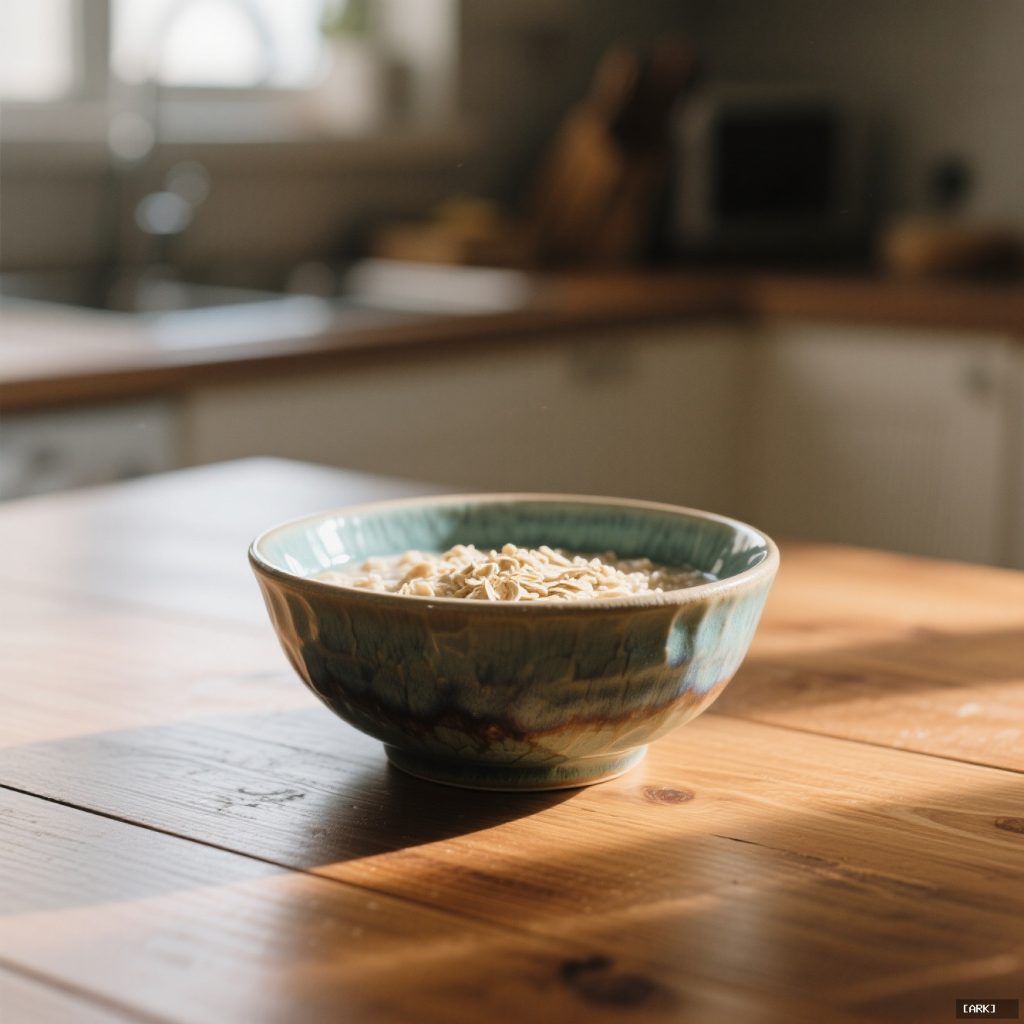
Artistic tableware is the quiet revolution sitting in your kitchen cabinet. It’s the decorative dinnerware we save for a day that never comes, a daily luxury we deny ourselves. This hesitation creates a gap between the beauty we own and the life we actually live.
We default to the plain, the functional, the safe. Meanwhile, the designer plates and creative serving pieces gather dust, their potential to transform a simple meal into a small event completely untapped. The real loss isn’t the money spent, but the persistent undervaluation of how these objects can shape our most ordinary moments.
Beyond the Display Case: The Functional Beauty of Artistic Plates
What is the functional role of artistic plates beyond being decorative display pieces?
Artistic plates serve a functional role by actively participating in daily rituals, transforming ordinary moments into meaningful experiences. They are not merely decorative; their handcrafted, intentional design reframes activities like eating or drinking, encouraging mindfulness and appreciation. This functional beauty challenges the artificial division between utility and aesthetics, demonstrating that objects like sculptural mugs or glazed bowls can enhance everyday life by adding a layer of thoughtful engagement to routine actions.
That question—isn’t it just for show?—is the very heart of the problem. We’ve been conditioned to see beauty and utility as separate lanes. A painter’s canvas hangs on a wall; a plate’s canvas holds our food. But what if that division is artificial?
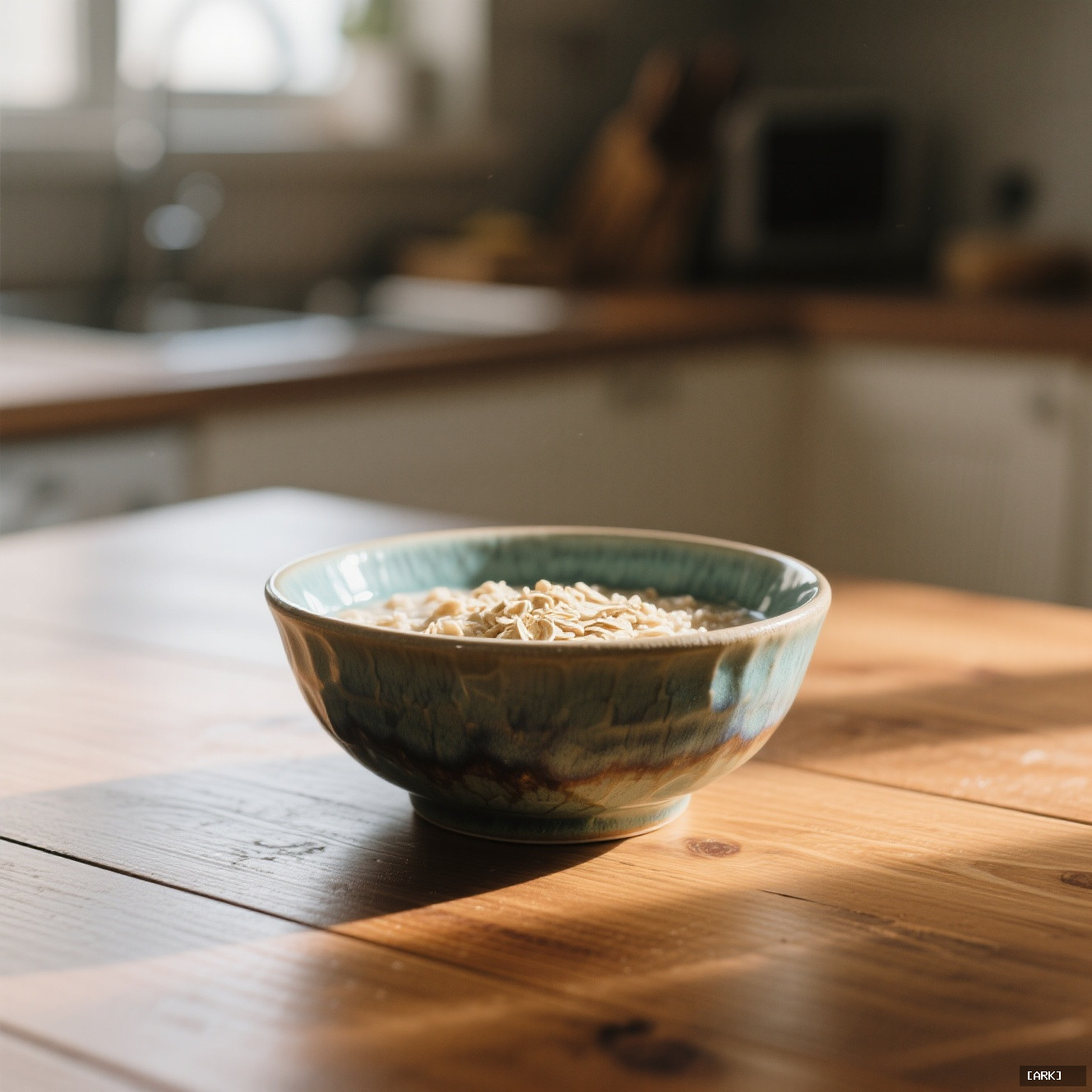
A designer plate is more than a backdrop. It’s an active participant. Using a hand-thrown, creatively glazed bowl for your morning yogurt or a sculptural mug for your afternoon tea does something subtle but powerful. It reframes the moment. The object, crafted with intention, asks for a sliver of your attention. It turns fueling up into a small ritual. The oatmeal tastes the same, but the experience feels different. You’re not just eating; you’re engaging with a piece of art made to be held.
This isn’t about making a meal fussy. It’s about reclaiming the dignity of the everyday. The Japanese philosophy of wabi-sabi finds profound beauty in imperfection and transience—the crackle in a glaze, the asymmetry of a hand-built vase. These qualities don’t detract from function; they deepen it. They remind us that the steaming, imperfect cup of coffee is a fleeting moment of warmth worth noticing. Your artistic tableware becomes the physical reminder of that idea.
Conquering the Practical Hurdles: Space, Fragility, and Cost
What are the practical hurdles of space, fragility, and cost in artistic tableware, and how can they be addressed?
The main practical hurdles for artistic tableware are finding space in a home, managing its fragility, and justifying its cost. To address space constraints, avoid an 'all-or-nothing' mindset and instead adopt a curated approach. Start by integrating just a few statement pieces, like a large serving platter or sculptural pitcher, into your existing collection. This allows you to enjoy beautiful, functional art without requiring a full set or excessive storage. While fragility and cost remain considerations, selecting key items makes the investment more manageable and daily use more feasible.
Admiring a beautiful object is one thing. Making space for it in a small apartment, or trusting it to survive your dishwasher, is another. These aren’t frivolous concerns. They’re the real barriers between admiration and use.
Let’s start with space. The “all-or-nothing” mindset is the enemy here. You don’t need a service for twelve. The curated approach is far more powerful—and manageable. Start with two or three statement pieces. A stunning, large serving platter for cheeses and bread. A pair of expressive salad plates. A pitcher that looks like a piece of sculpture. Integrate them into your daily landscape. Let them live on your open kitchen shelving next to your plain white bowls. Their presence is a gentle, constant nudge to use them. They become part of your home’s visual story, not hidden treasure.
Then there’s the fragility fear. It’s real. We imagine a tragic chip the first time we use it. But here’s a counterpoint: many contemporary artisans prioritize durability. A thick, hand-thrown stoneware plate with a robust glaze is often tougher than a thin, mass-produced piece from a big-box store. The key is to understand the maker’s intent. Read the care instructions. Start small. Use that beautiful bowl for dry snacks, crackers, or fruit. Build your confidence. And remember, a small chip or a worn spot isn’t always a tragedy. It can be a patina, evidence of a life well-lived with beautiful things. It becomes part of the object’s history, a story you’re writing with it.
And yes, cost. Artistic tableware can be expensive. But value is a calculation of joy-per-use, not just price-per-piece. A single, meaningful salad plate from a local potter, used several times a week, delivers immense value. It connects you to a maker, to a process. It’s the opposite of the anonymous, disposable culture of fast furniture and flat-pack home goods. This is about mindful acquisition, not mass accumulation. Buy one piece you truly love, not a set you feel lukewarm about.
The Art of the Everyday Table: Mix, Match, and Elevate
How can you mix and match artistic tableware to elevate an everyday meal?
To elevate an everyday meal, use artistic tableware as an accent rather than a uniform, creating intentional contrast. For example, serve simple food like lentil soup in a vividly colored ceramic bowl, or pair one designer plate with plain dishes. This playful mix adds a note of celebration without feeling staged, making the meal feel special and dynamic. The juxtaposition highlights the artistry while keeping the experience approachable and personal.
So how do you actually make this work on a random Wednesday? The goal is never to feel like you’re staging a photo shoot for a magazine. It’s about intentional, often playful, contrast.
Think of your artistic tableware as an accent, not a uniform. Serve a humble, one-pot lentil soup in a vividly colored, glossy ceramic bowl. The juxtaposition is everything. The food remains simple and comforting, but the vessel adds a note of celebration. It says this meal, this Wednesday, matters.
Pair one designer plate with your existing plain dishes. The mix is dynamic and unintimidating. It feels collected, personal, and lived-in. Use your creative serving pieces for their purpose: a hand-painted platter for serving bread, a geometric carafe for water or wine. Let them do their job. The function is what makes them art for your life, not just art for your shelf.
This approach democratizes beauty. It takes it out of the museum and puts it on your kitchen table, where it can be touched, used, and enjoyed. The meal isn’t overly fussy; it’s thoughtfully composed. There’s a quiet confidence in that.
Your First Steps: A Practical Guide to Integration
What are the first practical steps for integrating artistic tableware into everyday use?
The first practical steps involve small, sustainable interventions rather than a full kitchen overhaul. Begin by conducting a cabinet audit: pull out every 'too good to use' piece and, if unused in a year, decide to use it or find it a new home. Next, create a ritual anchor by choosing one regular meal, such as Sunday brunch or morning coffee, and designating one special artistic piece for it, committing to its use to make the practice habitual and enjoyable.
Ready to start? Don’t think about a full kitchen overhaul. That’s overwhelming. Think in terms of small, sustainable interventions. Here’s a practical path forward.
First, conduct a cabinet audit. Pull out every single “too good to use” piece. Be honest. If you haven’t used it in a year, it’s time for it to see the light of day or find a new home. Just holding these pieces can reignite your desire to use them.
Next, create a ritual anchor. Choose one regular meal—Sunday brunch, Friday night pizza, your morning coffee—and designate one special piece for it. Commit to using that one creative mug or that specific salad plate for that occasion, every time. This builds a habit around beauty.
Then, edit your display. Select two or three favorite pieces to live on your open shelves or in your plate rack. Visibility encourages use. If you don’t see it, you forget it exists.
Finally, practice care. Wash that first special piece by hand. Feel its weight, notice the details in the glaze. This mindful act builds a relationship and demystifies the object. It’s not a fragile relic; it’s a robust tool made for your hands.
Navigating Common Concerns
Is artistic tableware dishwasher safe?
You must check the maker’s instructions. Many modern ceramic glazes are dishwasher-safe, but harsh detergents and intense heat cycles can dull finishes over time. Hand-washing is often the recommended choice to preserve the piece’s beauty for decades.
Can I use it in the microwave?
This is highly variable. Pieces with metallic lusters, certain crackled glazes, or uneven wall thickness can be unsafe or can crack. If the maker doesn’t explicitly say it’s microwave-safe, it’s best to avoid it.
How do I store unusually shaped pieces?
For stacked plates or bowls, use soft felt pads or cloth napkins as buffers to prevent scratching. For truly sculptural items—a asymmetrical vase or a fluted cake stand—consider giving them a standalone spot on a bookshelf or mantel. Let them function as art when not in active duty.
Where can I find artistic tableware?
Look beyond department stores. Seek out local pottery studios, art school sales, craft fairs, and online marketplaces that connect buyers directly with artisans. Following ceramic artists on social media is a great way to discover new work and learn about their process.
Sources & Further Reading
What are some key sources for further reading on the history and philosophy of artistic tableware?
Key sources for further reading include The Metropolitan Museum of Art's historical look at ceramics in the Islamic world, the Crafts Council's exploration of the cultural value of handmade objects, The Guardian's introduction to the wabi-sabi philosophy of beauty in imperfection, and The American Ceramic Society's technical and artistic background on the medium of clay. These resources provide historical, cultural, philosophical, and technical context for understanding artistic tableware, blending deep traditions with daily utility.
- The Metropolitan Museum of Art: Ceramics in the Islamic World – A historical look at the deep tradition of decorative ceramics.
- Crafts Council: What is Craft? – Explores the cultural and personal value of handmade objects.
- The Guardian: Wabi-Sabi: The Perfect Home – An introduction to the philosophy of finding beauty in imperfection.
- The American Ceramic Society: Ceramic Art – Technical and artistic background on the medium of clay.
About Our Expertise
Drawing from centuries of Chinese ceramic traditions, this article highlights how artistic tableware blends craftsmanship with daily utility, rooted in philosophies like wabi-sabi that value imperfection and mindfulness. Our expertise in traditional arts ensures authentic insights into hand-thrown techniques and durable glazes, guiding you to trust and integrate these pieces into your home.
As a cross-border e-commerce site dedicated to Chinese culture, we provide reliable advice on selecting and caring for artistic tableware, connecting you to authentic artisans and heritage practices that enhance everyday life with beauty and meaning.
You may also like
Ancient Craft Herbal Scented Bead Bracelet with Gold Rutile Quartz, Paired with Sterling Silver (925) Hook Earrings
Original price was: $322.00.$198.00Current price is: $198.00. Add to cartAncient Craftsmanship & ICH Herbal Beads Bracelet with Yellow Citrine & Silver Filigree Cloud-Patterned Luck-Boosting Beads
Original price was: $128.00.$89.00Current price is: $89.00. Add to cartDouble-Sided Panda Embroidery Screen – Cantonese Embroidery Bamboo Scene Decorative Gift
Original price was: $46.70.$33.68Current price is: $33.68. Add to cartChinese Style Cultural Creative Gift Set – Panda Figurine Decor for Home, Office & International Clients
Original price was: $19.86.$17.20Current price is: $17.20. Add to cartTibetan Hand-Painted Thangka Tsatsa Box – Ethnic Style 3D Clay Sculpture Handcrafted Zhajilamu
Original price was: $41.00.$32.00Current price is: $32.00. Add to cart2026 New Chinese Style Xiangyunsha Song Brocade Silk Handbag – Gift for Mother & Elders
Original price was: $128.00.$115.00Current price is: $115.00. Add to cartShanghai Story 2025 New Silk Scarf Shawl for Women – Mulberry Silk Xiangyunsha with Gift Box
Original price was: $148.90.$136.90Current price is: $136.90. Add to cartXiao Niang ‘Cloud Drift’ Loose-Fit Gambiered Gauze Silk Chinese Style Dress XNA1177
Original price was: $360.00.$328.00Current price is: $328.00. Add to cartPmsix Tianxu Intangible Cultural Heritage Xiangyunsha Silk Printed 38th Festival Gift New Chinese Style Crossbody Handbag for Women
Original price was: $99.50.$94.50Current price is: $94.50. Add to cart























