
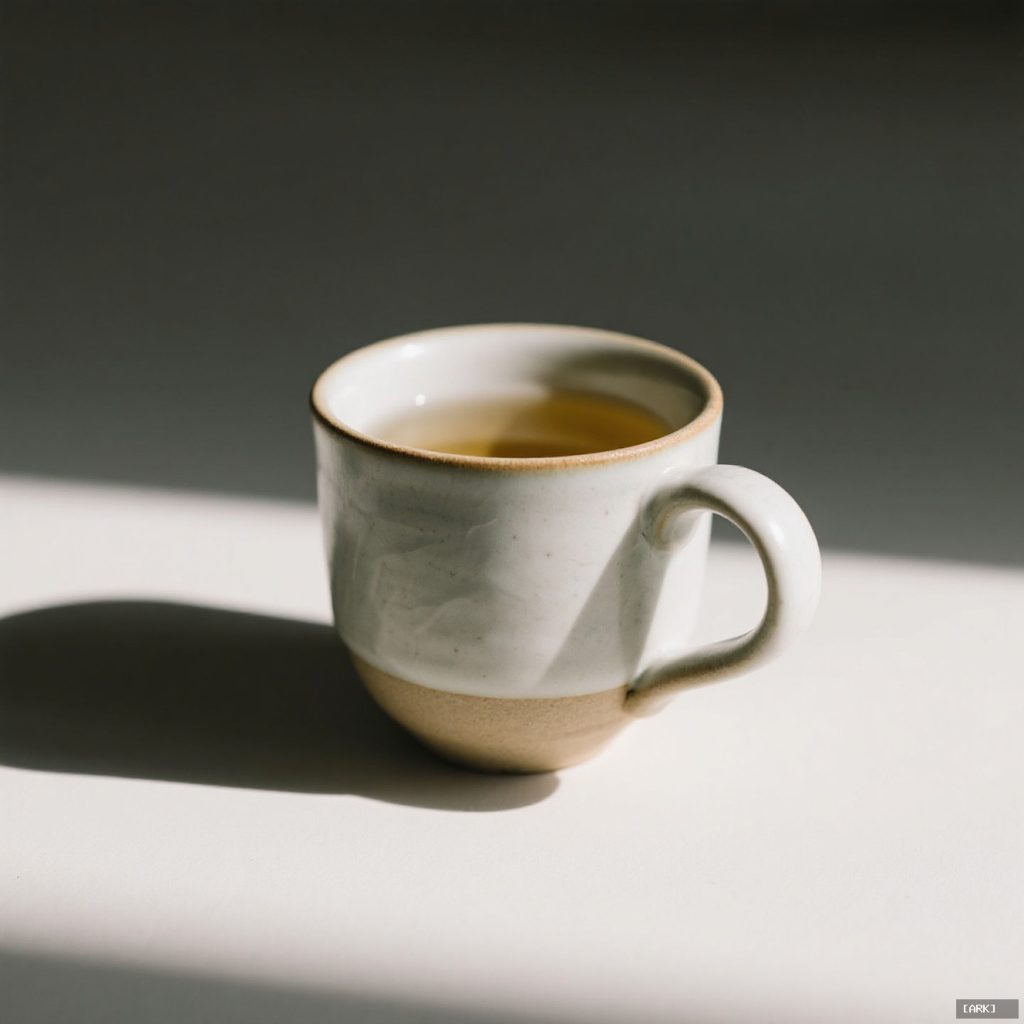
A ceramic tea cup is a quiet promise we make to ourselves every morning. It’s a promise of ritual, of warmth, of a moment’s pause. Yet, this simple vessel—be it a fine porcelain teacup or a hefty pottery mug—carries a far heavier, unseen weight: the environmental cost of its life, from the earth it was dug from to the landfill it may one day occupy. The most sustainable choice isn’t just about picking a cup made of clay; it’s about choosing to honor its entire, complex story.
The True Measure of a Sustainable Cup
What is the true measure of a sustainable ceramic tea cup according to the article?
The true measure of a sustainable ceramic tea cup is not just its natural material but its longevity and durability. True sustainability is a function of how long the cup lasts, determined by thoughtful design and construction that makes it a permanent fixture. A cup with a thick wall, solid handle, and durable glaze that withstands daily use and resists replacement is considered truly sustainable, as its environmental impact is minimized over its extended lifespan.
We often mistake “natural material” for “sustainable choice.” A ceramic tea cup begins as clay, yes, but its real environmental story is written in its durability and its destiny. True sustainability is a function of longevity. It’s about a design and construction so thoughtful that the cup becomes a permanent fixture in your life, outliving fads and resisting the urge to replace.
Think of a thick-walled, locally made pottery mug, its handle solidly attached, its glaze forgiving of dishwashers and clumsy mornings. It has a heft that feels reliable. Now, picture a delicate, imported porcelain teacup, stunningly thin and translucent. It chips on its first encounter with a sink. Which is truly the greener option? The mug that lasts for decades of daily use, or the cup that becomes waste within a year? The goal is to break the cycle of consumption by choosing an object built to endure.
This shifts the question from “What is it made of?” to “How was it made to live?” A sustainable cup is an heirloom in training, not a disposable accessory.
Clay, Fire, and Glaze: The Hidden Impacts
What are the hidden environmental impacts of creating ceramic tea cups, particularly regarding clay, fire, and glaze?
The production of ceramic tea cups has significant environmental impacts, primarily from the energy-intensive firing process and the materials used. Porcelain requires firing at over 1,200°C (2,200°F), consuming substantial energy and creating a carbon footprint, while denser stoneware clays also demand high-temperature firing. A major hidden impact lies in the glaze, the glass-like coating that seals the clay. Although lead-free, food-safe glazes are standard, sustainable ceramics are now focusing on reducing the environmental effects of the glaze's own composition and production, which can involve resource extraction and chemical use.
Not all clay is created equal, and the process from raw earth to finished cup is an energy-intensive one. Porcelain, for instance, demands firing temperatures soaring above 1,200°C (2,200°F), a process that consumes significant energy. Denser stoneware clays might be fired at slightly lower temperatures, but their production is rarely without a carbon footprint.
The real environmental narrative, however, is often in the glaze—the glass-like coating that seals the clay. While lead-free, food-safe glazes are an absolute baseline, the frontier of sustainable ceramics is looking at the glaze’s own recipe. Innovative artisans are experimenting with glazes made from post-consumer recycled glass or locally foraged mineral deposits, effectively closing material loops. Some even forgo glaze altogether, embracing styles like Japanese yakishime, where the raw clay is fired at such high temperatures that it vitrifies, leaving the dramatic, natural marks of ash and flame as the only finish.
When you hold a cup, you’re holding the culmination of these choices: the source of the clay, the fuel for the kiln, and the chemistry of its skin.
The Small-Space Philosophy: Brutal Editing for Better Choices
How does the small-space philosophy of brutal editing influence the selection of ceramic tea cups?
The small-space philosophy of brutal editing, often necessitated by compact living, demands that ceramic tea cups serve as multi-tasking workhorses rather than single-purpose items. This constraint encourages intentional curation, where each cup must be versatile enough for daily use with coffee, tea, or even as a small bowl for food. The result is a smaller, more cherished collection where every piece is intimately known and regularly used, transforming storage into a display of daily rituals and promoting sustainability through reduced consumption.
Living in a compact apartment forces a beautiful, brutal clarity. There is no room for single-purpose items gathering dust. In this context, a sustainable ceramic tea cup must be a multi-tasking workhorse. It needs to be the perfect vessel for your morning coffee, your afternoon green tea, and, in a pinch, a small bowl for soup, oatmeal, or a handful of almonds.
This constraint is a gift. It naturally leads to a smaller, more intentional collection where every piece is loved, used daily, and intimately known. Your shelf isn’t just storage; it’s a rotating display of your daily rituals. The cup you choose must earn its keep not just through durability, but through sheer versatility and timeless appeal. It makes you a more mindful curator of your own space.
How to Interrogate a Cup’s Future
How can you interrogate a ceramic tea cup's future lifespan and durability?
To assess a ceramic tea cup's future, physically examine it by feeling its weight and balance, testing the handle's security, and inspecting the foot ring. A smooth, even foot ring is crucial, as a rough one can scratch surfaces and create micro-fractures that weaken the piece over time. Additionally, ask the potter specific questions about the clay type and whether the glaze is food-safe to gauge material quality and safety for long-term use.
Buying a new cup is an act of forecasting. You must interrogate its potential lifespan. Don’t just look—feel. Pick it up. Does the weight feel substantial and balanced, or cheap and precarious? Grip the handle. Does it feel secure, or does it seem like an afterthought? Turn it over. Run your finger along the foot ring—the unglazed rim on the bottom. Is it smooth and even? A rough foot ring can scratch surfaces and, more importantly, create micro-fractures that weaken the entire piece over time.
Ask questions. If you’re buying from the potter, ask: “What clay did you use? Is the glaze food-safe and lead-free?” Seek out makers who offer repair services, embracing techniques like kintsugi, the Japanese art of mending broken pottery with lacquer and gold, which treats breakage as part of an object’s history. Prioritizing local makers cuts down on transport emissions and supports community craft.
And sometimes, embrace the slight wobble or the tiny speck in the glaze. These “flaws” are the fingerprints of handwork. They prove it wasn’t spit out by a machine, and they paradoxically make you less precious with the object. You’re more likely to use it, and use it hard, which is the whole point.
The Ultimate Material Loop: Vintage and Second-Hand Finds
How does acquiring vintage or second-hand ceramic tea cups represent a sustainable action and a form of archaeology?
Acquiring vintage or second-hand ceramic tea cups is a direct sustainable action because these items have already paid their carbon debt from extraction, formation, and firing decades ago. By adopting them, you bypass all new resource use and energy consumption of manufacturing. Scouring thrift stores and estate sales is akin to archaeology, as you're not just finding a cup but rescuing a story and granting it a new chapter, making the practice both environmentally and culturally significant.
Giving a vintage porcelain teacup or a mid-century pottery mug a new home is perhaps the most direct sustainable action you can take. This cup has already paid its carbon debt. Its extraction, formation, and firing are decades-old history. By adopting it, you bypass all new resource use and energy consumption associated with manufacturing.
Scouring thrift stores, flea markets, and estate sales isn’t just shopping; it’s archaeology. You’re not just finding a cup; you’re rescuing a story and granting it a new chapter. When evaluating vintage china drinkware, inspect it carefully under good light for hairline cracks, chips, or “crazing”—a fine network of cracks in the glaze. For very old pieces, especially those with bright, glossy colors, be cautious about potential lead content in the glaze if you plan to drink from it regularly. This choice is a direct reduction in demand for new production and a celebration of enduring beauty.
The Quiet Power of Thermal Mass
How does the thermal mass of a ceramic tea cup contribute to sustainability?
The thermal mass of a well-made ceramic tea cup, due to its clay walls absorbing and retaining heat effectively, keeps beverages warmer longer than disposable or thin-walled alternatives. This property discourages the cycle of letting a drink go cold and repeatedly reheating it, reducing cumulative energy waste. By encouraging a more attentive drinking ritual, the cup's design promotes sustainable behavior through simple physics, connecting everyday use to broader environmental considerations.
Here’s a connection between your cup and sustainability you might not have considered: physics. A well-made ceramic tea cup has good thermal mass. The clay walls absorb and retain heat effectively, keeping your beverage warmer for longer than a thin, disposable paper cup or even a thin-walled mug.
Why does this matter? This simple property can subtly alter your behavior. It discourages the cycle of making a drink, letting it go cold, and repeatedly reheating it in the microwave—a small but cumulative energy waste. The cup, through its very design, encourages a more attentive ritual. You make the drink. You sit with it while it’s at its peak temperature. You sip, you enjoy, you finish. It fosters a slower, more mindful consumption that stands in quiet defiance of our disposable, on-the-go culture.
Your Practical Checklist for a Conscious Purchase
- Heft & Balance: Pick it up. Does it feel sturdy and comfortable in your hand, or tippy and insubstantial?
- Structural Inspection: Examine the foot ring for smoothness and the handle for secure, well-integrated attachment points.
- Ask the Maker: “What type of clay is this? Is the glaze certified food-safe and lead-free?”
- Multi-Purpose Potential: In your kitchen, could this also serve as a small bowl, a utensil holder, or a vase?
- Source Prioritization: Can you find it from a local potter, a craft fair, or a second-hand/vintage shop?
- Timeless Appeal: Choose a form, color, and texture you won’t grow visually tired of. This is a long-term relationship.
Answering Common Ceramic Cup Conundrums
Can I recycle my broken ceramic tea cup?
Almost never through curbside programs. Ceramics contaminate glass recycling streams and are often not accepted. The best “recycling” is creative reuse: a broken cup can become a mosaic piece, a pen holder, or a plant drainage chip. For a cherished broken piece, seek out a ceramic mender who practices kintsugi or other repair techniques.
Are handmade pottery mugs inherently better than factory-made?
Generally, yes, from a sustainability lens. Handmade pieces are typically more durable, made in small batches with less industrial waste, and are more repairable. They also forge a personal connection between user and maker, which inherently discourages casual disposal. You’re less likely to toss something you know was shaped by human hands.
How can I care for my cup to maximize its life?
Avoid extreme thermal shock. Don’t pour boiling water directly into a cold cup, and don’t take a hot cup straight from the dishwasher and place it on a cold, wet surface. For delicate glazes or repaired pieces, hand-washing is gentler. A paste of baking soda and water can gently lift tea or coffee stains without damaging the glaze.
Sources & Further Reading
About Our Expertise
Drawing from decades of research into traditional Chinese ceramics and sustainable craft practices, this analysis combines technical knowledge of clay composition, firing techniques, and glaze chemistry with practical insights into mindful consumption. Our expertise in both historical Chinese pottery methods and contemporary environmental considerations ensures that every recommendation is grounded in authentic cultural understanding and technical accuracy.
As specialists in Chinese traditional arts, we verify that the principles discussedu2014from the durability of stoneware to the philosophy behind kintsugi repairu2014align with centuries of Chinese ceramic heritage while addressing modern sustainability concerns. Our commitment to preserving cultural authenticity while promoting environmentally responsible practices reflects our deep connection to both the artistic traditions and ecological values of Chinese craftsmanship.
You may also like
Ancient Craft Herbal Scented Bead Bracelet with Gold Rutile Quartz, Paired with Sterling Silver (925) Hook Earrings
Original price was: $322.00.$198.00Current price is: $198.00. Add to cartAncient Craftsmanship & ICH Herbal Beads Bracelet with Yellow Citrine & Silver Filigree Cloud-Patterned Luck-Boosting Beads
Original price was: $128.00.$89.00Current price is: $89.00. Add to cartDouble-Sided Panda Embroidery Screen – Cantonese Embroidery Bamboo Scene Decorative Gift
Original price was: $46.70.$33.68Current price is: $33.68. Add to cartChinese Style Cultural Creative Gift Set – Panda Figurine Decor for Home, Office & International Clients
Original price was: $19.86.$17.20Current price is: $17.20. Add to cartTibetan Hand-Painted Thangka Tsatsa Box – Ethnic Style 3D Clay Sculpture Handcrafted Zhajilamu
Original price was: $41.00.$32.00Current price is: $32.00. Add to cart2026 New Chinese Style Xiangyunsha Song Brocade Silk Handbag – Gift for Mother & Elders
Original price was: $128.00.$115.00Current price is: $115.00. Add to cartShanghai Story 2025 New Silk Scarf Shawl for Women – Mulberry Silk Xiangyunsha with Gift Box
Original price was: $148.90.$136.90Current price is: $136.90. Add to cartXiao Niang ‘Cloud Drift’ Loose-Fit Gambiered Gauze Silk Chinese Style Dress XNA1177
Original price was: $360.00.$328.00Current price is: $328.00. Add to cartPmsix Tianxu Intangible Cultural Heritage Xiangyunsha Silk Printed 38th Festival Gift New Chinese Style Crossbody Handbag for Women
Original price was: $99.50.$94.50Current price is: $94.50. Add to cart























