
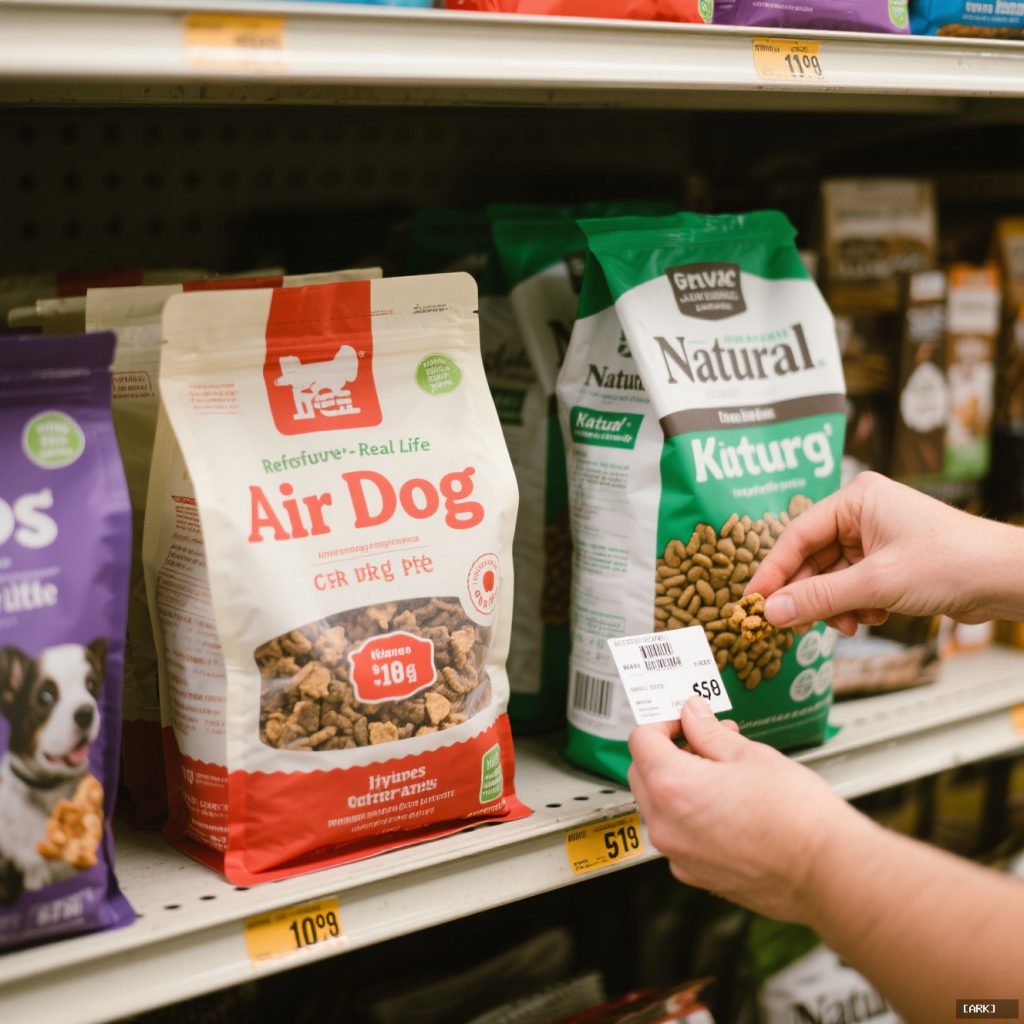
Air dried dog food sits at the intriguing intersection of convenience and a natural canine diet. Its promise is compelling, but the premium price can stop many pet owners cold. Let’s look beyond the cost to understand its real value and explore practical ways to feed well on any budget.
Redefining “Natural” for Real Life
We often see “natural” stamped on a bag and equate it with “best.” But a truly natural diet for your dog isn’t a brand name. It’s a principle. It means whole, recognizable ingredients. Minimal, thoughtful processing. Understanding what fuels your dog’s play, sleep, and health.
This shift in perspective is your most powerful budgeting tool. When you stop chasing a specific product label and start focusing on these core tenets, a world of options opens up. You might find that a high-quality kibble with a simple ingredient list, supplemented with fresh whole foods, meets the “natural” standard for your dog far better than a costly bag of dehydrated dog food filled with exotic ingredients. The goal is nutritional integrity, not a marketing slogan.
The Processing Spectrum: From Kibble to Freeze-Dried
To spend wisely, you need to know what you’re paying for in the factory. Dog food processing is a spectrum defined by heat, pressure, and time.
On one end sits conventional kibble. It’s efficient and affordable. Ingredients are mixed into a dough, cooked at high temperatures under pressure (a process called extrusion), and then dried. This high heat ensures safety and shelf stability but can degrade some heat-sensitive nutrients, which are often added back in after cooking.
On the opposite end is freeze-dried pet food. Here, raw ingredients are quickly frozen, then placed in a vacuum where the frozen water turns directly to vapor, bypassing the liquid phase. This uses very little heat, preserving the nutritional profile and structure of the raw ingredients remarkably well. It’s a brilliant method, but it’s energy-intensive and slow, which is why you pay a premium.
Air dried dog food occupies the middle ground. Instead of high heat or a vacuum, it uses a gentle, steady flow of warm air over many hours—sometimes days—to slowly remove moisture. Think of it as a low-and-slow oven versus a blast furnace. This aims to cook the food for safety while preserving more native nutrients and flavors than extrusion. You’re paying for that time, controlled environment, and often, higher-quality starting ingredients.
The “best” process isn’t absolute; it’s about what balance of nutrition, safety, convenience, and cost works for your situation.
The Strategic Hybrid: Maximizing Nutrition, Minimizing Cost
You don’t have to choose just one. A hybrid feeding model is where savvy budgeting meets optimal nutrition. Instead of an all-or-nothing commitment to pricey dehydrated or freeze-dried food, use it strategically.
The most effective method is the “power topper.” Use a small, measured amount of a premium air dried or freeze-dried food as a garnish on a base of a well-chosen, more affordable kibble. This boosts the meal’s palatability, adds a punch of nutrient-dense whole food, and provides variety—all for a fraction of the cost of a full premium diet. Your dog gets the excitement and benefits, and your wallet gets a break.
Another angle is targeted supplementation. Single-ingredient dehydrated treats, like pure beef liver, sweet potato, or green beans, are widely available and often less expensive per ounce than complete meals. Sprinkling these on a meal adds specific nutrients, fiber, or crunch without requiring a full dietary overhaul.
The Psychology of the Premium Pet Food Aisle
Walk down the pet food aisle, and you’re not just shopping for nutrition; you’re navigating a carefully crafted world of desire. The industry has masterfully adopted tactics from luxury goods. Limited-edition “batch” recipes. Novel proteins like wild boar, venison, or kangaroo. Packaging that evokes artisan craftsmanship or wild, untouched landscapes.
This creates a “collector” mindset. You’re not just buying sustenance; you’re curating an experience, seeking the next unique find for your beloved pet. There’s an emotional payoff for the owner. The crucial thing to remember? Your dog is blissfully unaware of this narrative. A ethically sourced chicken recipe that they thrive on is far more valuable than a trendy cricket-protein blend they merely tolerate.
This makes your detective work essential. The story on the front of the bag is for you. The truth is in the fine print on the back.
Decoding the Bag: Your Authenticity Checklist
Ignore the pastoral farm scenes and bold claims. Your investigation starts with two concrete places: the ingredient panel and the manufacturer information.
First, the ingredients. The list is in descending order by weight. Look for a specific, named animal protein as the very first item: “deboned chicken,” “beef,” “salmon.” Vague terms like “meat meal” or “poultry” are less transparent. A shorter list of recognizable items is generally a good sign—you should see foods you understand. Also, read from the bottom up. Where do the fillers, thickeners, or artificial additives appear? If they’re prominent, reconsider.
Second, the source. Look for a physical address and the phrase “manufactured by” for the company named on the bag. This suggests more direct control over the recipe and process. “Manufactured for” or “distributed by” often indicates a co-packer—a third-party facility that makes food for many brands. This isn’t inherently bad (many great brands use co-packers), but it requires more research into that facility’s reputation. A P.O. box or no address at all is a significant red flag.
Transparency is the cornerstone of authenticity. Brands confident in their process and sourcing will share it.
The Home Kitchen Experiment: Pros and Cons
The idea of making your own air dried dog food is appealing. Total control, fresh ingredients, no mystery components. For the dedicated hobbyist, dehydrating single ingredients at home is absolutely feasible and can be a fantastic way to create healthy, affordable treats.
Thinly slice sweet potatoes, apples (core and seeds removed), or lean meats like chicken breast. Use a standard food dehydrator or your oven on its lowest setting with the door slightly ajar. You’ll create shelf-stable, additive-free goodies your dog will love.
However, attempting to formulate a complete and balanced daily diet through DIY dehydration is a different, and risky, endeavor. Dogs require precise balances of protein, fats, vitamins, and minerals like calcium and phosphorus. Getting this wrong at home, especially over the long term, can lead to serious nutritional deficiencies or excesses. If you’re committed to a fully homemade diet, consulting with a veterinary nutritionist is non-negotiable. For most, home dehydration is best kept to the treat and supplement realm.
Your Action Plan: A Practical Evaluation Framework
- Calculate Cost Per Meal: Price per bag is misleading. Check the feeding guidelines based on your dog’s weight. A denser, more calorie-rich food may require fewer cups per day, making a pricier bag last longer.
- Embrace the Topper Model: Seriously consider using premium dehydrated or freeze-dried foods as a nutritional booster, not the main event.
- Ingredient List Forensics: Read top to bottom for quality, then bottom to top to spot unwanted additives hiding at the end.
- Facility Facts: Research who actually makes the food and their safety record. A quick online search of the manufacturer’s name plus “recall” or “inspection” can be revealing.
- Sample Before You Commit: Many brands offer small trial bags. A food can look perfect on paper, but if your dog turns up their nose, it’s a waste of money.
Clearing the Air: Common Questions Answered
Is air dried food the same as raw?
No. The gentle heat used in air drying cooks the ingredients, effectively pasteurizing them. This reduces the risk of bacterial pathogens like Salmonella or E. coli that can be present in raw diets, while striving to keep more of the original nutrients intact compared to high-heat processing.
Do I need to add water to air dried food?
It’s highly recommended. Rehydrating the food with warm water makes it easier to digest, helps ensure your dog takes in more moisture (beneficial for kidney and urinary tract health), and often enhances the aroma and flavor. For freeze-dried food, rehydration is typically required.
How does shelf life compare to kibble?
Unopened, both air dried and freeze-dried foods have a very long shelf life—often 18 months to 2 years or more—because the near-total removal of moisture prevents microbial growth. Once opened, it’s best to use them within a few weeks to a month, similar to an opened bag of kibble, and store them in a cool, dry place, often in their original bag sealed tightly or in an airtight container.
Sources & Further Reading
American Kennel Club: Dehydrated Dog Food Explained
Tufts University Cummings School of Veterinary Medicine: How Pet Food is Processed
PetMD: A Guide to Dry Dog Foods
Consumer Reports: How to Choose a Healthy Pet Food
You may also like
Ancient Craft Herbal Scented Bead Bracelet with Gold Rutile Quartz, Paired with Sterling Silver (925) Hook Earrings
Original price was: $322.00.$198.00Current price is: $198.00. Add to cartAncient Craftsmanship & ICH Herbal Beads Bracelet with Yellow Citrine & Silver Filigree Cloud-Patterned Luck-Boosting Beads
Original price was: $128.00.$89.00Current price is: $89.00. Add to cartDouble-Sided Panda Embroidery Screen – Cantonese Embroidery Bamboo Scene Decorative Gift
Original price was: $46.70.$33.68Current price is: $33.68. Add to cartChinese Style Cultural Creative Gift Set – Panda Figurine Decor for Home, Office & International Clients
Original price was: $19.86.$17.20Current price is: $17.20. Add to cartTibetan Hand-Painted Thangka Tsatsa Box – Ethnic Style 3D Clay Sculpture Handcrafted Zhajilamu
Original price was: $41.00.$32.00Current price is: $32.00. Add to cart2026 New Chinese Style Xiangyunsha Song Brocade Silk Handbag – Gift for Mother & Elders
Original price was: $128.00.$115.00Current price is: $115.00. Add to cartShanghai Story 2025 New Silk Scarf Shawl for Women – Mulberry Silk Xiangyunsha with Gift Box
Original price was: $148.90.$136.90Current price is: $136.90. Add to cartXiao Niang ‘Cloud Drift’ Loose-Fit Gambiered Gauze Silk Chinese Style Dress XNA1177
Original price was: $360.00.$328.00Current price is: $328.00. Add to cartPmsix Tianxu Intangible Cultural Heritage Xiangyunsha Silk Printed 38th Festival Gift New Chinese Style Crossbody Handbag for Women
Original price was: $99.50.$94.50Current price is: $94.50. Add to cart























