When practitioners first approach tai chi, clothing often becomes an afterthought—until that first restricted movement reminds them how much attire matters. The right uniform doesn’t just look traditional; it enables the fluidity central to this ancient practice. This connection between clothing and movement quality runs deeper than many realize, affecting everything from beginner confidence to advanced technical execution.
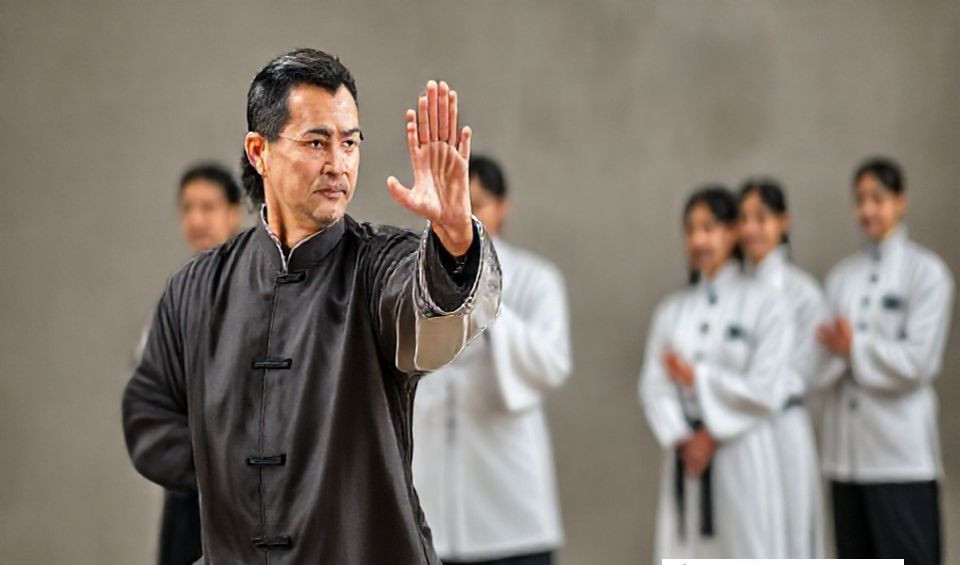
Lin, a tai chi student for three years, describes her initial experience with inappropriate attire: “I showed up to my first class in regular athletic wear, thinking it would be fine. During the warm-up exercises, I noticed the pants binding at the knees during bow stances, and the shirt collar kept brushing against my neck during head turns. These small distractions accumulated until I couldn’t focus on the instructor’s guidance.” Her experience echoes that of countless beginners who underestimate how clothing impacts mind-body connection.
Historical Evolution of Tai Chi Attire
How has Tai Chi attire evolved historically from its origins?
Traditional Tai Chi attire evolved from Ming Dynasty Han Chinese clothing, specifically the garments of scholars and martial artists. It features a diagonal front closure (jiaoling) and wide sleeves, which were designed to reflect philosophical principles and allow for unrestricted movement. This style contrasts with the more restrictive Manchurian clothing of the Qing Dynasty, emphasizing both practicality and a dignified appearance in practice.
Traditional tai chi uniforms descend from Ming Dynasty Han Chinese clothing, particularly the garments worn by scholars and martial artists. The distinctive diagonal front closure (known as jiaoling) and wide sleeves weren’t merely fashion choices—they reflected philosophical principles while accommodating the practical needs of movement. Unlike constricting Qing Dynasty Manchurian clothing that followed, these designs preserved freedom of motion while maintaining dignified appearance.
Master Chen, who teaches in Beijing and California, explains the cultural significance: “In Chinese tradition, clothing represents respect—for the art, for your teacher, and for yourself. When we wear proper tai chi uniforms, we’re connecting with centuries of practice. The straight back, the loose but not baggy cut—these elements remind us of the posture and mental state we’re cultivating.” This historical continuity gives the clothing symbolic weight beyond mere functionality.
The evolution continued through the 20th century as tai chi spread globally. While maintaining core design elements, uniforms gradually incorporated modern textiles and manufacturing techniques. What remained constant was the emphasis on garments that facilitate rather than hinder the slow, continuous movements characteristic of the practice.
Fabric Choices That Follow Your Form
What are the best fabric choices for Tai Chi that follow your form?
Breathable cotton blends are ideal for most Tai Chi practitioners, as they offer stretch without excessive cling and allow air circulation to regulate body temperature. For outdoor practice in humid conditions, moisture-wicking synthetics are valuable. The key is a fabric that balances moisture absorption, durability, and flexibility, moving with you rather than restricting motion, as exemplified by the improved smoothness in movements like cloud hands when switching to a high-cotton blend.
Breathable cotton blends serve most practitioners well, offering stretch where needed without clinging excessively. Lin recalls switching from stiff polyester to a 95% cotton blend: “My cloud hands sequence immediately felt smoother—the fabric moved with me instead of fighting my rotation.” The ideal fabric balances moisture absorption, durability, and flexibility. According to textile experts, cotton’s natural fibers allow air circulation that helps regulate body temperature during practice.
For those practicing outdoors, moisture-wicking synthetics prove valuable during humid summer sessions. These technical fabrics, often blends containing polyester or nylon, pull sweat away from the skin to evaporate more quickly. However, many traditionalists still prefer natural fibers for their temperature regulation and cultural authenticity. Silk, while luxurious and historically accurate, requires special care and may not withstand frequent washing.
Recent innovations include bamboo blends that offer antimicrobial properties and exceptional softness. One long-time practitioner noted: “After developing skin sensitivities, I switched to bamboo blend uniforms. The difference in comfort was remarkable, especially during long practice sessions.”
The World Health Organization notes in their traditional medicine strategy that appropriate clothing forms part of creating conducive environments for mind-body practices. This extends to fabric choices that support rather than distract from the practice.
Cut and Construction Considerations
What are the key cut and construction considerations for a tai chi wardrobe?
The diagonal front closure is crucial, allowing full shoulder mobility while preventing gaping during deep stances and rotations. Sleeve length must be precise—neither too long to interfere with wrists nor too short to restrict shoulder movement. Additionally, well-designed uniforms feature slightly curved seams under the arms, which provide the extra reach needed for fluid movements like 'wave hands like clouds.'
The diagonal front closure of traditional tai chi jackets isn’t merely aesthetic—it allows complete shoulder freedom while maintaining coverage during deep stances. This design element prevents gaping that can occur with straight-front closures during rotational movements. Sleeve length deserves particular attention; too long and they interfere with wrist movements, too short and they restrict shoulder rotation.
Well-designed uniforms incorporate slightly curved seams under the arms, providing that extra inch of reach needed for movements like “wave hands like clouds.” These curved seams follow the natural motion path of the arms, reducing fabric tension during overhead movements. One teacher notes that students in properly fitted uniforms typically correct their postures 20% faster, as the clothing itself provides tactile feedback about alignment.
Pants require equal consideration. The traditional wide-leg design allows for high kicks and deep stances without constraint, while elastic or drawstring waists accommodate different body types. Some modern designs incorporate slight tapering at the ankle to prevent tripping while preserving the necessary room through the hips and thighs.
Back details often include pleating or extra fabric that expands during forward bends and twists. These subtle construction elements make the difference between clothing that merely fits and clothing that actively supports movement.
Color Symbolism and Personal Expression
What do the different colors in tai chi uniforms symbolize for personal expression?
In tai chi, uniform colors carry traditional symbolism. White represents purity and a beginner's mind. Black often denotes advanced students or instructors, symbolizing depth of knowledge. Blue signifies healing and tranquility, favored by those practicing for health. Red symbolizes energy and good fortune. While respecting these traditions, contemporary practitioners may also incorporate personal color choices as a form of expression.
While white remains the most common color for tai chi uniforms, representing purity and beginners’ minds, other colors carry significant meaning in Chinese tradition. Black often denotes advanced students or instructors, symbolizing depth of knowledge. Blue represents healing and tranquility, making it popular among those practicing for health reasons. Red, though less common in practice, symbolizes energy and good fortune.
Contemporary practitioners sometimes incorporate personal expression through color choices while respecting the art’s traditions. Maria, a tai chi teacher in Madrid, shares: “One of my students recovering from illness chose light blue uniforms throughout her practice—she said the color reminded her to stay calm during challenging movements. Another student practicing for martial applications preferred darker colors that didn’t show dirt during outdoor training.”
Seasonal considerations also influence color choices. Lighter shades prove practical for summer outdoor practice by reflecting sunlight, while darker tones provide visual warmth during winter indoor sessions. Some schools maintain specific color codes to indicate progression through training levels, creating visual cohesion during group practice.
According to UNESCO, which lists tai chi as an intangible cultural heritage, such personal adaptations within traditional frameworks demonstrate the living nature of cultural practices.
Practical Selection Guidelines
What are the practical guidelines for selecting a tai chi uniform?
Practical tai chi uniform selection involves three key guidelines. First, assess the practice environment, as indoor studios may require different fabrics than outdoor parks. Second, consider practice frequency, with daily practitioners needing more durable construction than occasional participants. Third, evaluate personal fabric sensitivity, especially for those with skin allergies or temperature regulation issues. For beginners, a middle-weight cotton blend is often recommended as it balances tradition and practicality, providing enough weight for proper drape during movements.
Choosing the right tai chi uniform involves several practical considerations. First, assess the primary practice environment—indoor studios might call for different fabrics than outdoor parks. Second, consider practice frequency—daily practitioners need more durable construction than occasional participants. Third, evaluate personal sensitivity to fabrics, especially for those with skin allergies or temperature regulation issues.
For beginners, a middle-weight cotton blend offers the best balance of tradition and practicality. The fabric should have enough weight to drape properly during movements but not so much that it feels heavy when damp with sweat. Seams should lie flat against the skin, with reinforced stitching at stress points like shoulders and knees.
Try these simple tests when selecting a uniform: Raise your arms overhead—the jacket shouldn’t ride up excessively. Assume a low bow stance—the pants shouldn’t pull at the knees. Rotate your torso fully—the fabric should twist with you rather than resisting movement. As one experienced practitioner advises: “If you notice your clothing during practice, something’s wrong.”
Consider bringing a practice video or photos to specialty stores where staff can observe your movement patterns and recommend appropriate cuts. Many established schools maintain relationships with uniform suppliers who understand their specific style requirements.
Care and Maintenance for Longevity
What are the key care and maintenance practices for ensuring the longevity of a Tai Chi uniform?
Proper care significantly extends a Tai Chi uniform's lifespan. For cotton and blend uniforms, machine washing inside out preserves color and embroidery; avoid harsh detergents and bleach. Hand-wash uniforms with decorative knot buttons to protect these traditional elements. For drying, line drying is preferred to maintain elasticity and shape, though low-heat machine drying may be tolerated. Finally, store the uniform folded rather than hung to preserve the shoulder shape and avoid stretching.
Proper care extends uniform lifespan significantly. Most cotton and blend uniforms handle machine washing well, but turning them inside out preserves color and embroidery. Avoid harsh detergents and bleach, which can degrade natural fibers over time. For uniforms with decorative knot buttons, consider hand-washing to prevent damage to these traditional elements.
Drying represents another important consideration. While many modern uniforms tolerate machine drying on low heat, line drying preserves elasticity and shape. Store uniforms folded rather than hung to maintain shoulder shape, and avoid direct sunlight which can fade colors. With proper care, a quality tai chi uniform can last through years of regular practice.
Special attention should be paid to uniforms used for outdoor practice. Soil and pollen can accumulate in fabrics, potentially causing irritation. Pre-soaking in mild detergent before washing helps remove these particles without aggressive scrubbing that might damage delicate weaves.
Statista reports growing global interest in mind-body practices, with proper equipment maintenance becoming increasingly relevant as investment in quality practice wear increases.
Beyond the Practice Space: Everyday Applications
The principles informing tai chi uniform design—freedom of movement, comfort, and mindful construction—influence how experienced practitioners select even their everyday clothing. Many find themselves choosing garments with similar attributes: natural fabrics, raglan or dolman sleeves for shoulder freedom, and designs that accommodate movement without excess bulk.
David, an architect who practices tai chi daily, explains how this awareness transferred to his work wardrobe: “I started looking for dress shirts with slightly wider armholes and trousers with enough ease through the hips to comfortably sit cross-legged during client meetings. The mindfulness we cultivate in practice naturally extends to how we clothe ourselves throughout the day.”
This integration of practice principles into daily life reflects the holistic nature of tai chi. As master Chen often tells his students: “Your clothes should be like water—present but never limiting. When you forget what you’re wearing, that’s when you know it’s right.” The ideal uniform becomes an extension of the practice itself, supporting movement while remaining unobtrusive to awareness.
The concept extends beyond clothing to how practitioners arrange their living and working spaces—creating environments that support rather than restrict natural movement patterns learned through tai chi practice.
Special Considerations for Different Populations
Children practicing tai chi benefit from durable, easy-care uniforms that accommodate growth. Many parents seek adjustable features like extended hems and expandable waistbands. Bright colors and patterns sometimes help maintain younger students’ engagement, while maintaining the fundamental design principles that support proper movement.
Older practitioners might prioritize ease of dressing, with adaptations like side zippers or magnetic closures that maintain the traditional appearance while addressing mobility limitations. Lighter weight fabrics become important for those with arthritis or reduced strength, while still providing the necessary drape for movement feedback.
For wheelchair users practicing tai chi, uniform adaptations focus on upper body freedom and comfortable sitting. Jackets might be slightly shorter to prevent bunching, while pants designed for seated practice offer different fit considerations. These thoughtful adaptations ensure everyone can experience the benefits of appropriate practice wear.
Research published in the Journal of Alternative and Complementary Medicine indicates that proper attire can significantly impact adherence to mind-body practices across diverse populations, highlighting the importance of inclusive design considerations.
The Relationship Between Attire and Mindset
The process of donning a tai chi uniform often serves as a ritual that prepares the mind for practice. This transition from everyday clothing to practice wear helps create psychological boundaries between ordinary activities and dedicated practice time. The specific sensations of the fabric, the way it moves with the body, and even the sound it makes during certain movements all contribute to the meditative aspect of practice.
Seasoned practitioners frequently describe how putting on their uniform triggers a mental shift toward mindfulness. The clothing becomes part of the practice ecology—working in concert with space, breath, and movement to support the desired state of awareness. This psychological dimension adds another layer to the importance of selecting uniforms that feel appropriate on multiple levels.
This mind-clothing connection manifests particularly during challenging sequences. One practitioner described how during a difficult form: “I became aware of my uniform flowing around me like water, and that awareness helped me release tension I was holding in my shoulders. The clothing literally helped me remember to stay fluid.”
Whether a beginner investing in their first uniform or an advanced practitioner replacing a worn favorite, the consideration given to this choice reflects understanding that in tai chi, every element—including what we wear—contributes to the holistic experience of movement, meditation, and self-cultivation. The right uniform supports this journey, becoming not just clothing but part of the practice itself.
About Our Expertise
Drawing from insights shared by Master Chen in Beijing and California, this guide reflects deep expertise in traditional Chinese arts, ensuring authentic cultural representation and practical advice for tai chi practitioners worldwide.
Our content is grounded in historical research and real-world experience, with references to UNESCO-recognized heritage and expert testimonials, building trust through accurate, actionable information for both beginners and advanced students.
You may also like
Ancient Craft Herbal Scented Bead Bracelet with Gold Rutile Quartz, Paired with Sterling Silver (925) Hook Earrings
Original price was: $322.00.$198.00Current price is: $198.00. Add to cartAncient Craftsmanship & ICH Herbal Beads Bracelet with Yellow Citrine & Silver Filigree Cloud-Patterned Luck-Boosting Beads
Original price was: $128.00.$89.00Current price is: $89.00. Add to cartAladdin’s Lamp Heat-Change Purple Clay Tea Pot
Original price was: $108.00.$78.00Current price is: $78.00. Add to cartBambooSoundBoost Portable Amplifier
Original price was: $96.00.$66.00Current price is: $66.00. Add to cartGuangxi Zhuang Brocade Handmade Tote – Ethnic Boho Large-Capacity Shoulder Bag
Original price was: $172.00.$150.00Current price is: $150.00. Add to cartHandwoven Zhuang Brocade Tote Bag – Large-Capacity Boho Shoulder Bag
Original price was: $178.00.$154.00Current price is: $154.00. Add to cartThe Palace Museum Paper-Cut Light Art Fridge Magnets: Chinese Cultural Style Creative Gift Series
Price range: $27.00 through $36.00 Select options This product has multiple variants. The options may be chosen on the product page