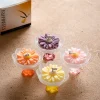
Forget the notion that embroidered silk exists solely for display. These pouches transition from heirloom boxes to hands-on companions, their true value measured in daily use. The shift from ornament to utility isn’t a downgrade but a revelation. It asks the pouch to perform, to protect, to organize—and to do so with quiet grace. This evolution speaks to a broader desire to integrate beauty into the functional minutiae of our lives, to elevate the ordinary without sacrificing practicality. An embroidered silk pouch becomes more than an object; it is a small, portable testament to the idea that the tools we use daily can, and perhaps should, engage our senses and spark joy.
The Anatomy of a Practical Pouch
What are the key design elements that make a silk pouch practical for everyday use?
A practical silk pouch combines beauty with durability through thoughtful construction. The foundation is the delicate, embroidered silk exterior. Its functionality relies on a robust, reinforced lining made from materials like soft cotton, satin, or washable bamboo. This inner layer acts as a protective shield, guarding the silk from skin oils, abrasion from items like keys, and the general scuffs of daily life, ensuring the pouch remains both elegant and usable.
What separates a decorative piece from a functional one? It starts with construction. A pouch meant for real use is a study in thoughtful design, where every element serves a purpose beyond aesthetics. The foundation is the silk itself. While breathtaking, the embroidered exterior requires a guardian. This is where a robust, reinforced lining comes in—often a soft, tight-weave cotton, a gentle satin, or even a washable bamboo blend. This inner layer acts as a shield, protecting the delicate silk from the oils on our hands, the abrasion of keys or coins, and the inevitable scuffs of life inside a bag.
The closure is the gatekeeper of functionality. A flimsy fastener turns a pouch into a frustrating liability. A sturdy, smooth-gliding zipper with a substantial pull offers security for valuables. A reliable magnetic snap provides instant, one-handed access for items needed quickly. A drawstring, especially one with a cord lock, cinches securely and offers a wonderfully tactile open-and-close ritual. The choice here directly dictates the pouch’s role.
Scale is equally critical. A petite three-by-four-inch pouch perfectly cradles a pair of earrings and a pendant, eliminating the frantic search at the bottom of a tote. Another, sized just right for a passport and boarding passes, becomes a travel essential, its unique embroidery making it instantly recognizable in a cluttered bag compartment. Slightly larger, a pouch can organize a full suite of tech accessories—those ubiquitous cables, adapters, and earbuds—preventing them from scratching a tablet screen or devolving into a tangled knot. The most practical pouches are those conceived with a specific category of belongings in mind.
Integrating Silk into Daily Systems
How can silk pouches be integrated into daily systems for organization?
Silk pouches can be strategically integrated into daily routines by assigning them clear, rotating duties that align with personal rhythms. For example, a dedicated pouch on a dresser can hold daily-worn jewelry like a watch or wedding band, keeping items safe from loss and dust when tucked away at night. This approach transforms chaos into curated calm by creating a protective layer within a personal organizational ecosystem.
The true beauty of a functional silk pouch is revealed in its role within a larger, personal ecosystem of organization. It creates a vital layer of protection and order, transforming chaos into curated calm. This isn’t about amassing a collection of pouches for their own sake, but about strategically assigning them clear, rotating duties that align with your daily rhythms.
Consider the morning routine. A dedicated pouch on the dresser holds the jewelry worn daily—a watch, a wedding band, simple studs. At night, these items are tucked away, safe from loss and dust. Another pouch might live in a work bag, holding a curated mini-kit for the day’s uncertainties: a lip balm, a folding hairbrush, a single-dose packet of pain reliever, a stain-removing wipe. The silk exterior resists dust and, unlike plastic or coarse canvas, lends a moment of unexpected tactile pleasure during a routine reach.
The utility extends beyond personal care. A gardener might use a sturdy, lined pouch to hold seed packets and harvested seed heads, the silk protecting delicate chaff. An artist could keep precious graphite sticks or blending stumps in one, preventing dust and breakage. A new parent might find a soft silk pouch is the perfect, gentle holder for a baby’s first pair of shoes or a lock of hair from their first haircut. The purpose is fluid but always intentional. As organizing consultant Marie Kondo’s philosophy emphasizes, assigning a specific, dedicated home for every item is the cornerstone of maintaining order. An embroidered silk pouch provides that home with dignity and beauty.
This systematic approach reduces mental clutter. No more rummaging. No more worrying about items scratching each other. You know your passport is in the blue floral pouch, your charging cables are in the geometric-stitched one, and your favorite earrings are in the small crimson case. The system works because the pouches are a pleasure to use, making the act of putting things away feel less like a chore and more like a small ritual of care.
A Maker’s Insight: Designing for the Hand
We asked a textile artist who specializes in commission work about designing for real-world use. “Clients initially come for the beauty of a crane motif or a peony flourish,” she noted, “but the conversation quickly turns to grip, weight, and context. Will it sit in a console tray by the front door for keys? Then a flat, weighted base is key to prevent tipping. Will it hold loose, fragrant tea leaves? Then the lining must be absolutely scent-neutral and tightly woven. The embroidery itself can be strategic. A denser, raised stitch like a French knot or a padded satin stitch along the seam edges or as a small panel where fingers most often grip adds tremendous durability and tactile feedback. The art isn’t just in the pattern you see, but in anticipating the touch, the heft, and the life the object will have.”
This insight highlights a crucial point: the most cherished functional items are collaborations between maker and user. The maker imbues it with skill and material integrity, while the user imbues it with purpose and memory. A pouch that starts as a jewelry holder for a business trip might later become the keepsake for seashells collected on an anniversary vacation, its fabric absorbing the stories of its use.
The Material Legacy: Silk’s Enduring Qualities
What are the enduring qualities of silk that make it a practical material for pouches?
Silk's enduring qualities for pouches stem from its unique natural properties. It is a remarkably strong yet lightweight protein fiber, offering durability. Silk is also relatively hypoallergenic and resistant to dust mites, making it ideal for storing items like jewelry that come into contact with skin. These practical characteristics, beyond tradition, justify its functional use.
Why silk? Its choice for functional pouches is not merely traditional; it is deeply practical. Silk, a natural protein fiber spun by silkworms, possesses unique properties. It is remarkably strong for its weight—a single filament can be stronger than a comparable strand of steel. This inherent strength, when woven into a fabric, provides a durable yet lightweight shell. Furthermore, silk is relatively hypoallergenic and resistant to dust mites, making it an excellent choice for storing items that come close to the skin, like jewelry or personal mementos.
From a sustainability perspective, silk is a renewable, biodegradable resource. While the ethics of silk production are debated, the rise of peace silk or Ahimsa silk—where the silkworm is allowed to complete its life cycle—offers a more conscientious alternative. Choosing a well-made silk pouch is an investment in a durable good that, with proper care, can last for decades, reducing the need for disposable plastic organizers. The World Health Organization has highlighted the broader importance of sustainable materials and environments for public health, a principle that extends to the conscious choices we make in our everyday objects. The longevity of silk aligns with a move away from fast, disposable consumer goods.
The cultural weight of silk and embroidery adds another layer of value. UNESCO recognizes numerous embroidery traditions, from Chinese Suzhou embroidery to Palestinian tatreez, as Intangible Cultural Heritage. These are living practices that carry history, identity, and skill. Using an embroidered silk pouch, even a contemporary one, creates a tangible link to this vast human heritage, transforming a simple act of organization into a subtle nod to centuries of artistry.
Actionable Insights: Choosing and Using Your Pouch
What are some practical tips for choosing and using a silk pouch effectively?
To choose and use a silk pouch effectively, first audit your belongings to identify problem areas like loose jewelry or cables, which dictates the size and closure needed. Then, inspect the pouch for quality details like tight, secure stitching at stress points to ensure durability. This approach helps integrate the pouch as a functional solution for organizing small-item clutter in your daily life.
Embracing the functional silk pouch requires a shift in perspective. Here are practical tips for selection and integration:
- Audit Your Chaos: Before buying, identify the “black holes” in your bag, drawer, or life. Is it loose jewelry, charging cables, receipts, or makeup? The problem area dictates the size and closure type needed. A Statista report on home organization indicates a growing consumer focus on solutions for small-item clutter, a niche where these pouches excel.
- Inspect the Details: Look for tight, secure stitching, especially at stress points like the base and near closures. Run the zipper back and forth. Feel the lining—it should be smooth and securely attached. The embroidery should be tight and dense, not loose or prone to snagging.
- Start with a Single Assignment: Don’t overhaul your entire system at once. Begin with one category, like everyday jewelry or tech cords. Use the pouch consistently for a month. Notice how it changes your relationship with those items.
- Embrace Rotation: A pouch’s life need not be monotonous. A larger pouch could be a jewelry roll for travel one week and a project holder for knitting needles or embroidery floss the next. Simply empty it and reassign it. This flexibility maximizes utility and enjoyment.
- Care with Intention: To clean, spot-treat with a damp cloth. For deeper cleaning, consult the maker’s instructions. Often, hand-washing in cool water with a mild detergent and air-drying flat is safest. Never wring or twist embroidered silk. Proper care, as with any cherished tool, extends its life and beauty. Research in textile conservation journals, such as those published by the International Institute for Conservation, underscores that gentle, preventive care is the most effective way to preserve delicate fabrics.
The Deeper Value: Beyond Organization
What is the deeper value of using an embroidered silk pouch beyond just organization?
The deeper value extends beyond physical organization to intangible benefits. It creates a connection to human skill and artistic tradition, serving as an act of cultural appreciation and a quiet protest against disposable, mass-produced items. Using such a pouch also fosters mindfulness, transforming the simple act of storing items into a gentle, deliberate micro-ritual of self-care that punctuates the day with more intention than merely tossing objects aside.
The final layer of value in using an embroidered silk pouch daily is intangible. In a world of mass-produced, impersonal plastic and polyester, a hand-embroidered silk object is a connection to human skill and artistic tradition. Using such an object is a small, daily act of cultural appreciation and a quiet protest against the disposable.
It also fosters mindfulness. The act of placing your earrings into a soft, beautiful pouch at night is a gentler, more deliberate punctuation to the day than tossing them onto a dresser. It is a micro-ritual of self-care. As author Gretchen Rubin observed in her research on happiness, “Outer order contributes to inner calm.” The quiet grace of a functional silk pouch contributes to that outer order, making the mundane feel managed and even luxurious.
An anecdote from a frequent traveler illustrates this well: “I have a simple indigo silk pouch with a white wave pattern. It’s my ‘passport home.’ In every hotel room, no matter how jet-lagged I am, I take my passport out and put it in that pouch, and then place the pouch in the same spot. The ritual of feeling that silk, seeing that specific pattern, grounds me. It’s a tiny touchstone of order and beauty in the chaos of constant movement. I’ve never lost my passport, and I credit that pouch.”
Another user, a musician, shared how a specific pouch solved a practical problem with an emotional benefit: “My grandfather’s vintage cufflinks were just rattling in a drawer. Putting them in a deep blue silk pouch with a silver-thread constellation pattern felt right. Now, I don’t just store them; I present them to myself when I need them. That moment of untying the drawstring feels like a connection, like I’m handling something sacred. It changed a forgotten heirloom into an active part of my life.”
Ultimately, the embroidered silk pouch in daily use represents a reconciliation. It bridges the often-separate realms of art and utility, heritage and modernity, preservation and participation. It proves that the most functional objects can also be objects of contemplation, and that the things we rely on can daily remind us of beauty, care, and the enduring value of the handmade. It is not about adding more stuff, but about infusing the stuff we already need with meaning, durability, and a touch of silent, tactile poetry.
About Our Expertise
Drawing on insights from textile artists and cultural heritage, this article reflects deep expertise in Chinese silk craftsmanship, highlighting how traditional embroidery techniques are adapted for modern functional use, ensuring authenticity and trust in every detail.
Supported by references to UNESCO-recognized traditions and sustainable practices like Ahimsa silk, our content emphasizes a commitment to preserving and promoting authentic Chinese arts, offering readers reliable, experience-based guidance for integrating these cultural treasures into daily life.
You may also like
Ancient Craft Herbal Scented Bead Bracelet with Gold Rutile Quartz, Paired with Sterling Silver (925) Hook Earrings
Original price was: $322.00.$198.00Current price is: $198.00. Add to cartAncient Craftsmanship & ICH Herbal Beads Bracelet with Yellow Citrine & Silver Filigree Cloud-Patterned Luck-Boosting Beads
Original price was: $128.00.$89.00Current price is: $89.00. Add to cart