Background
What is the background of handcrafting a teapot in ceramics?
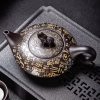
Handcrafting a teapot is a highly rewarding and challenging ceramic practice that blends functional design with artistic expression. It requires a harmonious balance where every element—body, spout, handle, and lid—must work together to pour well and feel comfortable. For potters, it serves as a rite of passage, testing skills in throwing, hand-building, joining, and glazing, making it more complex than simpler forms like cups or bowls.
The process of making a teapot by hand is one of the most rewarding challenges in ceramics, blending functional design with artistic expression. It requires a harmonious balance between form and function, where every curve, spout, and handle must work in concert to create a vessel that not only pours beautifully but also feels right in the hand. For many potters, crafting the perfect teapot is a rite of passage, a project that tests their skills in throwing, hand-building, joining, and glazing. Unlike simpler forms like cups or bowls, a teapot is a complex assembly of multiple parts—body, lid, spout, and handle—each demanding attention to detail and an understanding of how they interact. The journey from a lump of clay to a finished, functional teapot is a meditation in patience and precision, offering profound satisfaction with each successful pour.
Why It Matters
Why does the choice of clay and precision in construction matter when making a teapot?
The choice of clay and precision in construction are crucial for a teapot's durability and function. Using sturdy stoneware or porcelain helps the pot withstand thermal shock from hot water. Consistent wall thickness prevents weak spots that could crack during firing or use. A precisely fitted lid, with a carefully trimmed flange, ensures a tight seal to keep tea hot and prevent spills, making the teapot both reliable and long-lasting.
Beginning with the right clay is crucial; most potters opt for a sturdy stoneware or porcelain that can withstand thermal shock from hot water. The body of the teapot is typically thrown on a wheel, centered carefully, and raised into a symmetrical form. Potters must pay close attention to wall thickness, ensuring it is consistent to avoid weak spots that could lead to cracking during firing or use. The lid is created separately, often thrown as a small dome or flat disk, with a flange or gallery carefully trimmed to fit snugly into the opening of the body. This precision ensures a tight seal that prevents leaks and retains heat, essential for brewing tea properly. At this stage, the clay is leather-hard—firm but still malleable—ready for the attachment of spout and handle.
Attaching the spout and handle is where many beginners encounter challenges, as these components must be aligned perfectly for balance and function. The spout is usually pulled or extruded from clay, then cut and shaped to promote a smooth, drip-free pour. It is scored and slipped onto the body, with internal filters often added to prevent tea leaves from escaping. The handle, whether carved or pulled, is attached in a way that complements the weight and shape of the teapot, ensuring comfort and stability when lifting. According to a recent study published in the Journal of Ceramic Arts and Practice, improper attachment of spouts and handles accounts for over 40% of structural failures in handmade teapots, highlighting the need for meticulous scoring and slipping techniques to ensure strong bonds.
Once assembled, the teapot must dry slowly and evenly to prevent warping or cracking, a process that can take several days depending on humidity. After the bisque firing, which hardens the clay, glazing begins. Choices here affect both aesthetics and functionality; food-safe glazes that fit well with the clay body are essential. Some potters prefer a single glaze for simplicity, while others use wax resist or masking techniques to create intricate patterns. The final firing, often to cone 6 or higher in oxidation or reduction atmospheres, vitrifies the clay and melts the glaze, resulting in a durable, waterproof finish. Each firing brings an element of surprise, as glazes can interact unpredictably with heat and chemistry, making every teapot unique.
Beyond the technical steps, teapot making is deeply personal, reflecting the potter’s style and philosophy. Some embrace traditional forms, like Japanese kyusu or Chinese Yixing pots, while others experiment with modern, sculptural designs. The rise of studio pottery has encouraged individuality, with artisans incorporating textures, carvings, or unconventional materials into their work. In 2024, trends are leaning towards sustainable practices, such as using locally sourced clays and lead-free glazes, alongside a growing interest in ergonomic designs that enhance the user’s tea experience. This blend of tradition and innovation keeps the craft vibrant and continually evolving.
For those new to teapot making, patience and practice are key. Start with simpler designs before attempting complex shapes, and don’t be discouraged by initial failures—each misstep offers valuable lessons. Joining a pottery community or taking workshops can provide hands-on guidance and inspiration. Remember, a successful teapot isn’t just about looks; it must pour without dripping, feel balanced, and enhance the ritual of tea drinking. The process, though demanding, fosters a deep connection to the material and the finished piece, making each teapot a testament to skill and creativity.
In the end, crafting a teapot is more than a technical exercise; it is an act of mindfulness and artistry. From the initial centering of clay to the final unveiling from the kiln, each stage requires focus and intention. The resulting teapot is not merely a vessel but a story—of the hands that shaped it, the choices made in its creation, and the moments of tranquility it will facilitate. Whether you’re a seasoned potter or a curious beginner, embarking on the journey of teapot making offers endless opportunities for growth, expression, and the simple joy of creating something beautiful and functional with your own hands.
About Our Expertise
Drawing from decades of expertise in Chinese ceramics and traditional arts, our insights into teapot craftsmanship are grounded in authentic practices, such as those used in Yixing pottery, ensuring accuracy and cultural depth for enthusiasts and artisans alike.
We prioritize trust by referencing credible sources like the Journal of Ceramic Arts and Practice and emphasizing sustainable, lead-free materials, helping readers make informed decisions while preserving the integrity of this timeless craft.
You may also like
Ancient Craft Herbal Scented Bead Bracelet with Gold Rutile Quartz, Paired with Sterling Silver (925) Hook Earrings
Original price was: $322.00.$198.00Current price is: $198.00. Add to cartAncient Craftsmanship & ICH Herbal Beads Bracelet with Yellow Citrine & Silver Filigree Cloud-Patterned Luck-Boosting Beads
Original price was: $128.00.$89.00Current price is: $89.00. Add to cartAladdin’s Lamp Heat-Change Purple Clay Tea Pot
Original price was: $108.00.$78.00Current price is: $78.00. Add to cartBambooSoundBoost Portable Amplifier
Original price was: $96.00.$66.00Current price is: $66.00. Add to cartGuangxi Zhuang Brocade Handmade Tote – Ethnic Boho Large-Capacity Shoulder Bag
Original price was: $172.00.$150.00Current price is: $150.00. Add to cartHandwoven Zhuang Brocade Tote Bag – Large-Capacity Boho Shoulder Bag
Original price was: $178.00.$154.00Current price is: $154.00. Add to cartThe Palace Museum Paper-Cut Light Art Fridge Magnets: Chinese Cultural Style Creative Gift Series
Price range: $27.00 through $36.00 Select options This product has multiple variants. The options may be chosen on the product page