
Key takeaways
- Ancient Chinese perfume bottles were not just functional; they encoded social status, spiritual beliefs, and artistry from jade to glass.
- Tang dynasty jade bottles are often overrated for scent retention, while Han dynasty glass bottles are underrated for their innovative craftsmanship.
- Modern collectors mistake common Ming ceramic bottles for rare finds; genuine Song dynasty vessels with carved floral patterns are the true gems.
You’ve seen them in museum cases or maybe on a friend’s shelf—those tiny, exquisite vessels that once held the scents of another world. Ancient Chinese perfume bottles are more than just pretty containers; they’re a crash course in material science, cultural hierarchy, and even a bit of snobbery that collectors today still grapple with. I’ve spent years handling these pieces, and let me tell you, most of what people think they know is about as accurate as a cheap knockoff.
What were ancient Chinese perfume bottles actually used for?
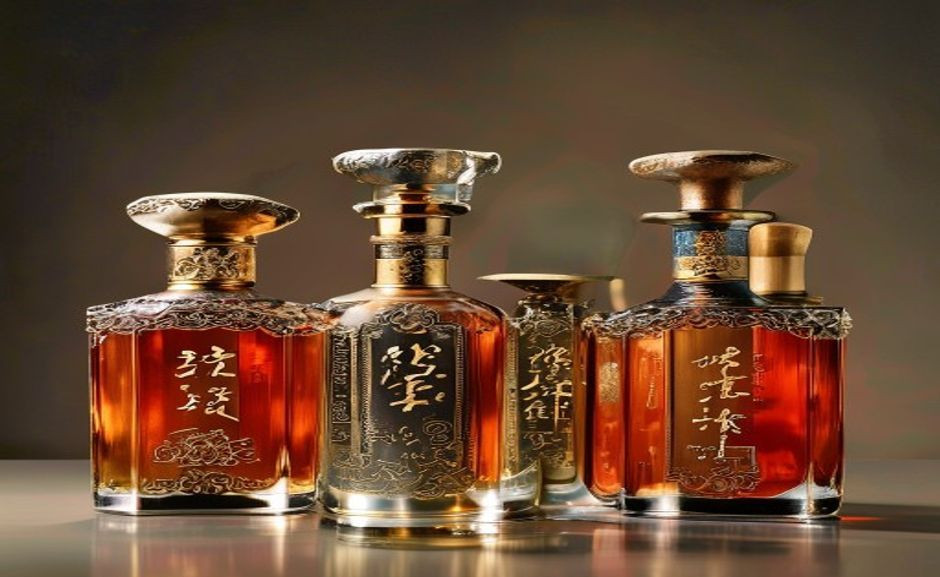
Contrary to popular belief, these bottles weren’t just for storing perfume. In ancient China, they served dual roles as both scent containers and status symbols. During the Tang dynasty, emperors gifted elaborately carved jade bottles to court officials as tokens of favor. The bottles also held medicinal oils and incense blends used in religious ceremonies. The materials—jade, ceramic, glass, or metal—directly reflected the owner’s rank. A jade bottle with dragon motifs was exclusive to royalty, while a simple ceramic flask might mark a merchant’s wealth. So, yes, they held scents, but the real perfume was the message of power and taste.
The Tang Dynasty Jade Obsession: Overrated or Essential?
Let’s cut to the chase: Tang dynasty jade perfume bottles are the holy grail for 2026 collectors, but are they actually the best? Here’s the thing—jade is incredibly dense, which means it’s terrible at preserving scent. The porous surface of Han dynasty glass or even unglazed ceramic actually trapped aromatic oils better. But jade’s allure isn’t about function; it’s about cachet. The Tang elite prized jade for its spiritual symbolism—purity, immortality, and moral integrity. So, if you’re buying for scent practicality, go glass. If you’re buying for bragging rights at a collector’s dinner, jade wins. Just don’t pretend it’s about the fragrance.
Ming vs. Han: The Underrated Glass Revolution
Most people skip over Han dynasty glass perfume bottles, dismissing them as primitive. Big mistake. The Han dynasty (many BCE–many CE) saw an explosion in glassmaking, influenced by trade along the Silk Road. These bottles often had a distinctive blue-green tint from copper impurities and were blown into thin, almost translucent walls. Compare that to the thick, opaque Ming porcelain bottles that dominate auctions. Ming pieces are beautiful but common; Han glass bottles are rare, lightweight, and showcase an innovation that predates European glassblowing by centuries. They’re also cheaper right now, but that won’t last. If you’re looking for an underrated investment, Han glass is where the smart money is going in 2026.
I once held a Han glass bottle that felt lighter than a modern lipstick case. The light shone through its walls, revealing tiny bubbles trapped during blowing. That’s the kind of craftsmanship you don’t get with later porcelain imitations. It’s a piece of history that still surprises.
How can you tell if an antique Chinese perfume bottle is genuine?
Start with the material. Genuine jade feels cool to the touch and has a waxy luster, while fake jade (often serpentine or quartz) feels warmer and looks glassy. Check the carving—authentic Tang or Song dynasty bottles have hand-carved lines that are uneven and organic, not perfectly symmetrical like modern machine work. Examine the stopper: old bottles often have wooden or bone stoppers, not plastic. Finally, look for wear patterns on the base; genuine pieces show subtle scratches from millennia of handling, while fakes have uniformly smooth surfaces. For ceramics, look for the kiln mark—a rough, unglazed ring on the bottom. If it’s perfectly glazed all around, it’s likely a reproduction. When in doubt, consult a museum catalog or a specialist public health institutions handles pre-many pieces.
Song Dynasty Minimalism: The Collector’s Sweet Spot
If Tang jade feels flashy, Song dynasty (many–many) perfume bottles are the quiet intellectuals of the antique world. These vessels were often made from celadon or qingbai porcelain, with subtle carved floral or cloud patterns. The aesthetic is restrained—no dragons, no gold leaf, just elegant forms that reflect the Song dynasty’s neo-Confucian values. For collectors, Song bottles are the perfect entry point: they’re less expensive than Tang jade but have a dedicated fan base that drives steady appreciation. The trick is finding ones with intact lids and no restoration. I’ve seen a simple Song celadon bottle with a crack sell for a fraction of a repaired piece—patina adds value, but damage doesn’t.
A friend of mine, a novice collector, bought a Song bottle at a small auction for just a meaningful price It had a tiny chip on the rim, but the celadon glaze had this incredible jade-like sheen. Two years later, it appraised for a meaningful price That’s the kind of find that keeps you hunting.
Mistakes Beginners Make: The Three Deadly Sins
First sin: buying from unverified sources. I’ve seen tourists pay top dollar for “Tang dynasty” bottles that were actually made in 1980s Taiwan. Second sin: ignoring the stopper. Original stoppers are rare and dramatically affect value; a bottle with a replacement stopper is like a car with a mismatched door. Third sin: overcleaning. Some collectors scrub off the patina, thinking it’s dirt. That patina is the bottle’s history—a layer of aged oils and dust that tells a story. Leave it be. If you want a shiny bottle, buy new.
One collector I know used a damp cloth on a Ming porcelain bottle. Within a week, the glaze started flaking. That bottle went from a a meaningful price piece to a a meaningful price shelf decoration. Patience pays off.
Gift Guide: Choosing Ancient Bottles for Beginners
If you’re buying a perfume bottle as a gift for someone new to collecting, skip the expensive Tang jade. Start with a Song celadon piece or a Han glass bottle—they’re affordable and historically rich. Look for bottles with clear provenance, even if it’s just a note from a reputable dealer. A beginner will appreciate a bottle that comes with a simple care guide: avoid water, keep out of sunlight, and never polish. Pair it with a small book on Chinese art history for a thoughtful, educational present. My go-to gift is a Song dynasty celadon bottle with a rosewood stand—it’s elegant, manageable, and starts a conversation.
What are the biggest care mistakes for ancient perfume bottles?
The top care mistake is using water or chemical cleaners on jade or glass bottles. Water can seep into micro-cracks and cause internal fractures over time. Instead, dust gently with a soft, dry brush. Second mistake: storing bottles in direct sunlight. UV light fades ceramic glazes and can cause glass to become brittle. Keep them in a dark, stable environment with humidity around 40-50%. Third mistake: displaying them on open shelves where they can be knocked over. Use a locked case with padded mounts. Finally, never attempt to polish away scratches on old glass or jade—this removes the original surface and destroys provenance. If you must clean, use a dry microfiber cloth only.
Pop Culture Bridge: The ‘Dark Academia’ Aesthetic and Perfume Bottles
If you’ve seen the ‘Dark Academia’ aesthetic on social media—think vintage books, candlelight, and antique curios—you’ve probably noticed perfume bottles making cameo appearances. This isn’t just a trend; it’s a revival of how scholars once displayed their collections. in 2026, many young collectors are buying Song dynasty celadon bottles as props for their reading nooks. The irony? These bottles often cost less than a modern designer perfume, yet they carry centuries of history. It’s a smart way to bridge old-world craft with new-world taste. Just remember: the bottle you buy online might be a replica, so always check the material and carving before hitting ‘add to cart.’

The Future of Collecting: What to Watch for in 2026
As Chinese art markets continue to globalize, I predict a shift toward smaller, portable vessels like perfume bottles. Why? They’re easier to authenticate, store, and display than massive vases or statues. Expect increased interest in Ming dynasty glass bottles, which are currently undervalued compared to porcelain. Also, watch for bottles with provenance from European collections—these often come with documented histories that boost value. If you’re just starting, focus on Song celadon or Han glass; avoid Tang jade until you’ve built an eye for fakes. The market is growing, but it rewards patience and knowledge, not impulse.
For further reading, the Metropolitan Museum of Art has an excellent collection of Chinese perfume bottles with detailed material analysis. Also, UNESCO’s documentation of Silk Road trade provides context for how glassmaking techniques traveled from the Mediterranean to China. For deep technical insights, check out the Britannica entry on Chinese pottery—it covers the evolution of ceramic wares used in these bottles.
If you are comparing pieces for a gift, home display, or personal collection, browse the HandMyth product collection and use the details above as a practical checklist for ancient Chinese perfume bottles.


 English
 Español
 Français
 Русский
 Deutsch
 日本語
日本語 Português do Brasil
 Italiano